
Plant-Based Bioactives and Joint Comfort: What Research Suggests
Plant-derived compounds—such as polyphenols, antioxidants, and other bioactive molecules found in everyday foods and spices—have been widely investigated for how they may influence the body’s inflammatory signaling. Scientific findings suggest these nutrients can help support a balanced inflammatory response, promote healthy circulation, and contribute to tissue resilience, which may be relevant for occasional swelling, stiffness, or discomfort.
Much of the evidence comes from lab research, animal studies, and small-scale human trials, which often report improvements in joint-related symptoms. Still, these approaches are best viewed as supportive lifestyle options, not a replacement for professional care or prescribed treatment.

Top Natural Drinks to Try for Daily Joint Support
Below are several popular anti-inflammatory drinks for joint support, along with easy preparation ideas and what research highlights about their key components.
1. Turmeric Tea with Black Pepper and Honey
Turmeric is best known for curcumin, a compound studied for its role in helping regulate inflammatory pathways. In clinical research—particularly in people with osteoarthritis—curcumin (often in enhanced forms) has been associated with improved comfort and function, sometimes showing effects comparable to common approaches used for joint symptoms in certain trials.
A crucial tip: adding black pepper matters. Black pepper contains piperine, which research indicates can dramatically increase curcumin absorption, improving its bioavailability by several-fold in some studies.
Simple recipe
- Bring 1 cup of water to a boil.
- Add ½–1 teaspoon ground turmeric, a pinch of black pepper, and 1 teaspoon honey.
- Reduce heat and simmer for 5–10 minutes, then strain and drink warm.

2. Ginger Tea with Honey
Ginger contains active compounds such as gingerols and shogaols, frequently studied for their anti-inflammatory and antioxidant activity. Human trials have reported that ginger supplementation may help reduce certain inflammatory markers (including CRP and IL-1β) in people with rheumatoid arthritis, and it may also support comfort after physical activity by easing muscle and joint sensations.
Simple recipe
- Slice 1–2 inches of fresh ginger and steep in hot water for about 10 minutes.
- Add honey if desired.
Regular, consistent intake is typically the pattern associated with benefits in randomized studies.
3. Piper lolot (Lá Lốt) Leaf Infusion
In Vietnamese traditional wellness practices, Piper lolot (often called lá lốt) is used in warm infusions and herbal preparations that are commonly associated with soothing, “warming” support—sometimes specifically aimed at joint comfort.
Early laboratory research on Piper species points to potentially helpful properties, including antioxidant activity and enzyme inhibition relevant to inflammatory processes. While human evidence is still limited, its traditional use aligns with broader interest in plant-based anti-inflammatory support.
Simple recipe
- Rinse a handful of fresh Piper lolot leaves.
- Boil in water for 10–15 minutes.
- Strain and sip warm like tea.

4. Green Tea
Green tea is rich in catechins, especially EGCG (epigallocatechin gallate). Research suggests EGCG may help modulate inflammatory signaling and protect tissues involved in joint structure. Preclinical findings and some human data indicate potential value for supporting long-term joint health, including in contexts like osteoarthritis and rheumatoid arthritis.
Simple recipe
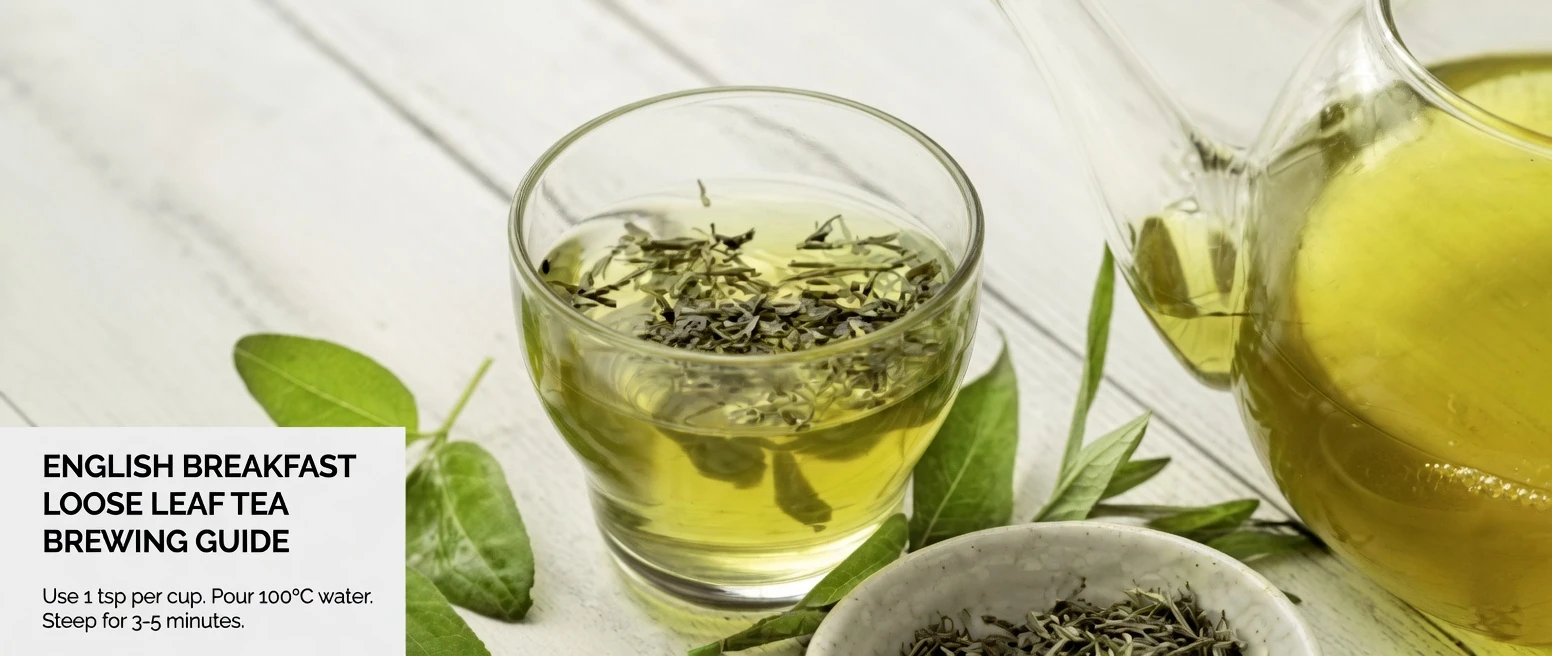
- Steep 1–2 teaspoons loose green tea (or 1 tea bag) in hot water for 3–5 minutes.
- Drink plain or add a small squeeze of lemon.
For green tea benefits, routine intake tends to matter more than occasional use.
5. Tart Cherry Juice or Pineapple Juice
Two well-known juice options often discussed for joint wellness include:
- Tart cherry juice, which provides anthocyanins—antioxidants studied for their ability to support recovery, reduce oxidative stress, and potentially help with uric-acid-related concerns. Some research suggests it may help reduce the frequency or intensity of gout-related flares and support general joint comfort.
- Pineapple juice, which contains bromelain, an enzyme investigated for helping reduce mild swelling and supporting recovery. Some trials involving knee discomfort and post-activity soreness suggest possible benefits.
Simple ways to use
- Drink 8 oz of unsweetened tart cherry juice daily.
- Juice fresh pineapple or blend it into a smoothie (adding ginger is a common pairing).
Reviews of studies often note improvements in inflammatory markers and symptom patterns with consistent use.
Bonus Option: Warm Honey and Cinnamon Drink
Cinnamon contains multiple bioactive compounds, and when combined with honey’s soothing properties, it has been explored in small studies focused on inflammatory markers and symptom relief—particularly in rheumatoid arthritis contexts. While the evidence base is modest, results from limited trials have been encouraging.
Simple recipe
- Stir 1–2 teaspoons cinnamon powder and 1–2 teaspoons honey into hot water.
- Mix well and drink warm.
One study reported meaningful improvements in disease activity measures with cinnamon intake.
How to Get More Benefit from These Drinks
- Make it consistent: Choose one drink and use it daily for a few weeks rather than rotating constantly.
- Combine with gentle movement: Walking, mobility work, and stretching can support joint function and comfort.
- Improve absorption when relevant: For turmeric, include black pepper (and optionally a small amount of healthy fat, as used in “golden milk”).
- Start gradually: Trial one option for one week, noting digestion, energy, and comfort changes.
Small daily habits often create the most sustainable results.
Wrap-Up: A Simple Daily Ritual for Joint Wellness
Adding antioxidant- and polyphenol-rich beverages to your routine is an approachable way to support joint comfort and overall wellness. While individual outcomes can vary, the research behind ingredients like curcumin, gingerols, EGCG, anthocyanins, and bromelain makes these drinks compelling tools to include alongside a balanced diet, good sleep, regular movement, and appropriate medical guidance.
Frequently Asked Questions
How much should I drink each day?
Common study patterns include 1–2 cups of tea daily or around 8 oz of juice per day. Start with a smaller amount first, then prioritize consistency over time.
Are there side effects or interactions?
These drinks are typically safe in normal food amounts, but consider the following:
- Turmeric and ginger may interact with blood thinners and can cause stomach upset in higher amounts.
- Pineapple (bromelain) may be an issue for people with pineapple allergies or sensitivities.
If you take medication or have a health condition, check with a clinician.
Can these drinks replace medications for joint problems?
No. These beverages may support general wellness and comfort, but they do not diagnose, treat, or cure joint conditions. Work with a qualified healthcare professional for personalized care.
Disclaimer
This article is for informational purposes only and does not provide medical advice. These drinks may support general health, but they are not a substitute for professional diagnosis or treatment. Consult your healthcare provider before making changes to your routine, especially if you have medical conditions or take medications. Results vary by individual, and research is ongoing.