Why You May Need to Poop Right After Eating (And When It’s Normal)
Feeling an immediate need to use the bathroom soon after a meal can be awkward and stressful. It may leave you wondering whether something is “wrong,” whether the food didn’t agree with you, or whether your digestion is out of balance. The good news is that this reaction is often common—and in many cases, completely harmless. Once you understand what’s happening inside your digestive system, the urgency usually feels far less alarming and much more manageable.
The Gastrocolic Reflex, Explained Simply
In many people, the urge to poop after eating is caused by a normal biological response known as the gastrocolic reflex.
Here’s how it works:
- When food enters your stomach, the stomach expands.
- That stretching sends signals to your colon.
- Your colon responds by contracting to “make space” for what will eventually move through the intestines.
Those contractions can create a sudden urge to have a bowel movement.
A crucial detail: the stool you pass right after eating is not the meal you just ate. It’s waste that was already in your colon. Eating simply triggered intestinal movement.
Digestive physiology research shows that this reflex varies by person. It’s often more noticeable in children, but many adults experience it too—sometimes strongly.
Why the Urge Hits Some People Harder Than Others
Not everyone feels intense urgency after meals. If you do, the gastrocolic reflex may be more sensitive due to a few common factors.
1. Larger meals
A bigger meal expands the stomach more, which can intensify the signal sent to the colon.
2. High-fat foods
Fat takes longer to digest and can stimulate hormones that increase gut motility (movement), making bowel contractions more likely.
3. Caffeine (especially coffee)
Coffee is a frequent trigger because it can stimulate both the stomach and colon, increasing the chances of a bowel movement soon after drinking it.
4. Emotional stress
Your gut and brain communicate constantly. Stress can amplify normal digestive reflexes, turning a mild urge into an urgent one.
Another overlooked factor: habit and routine. If your body learns that breakfast is followed by a bathroom visit, that timing can become almost automatic over time.

When Pooping After Eating Is Still “Normal”
A bowel movement after meals does not automatically mean there’s a problem.
Healthy bowel frequency varies widely. Some people go multiple times per day, while others go a few times per week—both can fall within the normal range.
It’s generally considered within a healthy pattern if:
- Stool is formed and not consistently watery
- There’s no ongoing or worsening abdominal pain
- There’s no unexplained weight loss
- You typically feel relief after going
That said, if the urgency becomes frequent, disruptive, or uncomfortable, it’s worth exploring additional causes.
Health Conditions That Can Increase Post-Meal Urgency
Sometimes, a strong gastrocolic reflex is paired with a more sensitive digestive system.
Irritable Bowel Syndrome (IBS)
People with IBS often experience stronger colon contractions after eating, which can lead to cramping, urgency, and loose stools.
Food sensitivities and intolerances
Certain foods can trigger symptoms beyond a normal reflex, such as:
- Lactose intolerance (dairy)
- Difficulty digesting certain carbohydrates (often discussed in relation to FODMAPs)
- Sensitivity to spicy, very rich, or highly processed foods
In these situations, eating may irritate the gut or change how quickly contents move through the intestines.
The key distinction: occasional urgency is different from persistent, life-disrupting symptoms. If it’s consistent, worsening, or combined with other changes, a healthcare professional can help assess the cause.
The Gut–Brain Connection: Why Stress Changes Your Bowel Habits
Your digestive tract contains a massive network of nerves and constantly “talks” to your brain through the gut–brain axis.
When you feel anxious, rushed, or overwhelmed, your body can shift into a more reactive state. For some people, that reduces appetite. For others, it triggers bowel urgency.
Studies suggest emotional stress can increase intestinal contractions—meaning your mental state before and during meals can directly affect how quickly the urge hits.
If you notice you run to the bathroom more on hectic workdays than on relaxed weekends, that pattern may be explained by the gut–brain connection.
Common Foods That Trigger Bowel Movements After Meals
Everyone’s triggers differ, but certain foods and eating habits are well known for stimulating digestion quickly.
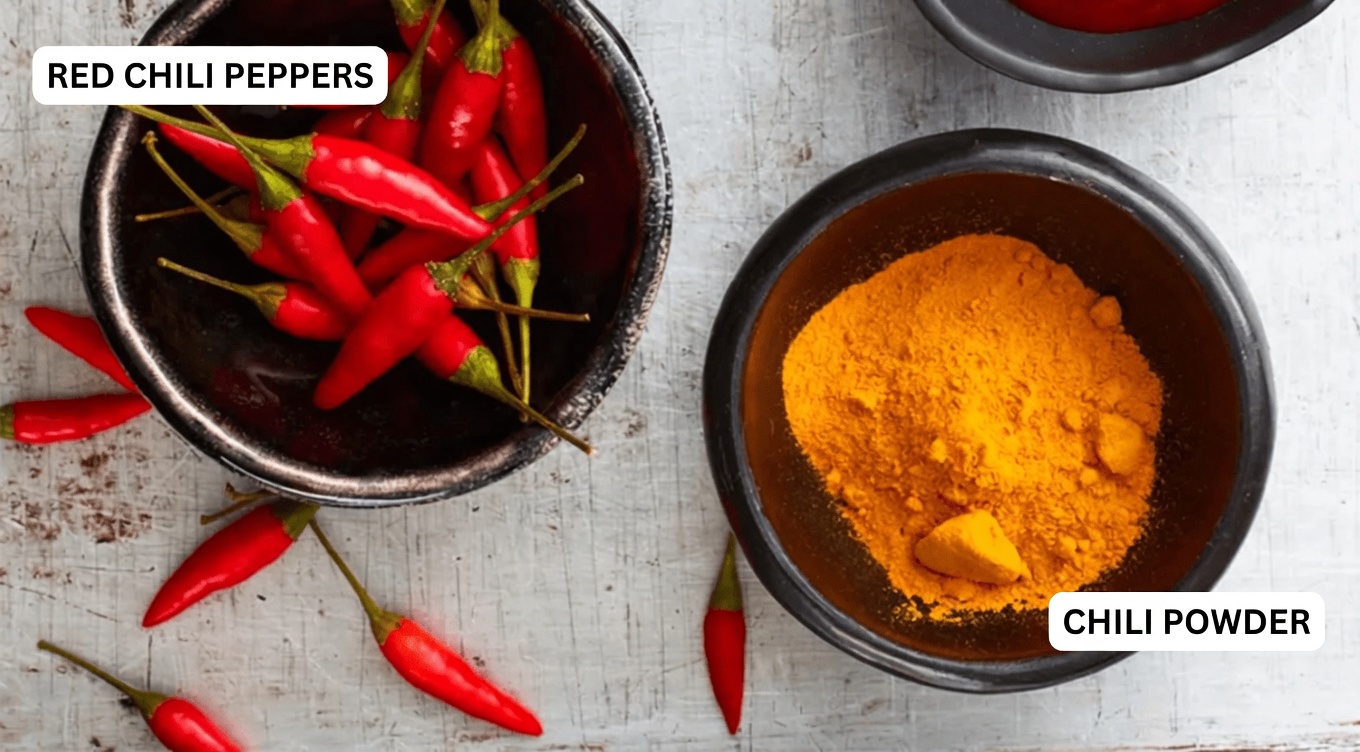
Common triggers include:
- Coffee and other caffeinated drinks
- High-fat meals
- Fried foods
- Spicy dishes
- Artificial sweeteners
- Large meals eaten quickly
Foods that often support steadier digestion include:
- Oats and other sources of soluble fiber
- Bananas
- Rice
- Lean proteins
- Yogurt with live cultures (if tolerated)
A simple food journal for 1–2 weeks can help you identify patterns, especially if the urgency is frequent.
Practical Steps to Reduce the Urge to Poop Right After Eating
If post-meal urgency is inconvenient or uncomfortable, these strategies often help.
-
Eat smaller portions
- Try smaller, balanced meals instead of a few large ones to reduce stomach stretching.
-
Slow down while eating
- Chew thoroughly and avoid rushing. Eating fast can increase digestive stimulation and swallowed air.
-
Adjust caffeine timing
- If coffee is a trigger, try having it after your first bathroom trip or reduce the amount.
-
Increase soluble fiber gradually
- Foods like oats and chia can improve stool consistency, but add them slowly to avoid gas or bloating.
-
Lower stress before meals
- One minute of slow breathing can calm the nervous system and reduce urgency for some people.
Many people find the biggest improvement by combining smaller meals with mindful eating over a few weeks.
When to Talk to a Healthcare Professional
Even though the gastrocolic reflex is normal, certain symptoms should be checked.
Consider medical advice if you have:
- Diarrhea that persists for several weeks
- Blood in stool
- Ongoing abdominal pain that doesn’t improve
- Unexplained fatigue, appetite changes, or weight loss
These signs don’t automatically indicate something serious, but they do warrant proper evaluation.
Normal vs. Concerning: A Simple Comparison
Normal post-meal urge
- Happens occasionally
- Stool is formed
- Relief after a bowel movement
- No additional symptoms
Potentially concerning pattern
- Frequent loose stools
- Pain that disrupts daily life
- Unexplained weight loss
- Symptoms continue for weeks
The Insight Many People Miss
For a lot of people, the issue isn’t that the colon is “misbehaving.” It’s that digestion becomes more reactive when meals are irregular, rushed, very large, or eaten under stress.
By improving meal timing, portion size, and stress levels, you often calm the reflex naturally. The goal isn’t to “fight” your body—it’s to work with it.
Your digestive system is responding the way it’s designed to respond. Understanding that alone can make the urgency feel far less frightening.
Frequently Asked Questions
Is it normal to poop right after every meal?
It can be normal for some people, especially if stools are formed, there’s no pain, and you feel relief afterward. However, if it happens after every meal and includes diarrhea, cramping, weight loss, or symptoms that persist for weeks, it’s a good idea to speak with a healthcare professional to rule out IBS, intolerance, or other digestive issues.