Persistent stomach discomfort can be draining—especially when you’re already trying to “do everything right.” You take the prescribed medication, avoid the obvious triggers, and still the burning or gnawing sensation keeps coming back. When relief takes longer than expected, it’s easy to feel confused or discouraged. In many cases, the missing piece is not a single “bad” food, but everyday choices that quietly irritate the stomach lining and slow recovery. By the end of this article, you’ll also learn one surprisingly important habit that often matters more than people realize.
What’s Really Happening Inside Your Stomach
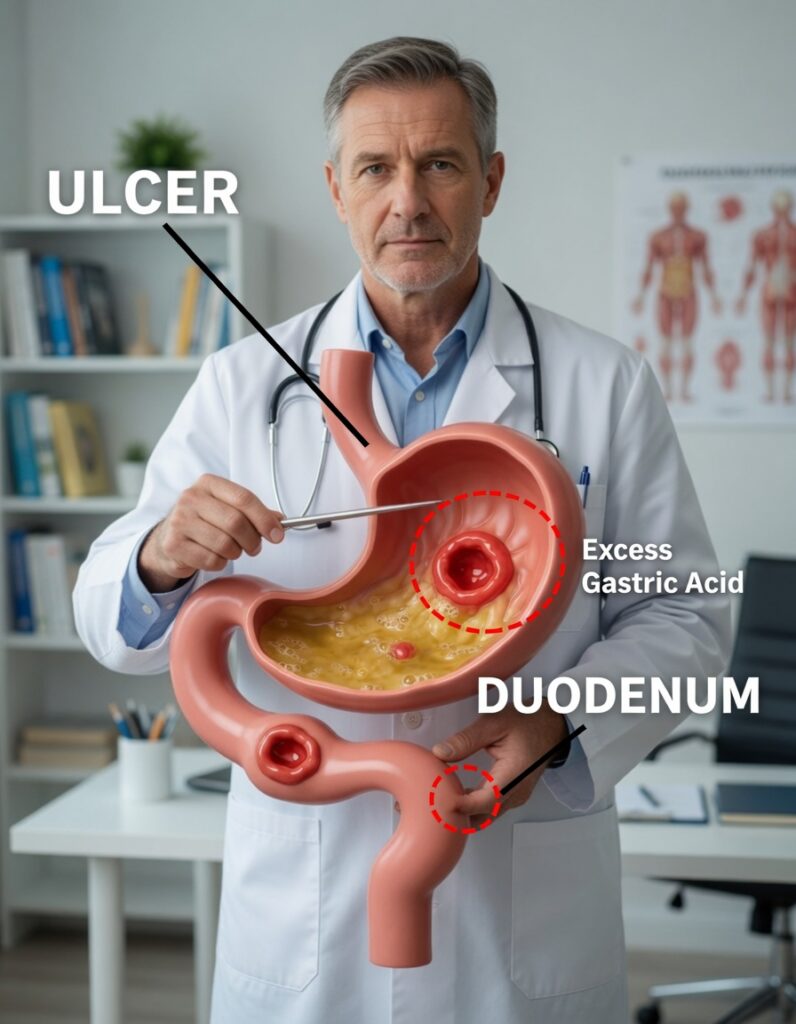
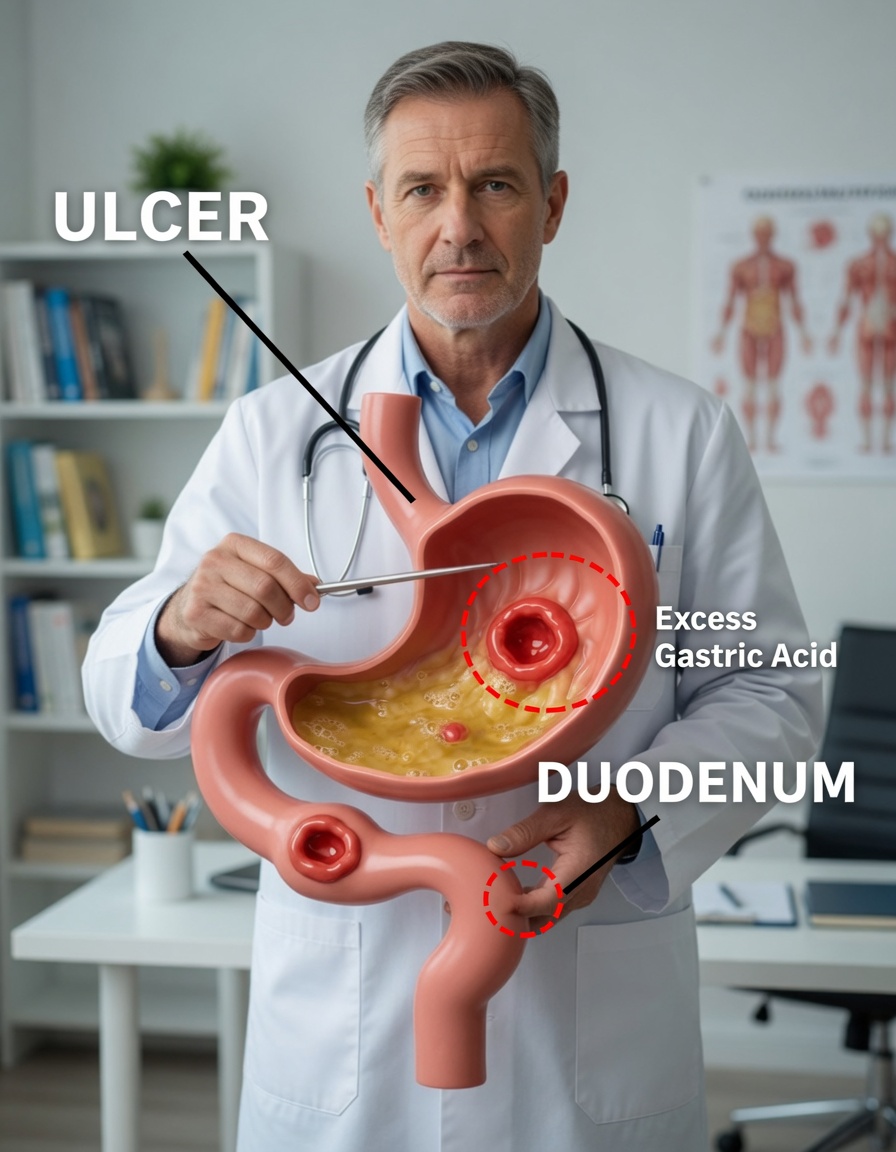
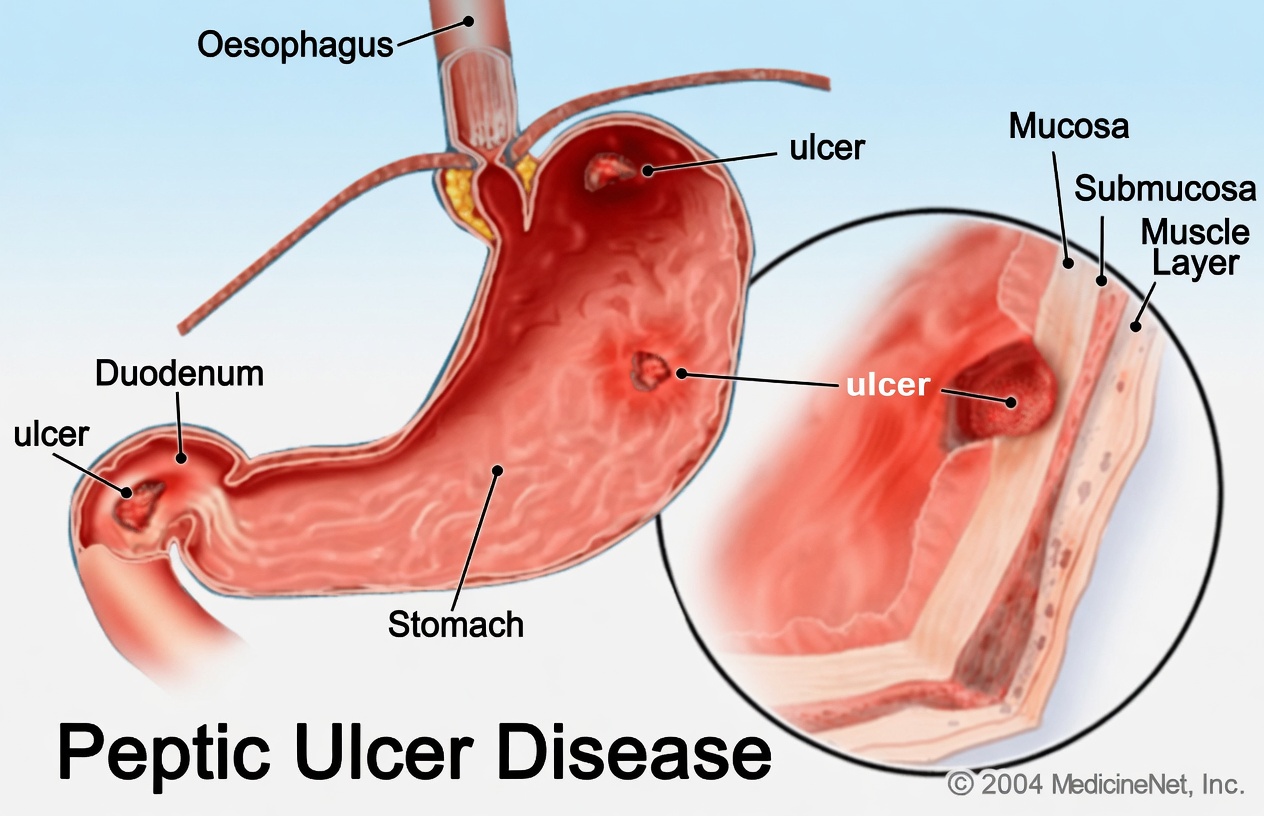
A stomach ulcer is an open sore that develops in the lining of the stomach or in the first part of the small intestine, known as the duodenum. Under normal conditions, this lining acts like a protective shield against strong digestive acids.
When that barrier becomes weakened, stomach acid can inflame the tissue and eventually create a sore.
Here’s the main takeaway:
- Medication can lower acid and support healing.
- Daily habits—especially diet— strongly affect whether the stomach becomes calmer or more irritated.
Research in gastroenterology literature commonly notes an important distinction: food doesn’t cause most ulcers directly, but certain dietary patterns can worsen irritation and delay healing. That difference matters if you’re trying to recover.
Foods That Can Make Ulcer Symptoms Harder to Manage
Everyone’s tolerance is different, but many people with ulcers notice increased discomfort after certain foods. Below are common offenders.
1. Spicy Foods
Hot peppers, spicy sauces, and heavily seasoned dishes can increase irritation and may stimulate more acid in sensitive individuals.
This doesn’t mean spices are “bad” for everyone. But when your stomach lining is already inflamed, intense heat can amplify burning sensations. If symptoms consistently flare after spicy meals, treat that as useful feedback from your body.
2. Fried and High-Fat Foods
Greasy, high-fat meals tend to slow stomach emptying. When food stays in the stomach longer, acid has more time in contact with the lining—often increasing discomfort.
Common examples include:
- Deep-fried snacks
- Fatty cuts of meat
- Fast food meals
- Heavy cream-based dishes
You don’t necessarily need a zero-fat diet. Many people tolerate moderate amounts of gentler fats (like olive oil or avocado) better than fried or heavily processed fats.
3. Caffeine and Coffee
Coffee—even decaf—can still stimulate acid secretion for some people. Strong tea and energy drinks can have a similar effect.
If your symptoms get worse after caffeine, consider:
- Reducing the amount
- Switching to a milder option
- Testing caffeine-free alternatives for a week or two
4. Alcohol
Alcohol can weaken the stomach’s protective lining and may also raise acid production. While some people tolerate occasional moderate use, frequent or heavy drinking is often linked with more irritation and slower healing.
During active symptoms, clinicians commonly recommend limiting alcohol to support recovery.
5. Carbonated Drinks
Soda and sparkling beverages can increase gas, pressure, and bloating—sensations that may feel worse when the stomach lining is already sensitive. Sugary soft drinks also offer little nutritional benefit, making them a poor recovery-time choice.
It’s Not Only What You Eat: Eating Patterns That Can Worsen Symptoms
Many people focus entirely on ingredients, but timing and portion size can be just as influential.
Large, Heavy Meals
Overeating stretches the stomach and often triggers higher acid production. Many people feel better with smaller meals more often, rather than a few large ones.
Eating Late at Night
Going to bed soon after a meal can increase the chance of acid moving upward and irritating sensitive tissue. A practical guideline is to finish eating 2–3 hours before bedtime.
Skipping Meals
An empty stomach doesn’t mean the stomach stops producing acid. When there’s no food to buffer it, acid may irritate the lining more easily. Consistent, balanced meals often create a steadier environment for healing.
Quick Guide: Irritating vs. Gentler Choices
| More Likely to Irritate | Often Easier on the Stomach |
|---|---|
| Fried foods | Grilled or baked foods |
| Very spicy meals | Mild seasoning |
| Alcohol | Water or herbal tea |
| Carbonated drinks | Still water |
| Large heavy portions | Smaller, balanced meals |
This isn’t a strict rulebook—your personal tolerance is the real guide.
What Research Says About Diet and Ulcers
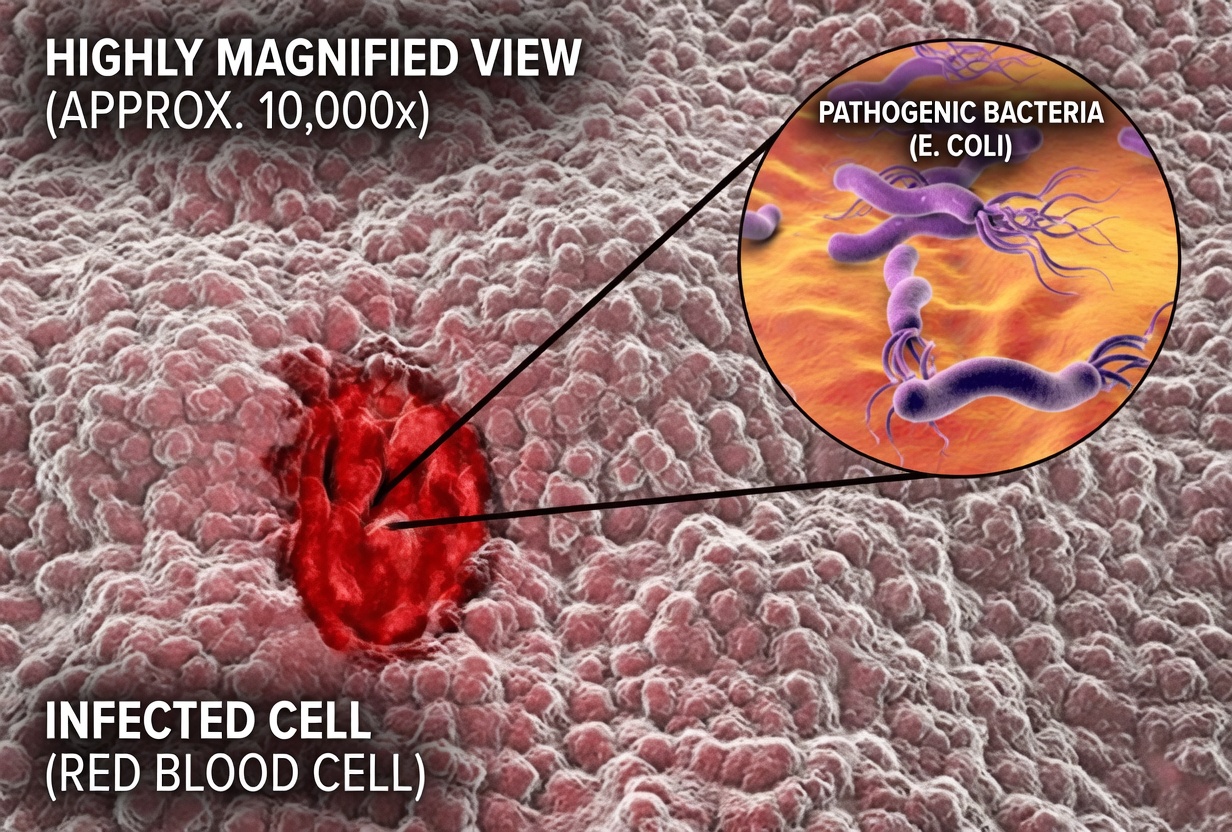
Medical research indicates that most ulcers are linked to factors such as:
- H. pylori bacterial infection
- Regular use of certain medications (especially NSAIDs)
Even so, diet often influences symptom severity and day-to-day comfort. Some findings frequently highlighted in nutrition and digestive health studies include:
- Higher-fiber diets may support digestive function
- Probiotic foods (like yogurt) may help maintain gut balance
- Fruits and vegetables rich in antioxidants can support tissue health overall
Food is not a replacement for medical treatment—but it shapes the environment in which healing happens. And that environment affects how you feel.
Practical Steps You Can Start Today
Step 1: Track Food and Symptoms
For 1–2 weeks, write down:
- What you ate
- When you ate
- Any discomfort afterward
Patterns often appear faster than expected.
Step 2: Remove Triggers One at a Time
Instead of cutting everything at once, eliminate one suspected trigger for several days and monitor the result. This is more realistic—and easier to sustain.
Step 3: Switch to Smaller Portions
Try 5–6 smaller meals rather than 2–3 large ones. Smaller portions can reduce pressure on the stomach and limit acid spikes.
Step 4: Use Gentler Cooking Methods
Better tolerated options often include:
- Steaming
- Baking
- Boiling
- Grilling
These usually produce lighter meals than frying.
Step 5: Hydrate Strategically
Sip water throughout the day instead of drinking very large amounts during meals. Also, reduce carbonated drinks if bloating or pressure is an issue.
Step 6: Don’t Ignore Stress
Stress doesn’t typically create ulcers on its own, but it can increase acid production and intensify symptoms. Simple habits such as deep breathing, short walks, or brief relaxation breaks can noticeably improve digestive comfort for some people.
The Most Overlooked Habit: Consistency
It’s not always the spicy dinner or the morning coffee.
Often, the real issue is inconsistency—cycling between careful eating and heavy indulgence. That back-and-forth can repeatedly irritate a healing stomach lining, even when you’re taking medication.
In many cases, small, steady daily choices support healing better than occasional bursts of strict dieting.
When to Seek Medical Help
Contact a healthcare professional promptly if you have:
- Persistent or worsening abdominal pain
- Unexplained weight loss
- Vomiting
- Black stools or blood in stools
Diet can support recovery, but it’s only one part of proper ulcer care.
Conclusion
Stomach ulcers usually don’t improve with medication alone. Food choices and eating habits strongly influence comfort and how well the stomach lining can recover. By identifying your personal triggers, adjusting portion sizes, choosing gentler cooking methods, and staying consistent day to day, you create conditions that are much more supportive for healing. Small changes repeated daily often lead to noticeable improvement over time.
Frequently Asked Questions
1. Can certain foods directly cause stomach ulcers?
Most ulcers are caused by H. pylori infection or certain medications. However, specific foods and eating patterns can irritate the stomach lining and make symptoms worse.
2. Is milk helpful for soothing an ulcer?
Milk may briefly coat the stomach, but it can also lead to increased acid production later. Moderation—and your personal tolerance—matters.
3. How long does it take for a stomach ulcer to improve?
Healing time varies depending on the cause, your overall health, and daily habits. Following medical advice and maintaining supportive routines can help create better conditions for recovery.
Disclaimer: This article is for informational purposes only and does not replace professional medical advice, diagnosis, or treatment.