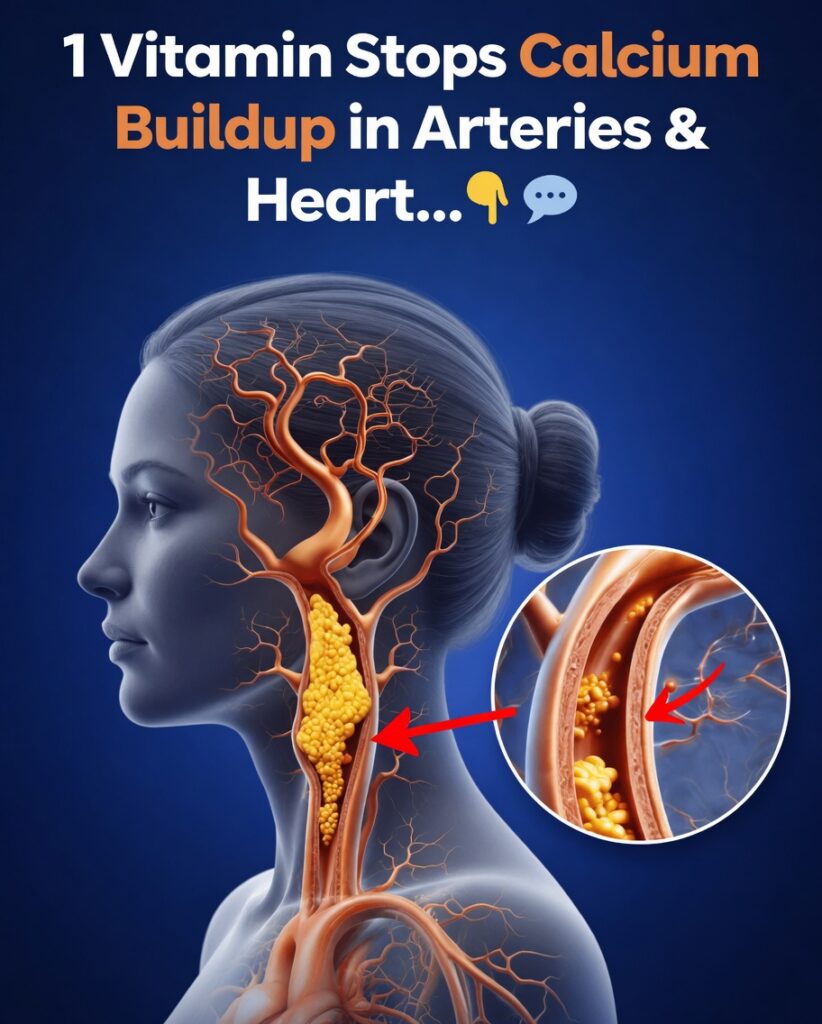
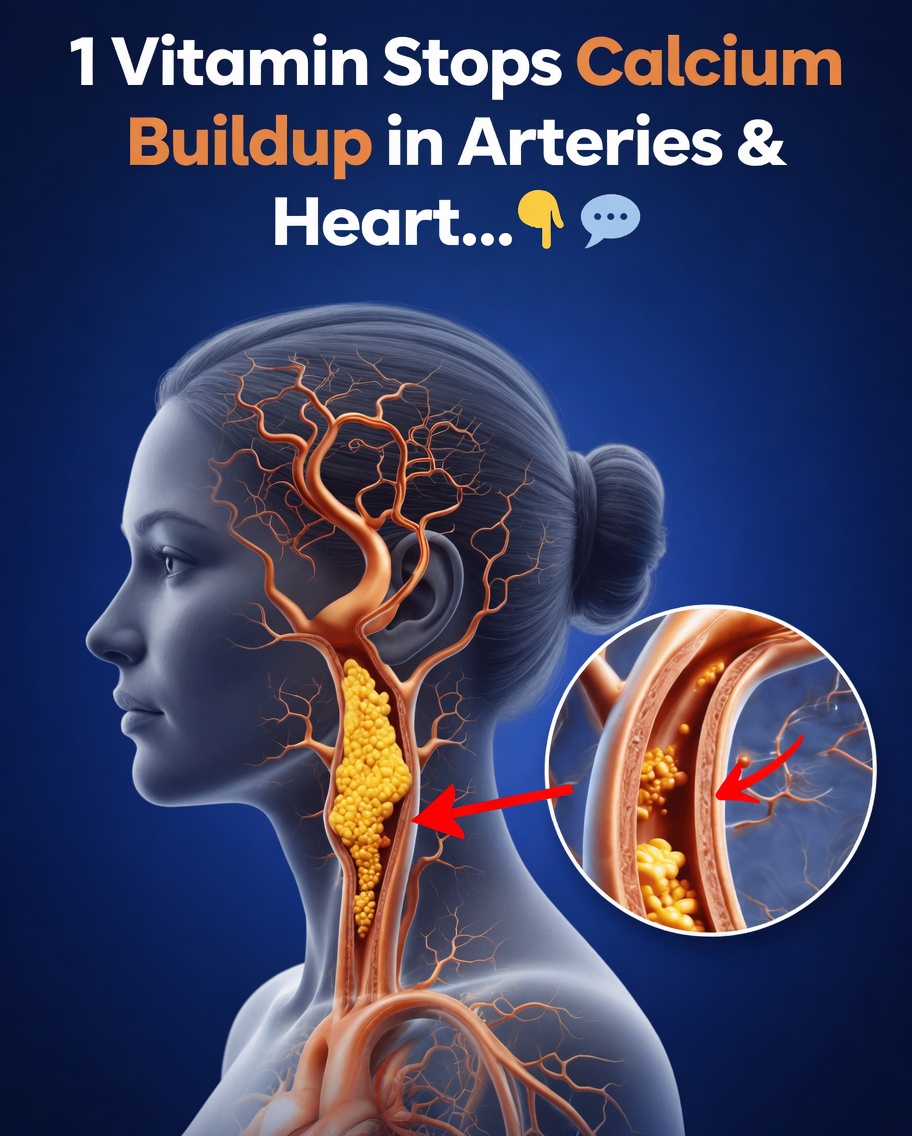
Vitamin K2 plays an important role in helping the body use calcium wisely—especially for cardiovascular health. Many people prioritize calcium for stronger bones, but without the right nutritional “guidance,” calcium may accumulate in places it doesn’t belong, including the arteries. Because this concern tends to increase with age, scientists have taken a closer look at nutrients that support normal calcium distribution. A growing body of research suggests vitamin K2 helps direct calcium toward bones while supporting arterial health.
Emerging evidence is particularly interested in vitamin K2 (not just vitamin K in general) for maintaining normal calcium balance in soft tissues such as blood vessels. Below, you’ll learn how vitamin K2 works, which foods provide the most, how it connects with vitamin D, and practical ways to increase your intake naturally—ending with an easy daily habit you can start right away.
What Is Vitamin K2—and Why Is It Relevant to Heart Health?
Vitamin K exists primarily in two forms:
- Vitamin K1 (phylloquinone): Found mainly in leafy greens (like spinach) and best known for supporting normal blood clotting.
- Vitamin K2 (menaquinones): Found mostly in animal foods and fermented foods, and valued for its role in activating proteins involved in calcium regulation.
What makes vitamin K2 stand out is its ability to activate vitamin K–dependent proteins such as matrix Gla protein (MGP). MGP is associated with helping the body manage calcium in soft tissues, including the arteries.
Narrative reviews and meta-analyses of randomized trials suggest that adequate vitamin K2 intake is linked with better support for arterial flexibility and may be associated with a slower pace of normal, age-related vascular calcification changes. Observational research also connects higher K2 status and intake with more favorable cardiovascular markers.
Even more importantly, vitamin K2 isn’t only about “avoiding problems”—it’s about guiding calcium to the tissues that need it most.
How Vitamin K2 Helps the Body Put Calcium in the Right Places
Calcium is essential for bone strength, but imbalances over time may contribute to calcium buildup in artery walls, which can affect blood flow. Vitamin K2 supports healthy calcium metabolism by activating MGP, a protein that can bind calcium and help keep it from accumulating where it shouldn’t.
Large observational studies have found that higher dietary vitamin K2 intake (more than K1) is associated with a lower risk of certain cardiovascular concerns. Clinical trials have produced mixed findings when it comes to slowing already-established calcification, but overall research increasingly supports vitamin K2 as a helpful nutrient for maintaining normal calcium handling—particularly as part of a broader nutrition strategy.
A key takeaway: vitamin K2 tends to be most effective when the body also has enough vitamin D.
The Vitamin K2 and Vitamin D Connection (Why They Work Better Together)
Vitamin D (especially D3) increases calcium absorption from the diet into the bloodstream. This is beneficial for bones—but it also means the body must manage that calcium efficiently.
Reviews describing nutrient synergy often highlight this relationship:
- Vitamin D helps the body produce more vitamin K–dependent proteins involved in calcium management.
- Vitamin K2 helps activate those proteins, supporting calcium direction toward bones and teeth while helping maintain soft tissue health.
In other words, vitamin D can “increase the supply,” while vitamin K2 helps ensure calcium is “properly allocated.” Many people also have low vitamin D due to limited sun exposure, which makes balancing both nutrients even more relevant.
While supplements exist, food-first nutrition remains the preferred foundation for most people.
Best Food Sources of Vitamin K2 (Food-First Options)
If you want to increase vitamin K2 naturally, focus on fermented foods and nutrient-dense animal foods, which typically provide the highest amounts.
Top vitamin K2 foods include:
- Natto (fermented soybeans): The most concentrated natural source, especially rich in MK-7.
- Aged cheeses (Gouda, Brie, Edam, Jarlsberg): Notable sources of K2 (often MK-8 and MK-9) and also provide protein and calcium.
- Beef or chicken liver: A nutrient-dense choice that also supplies iron and other vitamins.
- Egg yolks (especially pasture-raised): A simple daily option with bioavailable nutrients, including K2.
- Grass-fed butter and dark meat poultry (such as chicken legs or goose): Flavorful ways to add more K2 through meals.
- Fermented vegetables (such as sauerkraut): Usually lower in K2 than natto or cheese, but can contribute regularly and support gut-friendly eating patterns.
Approximate vitamin K2 content (per 100g) is often summarized as:
- Natto: 1,000+ mcg (by far the highest)
- Hard cheeses (e.g., Gouda): ~50–80 mcg
- Beef liver: ~10–20 mcg
- Egg yolks: varies, typically more consistent with pasture-raised sources
- Sauerkraut: lower, but a useful add-on with additional benefits
Eating these foods routinely can help support vitamin K2 intake without depending on supplements.

Practical Ways to Increase Vitamin K2 Intake (Starting Today)
Sustainable changes work best when they’re easy to repeat. Try these simple, realistic strategies:
- Include one K2-rich food daily
- Example: add an egg yolk at breakfast or enjoy a small serving of aged cheese.
- Make fermented foods a regular habit
- Add sauerkraut to sandwiches or bowls; try natto if you’re open to new flavors (it can be an acquired taste).
- Pair your K2 foods with vitamin D support
- Aim for 15–20 minutes of midday sunlight a few times per week when appropriate, and include vitamin D foods like fatty fish or fortified products.
- Prioritize quality when possible
- Choose grass-fed or pasture-raised animal products to support higher nutrient density.
- Stay consistent and observe changes
- Nutritional improvements typically show over weeks. Many people notice better overall well-being when foundational nutrients are balanced.
A simple daily habit to try
Add one K2-focused item to a meal you already eat every day—such as egg yolks at breakfast or a portion of aged cheese—and keep it consistent for a few weeks.
Summary: Why Vitamin K2 Deserves More Attention
- Vitamin K2 supports normal calcium metabolism, helping guide calcium toward bones rather than soft tissues like arteries.
- Key sources include natto, aged cheeses, liver, egg yolks, and grass-fed dairy.
- Vitamin K2 and vitamin D work synergistically for balanced calcium use—aim to get both through food and sensible sun exposure first.
- Whole foods are the preferred approach; supplements (such as MK-7) may be considered with professional guidance.
Choosing vitamin K2-rich foods is a practical step toward supporting long-term cardiovascular and bone wellness.
FAQ
What’s the difference between vitamin K1 and vitamin K2?
Vitamin K1 (mostly from leafy greens) primarily supports normal blood clotting. Vitamin K2 (mostly from fermented and animal foods) is more closely associated with calcium regulation in bones and arteries.
Can you get enough vitamin K2 on a plant-based diet?
It can be challenging. Natto and some fermented plant foods can help, but many of the most concentrated sources (like aged cheese and liver) are animal-based. Plant-based eaters often rely more heavily on fermented soy foods.
Is it safe to eat more vitamin K2 foods if you take blood thinners?
Vitamin K can affect clotting. If you take medications such as warfarin, speak with your clinician first. In many cases, consistent intake is more important than completely avoiding vitamin K.
Disclaimer
This article is for informational purposes only and does not provide medical advice. Consult a qualified healthcare professional before changing your diet, especially if you have medical conditions or take medications. Individual needs vary, and no food or nutrient can guarantee specific outcomes.