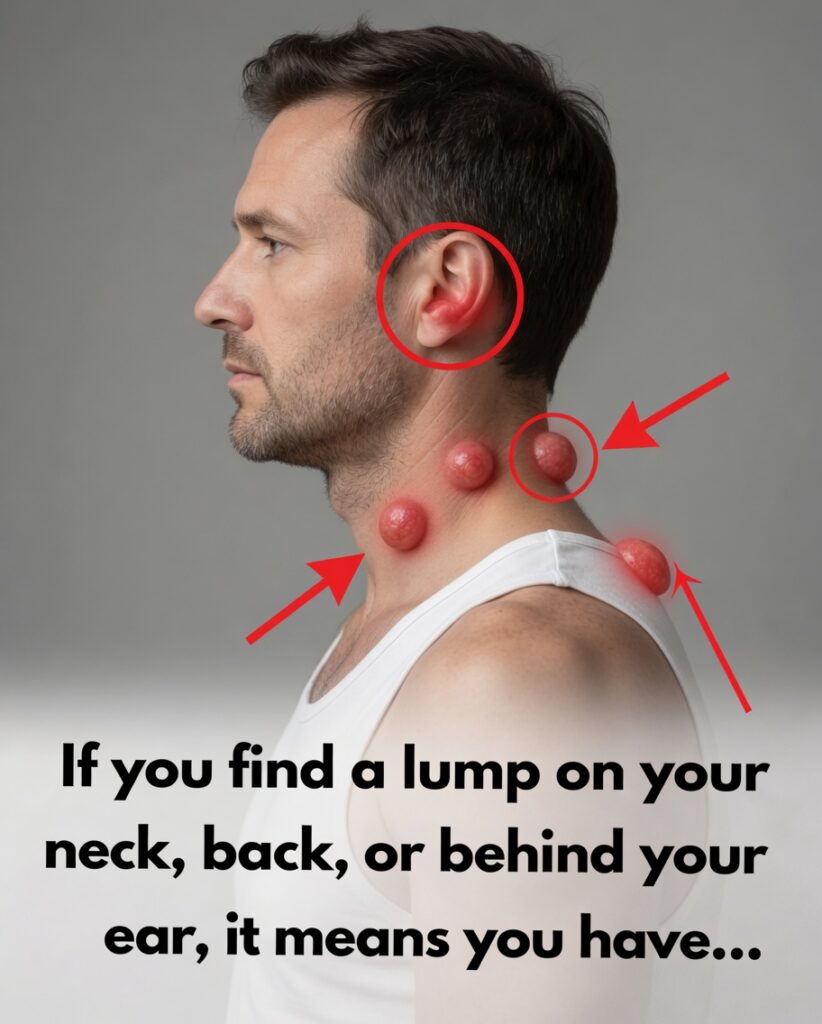
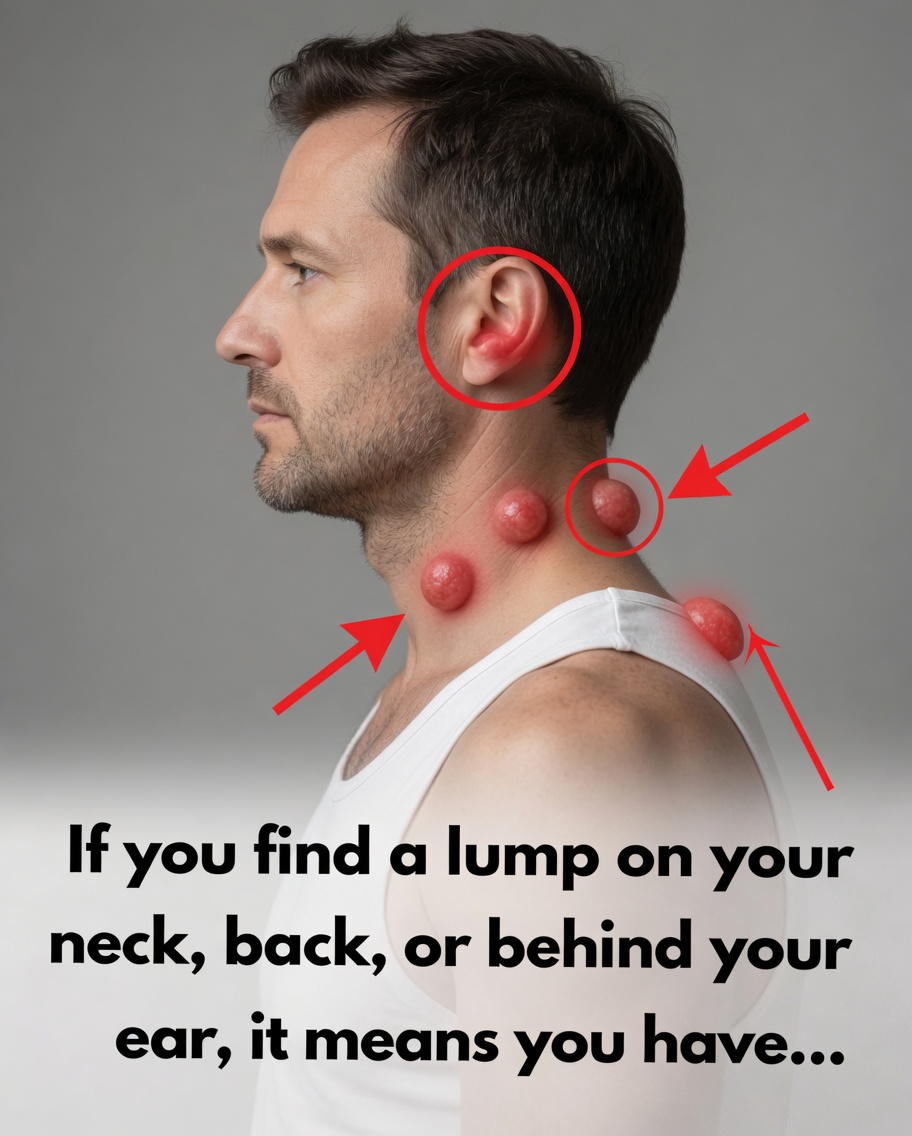
Discovering a new lump beneath your skin can instantly spark worry—especially when it’s small, unfamiliar, and hard to ignore. Even a barely visible swelling on a wrist or a tender spot near the neck can create constant mental noise: What is it? Is it serious? Will it get worse? Often, the uncertainty feels more draining than the bump itself.
The reassuring reality is that most lumps and bumps are linked to minor, treatable body changes. Learning what may be happening under the surface is one of the fastest ways to reduce anxiety and make smarter next steps.
Many people assume every growth is an emergency, but in many cases the explanation is far less dramatic than the mind imagines. Below, you’ll learn the key differences between common cysts and tumors, what can trigger them, and the everyday habits that support healthier skin. Stay to the end for a simple tracking method many people skip—yet it’s often the most useful tool for noticing meaningful changes.
The Fundamentals: What Could This Lump Be?
Most abnormal growths under the skin fall into two broad categories: cysts and tumors. Knowing the basic definition of each helps you interpret what you’re feeling.
What is a cyst?
A cyst is a closed, sac-like pocket made of tissue that holds something inside—such as fluid, air, sebum (oil), or other material. Imagine a small internal pouch, similar to a tiny water balloon. Cysts are almost always non-cancerous and often form due to simple causes like blocked pores, trapped oil, or minor infection.
What is a tumor?
A tumor is a solid mass of tissue that develops when cells multiply more than they should. Although the word can sound alarming, “tumor” is a broad term that includes:
- Benign growths (non-cancerous), such as lipomas (fatty lumps)
- Growths that require medical evaluation and treatment
Why Timing and Context Matter
Your body changes quickly, and the timeline of a lump can offer clues. A bump that shows up overnight may reflect an acute reaction (like an insect bite or localized inflammation). A growth that slowly appears over months often points to a different mechanism, such as gradual gland blockage or a benign tissue growth.
Cyst vs. Tumor: Signs That Help You Tell Them Apart
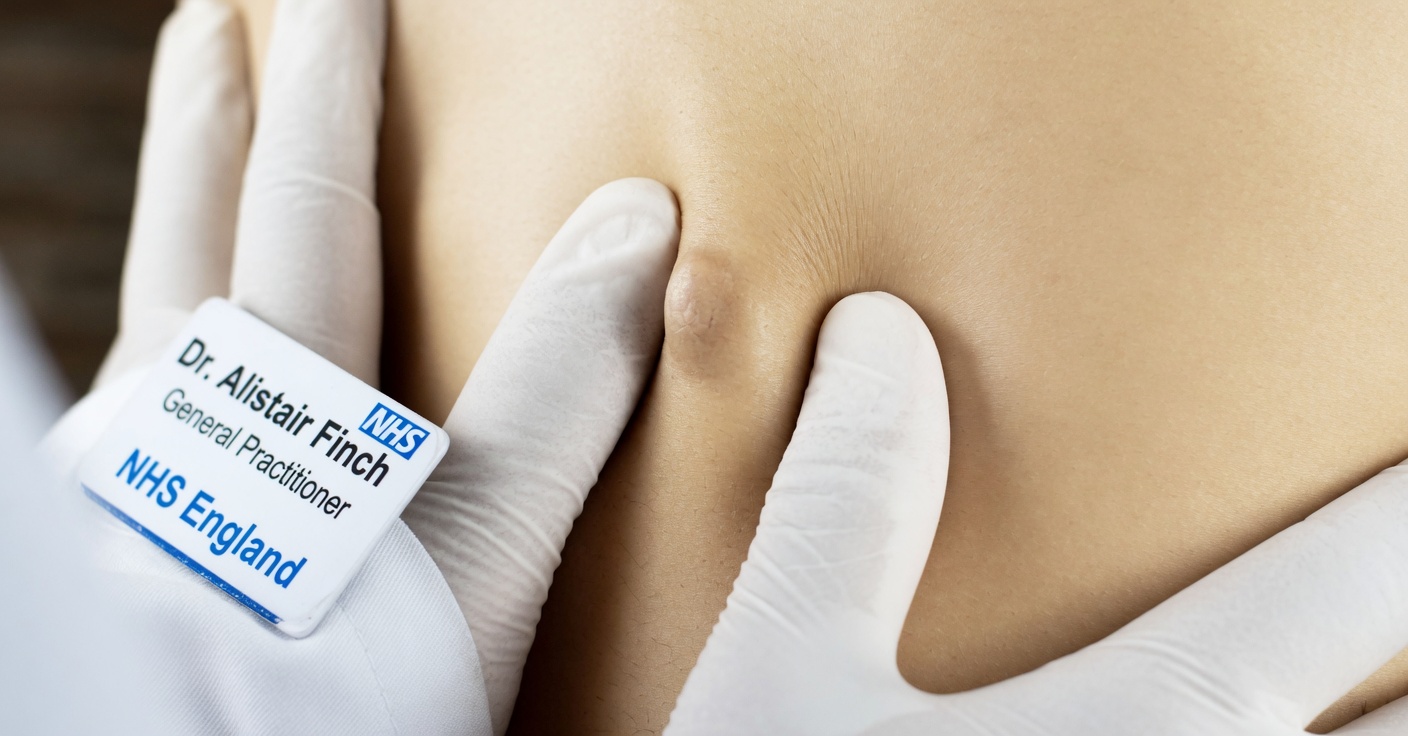
You can’t diagnose a lump by touch alone, but certain patterns are commonly associated with cysts versus tumors.
Typical features of a cyst
- Texture: Often soft, squishy, or “grape-like”
- Movement: Usually mobile, rolling slightly under gentle pressure
- Surface detail: Sometimes has a visible center point like a tiny pore or blackhead (common with sebaceous/epidermoid cysts)
- Growth pattern: Often stable for years or enlarges very slowly
Typical features of a tumor (or other solid mass)
- Texture: More likely firm, hard, or dense
- Movement: May feel fixed to deeper tissue and harder to shift around
- Growth pattern: Can increase steadily and rarely goes away on its own
- Sensation: Frequently painless, though discomfort can occur if it presses on nearby structures (like nerves)
Why Lumps Form: Common Causes and Triggers
Lumps under the skin don’t appear randomly—many are tied to predictable internal or environmental factors.
1) Hormonal changes
Hormones act like chemical signals throughout the body. When they fluctuate, glands and tissues can respond. For example:
- Ovarian cysts may form in connection with the menstrual cycle
- Hormonal shifts can also increase oil production, encouraging clogged glands and skin cysts
2) Blocked glands and trapped material
Your skin contains many sebaceous (oil) glands and sweat glands. If a gland gets blocked by dead skin cells or thickened oil, the contents can become trapped, forming a sebaceous/epidermoid cyst—commonly seen on the face, neck, back, and trunk.
3) Inflammation, infection, or injury
After trauma or persistent irritation, the immune system sometimes isolates the area by forming a protective “wall” or capsule. This can lead to:
- A localized cyst
- A small inflammatory nodule
4) Genetics and lifestyle pressures
Some people inherit a tendency toward certain benign lumps (like lipomas or recurring cysts). Lifestyle can intensify that tendency—especially:
- High stress
- Poor sleep
- Nutrient-poor diets
These factors can weaken the body’s ability to regulate inflammation and maintain normal skin function.
When to See a Medical Professional (Red Flags)
Many lumps are harmless, but certain warning signs make professional evaluation important. The most critical factor is often how quickly the lump changes.
Seek medical guidance if you notice:
- A lump that grows noticeably within weeks
- A mass that feels very hard (“stone-like”) and doesn’t move
- Infection signs: heat, strong redness, increasing pain, or pus
- Whole-body symptoms such as ongoing fever or unexplained weight loss
Clinicians may use non-invasive imaging like ultrasound or MRI to identify what’s inside and determine the safest next step—often without immediate surgery.
Home Care: What to Do (and What to Avoid)
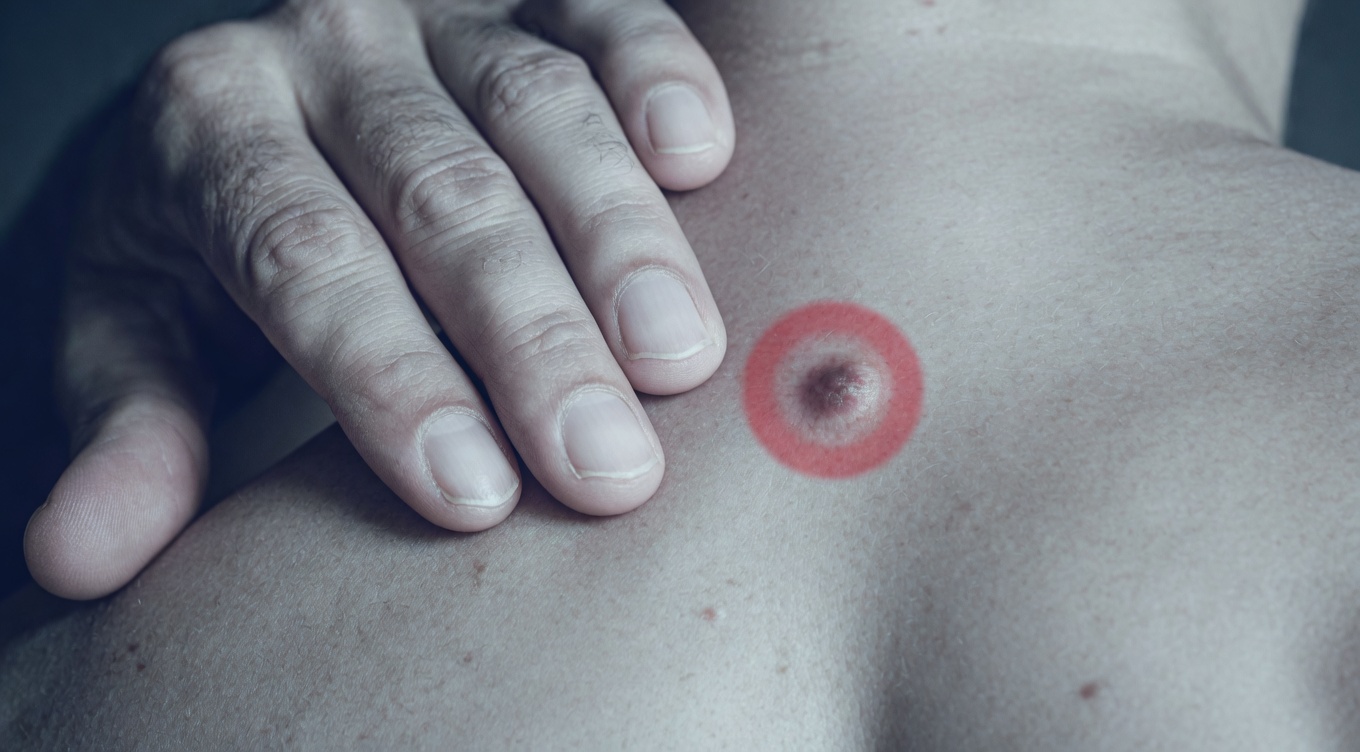
If the lump appears consistent with a small, soft cyst and isn’t severely painful, basic supportive care can help—while you continue monitoring.
Don’ts
- Don’t squeeze, pick, or “pop” it.
Trying to drain a cyst yourself can push bacteria deeper, rupture the sac internally, increase scarring, and raise the chance it returns.
Do’s
- Use warm compresses.
Apply a clean, warm cloth for 10–15 minutes, a few times daily. This may improve circulation, soften the contents, and support natural drainage. - Keep the area clean.
Use a mild, fragrance-free cleanser to reduce irritation and lower the risk of infection. - Track changes objectively.
Take a weekly photo (same lighting and angle) or keep a brief note log to spot true size or texture changes.
Supporting Skin Health from the Inside Out
Reducing the likelihood of inflammation-related lumps often comes down to building a healthier internal environment.
Nutrition and hydration
- Focus on antioxidant-rich foods such as leafy greens, berries, and nuts
- Drink enough water to support circulation and lymphatic waste removal, which can help reduce the chance of blockages
Stress regulation
Long-term stress elevates cortisol, which can disrupt hormones and worsen skin issues. Helpful stabilizers include:
- Consistent sleep routines
- Daily walking
- Simple breathing practices
Key Takeaways
Most new lumps are manageable, and many are benign. Your best approach is calm observation paired with gentle care.
- Identify patterns: Soft and mobile often suggests a cyst; hard and fixed should be checked.
- Avoid irritation: Never try to extract or drain it yourself.
- Support healing: Warm compresses, good hygiene, and a low-inflammation lifestyle can help.
Frequently Asked Questions (FAQ)
- Can a cyst become cancerous?
It’s extremely uncommon for a simple cyst to become malignant because cysts and cancers are fundamentally different structures. That said, any new, changing, or solid mass should be evaluated by a medical professional to ensure it’s correctly identified.