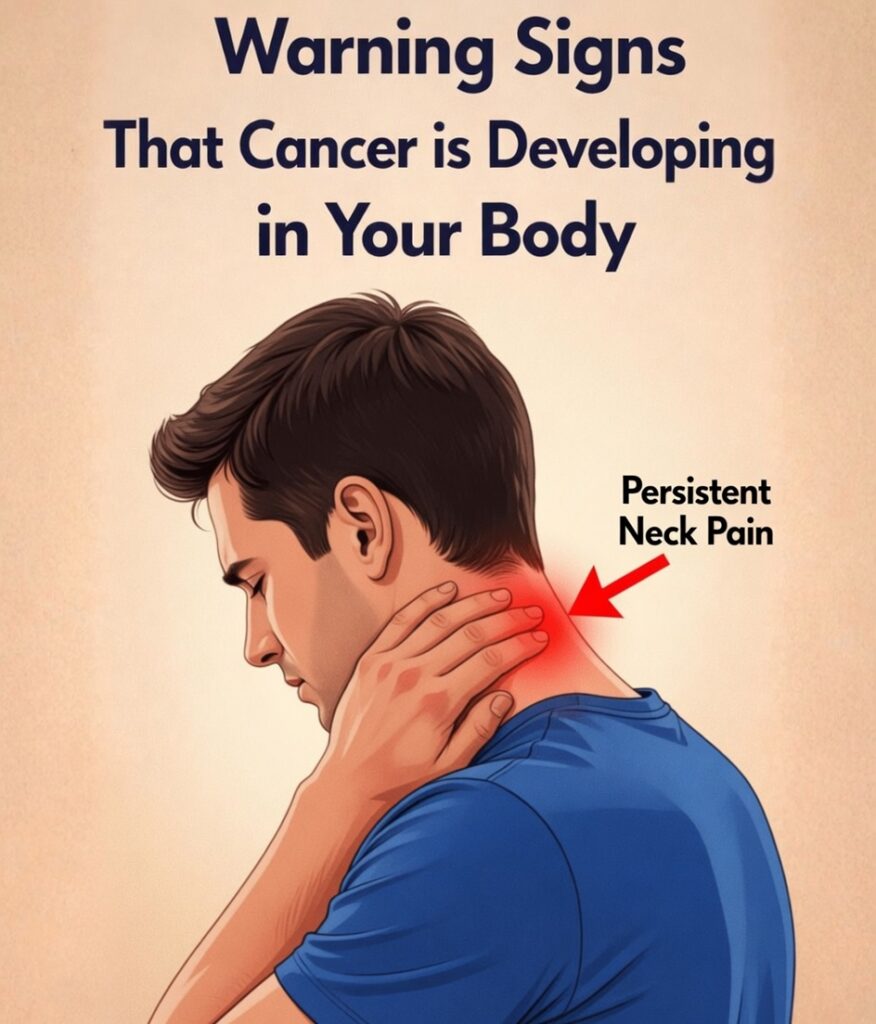
Your Body Speaks—Learn to Hear the Early Signals
The human body is an exceptionally complex system, constantly updating you on what’s happening inside through small physical changes, shifts in energy, and subtle discomforts. The problem is that many people are conditioned to tune these messages out—writing off ongoing symptoms as “just stress,” “a busy schedule,” or “normal aging.”
When early warning signs are ignored or temporarily covered up, you may lose the most valuable opportunity in healthcare: the stage where prevention and early action are most effective. Learning to notice changes isn’t about panic—it’s about building body awareness and health literacy so you can respond long before a minor signal becomes a major problem.
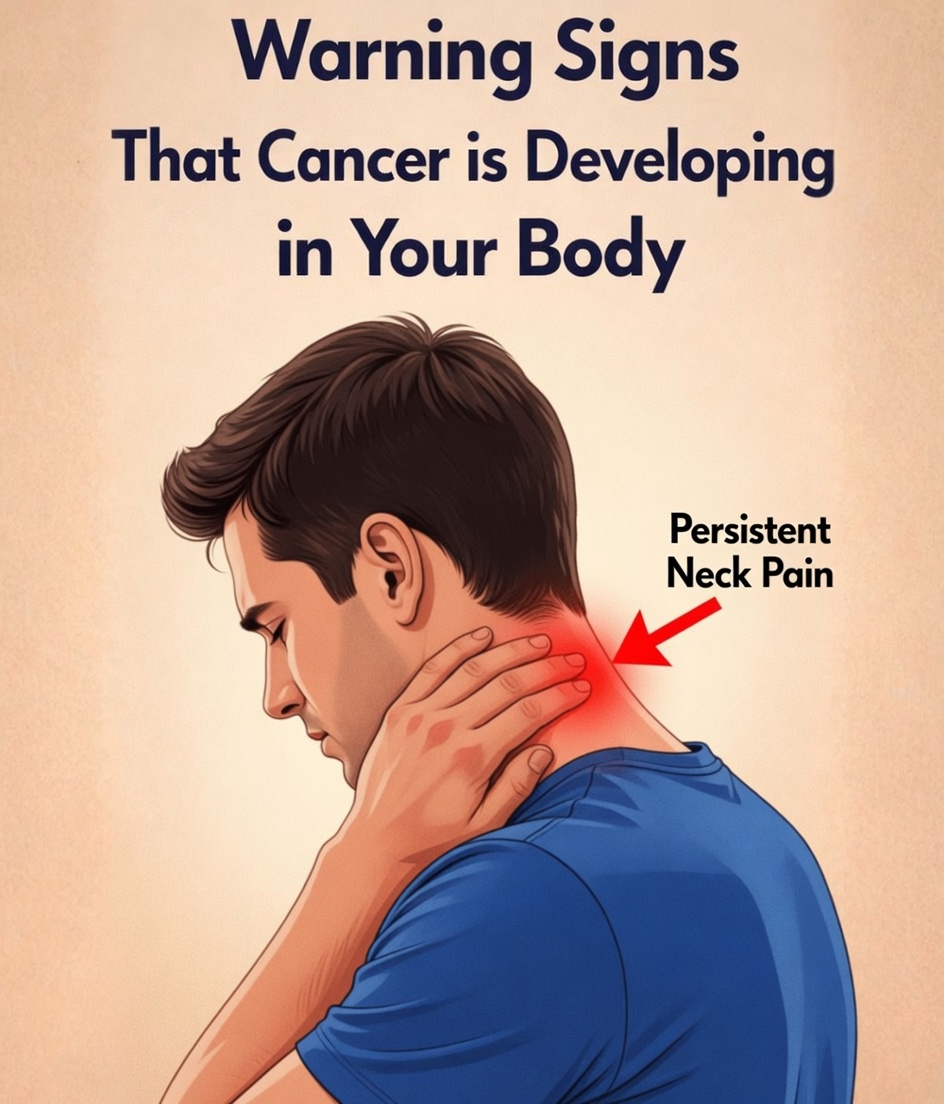
Understanding the “Language” of Health
For long-term wellness, the smallest shifts often carry the biggest meaning. Your body depends on balance, and when that balance is disrupted—by metabolic changes, inflammation, or cellular stress—symptoms eventually surface.
Modern life makes this harder. Many of us prioritize deadlines over our biology, assuming that if we’re not in severe pain, everything must be fine. Yet across clinical practice, one principle shows up again and again: early attention and early evaluation improve outcomes.
There’s also a pattern many people miss: warning signs often arrive quietly and consistently. Recognizing that pattern can help you protect your future health.
1. Unintentional Weight Loss: When You’re Dropping Pounds Without Trying
Losing weight without dieting or increasing activity can feel like a win—but medically, unexplained weight loss is a meaningful clinical clue. When the body is under internal strain, it may burn more energy to compensate. This is often seen when digestion or absorption is affected (including issues involving the stomach or pancreas), but other systemic conditions can also play a role.
Watch for:
- Losing 5% or more of your body weight over 6–12 months without trying
- Noticeable muscle loss despite normal routines
- Reduced appetite that persists alongside weight changes
Stress and thyroid conditions can also influence weight. Still, a steady downward trend without a clear reason is worth discussing with a healthcare professional.
2. Persistent, Deep Fatigue That Rest Doesn’t Fix
Feeling tired after a demanding week is normal. True fatigue is different: it’s a heavy, persistent low-energy state that doesn’t improve with sleep, time off, or “taking it easy.”
This can happen when the body is diverting resources to an internal problem—such as anemia, chronic inflammation, or another condition that prevents your system from recharging properly.
Many people wait months to bring this up because they attribute it to aging or work pressure. If you’re struggling to get through daily tasks even after resting, it’s a sign your body may be carrying a burden you can’t see.

3. Ongoing Skin Changes: Your External Health Dashboard
Your skin is the body’s largest organ and often reflects what’s happening internally. While many skin changes are harmless or caused by external triggers (dryness, irritation, allergies), some ongoing patterns can point to deeper issues.
A key detail many people overlook is healing capacity. If cuts, sores, or irritated areas linger for weeks, it may suggest that your immune system and repair mechanisms are stretched thin or preoccupied.
4. Chronic Pain Without an Obvious Cause
Pain is your built-in alarm system. Acute pain usually has a clear reason (injury, strain, or something you can identify). But chronic or recurring pain—especially when it’s localized and unexplained—deserves attention.
Examples include:
- Frequent headaches that follow a persistent pattern
- Chest pressure that doesn’t clearly relate to movement or exertion
- A dull abdominal ache that lingers or returns repeatedly
Pain isn’t something you should “learn to live with.” Treat it like useful information. Tracking timing, intensity, and triggers can help your clinician identify what’s really happening.
5. New Lumps, Bumps, or Swelling That Doesn’t Go Away
Finding a lump can be alarming, but not all lumps are dangerous. Many are benign, including cysts or lipomas. What matters is the behavior and characteristics of the change.
Medical red flags to take seriously:
- Hard texture (feels stone-like rather than soft)
- Fixed position (doesn’t move easily under the skin)
- Rapid growth, especially noticeable over two weeks
- Painless swelling, which can sometimes be more concerning than tender lumps
Whether found in the neck, armpit, breast, or groin, a new lump may reflect changes in local tissue or the lymphatic system. Early evaluation remains the gold standard.

Proactive Habits: Can You Reduce Risk?
Major research institutions (including the National Cancer Institute) suggest that a meaningful percentage of serious health outcomes—often cited around 30%—is influenced by lifestyle. You can’t choose your genetics, but you can shape the environment your cells live in.
Supportive habits to prioritize:
- Eat more phytonutrients: Emphasize colorful, whole foods—especially cruciferous vegetables like broccoli and kale, linked to cellular support and detox pathways.
- Move for circulation: Exercise supports more than muscles; it also helps circulation and lymph flow, which assist in waste removal.
- Reduce tobacco and excess alcohol: Lowering toxic load gives the liver and lungs more capacity for ongoing repair and recovery.
- Listen and track patterns: Keep a simple health journal. Written notes make trends easier to spot than memory alone.
FAQ: Common Questions People Ask
-
Does every new lump mean something serious?
No. Many lumps are benign (cysts, infections, lipomas). But because you can’t confirm the cause by touch, professional evaluation is the safest way to know. -
Can stress mimic serious illness symptoms?
Yes. Stress can contribute to weight changes, fatigue, and skin problems. The key signal is persistence—if symptoms continue after the stressor resolves or steadily worsen, don’t ignore them. -
How often should I check my skin and look for lumps?
A monthly self-check is commonly recommended. Regular checks help you learn what’s normal for you, making new changes easier to detect.
Final Thought
Your body is constantly working to protect you—and its main tool is communication through symptoms. Paying attention to the five signs above doesn’t make you paranoid. It makes you proactive, informed, and responsible with your health. Awareness is one of the strongest tools you have.
Next Step
Take five quiet minutes today to check in with your body. Notice your energy, any persistent aches, and any changes that feel unusual. If something seems “off,” schedule a check-up—getting clarity is almost always better than living with uncertainty.