Why Your Liver Deserves Daily Support
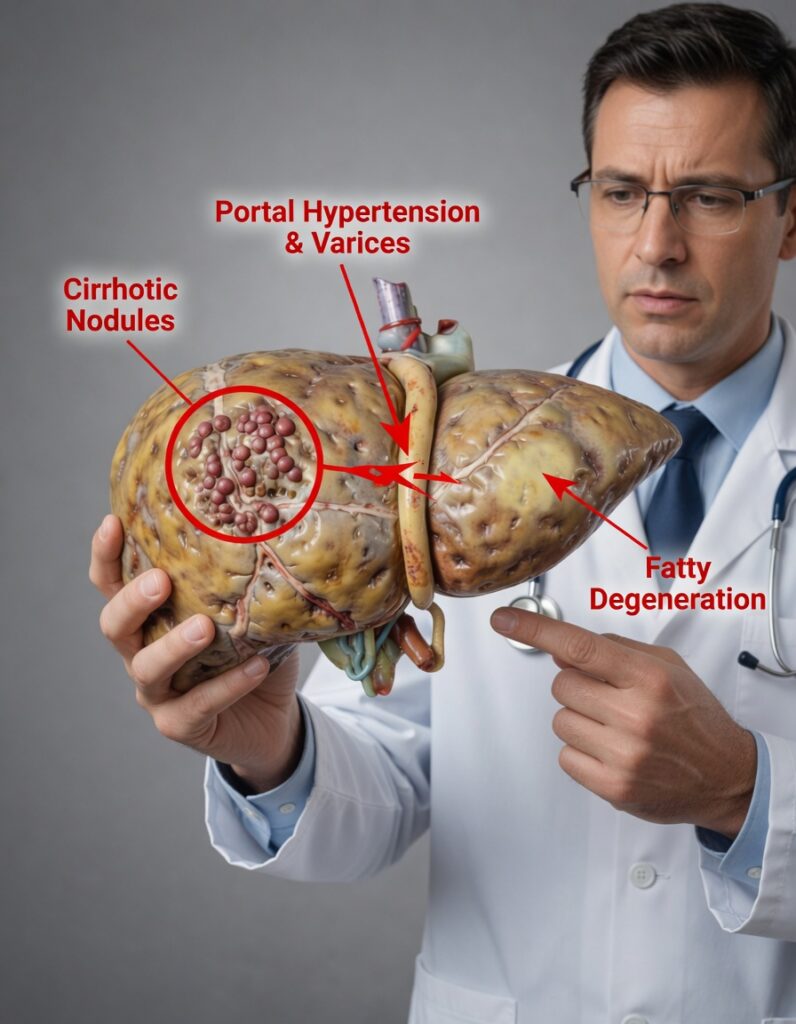
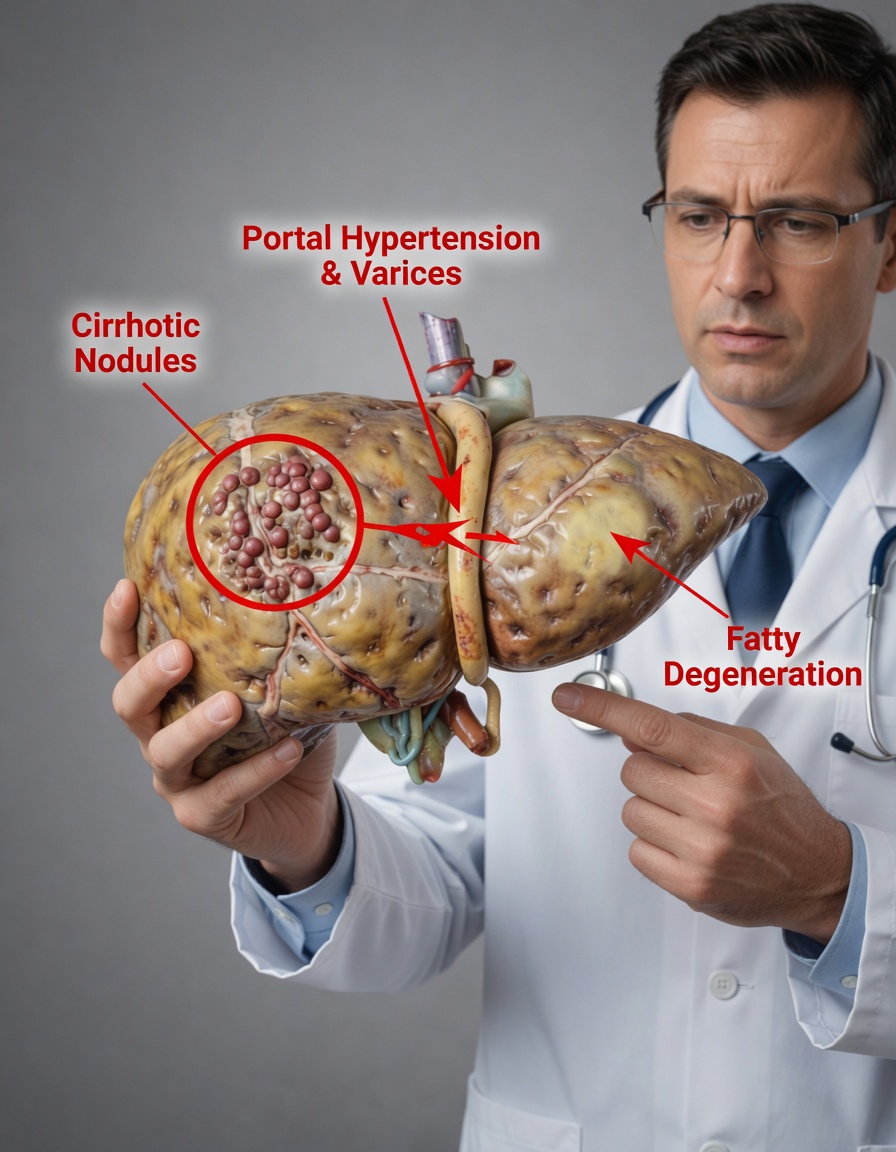
Your liver is one of the most hard-working organs in the human body. It continually filters toxins, processes nutrients, helps regulate hormones, and keeps metabolism running smoothly—day and night. The problem is that many common “everyday” foods (often sitting in your kitchen right now) can gradually increase liver strain, encouraging fat buildup, inflammation, and long-term risk for non-alcoholic fatty liver disease (NAFLD)—now commonly referred to as metabolic dysfunction-associated steatotic liver disease (MASLD).
Evidence summarized by widely trusted health sources such as WebMD, Healthline, and Mayo Clinic consistently points to a major theme: diets high in added sugar, unhealthy fats, and ultra-processed ingredients can challenge liver health—even when alcohol is not part of the picture. The encouraging part is that liver-friendly improvements don’t need to be extreme. Small, realistic changes can meaningfully support your liver over time.
10 Everyday Foods That May Be Slowly Stressing Your Liver (and What to Choose Instead)
Below are ten common dietary staples that may quietly add to liver stress, along with practical alternatives you can start using today.
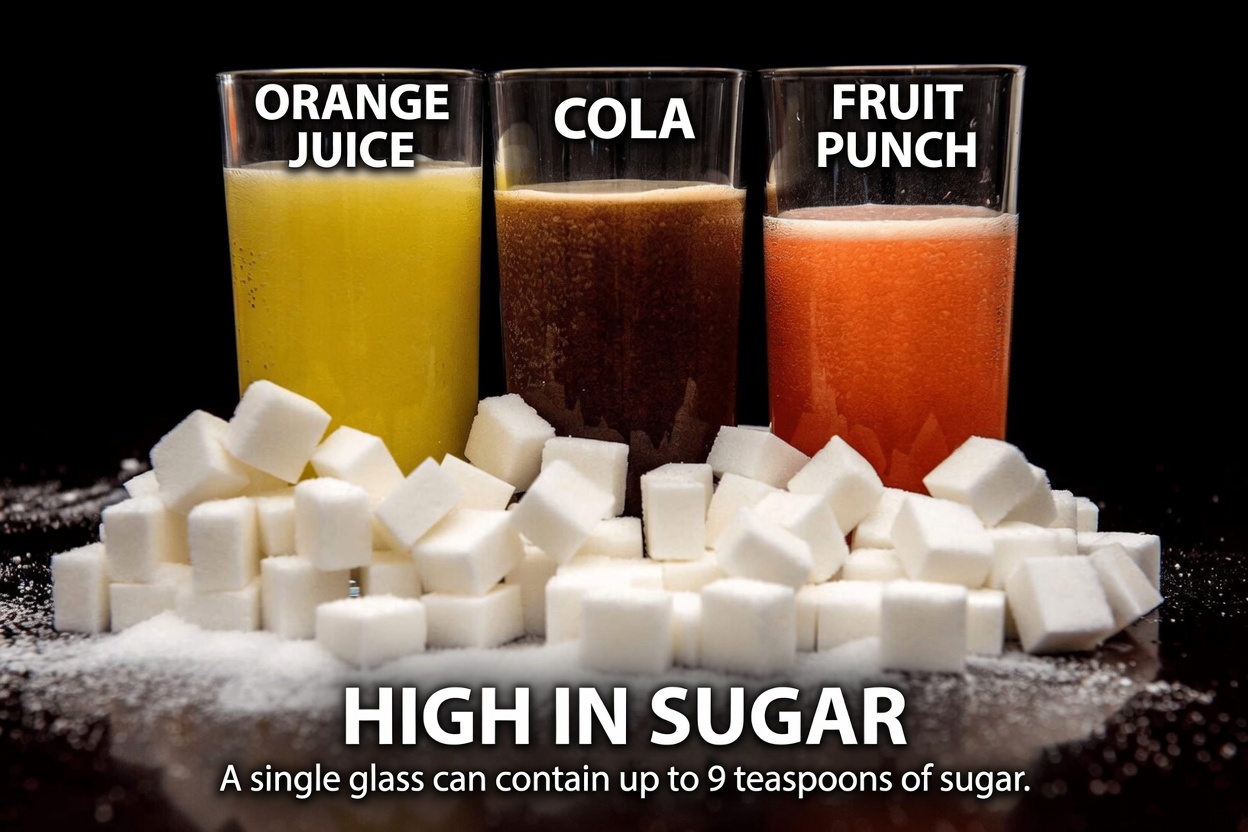
1. Sugary Drinks
Regular sodas, sweetened iced teas, energy drinks, and many bottled juices can contain large doses of added sugar, often in the form of high-fructose corn syrup. Fructose is largely processed in the liver, and excess intake can promote fat accumulation in liver cells, which may contribute to MASLD/NAFLD over time. Frequent sugar spikes can also disrupt metabolic balance, adding more work for the liver.
Better choices
- Plain water
- Sparkling water with lemon or lime
- Unsweetened herbal tea
2. Processed Meats
Foods like bacon, sausages, hot dogs, and deli meats commonly contain nitrates/nitrites, high sodium, and significant saturated fat. Research associates regular intake with higher oxidative stress and inflammation—factors that can burden liver function and contribute to metabolic issues.
Better choices
- Fresh, lean poultry (chicken or turkey)
- Fish and seafood
- Plant proteins like beans and lentils
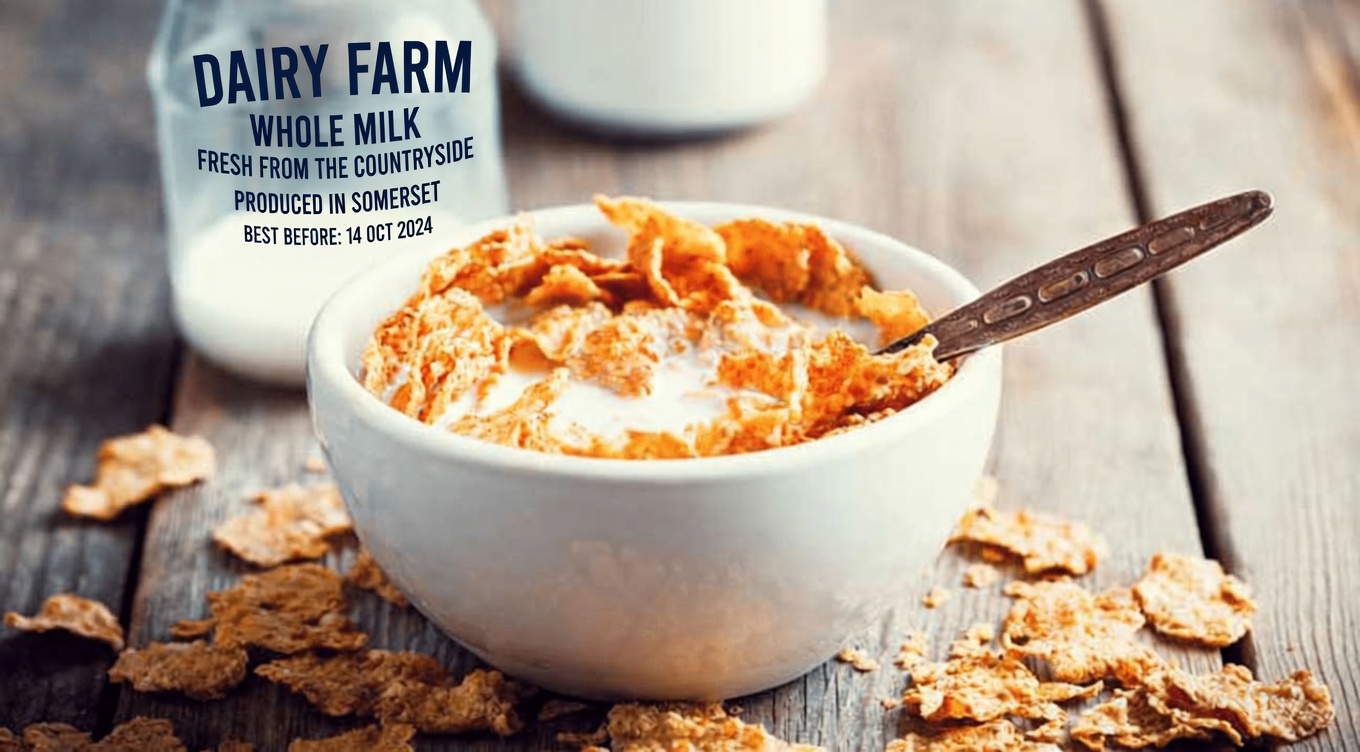
3. “Healthy” Breakfast Cereals That Are Actually Sugar Bombs
Many cereals marketed as “whole grain,” “low fat,” or “heart healthy” still include substantial added sugars—sometimes comparable to dessert-level servings. This can trigger rapid blood sugar rises, pushing the liver to convert extra glucose into stored fat, which may build up with repeated exposure.
Better choices
- Plain oatmeal with berries
- Eggs with vegetables
- Greek yogurt with nuts/seeds
- Homemade chia pudding
4. Fried Foods
French fries, fried chicken, donuts, and other deep-fried options often contain oxidized oils and, in some cases, trans fats. Oils repeatedly heated at high temperatures can promote inflammation and interfere with how efficiently the liver handles fats, potentially increasing fat storage in the liver.
Better choices
- Oven-baked versions of your favorites
- Air-fried foods with minimal oil
- Light use of extra virgin olive oil for crispness
5. Refined Carbohydrates
White bread, pastries, white rice, pasta, and many baked goods are low in fiber and digest quickly. That rapid digestion can lead to sharp blood glucose rises, prompting the liver to convert the surplus into triglycerides—a pathway that can contribute to liver fat buildup when it becomes routine.
Better choices
- Quinoa
- Brown rice
- Barley
- Whole oats
- Whole-grain bread and pasta (check labels for true whole grains)
6. Artificially Sweetened Beverages
Diet sodas and “zero sugar” drinks can look like a smart upgrade, but emerging research suggests frequent intake may be associated with changes in the gut microbiome and metabolic signaling—factors that can indirectly influence liver health. The science is still developing, but moderation is a sensible approach.
Better choices
- Water infused with cucumber, mint, or berries
- Lightly diluted fresh fruit juice (small portions)
- Unsweetened tea served iced
7. Too Much Salt (Hidden Sodium)
High-sodium items—canned soups, instant noodles, chips, and packaged snacks—can contribute to fluid retention and added physiological stress. For individuals with existing liver concerns, chronic excess sodium may worsen complications over time. Because sodium is “built into” many convenience foods, it’s easy to exceed recommended limits without realizing it.
Better choices
- Cook more meals from fresh ingredients
- Use flavor boosters like garlic, herbs, spices, and lemon
- Choose low-sodium canned options when needed
8. Industrial Seed Oils Used in Many Packaged Foods
Common processed oils such as soybean, corn, and sunflower oil are high in omega-6 fatty acids. In excess—especially through ultra-processed and fried foods—omega-6-heavy patterns may contribute to inflammation, which can compound liver stress.
Better choices
- Extra virgin olive oil (for dressings and many cooking uses)
- Avocado oil (especially for higher-heat cooking)
- Keep portions reasonable, even with healthier oils
9. Frequent, High Intake of Red Meat
Red meat can fit into a healthy diet, but consistently eating large portions—especially fatty cuts—may increase the liver’s workload due to saturated fat. Higher intakes are linked in research to metabolic patterns associated with liver fat accumulation.
Better choices
- Rotate proteins with poultry, eggs, legumes, and tofu
- Include fatty fish like salmon (a source of omega-3s)
- Choose leaner cuts and smaller portions when eating red meat
10. “Just One Drink a Day” Alcohol (Every Day)
Even moderate alcohol requires the liver to prioritize alcohol metabolism, which can reduce its bandwidth for other essential tasks such as fat processing and detoxification. When alcohol is consumed daily, the cumulative effect may build over years—even in people who otherwise eat well.
Better choices
- Build in alcohol-free days (or weeks)
- Choose mocktails, sparkling water, or herbal infusions when socializing
- Treat alcohol as occasional, not automatic
Signs Your Liver May Need Extra Attention
Early liver stress often develops quietly, without dramatic symptoms. Pay attention to possible warning signals such as:
- Persistent fatigue that doesn’t improve with rest
- Mild discomfort or fullness in the upper right abdomen
- Unexplained changes in appetite or weight
- Abnormal liver enzymes on routine blood tests
Regular medical checkups and appropriate lab work are the most reliable way to identify problems early.
Simple, Research-Aligned Habits to Support Liver Health
You don’t need a total lifestyle overhaul. Consistent, sustainable routines are what matter most:
- Prioritize whole foods: Aim to fill half your plate with vegetables and fruits.
- Stay hydrated: Many guidelines suggest roughly 8 cups of water per day (individual needs vary).
- Move your body regularly: Even a 30-minute walk most days supports metabolic health.
- Cut back on added sugars and ultra-processed foods: Read labels and choose minimally processed options more often.
- Protect your sleep: Target 7–9 hours per night—rest supports the body’s natural repair cycles.
Final Thoughts
Your liver handles an extraordinary workload without asking for recognition, but everyday choices accumulate over time. By identifying common foods that may be quietly increasing liver stress—and replacing them with smarter, realistic alternatives—you help create the conditions your liver needs to perform at its best.
Supporting liver health isn’t about perfection. It’s about awareness, consistency, and making one or two changes you can truly maintain starting this week.