
Aging, Muscle Loss, and Why It Matters More Than You Think
As we get older, physical changes can show up in quiet, frustrating ways. Carrying groceries feels heavier, stairs seem steeper, and getting up from a chair takes more effort than it used to. Much of this shift comes from age-related muscle loss, often called sarcopenia. If ignored, it can gradually reduce mobility, independence, and confidence.
The encouraging reality is that small, low-cost nutrition upgrades—paired with consistent daily movement—can make a real difference. One of the most effective options is also one of the cheapest: eggs.

Sarcopenia, Explained Simply
Sarcopenia is the natural decline in muscle mass and muscle function that happens with age. It’s often noticeable after 60, though the process can start earlier.
It’s not only about smaller muscles. Sarcopenia is also linked with:
- Lower strength
- Slower walking speed
- Reduced stamina
- Greater fall risk
Research in aging and gerontology literature shows that muscle loss tends to speed up over time—especially when protein intake is low and strength-building activity is missing. The key takeaway: your daily habits strongly influence how fast this decline happens.
Why Nutrition Becomes Crucial After Age 60
With age, muscle tissue becomes less sensitive to protein—a concept often called anabolic resistance. In everyday terms, this means older adults often need more high-quality protein to trigger muscle protein synthesis (the repair and building of muscle fibers).
Many older adults benefit from:
- More protein per meal
- Spreading protein evenly across the day
- Choosing nutrient-dense foods that also provide vitamin D, omega-3 fats, and antioxidants
A common evidence-based range is about 1.0–1.2 g of protein per kilogram of body weight per day, adjusted for health conditions and activity level.
The good news: protein doesn’t have to be expensive.
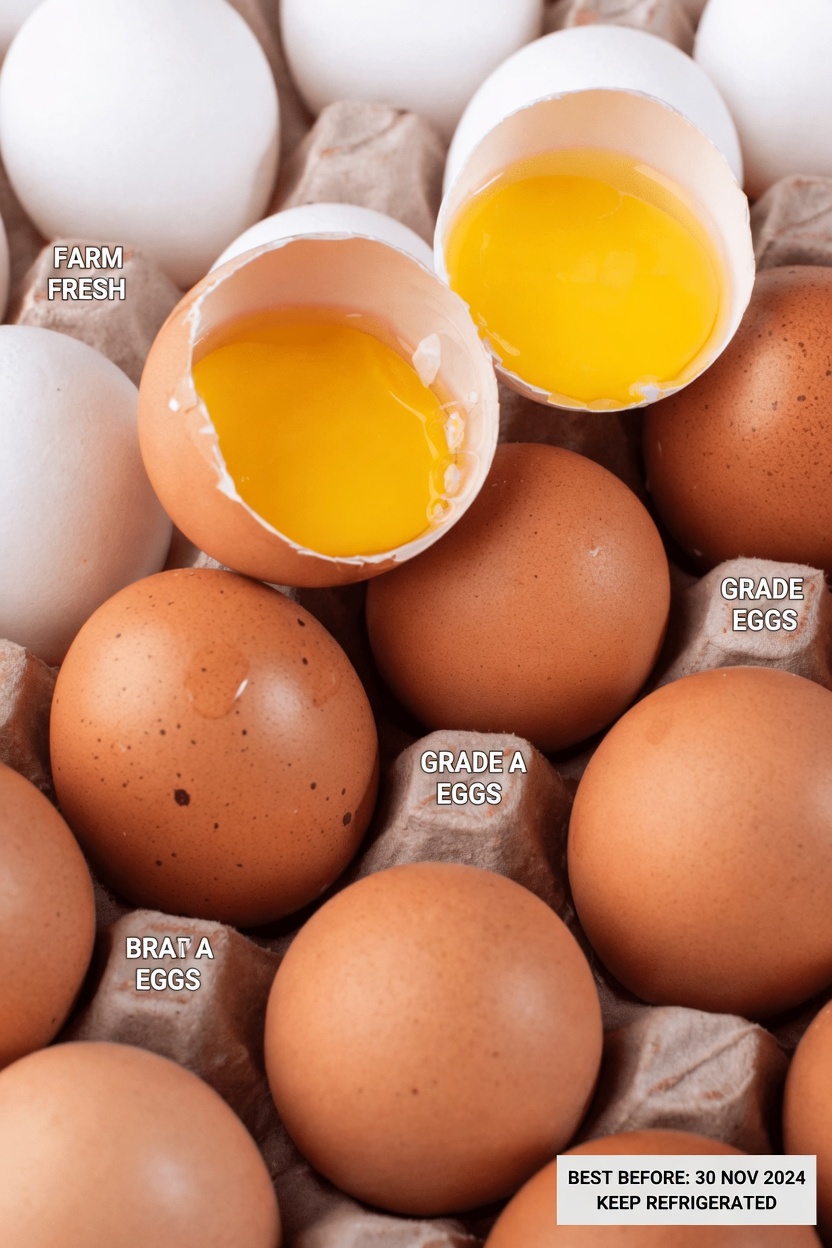
1. Eggs: The Most Affordable Muscle-Supporting Staple
If one food stands out for being cheap, widely available, and highly effective, it’s the egg.
Why eggs are so valuable for muscle health:
- Provide all nine essential amino acids
- Naturally rich in leucine, a key amino acid for muscle-building signals
- Easy to cook in minutes
- Affordable in most countries
One large egg contains roughly 6–7 grams of high-quality protein.
Another important detail: studies suggest muscle maintenance may improve when protein is distributed throughout the day, rather than concentrated at dinner. Adding two eggs at breakfast can help balance daily intake.
Easy ways to eat more eggs:
- Scrambled with vegetables
- Hard-boiled for a quick snack
- On whole-grain toast
- Mixed into salads
2. Lean Meat and Poultry: High-Protein, Budget-Friendly Options
Chicken, turkey, and economical cuts of pork or beef offer a dense protein boost per serving.
Key benefits include:
- Complete, high biological value protein
- Iron and B vitamins that support energy and overall function
- Strong satiety (helps you feel full longer)
Money-saving strategies:
- Buy larger packs and freeze portions
- Choose chicken thighs instead of breast to reduce cost
- Watch for weekly promotions and discounts
For best balance, combine lean protein with vegetables and whole grains.
3. Beans and Lentils: Low Cost, High Return
Across the world, beans and lentils are among the most affordable nutrition “wins,” especially for older adults.
Why they work well after 60:
- Solid plant-based protein
- High fiber for gut health and stable energy
- Rich in minerals like magnesium and potassium
- Extremely low cost per serving
Great options include:
- Lentils
- Chickpeas
- Black beans
- Kidney beans
While legumes typically provide less protein per gram than meat, they contribute significantly when paired with other protein sources—and they fit into countless meals.
4. Dairy Foods: Simple, Accessible Muscle Support
Dairy is sometimes underestimated, but it can be very effective for older adults aiming to maintain strength.
High-protein choices include:
- Greek yogurt
- Cottage cheese
- Milk
- Cheese
Greek yogurt and cottage cheese are especially useful due to their higher protein per serving.
Dairy also delivers:
- Calcium
- Vitamin D (when fortified)
- Casein, a slow-digesting protein that may support muscle maintenance overnight
A practical approach is adding Greek yogurt in the afternoon or cottage cheese in the evening to improve protein distribution across the day.
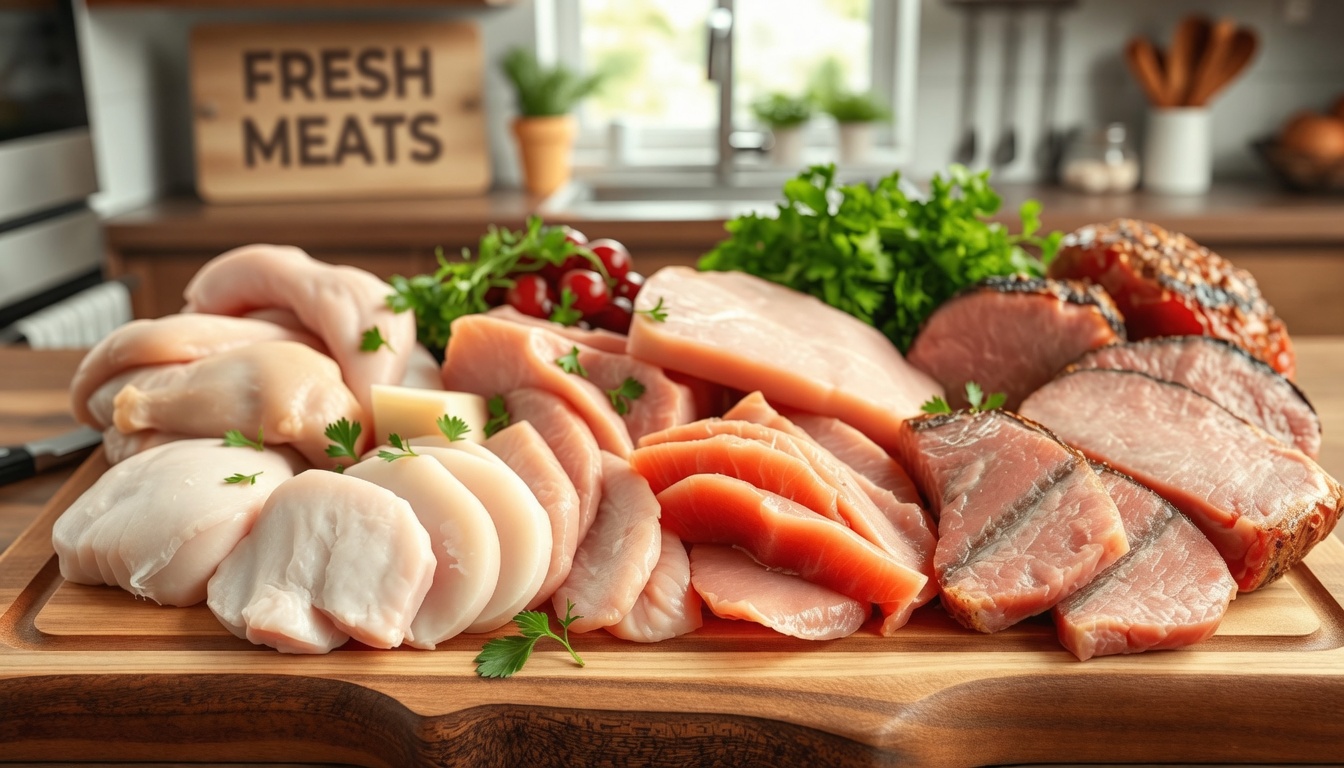
5. Fatty Fish: Protein Plus Omega-3 in One Food
Salmon, sardines, and mackerel offer a powerful combination of:
- High-quality protein
- Omega-3 fatty acids
Observational research suggests omega-3 intake may support muscle function and help reduce age-related inflammation.
Affordable ways to eat more fish:
- Choose canned sardines or canned mackerel
- Buy frozen fish instead of fresh
- Add fish to salads, wraps, or rice bowls
Even 1–2 servings per week can support both muscle and heart health.
6. Nuts and Seeds: Small Servings, Big Nutritional Value
Peanuts, almonds, sunflower seeds, and peanut butter provide:
- Protein
- Healthy fats
- Magnesium
- Antioxidants
Some emerging findings suggest regular peanut intake may be linked with better muscle strength in older adults. These foods are also shelf-stable and often cost-effective.
Because nuts are calorie-dense, portion size matters.
7. Fruits and Vegetables: The Quiet Protectors
Fruits and vegetables aren’t major protein sources, but they support muscle health by supplying:
- Antioxidants
- Vitamin C
- Polyphenols
- Fiber
Think of it this way: protein builds the structure, while plant foods help protect and preserve it.
How to Build a Muscle-Supporting Plate After 60
A simple, repeatable framework for each meal:
- 20–30 grams of protein
- A serving of vegetables
- A source of healthy fats
- Whole grains or legumes
Example day:
- Breakfast: 2 eggs, whole-grain toast, and fruit
- Lunch: Lentil soup, side salad, and yogurt
- Dinner: Grilled chicken or sardines, vegetables, and brown rice
- Snack: Cottage cheese or peanut butter with apple slices
Simple, affordable, and realistic.
Movement: The Missing Piece Many People Forget
Nutrition helps—but muscles also need a reason to stay strong. That signal comes from resistance training and regular movement.
You don’t need a gym. Start with:
- Chair squats
- Wall push-ups
- Resistance band exercises
- Light dumbbells
- Step-ups
Even 20–30 minutes, three times per week can help preserve strength and function.
Most importantly: muscles can adapt at any age. Starting later still works.
A Step-by-Step Plan You Can Start Today
- Add one high-protein food to tomorrow’s breakfast.
- Include protein at every meal, not only dinner.
- Eat beans or lentils twice this week.
- Do one short resistance session this weekend.
- After two weeks, note changes in energy, mobility, and confidence.
Consistency matters more than perfection.
Quick Comparison: Budget-Friendly Muscle Foods
- Eggs: 6–7 g each — very cost-effective — rich in leucine
- Lentils: ~18 g per cooked cup — very cost-effective — high fiber
- Greek yogurt: ~15–20 g per cup — cost-effective — calcium support
- Canned sardines: ~20 g per can — cost-effective — omega-3 fats
- Chicken thigh: ~21 g per 3 oz — moderate cost — iron and B vitamins
Affordable does not mean low impact.
Conclusion
Sarcopenia is common with aging, but loss of strength is not unavoidable. Low-cost staples—especially eggs, along with beans, dairy, lean meats, and fatty fish—can deliver the protein and nutrients older muscles need. When you combine smart eating with basic strength exercises and daily movement, you can protect mobility, reduce fall risk, and maintain independence well beyond 60.