Poor Circulation After 50: Can Vitamin B3 (Niacin) Help?
After 50, circulation changes can show up as heavy legs, constant tiredness, or feet that feel cold even in mild weather. These symptoms may shrink your daily routine—walks feel shorter, recovery takes longer, and ordinary errands suddenly feel draining. It’s easy to assume this is simply “normal aging,” but many people want practical, evidence-based ways to support vascular health and maintain mobility.
Scientists have looked at nutrients that may influence blood vessel function, including vitamin B3 (niacin). The research is mixed: niacin may help certain markers linked to cardiovascular health, but it is not a universal solution. Below is a balanced look at what niacin does, what studies suggest, and how to approach it safely.
What Is Vitamin B3 (Niacin) and What Does It Do?
Vitamin B3, also called niacin, is a key nutrient your body uses to convert food into energy. It supports normal cellular processes and helps maintain healthy tissues—functions that matter when you’re dealing with fatigue or slower physical recovery.
For adults experiencing circulation concerns, niacin is often discussed because it is involved in pathways connected to:
- Energy metabolism, which can influence how resilient you feel during activity
- Blood lipid regulation (cholesterol and triglycerides), which relates to cardiovascular risk
- Blood vessel function, indirectly supporting vascular health in some contexts
While niacin deficiency is not common in many countries, individual needs and overall diet quality can still affect how people feel—especially when stamina and leg comfort are already a concern.
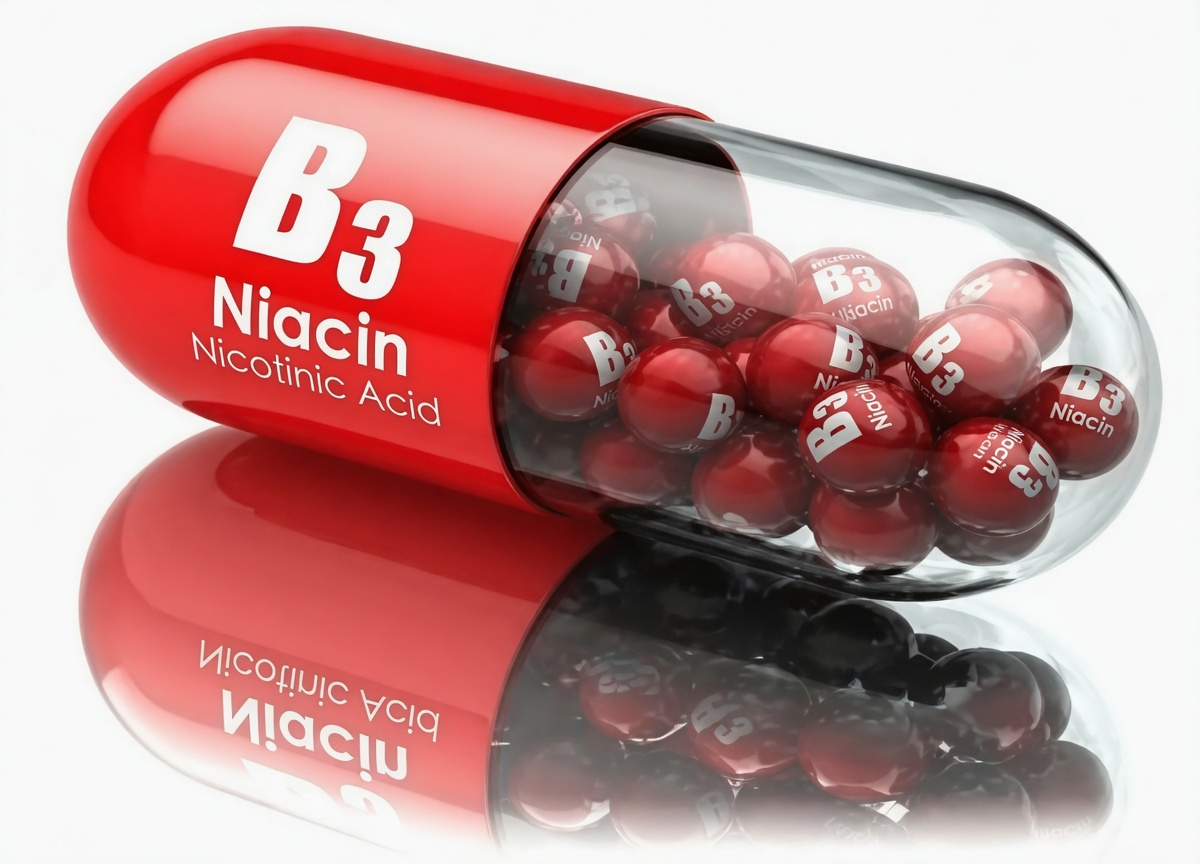
Potential Benefits of Niacin for Circulation and Blood Vessel Health
When legs feel heavy or endurance drops, it’s natural to look for nutritional tools that might help. Niacin has been studied primarily for its effects on blood lipids and cardiovascular markers.
Research on therapeutic (higher-dose) niacin has shown that it can:
- Increase HDL (“good”) cholesterol
- Lower triglycerides
- Support some aspects of cardiovascular wellness in certain populations
Many people recognize niacin because of flushing—a warm, red, tingling sensation that can occur at higher doses. This reaction is linked to temporary widening of blood vessels, which suggests a vascular effect. However, flushing does not automatically mean meaningful or long-term improvement in leg circulation.
What about newer forms like NR?
A niacin-related compound called nicotinamide riboside (NR) has shown promising signals in a recent clinical trial involving peripheral artery disease, where participants improved their walking distance. This points to potential support for muscle and vessel function, but it’s still an emerging area and not a guarantee for everyone.
Overall, niacin may contribute to circulation support as part of a broader health strategy—especially through diet—while expectations should remain realistic.
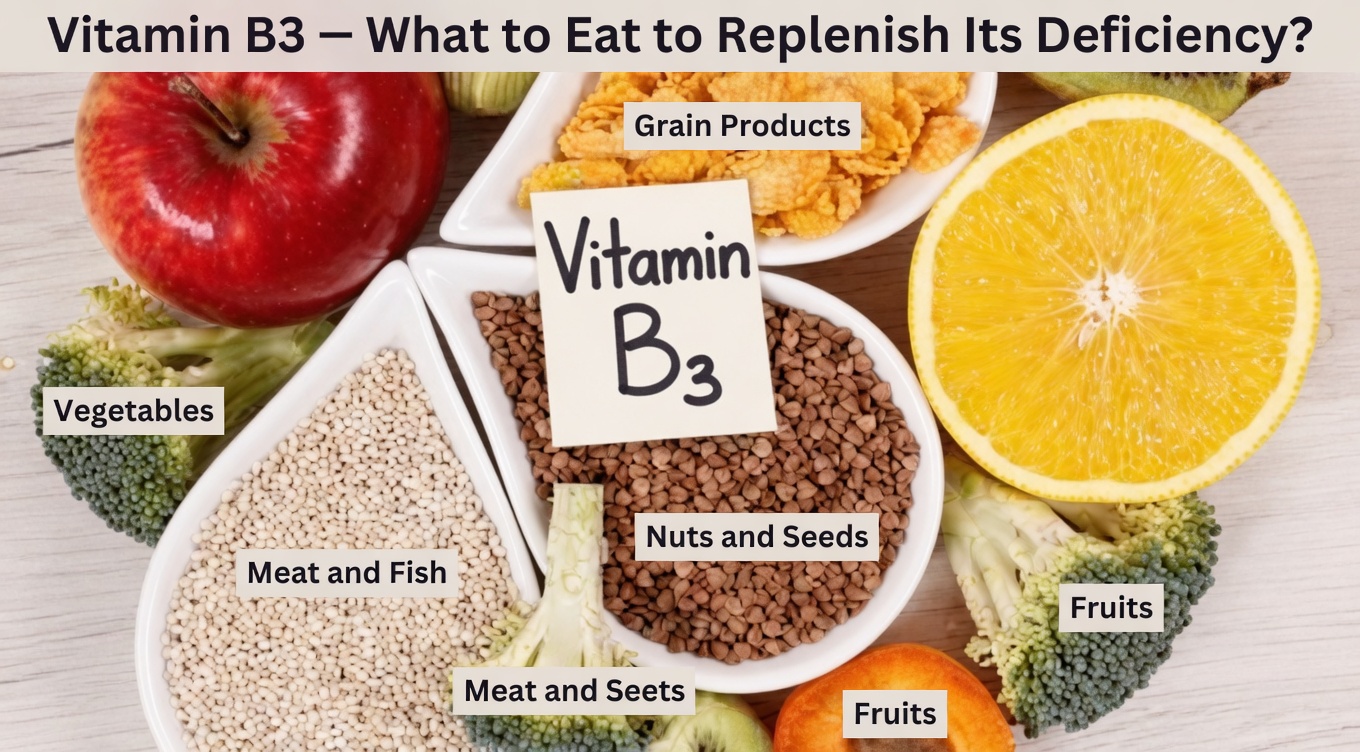
Niacin-Rich Foods You Can Add to Your Diet
Getting niacin from food is often the most practical and safest approach. For many people, this feels empowering: you can support daily nutrient intake without jumping straight to supplements.
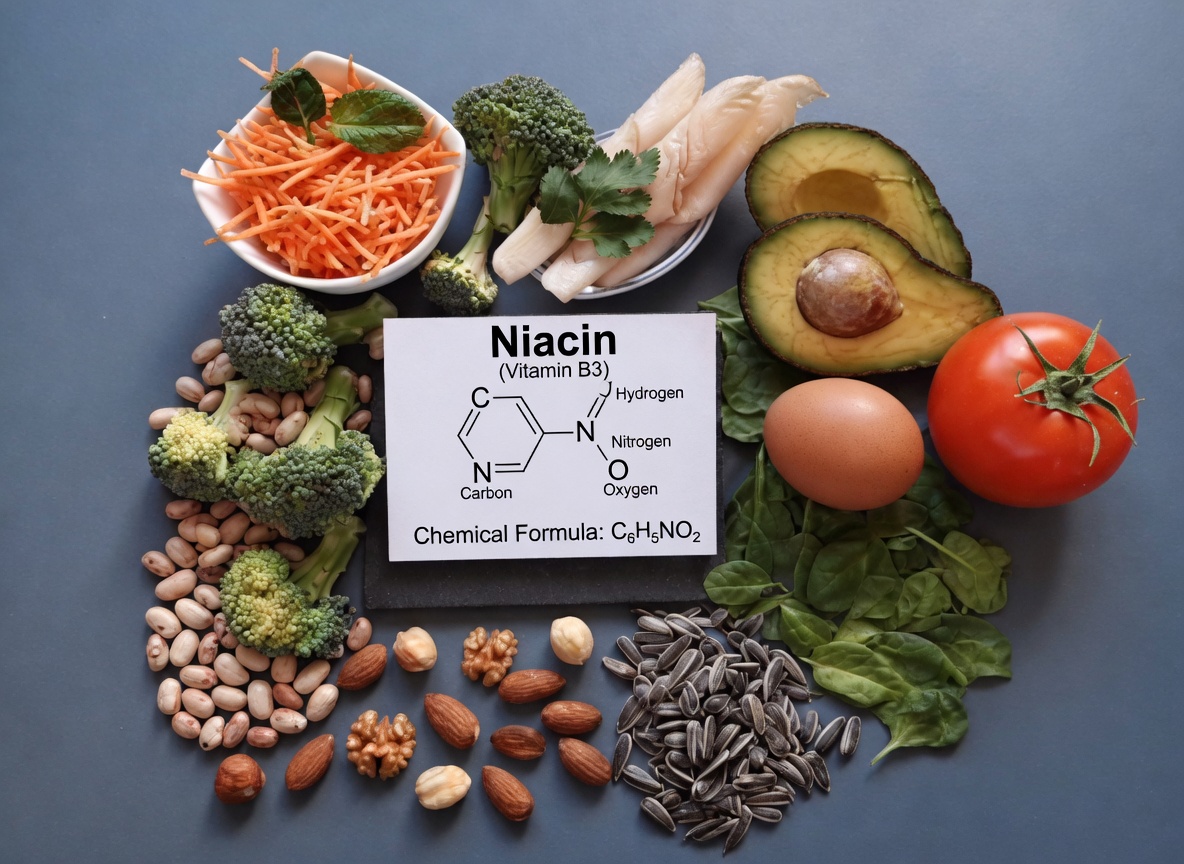
Common niacin food sources include:
- Chicken and turkey
- Salmon and tuna
- Peanuts
- Avocado
- Whole grains (such as brown rice)
- Fortified cereals (amounts vary by brand)
Building meals around these foods can support overall nutrition, energy, and cardiovascular health—especially when paired with a balanced lifestyle.
Niacin Supplements: Safety, Forms, and When to Be Cautious
Some adults consider niacin supplements for circulation support, especially after reading about cholesterol benefits. But supplement use requires caution because side effects and risks increase with higher doses.
Typical daily needs
Most adults need about 14–16 mg of niacin per day, which is usually easy to reach through a normal diet.
Common supplement forms
- Nicotinic acid: more likely to cause flushing
- Nicotinamide (niacinamide): generally causes less flushing but does not have identical effects to nicotinic acid
- Other related compounds (such as NR) are also sold, though research and intended uses differ
Because higher intakes have been linked to concerns in research, medical guidance is essential before using therapeutic doses—especially if you have cardiovascular issues, circulation symptoms, or take medications.
Top Food Sources of Niacin (Quick Table)
| Food Source | Approximate Niacin per Serving | Why It Supports Daily Intake |
|---|---|---|
| Chicken/Turkey (3 oz) | 7–10 mg | Lean protein plus niacin |
| Salmon/Tuna (3 oz) | 8–12 mg | Niacin with omega-3 benefits |
| Peanuts (1 oz) | 4–5 mg | Easy, portable snack |
| Avocado (half) | 2–3 mg | Healthy fats with nutrients |
| Brown Rice (1 cup cooked) | ~5 mg | Simple whole-grain option |
| Fortified Cereals | Varies (often 5–20 mg) | Convenient, label-dependent |
Practical Ways to Support Circulation with Niacin (and Daily Habits)
If you’re noticing leg fatigue or reduced stamina, you’re not out of options. These steps can help you use niacin strategically—without over-relying on supplements:
- Prioritize niacin-rich meals (for example, grilled fish, poultry, whole grains, or salads topped with nuts).
- Keep moving with gentle activity, such as regular walks, to support blood flow.
- Track cholesterol and triglycerides if relevant, and discuss whether niacin is appropriate for your goals.
- Choose food first, and treat supplements as a targeted tool—not a default.
- Monitor how you feel over time (energy, walking comfort, cold feet), and share changes with your clinician.
Niacin and Healthier Circulation: The Takeaway
Vitamin B3 (niacin) supports energy metabolism and has research ties to cholesterol management and vascular function. For some adults over 50, mindful niacin intake—especially through food—may complement broader efforts to support circulation and mobility. Still, niacin is not a standalone fix, and outcomes vary depending on the person, the form used, and the dose.
For personalized guidance, talk with your healthcare provider about your circulation symptoms and whether niacin fits your overall plan.
Frequently Asked Questions
-
Can niacin directly improve leg circulation?
Niacin may support blood vessel function and lipid markers in studies, but responses differ widely. It is not a guaranteed solution, so professional guidance matters. -
What is a safe daily amount of niacin?
Most adults need 14–16 mg/day, typically achievable through diet. Higher, therapeutic doses should only be used under medical supervision due to side effects and potential risks. -
Is niacin flushing dangerous?
Flushing is usually not harmful but can be uncomfortable. If flushing is severe, persistent, or happens with high-dose use, discuss it with a healthcare professional.
Medical disclaimer: This article is for informational purposes only and does not replace professional medical advice. Consult your healthcare provider before changing your diet or starting supplements, especially for circulation or heart-related concerns.