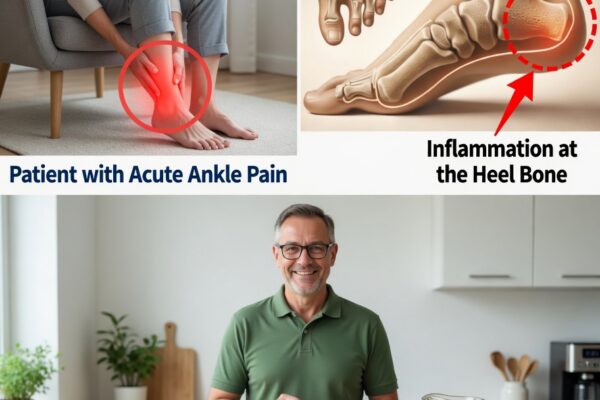
Blocked arteries in the legs and feet can lead to ongoing discomfort that limits walking and everyday routines, often raising broader concerns about cardiovascular health. When blood flow is reduced, you may notice fatigue, pain, or physical changes that affect independence—especially as risk rises with age or with conditions such as diabetes. Because these symptoms can be mistaken for “normal aging,” they’re frequently overlooked. Knowing what to look for can help you start the right conversation early.
Understanding Blocked Arteries in the Legs and Feet (Peripheral Artery Disease)
Blocked arteries in the legs and feet are commonly caused by peripheral artery disease (PAD), a condition where narrowed arteries reduce oxygen-rich blood reaching the lower limbs. This restricted circulation can create aching, heaviness, and mobility challenges that feel frustrating and isolating. Medical organizations, including the American Heart Association, emphasize that PAD is often linked to overall vascular health—making changes in the legs and feet important signals to take seriously.

Sign 1: Leg Pain or Cramping During Activity That Improves With Rest
If you develop cramping or tight pain in the calves, thighs, or buttocks while walking—then feel relief when you stop—this pattern is known as intermittent claudication. It often occurs when muscles demand more oxygen during movement than narrowed arteries can deliver. Many people notice this first as walks become shorter and more difficult, turning daily errands or enjoyable exercise into a challenge.
Sign 2: Weak or Difficult-to-Feel Pulses in the Feet
A faint pulse in the foot or ankle can be a subtle sign of reduced circulation. Clinicians often check pulses during routine exams because diminished pulses frequently correlate with PAD. Without intentional attention, this sign is easy to miss—yet it can offer an early clue that blood flow is not reaching the feet as strongly as it should.

Sign 3: Cooler Skin or Changes in Color (Pale or Bluish Areas)
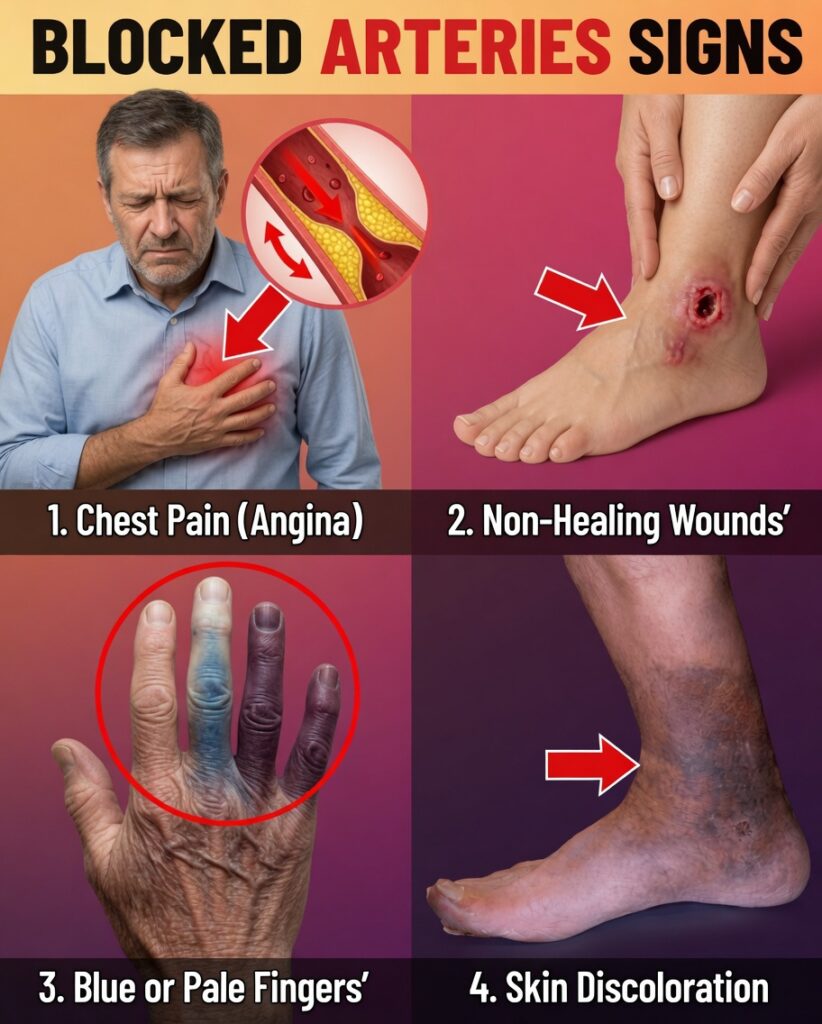
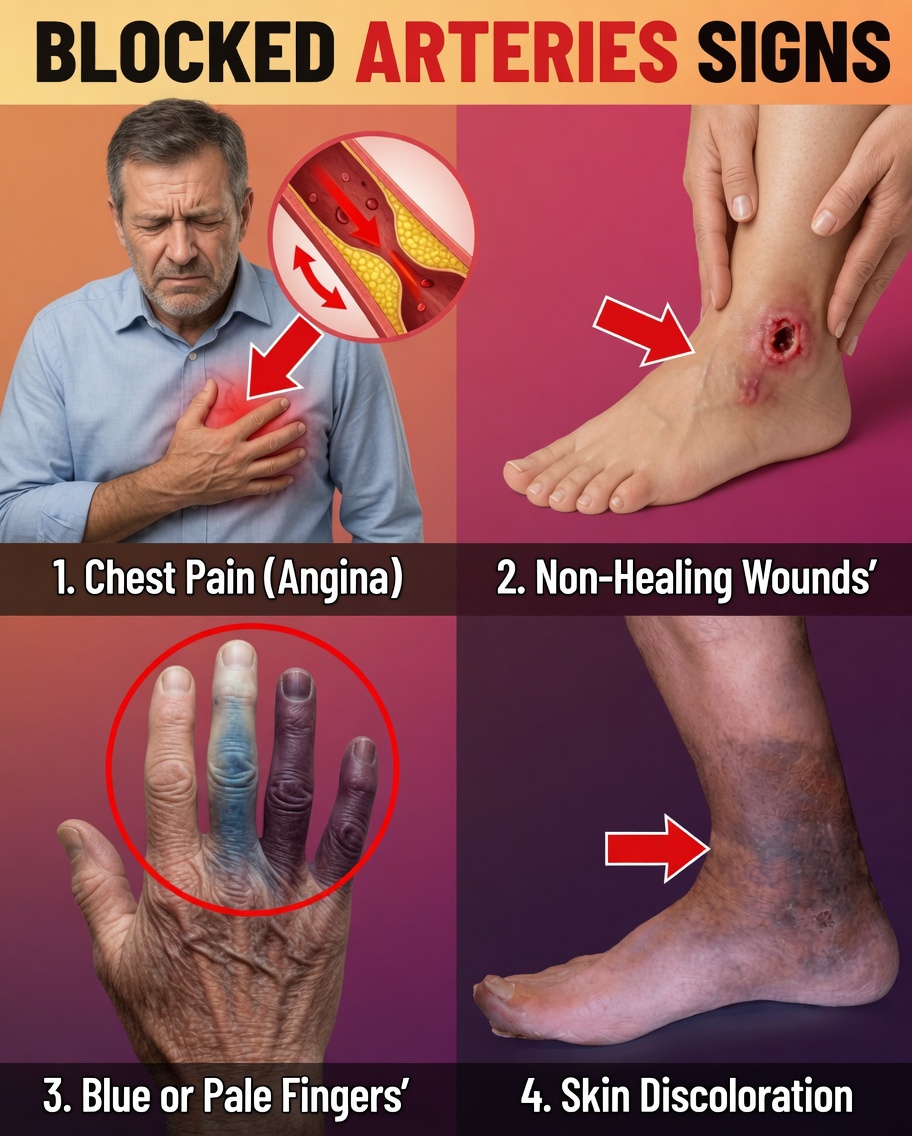
When one foot or lower leg feels noticeably cooler than the other—or looks paler—it may indicate that blood is not circulating evenly. This kind of asymmetry can be concerning because long-term low blood flow affects skin health, temperature regulation, and overall tissue resilience.
Sign 4: Cuts or Sores on the Feet That Heal Slowly
A small blister, cut, or sore that lingers for weeks may be a warning sign. Slow healing can occur when tissues don’t receive enough oxygen and nutrients due to restricted blood supply. For individuals with diabetes, the combination of reduced circulation and higher infection risk can turn minor injuries into serious complications—making early attention especially important.
Sign 5: Shiny Skin and Reduced Hair Growth on the Lower Legs
Over time, poor circulation may cause the skin on the lower legs to look smooth or shiny, along with less hair growth. These gradual changes happen because hair follicles and skin texture depend on steady blood flow. While not painful, they can be visible indicators of a deeper circulation issue.
Sign 6: Numbness or Tingling in the Legs and Feet
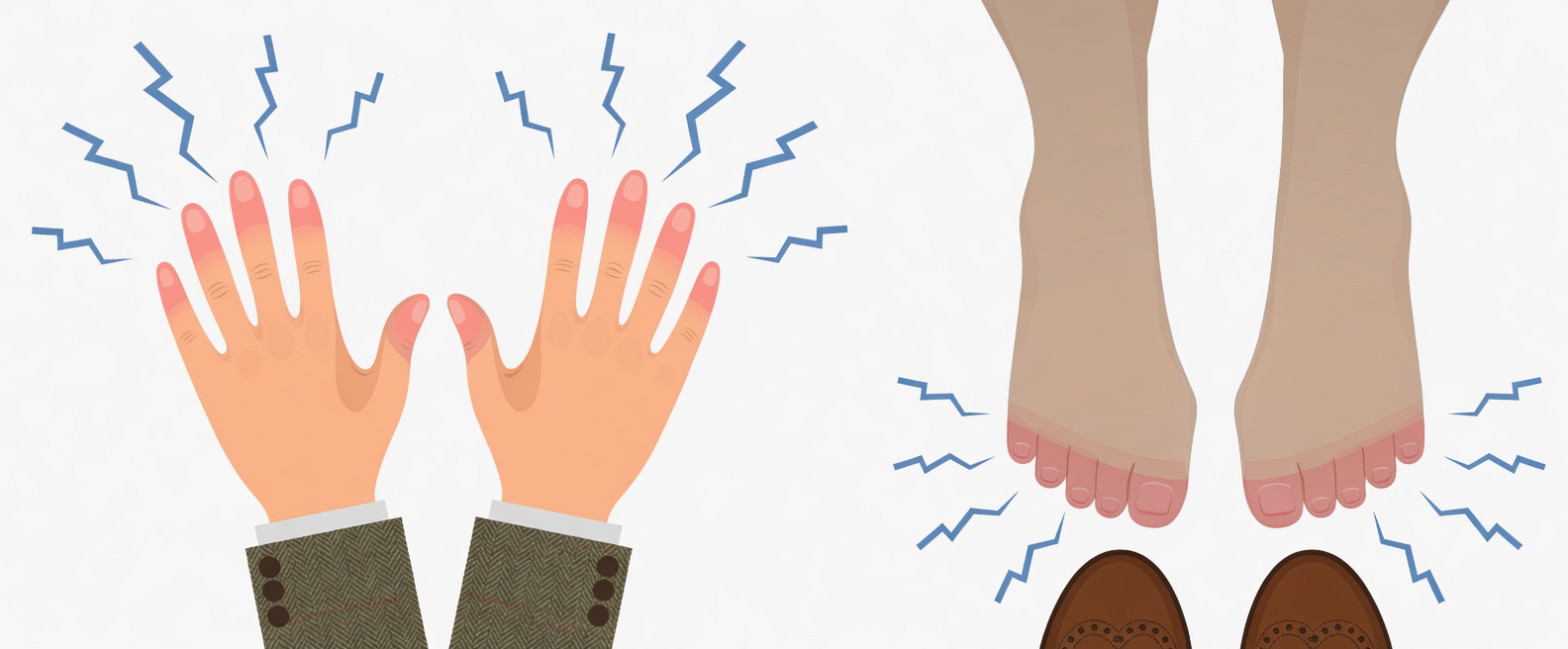
Ongoing numbness, tingling, or “pins and needles” sensations may occur when limited blood flow affects nerves. In PAD, reduced circulation can contribute to sensory changes that persist even at rest, adding discomfort and uncertainty to daily life.
Sign 7: Associated Systemic Changes (Erectile Dysfunction in Men)
In men, new or worsening erectile dysfunction can sometimes reflect vascular narrowing, because smaller blood vessels may show circulation problems earlier. While sensitive, this symptom can be an important part of the broader picture of vascular health, including blocked arteries in the legs and feet.
Quick Overview: Common Signs Linked to Blocked Arteries in Legs and Feet
- Activity-related cramping that improves with rest
- Weak pulses in the feet or ankles
- Cooler or discolored skin, often worse on one side
- Slow-healing sores or wounds, especially on the feet
- Shiny skin and reduced hair growth on the lower legs
- Numbness or tingling that persists
- Erectile dysfunction (men) as a possible early vascular indicator
These signs can occur for multiple reasons, but together they may suggest reduced circulation consistent with PAD.
Supportive Next Steps If You Notice Possible PAD Symptoms
Seeing potential signs of blocked arteries doesn’t need to feel overwhelming. Consider these practical steps:
- Track your symptoms: Write down when pain occurs, how long it lasts, and what improves it.
- Talk with a healthcare professional: Share your observations and ask about evaluation options such as the ankle-brachial index (ABI).
- Support circulation with lifestyle habits: If appropriate, begin gentle walking, stop smoking, and manage blood pressure and cholesterol.
- Protect your feet daily: Wear supportive footwear and inspect your feet regularly for cuts, sores, or color changes.
- Follow medical guidance early: Early evaluation can help protect mobility and reduce long-term risks.
Recognizing Signs to Protect Leg and Foot Health
Blocked arteries in the legs and feet can show up through patterns such as walking-related pain, weak pulses, skin temperature or color changes, slow wound healing, and sensory symptoms. Noticing these signs early supports more informed discussions with a healthcare provider and a clearer plan for evaluation and care.
If you have concerns about circulation, speak with your doctor—personalized assessment is the safest next step.
Frequently Asked Questions
-
Are these signs always caused by blocked arteries?
No. Several conditions can cause similar symptoms, but PAD is a common cause. A medical evaluation helps determine the reason. -
Who is at higher risk for blocked arteries in the legs?
Risk is higher for people over 50, smokers, and those with diabetes, high cholesterol, or high blood pressure. -
What tests are used to check for blocked arteries in legs and feet?
Common options include pulse exams, the ankle-brachial index (ABI), ultrasound imaging, and other vascular studies depending on symptoms.
Disclaimer: This article is for informational purposes only and does not replace professional medical advice. If you experience symptoms related to blocked arteries or circulation problems, consult a qualified healthcare provider for guidance tailored to your situation.