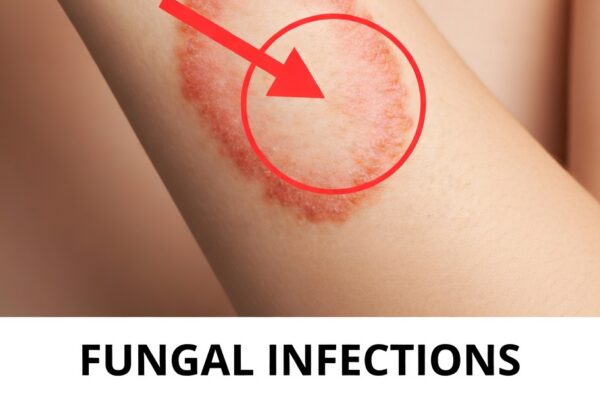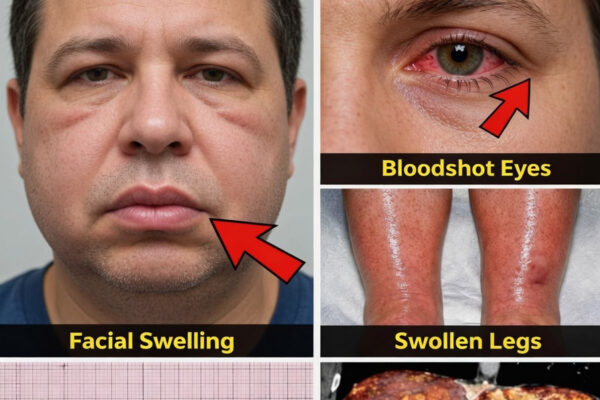
Subtle shifts in your body are easy to brush off—especially when work, family, and daily responsibilities leave little space to pause. A new rash, a bit of unexpected bleeding, or fatigue that drags on can seem “probably nothing” at first. Yet when these changes linger for months, worry tends to build and unanswered questions get louder. The good news: knowing what to watch for—and when to talk to a clinician—can significantly improve outcomes. And one frequently overlooked sign near the end may surprise you.
Why Visible Changes Deserve Your Attention
Many serious conditions can develop quietly. Guidance and research referenced by organizations like the American Cancer Society and the World Health Organization repeatedly show the same theme: noticing unusual symptoms early is often linked to better medical results.
Visible changes are one of your body’s most direct “alert systems.” They don’t automatically mean something dangerous—most are caused by minor or temporary issues. However, symptoms that persist, worsen, or repeat are worth taking seriously.
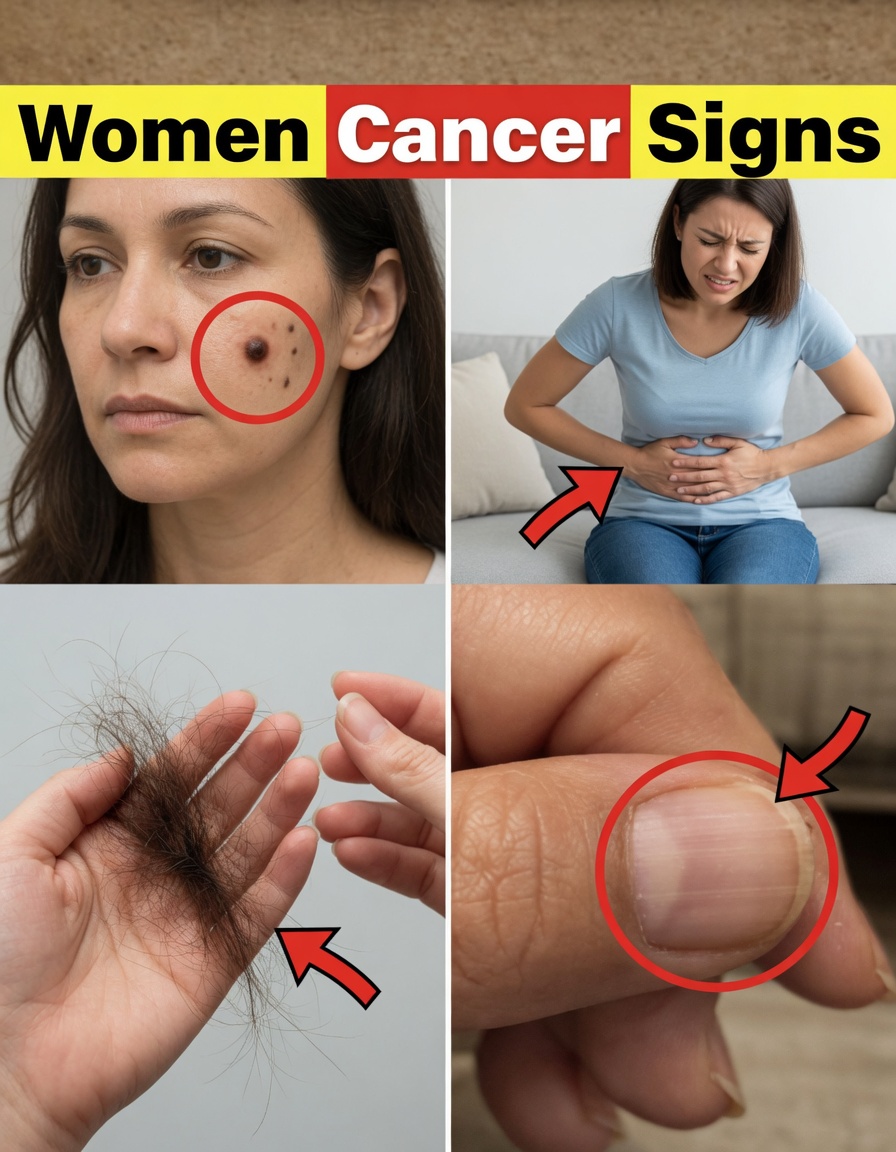
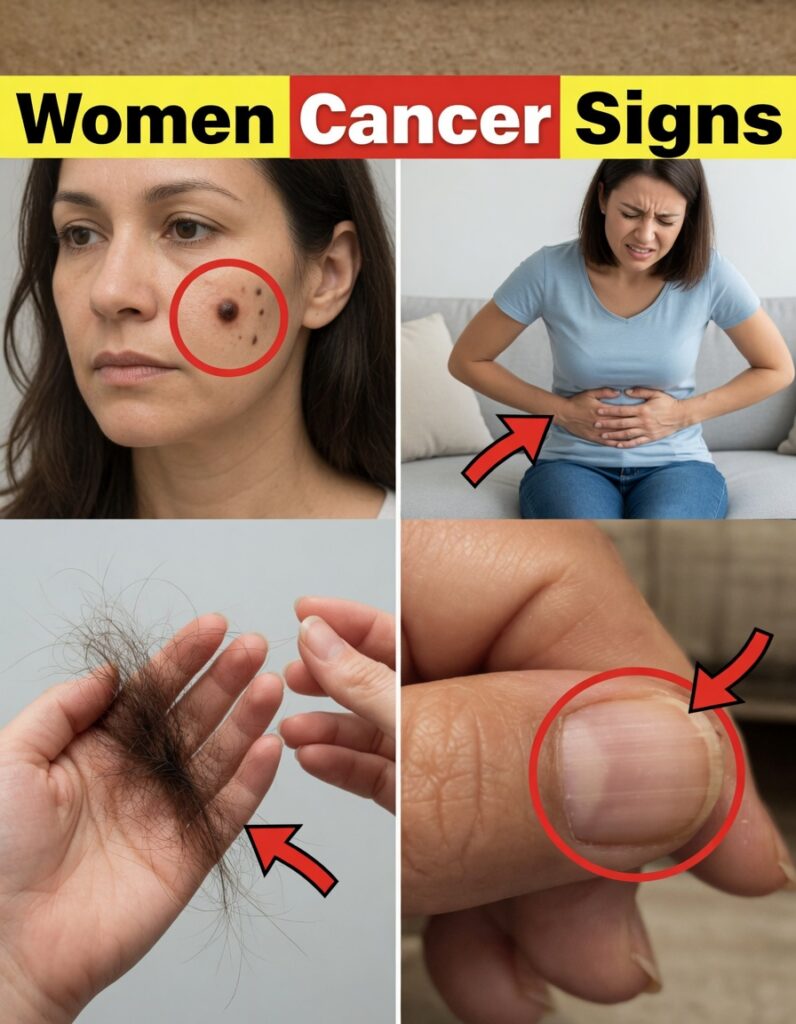
14 Common Signs Women Often Dismiss (But Shouldn’t)
1. Skin Changes That Don’t Resolve
Your skin often shows early clues.
Watch for:
- Sores or ulcers that don’t heal after a few weeks
- Moles that shift in size, shape, or color
- Red, brown, or dark patches that gradually expand
- Spots that itch, crust, or bleed without a clear reason
A short-lived rash is common. A mark that stays for weeks should be checked.
2. Breast Changes Beyond a Lump
Many people focus only on lumps, but breast cancer and other conditions may show up visually first.
Be mindful of:
- Dimpling, puckering, or “orange-peel” texture
- Redness or swelling that doesn’t settle
- A newly inverted nipple
- Nipple discharge unrelated to breastfeeding
If something looks different from your normal baseline, bring it up with a healthcare professional.
3. Vaginal Bleeding That’s Out of Pattern
Bleeding between periods, after sex, or after menopause should always be evaluated.
Hormonal fluctuations can cause irregular bleeding, but medical guidance consistently recommends assessment when:
- Bleeding appears suddenly without a known reason
- The change repeats or continues beyond one cycle
Your usual cycle pattern is valuable information. A major deviation is a signal—not something to feel embarrassed about.
4. Bloating That Persists
Occasional bloating is normal. Ongoing abdominal swelling is not.
Pay attention to:
- Bloating most days for more than two weeks
- Feeling full quickly when eating
- Pelvic pressure or discomfort along with swelling
Ovarian health research notes that persistent abdominal symptoms are often present for months before many women seek care—often because they assume it’s “just digestion.”
5. Ongoing Changes in Bowel or Bladder Habits
Digestive and urinary patterns can reflect broader health changes.
Consider evaluation if you notice:
- Constipation or diarrhea that doesn’t improve
- Blood in stool or urine
- New urgency or frequency without an infection
- Stools that become consistently narrower than usual
Persistent changes matter even more when they occur alongside fatigue, pain, or weight change.
6. Long-Lasting Fatigue Without a Clear Cause
Everyone gets tired. But exhaustion that doesn’t improve with rest is different.
Red flags include:
- Fatigue severe enough to disrupt normal life
- Unusual weakness compared to your typical energy level
- Shortness of breath with minimal activity
Many systemic illnesses can cause prolonged fatigue before other symptoms become obvious.
7. Unintentional Weight Loss
If your weight drops without changes to eating or exercise, it’s worth discussing.
Look for:
- Losing more than ~5% of body weight over a few months
- Reduced appetite without trying
- Noticeable muscle loss with the weight decrease
Unplanned weight loss is commonly treated as a reason for further medical evaluation. Also note: unexplained weight gain with abdominal swelling can be meaningful too.
8. A Cough or Hoarse Voice That Won’t Go Away
A cough lasting more than three weeks—or hoarseness that persists without an obvious infection—should be assessed.
Seek care sooner if you notice:
- Blood in mucus
- Chest pain or pressure with coughing
- Trouble swallowing
If standard home care doesn’t help and symptoms persist, get checked.
9. Difficulty Swallowing
Occasional swallowing trouble can occur with stress or reflux, but progressive or persistent difficulty should not be ignored.
Watch for:
- The sensation that food “sticks”
- Pain when swallowing
- Weight change with no clear cause
Early evaluation can provide clarity—and often reassurance.
10. Pelvic Pain That’s New or Continuous
Cramping during a period is common. Ongoing pelvic pain outside your normal cycle is not.
Persistent pelvic discomfort is frequently reported early in several gynecologic conditions. If the pain feels new, different, or increasingly frequent, talk to a clinician.
11. A Thickening or Lump Anywhere on the Body
Not all concerning lumps are in the breast.
Check for:
- Neck swelling
- Underarm lumps
- Groin masses
- Firm areas under the skin
Many lumps are benign. Still, a mass that grows, feels hard, or doesn’t move easily should be evaluated.
12. Nail Changes You Wouldn’t Expect
This one surprises many people: your nails can reflect internal health.
Pay attention to:
- Dark streaks under a nail not linked to injury
- Yellowing along with swelling or thickening
- Nail lifting or separating from the nail bed
Certain nail changes have been associated in dermatology research with broader health conditions. Small details can matter.

13. Mouth Sores That Last More Than Two Weeks
Any sore in the mouth that doesn’t heal within two weeks deserves assessment.
Especially if you notice:
- White or red patches
- Pain when chewing
- Difficulty moving your tongue normally
Dental and medical guidance recommends evaluation of chronic oral lesions.
14. Night Sweats or Fever Without a Clear Reason
Frequent night sweats that aren’t explained by menopause, a warm room, or a known infection can be a sign to investigate.
Seek medical advice if they occur with:
- Unexplained fever
- Weight changes
- Persistent fatigue
Why Patterns Matter More Than a Single Symptom
One symptom alone rarely tells the full story. Duration, progression, and repetition are what make a change more medically significant.
A simple way to think about it:
- Rash that clears in a few days vs. skin change lasting weeks
- Bloating after a heavy meal vs. daily bloating for weeks
- Fatigue after poor sleep vs. exhaustion despite rest
- One irregular cycle vs. repeated unexpected bleeding
Practical Steps You Can Take Today
Awareness without a plan can increase anxiety. Here’s how to respond in a grounded, helpful way.
-
Track what you notice
- Write down when it started, how often it happens, severity, and possible triggers
- Patterns become much clearer over time
-
Know your personal baseline
- Get familiar with your normal skin, breasts, cycle pattern, energy level, and weight range
- Regular self-checks help you spot meaningful change sooner
-
Keep up with routine screenings
- Follow age-appropriate recommendations from trusted medical organizations
- Preventive exams support earlier detection
-
Don’t postpone the conversation
- If something feels off and lasts longer than two weeks—or worsens—schedule an appointment
- Early discussions often reduce uncertainty and stress
-
Support overall health fundamentals
- Prioritize sleep, balanced nutrition, movement, hydration, and stress management
- While these don’t replace medical care, they strengthen resilience and make symptoms easier to interpret