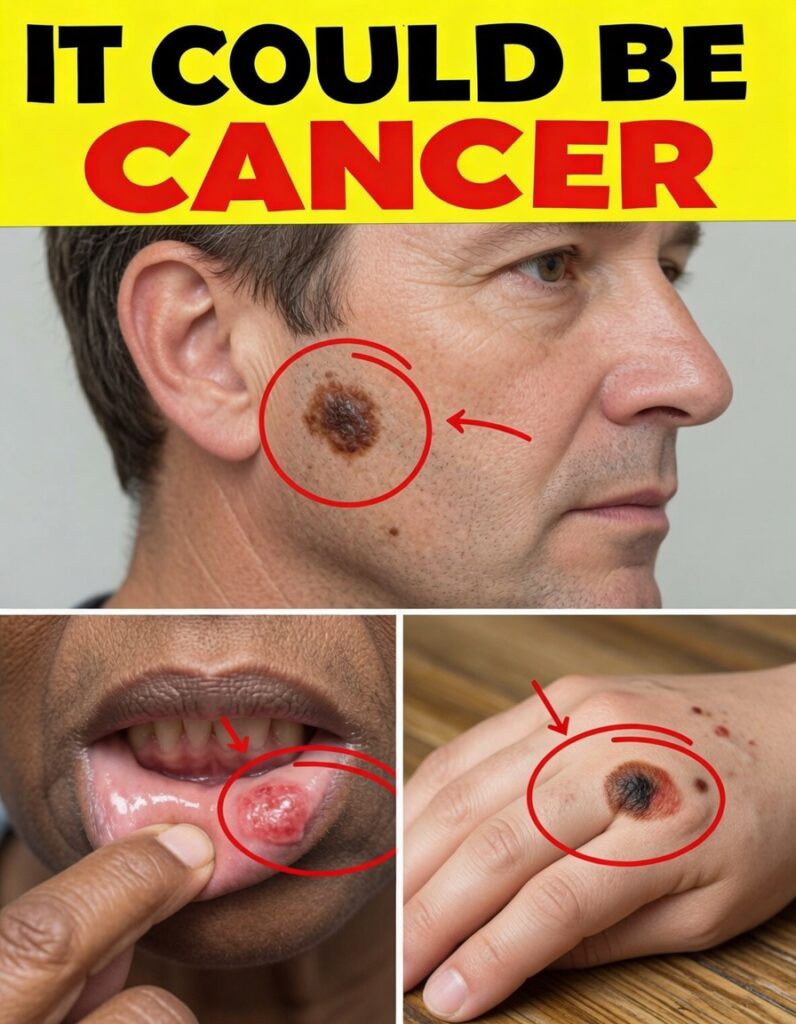
Many people dismiss subtle changes in their bodies as “just aging,” stress, or the normal ups and downs of daily life. A lingering cough, ongoing exhaustion, or a small new skin spot can seem too minor to bring up. However, evidence highlighted by organizations such as the American Cancer Society shows that recognizing changes early can improve outcomes—because some cancers are easier to treat when detected sooner. Over the past decades, the 5-year relative survival rate across all cancers has increased substantially (now around 69–70% for more recent diagnoses), in part due to greater awareness and earlier evaluation. Even so, postponing medical advice is still common.
What if noticing these often-overlooked signals could genuinely change the trajectory? This guide covers 14 research-informed warning signs worth taking seriously. Read through to the end for practical next steps you can start today—plus one simple habit that helps tie everything together for greater peace of mind.
Why Early Awareness Matters More Than Ever
As we get older, it’s easy to normalize aches, low energy, or new quirks in how we feel. Yet surveys and public health data suggest that millions of people live with persistent symptoms each year without getting them checked. The American Cancer Society and other health authorities consistently emphasize that many cancers respond better in earlier stages, before they have time to spread.
Ignoring ongoing changes can allow a problem to advance quietly. On the other hand, tracking symptoms and speaking with a clinician early puts you back in control. Research repeatedly links prompt evaluation with better options and, in many cases, reassurance.
Next, let’s move into the signs themselves—starting with one that surprises many people.
1. Unexplained Weight Loss
Dropping 10 pounds (about 4.5 kg) or more without changing diet or exercise can be a red flag. Some cancers can alter metabolism or reduce appetite—commonly discussed in relation to pancreatic, stomach, or lung cancers.
A useful benchmark from research and clinical practice: unintentional loss of about 5–10% of body weight may warrant medical discussion. Weigh yourself monthly, and if you notice a steady, unexplained decline, record the timing and any related symptoms to share with your doctor.
2. Persistent Fatigue That Doesn’t Improve with Rest
Feeling drained once in a while is normal. But deep, ongoing fatigue that doesn’t improve after sleep or time off can interfere with daily life and should not be brushed aside. It may occur due to anemia or the body’s response to abnormal cells, and it’s often noted in blood-related cancers such as leukemia and lymphoma.
Because fatigue can be blamed on stress or a busy schedule, it’s frequently overlooked. If it persists and feels out of proportion to your routine, bring it up with a healthcare professional.
3. Recurrent Fevers Without a Clear Reason
Fevers that keep returning—especially low-grade fevers, nighttime spikes, or night sweats—can reflect immune system activity. Certain blood cancers may present this way.
Consider tracking your temperature for a week (including time of day and associated symptoms). If there’s no clear explanation—such as a known infection—mention the pattern during a medical visit.
4. A Cough or Hoarseness That Lasts for Weeks
A cough that doesn’t go away after 3–4 weeks, or hoarseness that lingers, deserves attention—particularly if you notice blood when coughing. These symptoms can be linked to several conditions, including issues affecting the lungs or throat.
Health research and clinical guidance consistently support early assessment when respiratory symptoms persist beyond a typical recovery window.

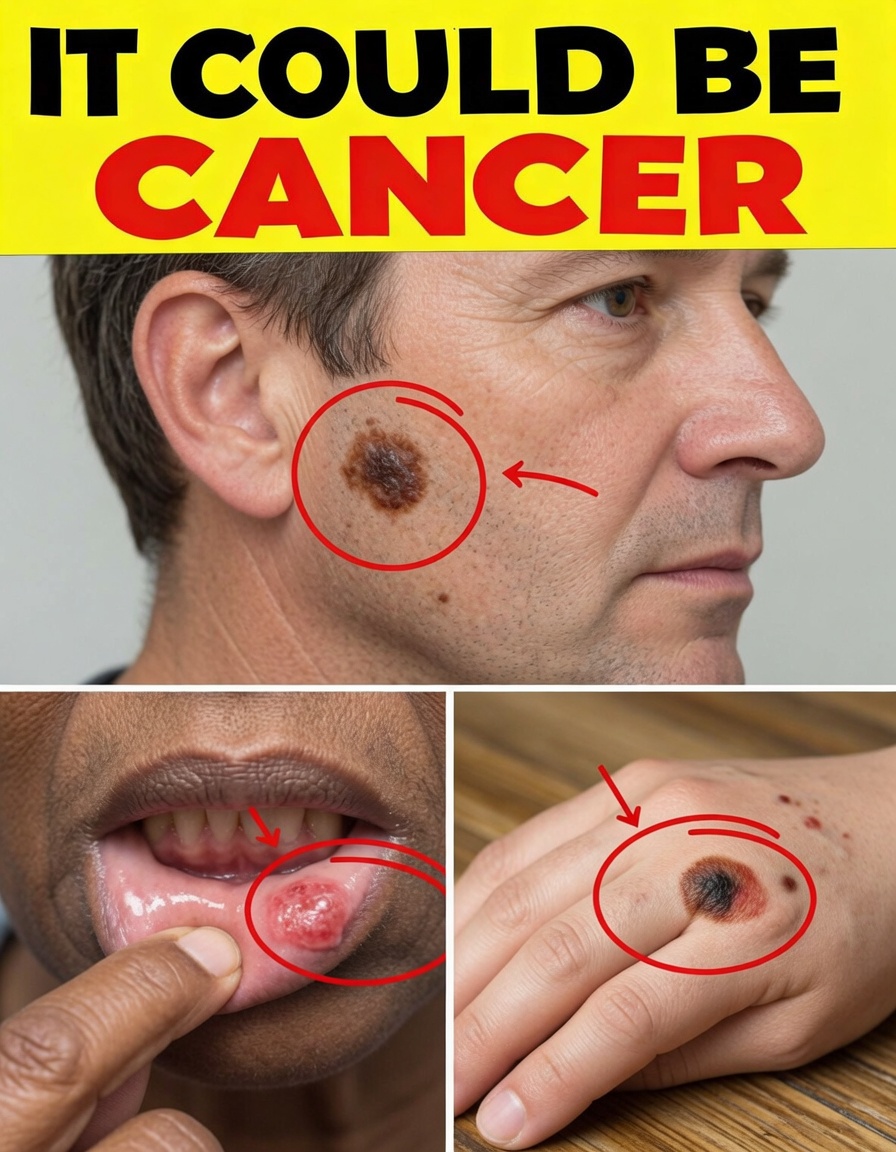
5. Skin Changes: New or Evolving Moles and Spots
Skin changes can be easy to miss until they become obvious. Pay attention to moles or spots that change in size, shape, color, or sensation. A widely used self-check approach is the ABCDE rule:
- A — Asymmetry
- B — Border irregularity
- C — Color variation
- D — Diameter larger than 6 mm
- E — Evolving (any change over time)
Also watch for new growths or sores that don’t heal, especially on sun-exposed areas. Regular self-checks can support earlier detection of issues such as melanoma.
6. Sores That Don’t Heal
A sore on the skin—or in the mouth—that lasts longer than 3 weeks should be evaluated. Persistent ulceration, scabbing, or reopening can signal a problem that needs medical review.
7. Unusual Bleeding or Unexpected Discharge
Bleeding that seems abnormal is never something to “wait out.” Examples include:
- Blood in the stool
- Blood in the urine
- Coughing up blood
- Unusual vaginal bleeding
- Nipple discharge not related to breastfeeding
These can be associated with conditions including colorectal, bladder, cervical, and other cancers. Seek medical advice promptly.
8. Long-Lasting Changes in Bowel or Bladder Habits
Changes that last for weeks—rather than days—are more concerning. Watch for:
- Persistent diarrhea or constipation
- Narrower stools than usual
- New urinary issues such as increased frequency or urgency
Keeping a short log of patterns (frequency, timing, and triggers) can make your doctor’s evaluation more accurate.
9. Difficulty Swallowing or Ongoing Indigestion
If food feels like it’s “sticking,” swallowing becomes painful, or indigestion/heartburn persists, don’t ignore it. Ongoing symptoms can be linked to concerns involving the esophagus, stomach, or throat.
When digestive discomfort becomes persistent rather than occasional, evaluation is important.
10. New Lumps or Swelling in Unusual Places
A painless lump in the neck, armpit, groin, or elsewhere may reflect lymph node changes or other tissue abnormalities. New breast thickening or a noticeable mass also falls into this category.
Self-checks and paying attention to new swelling help you identify changes earlier.
11. Persistent Abdominal Pain, Fullness, or Bloating
Frequent bloating, ongoing abdominal discomfort, or a feeling of fullness that doesn’t improve can point to gastrointestinal issues that deserve attention—especially when symptoms are new, persistent, or worsening.
12. Breast Changes in Women and Men
Breast cancer can affect any gender. Watch for:
- A new lump or thickening
- Skin dimpling or texture changes
- Redness or persistent irritation
- Nipple changes (inversion, scaling, discharge)
- Ongoing breast pain without a clear cause
Routine awareness plus appropriate clinical exams and screening can improve early detection.
13. Severe, Rest-Resistant Fatigue (A Critical Repeat)
Fatigue is listed earlier, but it deserves repeating because it’s so commonly minimized. When exhaustion is extreme, persistent, and not relieved by rest, it may reflect deeper metabolic or systemic changes.
If fatigue is overwhelming—especially alongside other signs—seek medical advice.
14. Ongoing Pain Without an Obvious Cause
Pain that persists in the back, bones, or other areas—and doesn’t respond to normal remedies—should be assessed. Sometimes persistent pain can result from pressure on tissues or other internal changes.

Quick Memory Guide: Symptom → Possible Association → What to Do
- Unexplained weight loss → often discussed with pancreatic/stomach/lung cancers → track monthly
- Persistent cough/hoarseness → possible lung/throat concerns → record duration + any blood
- New or changing moles/spots → melanoma/skin cancers → use the ABCDE checklist
- Sores that won’t heal → skin/oral concerns → monitor beyond 3 weeks
- Unusual bleeding/discharge → colorectal/bladder/cervical and more → seek care promptly
- Bowel or urinary habit changes → colorectal/prostate and other conditions → log patterns for your visit
Actionable Steps: Build Awareness Starting Today
Use this simple timeline to stay proactive:
-
Weeks 1–2: Start a symptom journal
- Track weight, energy level, skin changes, cough duration, digestion, and any bleeding.
- Note what’s new, what’s persistent, and what’s getting worse.
-
Weeks 3–4: Review what’s still there
- If a symptom persists (or multiple signs overlap), book a medical appointment and bring your notes.
-
Ongoing (1 month+): Stay current with recommended screenings
- Follow age- and risk-based guidance for screenings such as mammograms, colonoscopies, and skin checks.
- Annual physicals can catch issues that produce few early symptoms.
Tip: Make the ABCDE mole check a regular habit. Pair self-awareness with routine healthcare visits for the strongest protection.
Key Takeaway: Awareness Plus Action Changes Outcomes
Many warning signs develop slowly or overlap with everyday conditions. The real advantage comes from connecting patterns early and acting promptly. In many situations, an evaluation provides reassurance; when something is found, earlier detection often supports better options.
To start today: do a quick body check, write down anything that seems new or persistent, and commit to following up if it doesn’t resolve.
FAQ
What should I do if I notice one or more of these signs?
Schedule an appointment with a healthcare professional for evaluation. Many causes are not cancer, but getting checked brings clarity and protects your health.
Do these symptoms always mean cancer?
No. Many have common, non-cancerous explanations (infections, medications, stress, or lifestyle factors). The key concern is persistence, unusual severity, or multiple overlapping symptoms.
How often should I get screened for cancer?
Follow evidence-based recommendations from sources such as the American Cancer Society, based on age, family history, and personal risk factors. Your clinician can help tailor a plan for you.
Medical disclaimer: This article is for informational purposes only and does not replace professional medical advice. Always consult a qualified healthcare provider about symptoms or health concerns.