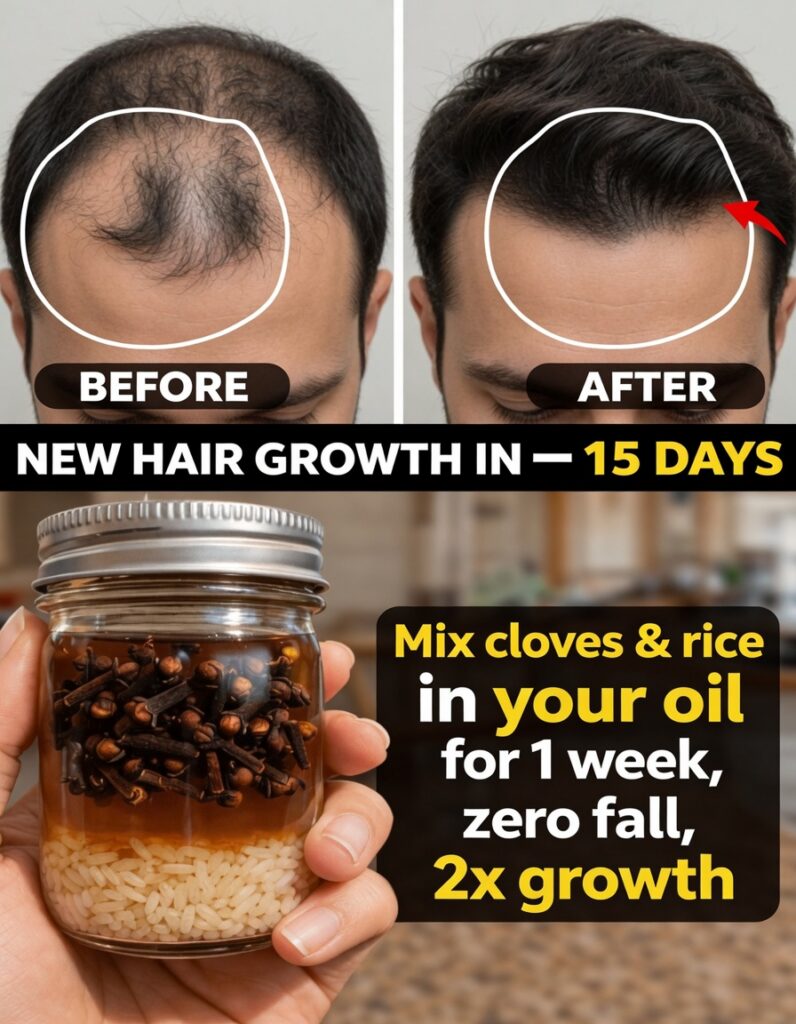
Hair Shedding Along the Hairline: Why It Feels So Sudden
Losing hair around the hairline can be upsetting—especially when it seems to happen overnight. You might spot extra strands on your pillow, notice thinner edges in pictures, or find that your part looks wider and harder to style. The more you fixate on it, the more stressful it becomes—and stress can influence how your hair behaves and how it looks.
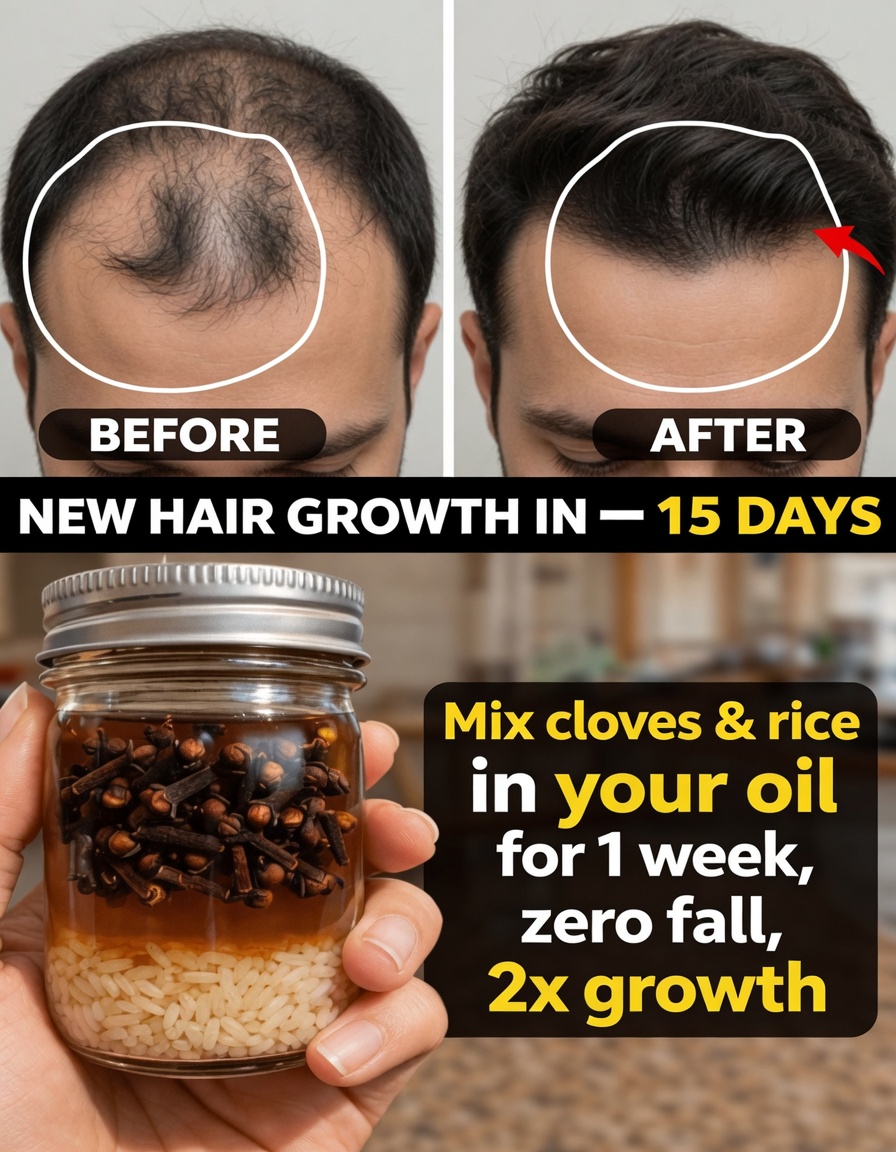
A simple at-home ritual many people are trying involves rice and clove-infused oil. What’s most interesting isn’t the “promise” of the ingredients—it’s that how you use it may matter more than what you expect it to do.
Why Rice and Clove Oil Is Getting So Much Attention
Natural hair care trends tend to return because they’re rooted in longstanding routines:
- Rice water has been used for generations in parts of Asia as a beauty practice.
- Cloves, known for their strong aroma and antioxidant profile, have appeared in traditional scalp oils in multiple cultures.
The key detail: these ingredients aren’t miracle cures. Instead, they may help support a healthier scalp environment when used consistently and sensibly—within a routine that also respects overall hair and body health.
That perspective changes the entire conversation.
Understand Hair Shedding Before You Try Any Remedy
Before starting a home treatment, it’s helpful to know what counts as normal.
Many people naturally shed around 50–100 hairs per day. Hair also follows a repeating cycle:
The Hair Growth Cycle
- Anagen: active growth phase
- Catagen: short transition phase
- Telogen: resting phase when shedding occurs
Multiple factors can disrupt how these stages behave, including:
- stress and poor sleep
- hormonal fluctuations
- tight hairstyles and traction
- nutrient gaps
- harsh chemical processing or heat styling
Dermatology-focused research often highlights scalp condition as a major contributor to how hair looks and feels. A scalp with less irritation and better circulation may support stronger-looking hair over time—this is where rice and clove oil often enters the discussion.
What Rice May Contribute to Hair Appearance
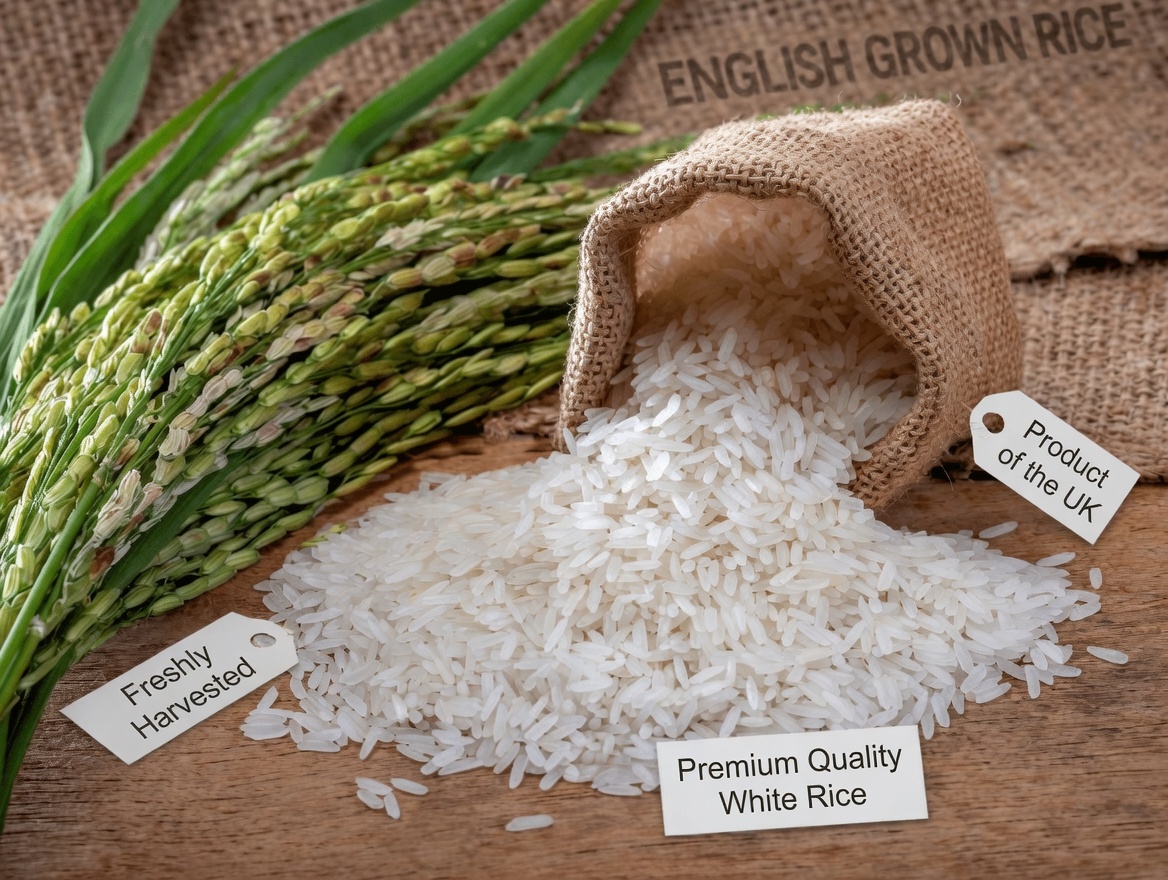
Rice is frequently mentioned in hair care because it contains components associated with hair feel and manageability, such as:
- Inositol, a carbohydrate often linked to improved hair flexibility
- Amino acids, the building blocks of protein structures
- Trace minerals, which can support overall scalp condition
Some lab-based findings suggest inositol may reduce surface friction and improve the look of damaged strands. This research generally points more toward cosmetic benefits than medical outcomes—but smoother strands can appear healthier and fuller.
Rice-based rinses may also leave a light coating on the hair shaft, which can enhance shine and reduce tangling.
What Cloves Add to a Scalp Routine
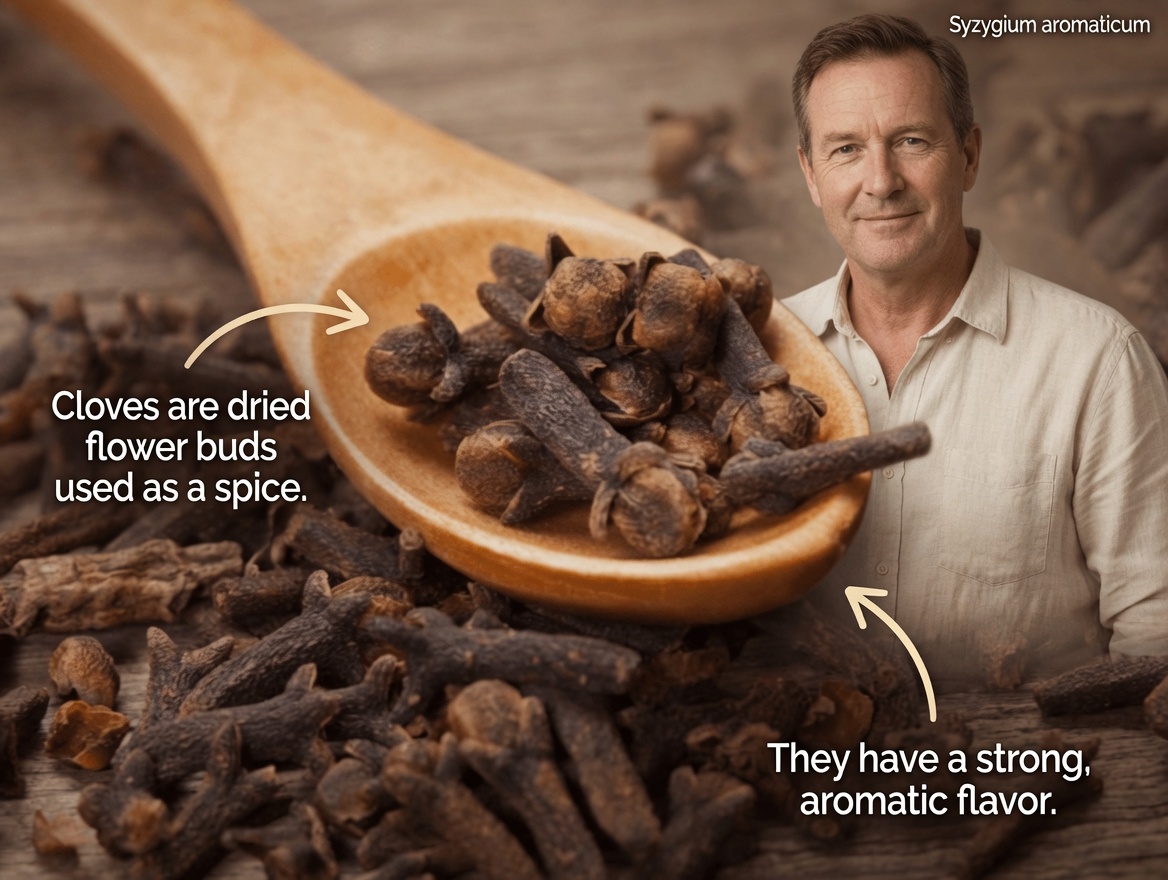
Cloves contain eugenol, a naturally occurring compound recognized for antioxidant activity. Antioxidants help counter oxidative stress, which can affect scalp comfort and the overall appearance of hair.
Limited small-scale evidence suggests clove extracts may support microcirculation when applied to the skin. Better circulation can help maintain a more balanced scalp environment.
But dosage is everything. Clove oil is potent and may cause irritation when used undiluted—especially on sensitive scalps. That’s why many routines rely on clove infusion in a carrier oil, rather than applying essential oil directly.
A common mistake is using too much.
Why Infusing Cloves in a Carrier Oil Matters
When whole cloves steep in a carrier oil—such as coconut, jojoba, or olive oil—active compounds diffuse gradually. The result is usually a milder, more scalp-friendly blend.
Carrier oils may help with:
- moisture support
- reduced dryness
- improved comfort
- easier, smoother scalp massage
And the massage itself is not a minor detail. Small studies suggest that consistent scalp massage may improve hair thickness over time, likely by increasing blood flow and providing mechanical stimulation. In other words, the technique can be just as important as the oil.
Rice and Clove Oil vs. Other Popular Hair Trends
Here’s a simplified comparison to keep expectations grounded:
-
Rice rinse
- Main focus: hair shaft smoothness and shine
- Evidence level: moderate for cosmetic support
- Irritation risk: low
-
Clove-infused oil
- Main focus: scalp stimulation via massage and antioxidants
- Evidence level: limited but promising
- Irritation risk: moderate if overused
-
Onion juice
- Main focus: sulfur-related compounds
- Evidence level: limited small studies
- Irritation risk: higher; strong odor and potential sensitivity
-
Rosemary oil
- Main focus: circulation and scalp support
- Evidence level: some clinical comparison data
- Irritation risk: low when properly diluted
Evidence varies, but one principle tends to win across routines: consistency matters more than intensity.
How to Make Rice and Clove-Infused Oil at Home
1) Choose a Base (Carrier) Oil
Pick a carrier oil that suits your scalp type:
- coconut oil
- sweet almond oil
- jojoba oil
If your scalp gets oily easily, jojoba often feels lighter.
2) Add Whole Cloves
Use 1–2 tablespoons of whole cloves per 1 cup of oil.
For beginners, it’s safer to avoid clove essential oil unless you understand correct dilution.
3) Infuse Gently
- Place the mixture in a clean glass jar.
- Store in a cool, dark spot for 5–7 days.
- Shake gently once per day.
Faster method (optional): warm the oil lightly using a double-boiler approach. Keep it warm—not hot.
4) Optional: Adding Rice
Some people also infuse rice into oil, but be cautious:
- only use clean, completely dry rice
- avoid introducing moisture (to reduce spoilage risk)
- strain the oil thoroughly before use
Patch test first. Apply a small amount behind your ear or on your inner arm and wait 24 hours.
How to Use It Safely (Technique Matters)
A safer, more effective approach is gentle and minimal:
- Put a small amount on your fingertips
- Massage into the scalp in circular motions for 5–10 minutes
- Leave it on for 30–60 minutes
- Wash out with a mild shampoo
Use 1–2 times per week.
Using more product more often can backfire—buildup may weigh hair down, clog pores, or irritate reactive skin.
Habits That Support Healthier-Looking Hair
Oil can support a routine, but it’s not the entire foundation. Hair appearance is strongly influenced by overall health. Helpful supports include:
- adequate protein intake
- iron-rich foods (for example, leafy greens)
- enough sleep
- stress-reduction habits
- gentler styling and less tension on the hairline
Chronic stress can shift more hair into the shedding phase. Managing stress through movement, breathing exercises, or mindfulness may indirectly improve hair outcomes.
Common Mistakes That Reduce Results
Avoid these frequent issues:
- applying essential oils undiluted
- using the oil daily without breaks
- not washing properly, leading to buildup
- expecting major changes within days
Hair cycles move slowly. Some texture or shine improvements may show up earlier, but density changes generally take longer.
What You Can Realistically Expect
Clear expectations help prevent disappointment.
Dramatic claims like “zero hair fall” or “double growth in 7 days” are not backed by strong clinical evidence. What you may notice instead:
- calmer, more comfortable scalp
- softer hair feel
- less breakage from dryness
- improved shine and manageability
Over several months, regular scalp massage paired with gentle care may help hair look fuller—often through improved condition rather than instant new growth.
When to Talk to a Professional
Seek professional support if you have:
- sudden or heavy shedding
- bald patches
- persistent itching, redness, or pain
Hair loss can be linked to underlying causes such as:
- hormone changes
- nutrient deficiencies
- thyroid imbalance
- autoimmune conditions
A natural routine can complement care, but it shouldn’t replace medical evaluation when symptoms suggest a deeper issue.
The Takeaway
Rice and clove-infused oil works best as a supportive scalp-care ritual—not a guaranteed fix. When prepared carefully, used in moderation, and paired with consistent scalp massage and healthy habits, it may help improve scalp comfort, hair texture, and overall appearance over time.