As we get older, small discomforts can feel bigger than they used to—like occasional heartburn that interrupts a favorite meal, or itchy, irritated skin that makes it hard to sleep. When these issues seem to intensify with age, many seniors start looking for simple, affordable options that don’t feel “too harsh” or complicated.
Baking soda (sodium bicarbonate) is one of those classic pantry staples that generations have relied on. Because it’s mildly alkaline, it can help neutralize acids and may offer short-term relief for a few everyday annoyances when used carefully. And there’s one overlooked use—especially relevant for older adults—that you’ll find at the end.
The Everyday Problems Baking Soda May Help Seniors Manage
Many seniors deal with occasional indigestion after a rich meal or a social gathering—turning what should be enjoyable time into discomfort and distraction. Baking soda’s acid-neutralizing action is widely recognized, and major medical resources (including Mayo Clinic-style guidance) often mention it as a possible short-term option for occasional, acid-related symptoms.
It’s also valued because it’s simple: one inexpensive ingredient, widely available, and easy to prepare at home—especially helpful when the supplement and OTC aisle feels overwhelming.
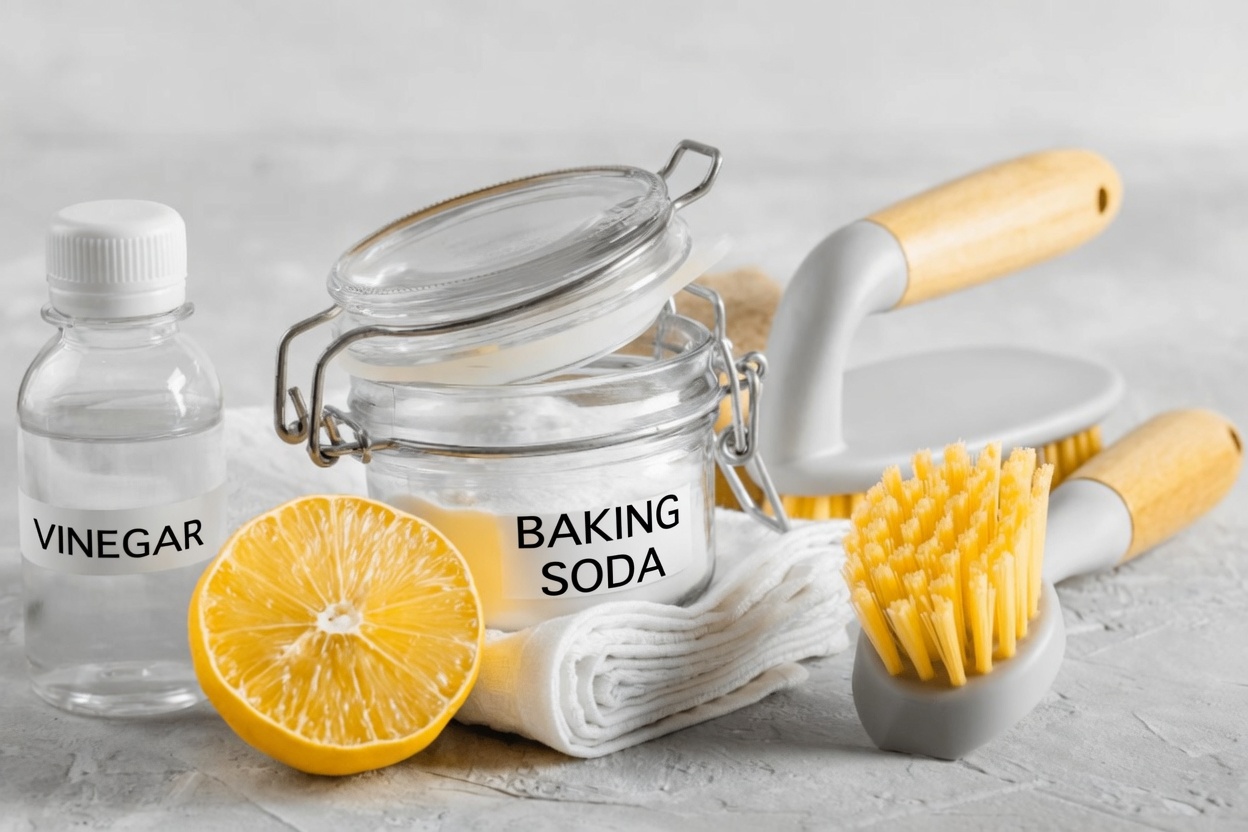
Why Baking Soda Can Feel “Gentle” (When Used Correctly)
Dryness, minor irritation, and itchy skin can be maddening—particularly at night. Baking soda’s pH-balancing properties are one reason people use it topically for short-term soothing. In some cases, it may help take the edge off mild itchiness by supporting a more balanced skin surface environment.
Internally, it works differently: the alkalinity can react with stomach acid, which is why some people use it for occasional heartburn. The key for seniors is moderation and smart use, since baking soda contains sodium and isn’t meant as a daily long-term remedy.
Practical, At-Home Ways Seniors Commonly Use Baking Soda
For minor itchiness such as occasional bug bites, a simple paste is a popular approach: mix baking soda with a little water until it becomes thick, then apply briefly and rinse.
What makes baking soda useful is its flexibility—you can prepare it as a drink (for occasional digestive discomfort), a rinse (for mouth comfort), a spot paste (for skin), or a soak (for relaxation).
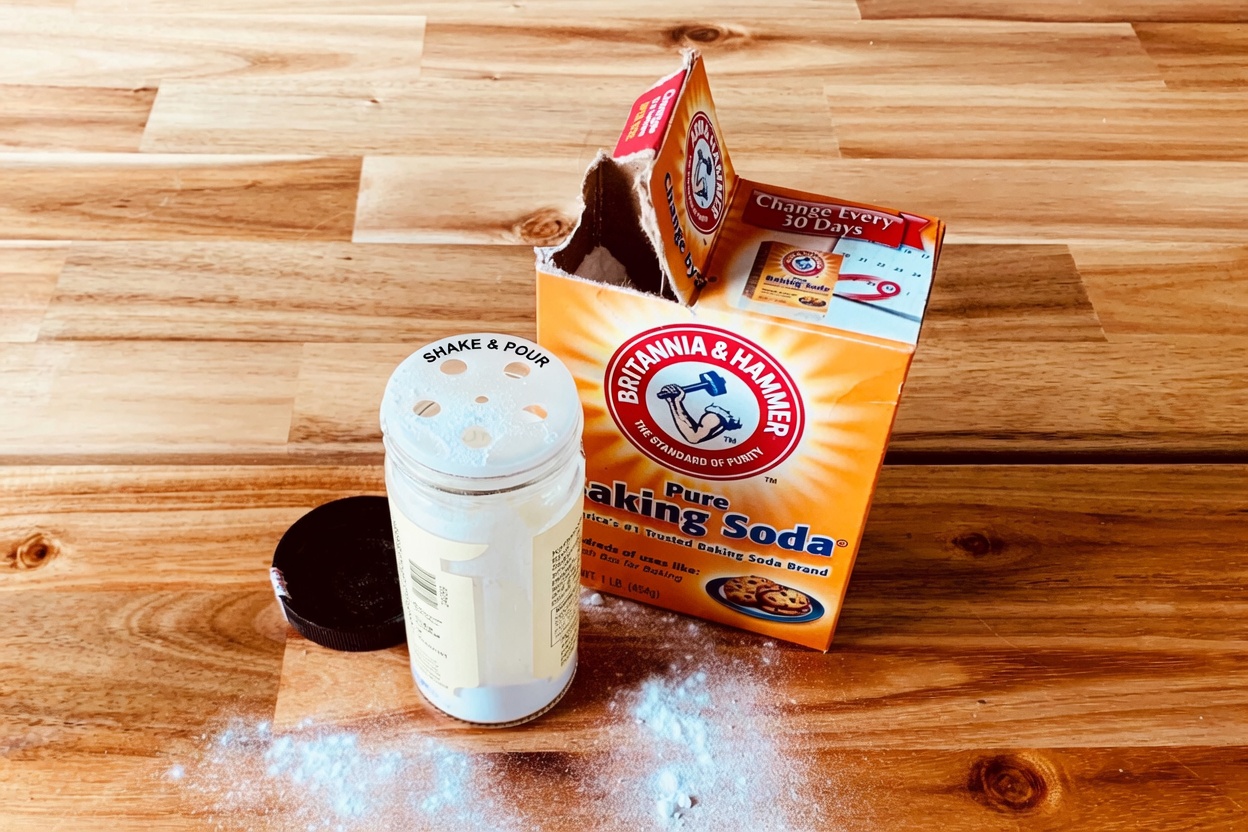
Quick Reference: Baking Soda Uses for Seniors (Simple Prep Guide)
| Use Type | For Occasional Relief | How to Prepare | Potential Benefit | Frequency Suggestion |
|---|---|---|---|---|
| Digestive | Heartburn/indigestion | Dissolve 1/2 tsp in 4 oz (120 ml) water | Helps neutralize acid | As needed, sparingly |
| Oral | Mouth discomfort / breath freshness | Rinse with a mild solution, then spit | Gentle soothing and pH support | 2–3 times daily (short-term) |
| Skin | Itchiness / minor bites | Make a paste with water | Calms mild irritation | Spot use only |
| Bath | Muscle tension / skin comfort | Add 1/2 cup to a warm tub | Relaxing soak | About weekly (as tolerated) |
| Deodorizing | Foot or body odor | Sprinkle in shoes or dissolve for a soak | Absorbs odor and moisture | Daily if needed |
For many seniors, even something as simple as foot odor control can restore confidence during visits with friends or family.

13 Surprising (and Common) Ways Baking Soda May Help Seniors
Rough heels, occasional mouth irritation, or post-activity aches can affect comfort and mobility. Below is a practical “countdown” of ways seniors often use baking soda at home—focused on mild, everyday concerns.
- Occasional heartburn support: Baking soda water may temporarily ease a burning sensation by neutralizing stomach acid.
- Post-meal indigestion relief: Some seniors find a small, diluted dose helpful for short-term bloating or discomfort after eating.
- Occasional urinary comfort (research is mixed—ask a clinician first): Because baking soda is alkalizing, it’s sometimes discussed in this context, but seniors should get individualized medical advice.
- Soothing minor gum tenderness: A gentle rinse may help with temporary irritation that makes chewing uncomfortable.
- Gentle underarm deodorizing: A light dusting can reduce odor for those avoiding heavily fragranced products.
- Warm bath soak for muscle relaxation: Dissolved in bathwater, it can feel soothing after routine activity-related stiffness.
- Comfort for minor kitchen burns (very mild cases): Some people use a cool paste briefly to reduce sting—avoid broken skin and seek care for serious burns.
- Occasional itchy scalp support: A small amount mixed into shampoo may help reduce the “flake” feeling for some people (use sparingly to avoid dryness).
- Natural breath freshening: Swishing a mild solution can help the mouth feel cleaner before social interactions.
- Canker sore discomfort support: A diluted rinse may soothe the mouth, making eating and speaking easier.
- Calming minor bug-bite itch: A short-contact paste can help reduce the urge to scratch.
- Gentle exfoliation for rough heels: A paste can help loosen rough patches that make walking uncomfortable—don’t over-scrub.
- Shoe and foot odor control: Sprinkling baking soda into shoes can absorb moisture and reduce unwanted smell.
Step-by-Step: How to Use Baking Soda More Safely
Seniors often do best with simple instructions, conservative amounts, and clear limits.
1) Baking Soda Mouth Rinse (For Temporary Mouth Discomfort)
- Dissolve 1/2 teaspoon baking soda in 4 oz (120 ml) warm water
- Swish gently for 30 seconds, then spit
- Use 2–3 times daily for a short period
- If irritation occurs, stop and switch to plain water rinses
2) Baking Soda Paste for Itchy Skin (Spot Use)
- Mix 3 parts baking soda with 1 part water to form a paste
- Apply to a small area for up to 10 minutes
- Rinse thoroughly and pat dry
- Patch test first, especially on thin or sensitive skin
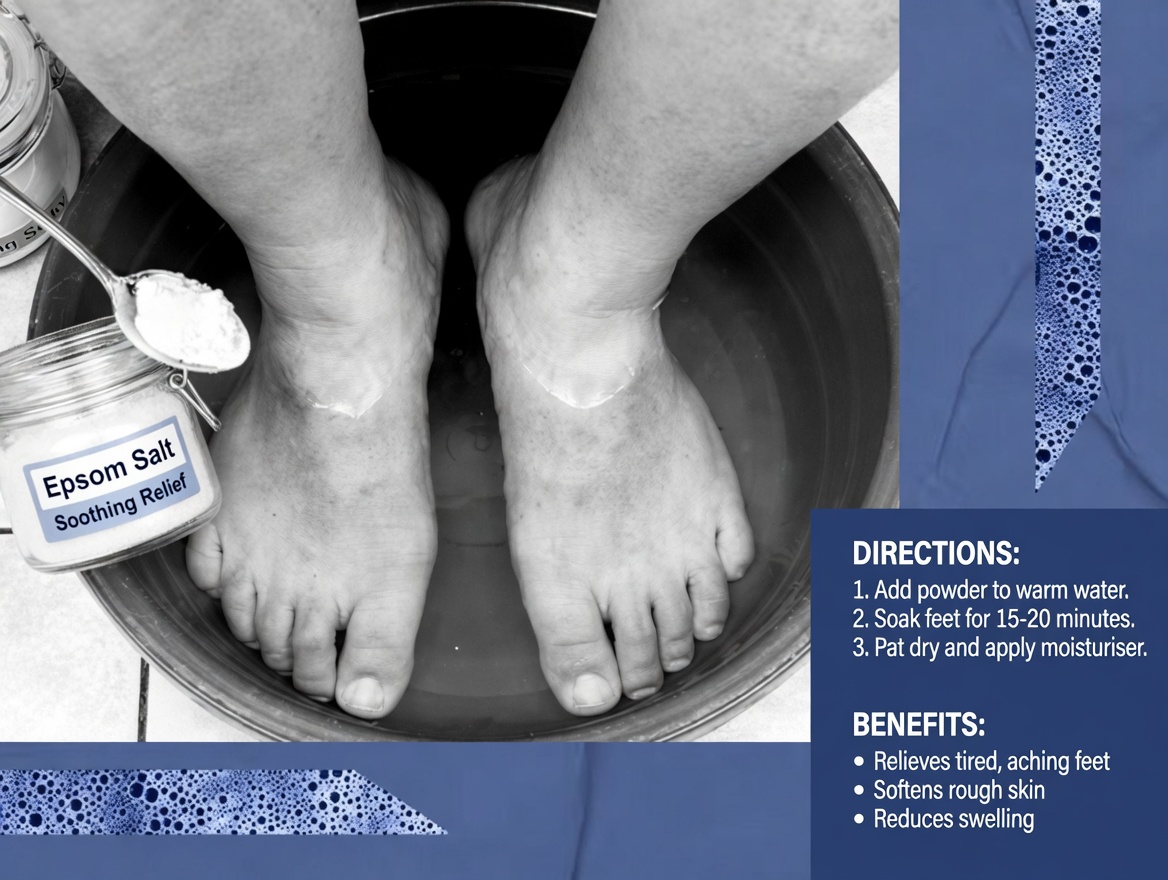
3) Baking Soda Bath Soak (For Relaxation and Comfort)
- Add 1/2 cup baking soda to a warm bath
- Soak for 15–20 minutes
- Rinse lightly afterward if skin feels slippery
- Drink water after bathing, especially if you’re prone to dehydration
Real-World Experiences Seniors Often Share
Some seniors describe baking soda as a “simplifier” in their routine.
- Robert, 68, felt tired of constantly reaching for antacids. Using an occasional baking soda-and-water mix (sparingly) felt like a straightforward, at-home option for short-term relief.
- Gloria, 75, struggled with itchy, dry skin that made sleep difficult. Using a short-contact paste on small areas helped her feel calmer at night.
Individual results vary, and personal tolerance matters—especially for taste and stomach sensitivity.
Safety Guidelines Seniors Should Keep in Mind
Baking soda can be helpful, but it isn’t risk-free—particularly for older adults managing medications, blood pressure, or sodium restrictions.
- Do not use it as a daily long-term internal remedy.
- For internal use, keep it conservative: no more than 1/2 teaspoon per dose, diluted in water.
- Avoid if you’re on a low-sodium diet or managing conditions where sodium intake matters—unless your clinician approves.
- Never swallow it dry; always dilute in water.
- If you develop stomach pain, nausea, vomiting, swelling, or worsening symptoms, stop immediately and seek medical advice.
- For skin use, choose plain baking soda (no added fragrances), and patch test first.
Bonus (Often Overlooked): Baking Soda for Denture Freshness
Many people talk about heartburn and skin use—but seniors often overlook a practical everyday application: helping deodorize dentures or retainers.
A common approach is soaking dentures briefly in a mild baking soda solution to reduce odors. Follow your denture manufacturer’s instructions and consider asking your dentist what’s safe for your specific material (some products can be damaged by the wrong cleaner).
Conclusion
Baking soda can be a simple, low-cost way for seniors to explore short-term support for common discomforts—such as occasional heartburn, mouth irritation, minor itchiness, and even routine deodorizing needs. Used carefully, it can fit into at-home routines without complicated ingredients.
The most important rule is moderation and safety: treat baking soda as an occasional helper, not a long-term cure, and check with a healthcare professional if symptoms persist or if you have conditions affected by sodium or acid-base balance.