Sleeping on Your Stomach: Why It May Be Causing Morning Aches (and What to Do Instead)
Many people drift off most easily while sleeping on their stomach, because it feels warm, secure, and familiar. But if you regularly wake up tired, with a stiff neck or an aching back, your preferred position may be a major reason. The encouraging part is that you don’t have to overhaul your entire routine—small, practical changes can make sleep noticeably more comfortable.
Stay with this guide to the end for a simple adjustment that helps many stomach sleepers transition without losing that “cozy” feeling.
Potential Concerns With Sleeping on Your Stomach
At first glance, stomach sleeping (prone sleeping) seems harmless. Yet it’s commonly linked to “mystery” discomfort that shows up after waking and can linger into the day, leaving you feeling low on energy and less focused. Health research and clinical observations suggest this position can interfere with normal breathing mechanics, which may help explain why some people wake up feeling unrested—or even slightly short of breath.
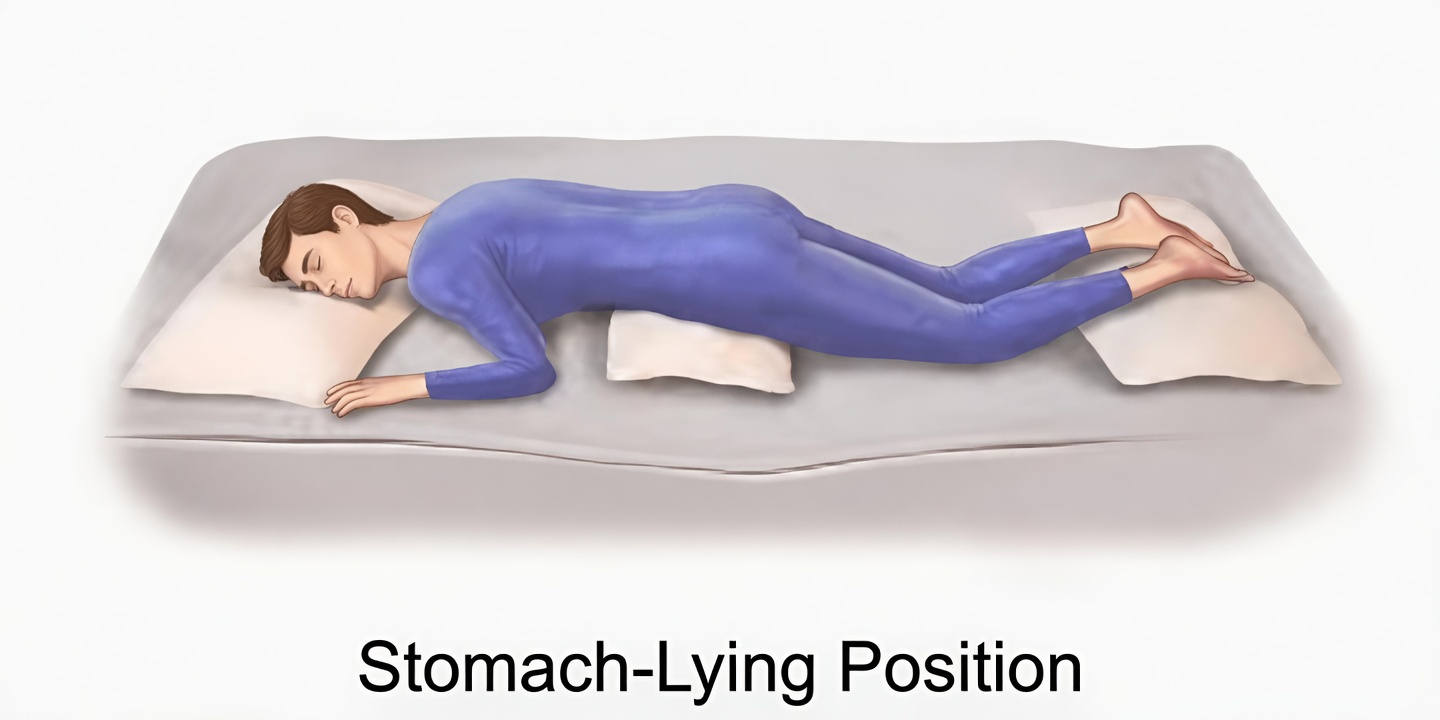
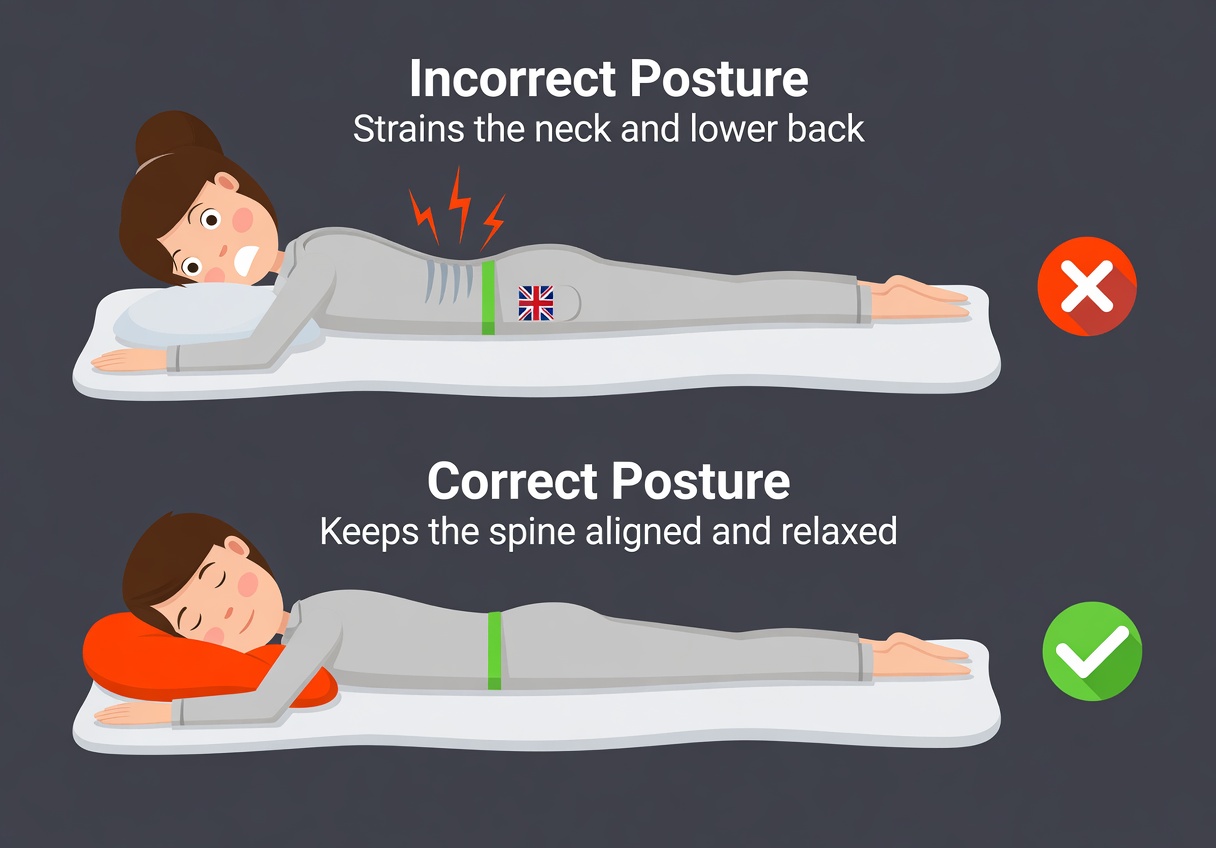
Another issue is structural: sleeping on your stomach can place ongoing stress on the spine, contributing to the morning soreness that disrupts your routine. If you’ve ever woken up with your head turned sharply to one side and your neck feeling “stuck,” you’ve experienced one of the most frequent drawbacks of prone sleeping.

How Stomach Sleeping Can Affect Breathing and Overall Comfort
When you lie face-down, your chest and ribcage can be slightly compressed, and your neck usually stays rotated for long periods. This combination may encourage shallower breathing, which can increase restlessness and reduce sleep quality—leaving you groggy the next day.
In some cases, prone sleeping can limit lung expansion, potentially lowering how efficiently you breathe during the night. This strain is easy to miss because it happens while you’re asleep, but over time it may contribute to daytime fatigue, low mood, and that persistent “not fully rested” feeling.
What Infant Sleep Guidelines Can Teach Us (and Why Adults Still Should Care)
For infants, medical guidance has strongly discouraged stomach sleeping due to increased risk in certain circumstances, recommending back sleeping to support safer airflow. While adults aren’t in the same situation, the underlying principle remains useful: sleep position can influence airflow and breathing stability.
Some studies also connect stomach sleeping with a greater likelihood of breathing pauses in vulnerable adult groups, which can add to concerns about interrupted rest. Realizing that a long-time favorite sleep habit might be contributing to fatigue can be discouraging—but it also gives you a clear place to start improving your sleep.
Common Effects of Sleeping on Your Stomach on Daily Health
Stomach sleeping doesn’t only affect the night; it can shape how your body feels all day. Common effects include:
- Spinal misalignment, which may contribute to ongoing back discomfort
- Neck strain from prolonged head rotation, potentially worsening posture over time
- Facial pressure, which may contribute to skin creasing for some people
- Lighter, less restorative sleep, leading to brain fog and reduced concentration
Sleep Positions Compared
| Sleep Position | Key Benefits | Potential Drawbacks | Best For |
|---|---|---|---|
| Prone (Stomach) | Feels cozy for some | May restrict airflow; can strain the neck and spine | Generally avoid if you have breathing concerns |
| Supine (Back) | Supports spinal alignment | May worsen snoring for some | People seeking a neutral posture |
| Lateral (Side) | Often supports breathing and digestion | Can create shoulder pressure without support | Many adults, especially those with reflux |
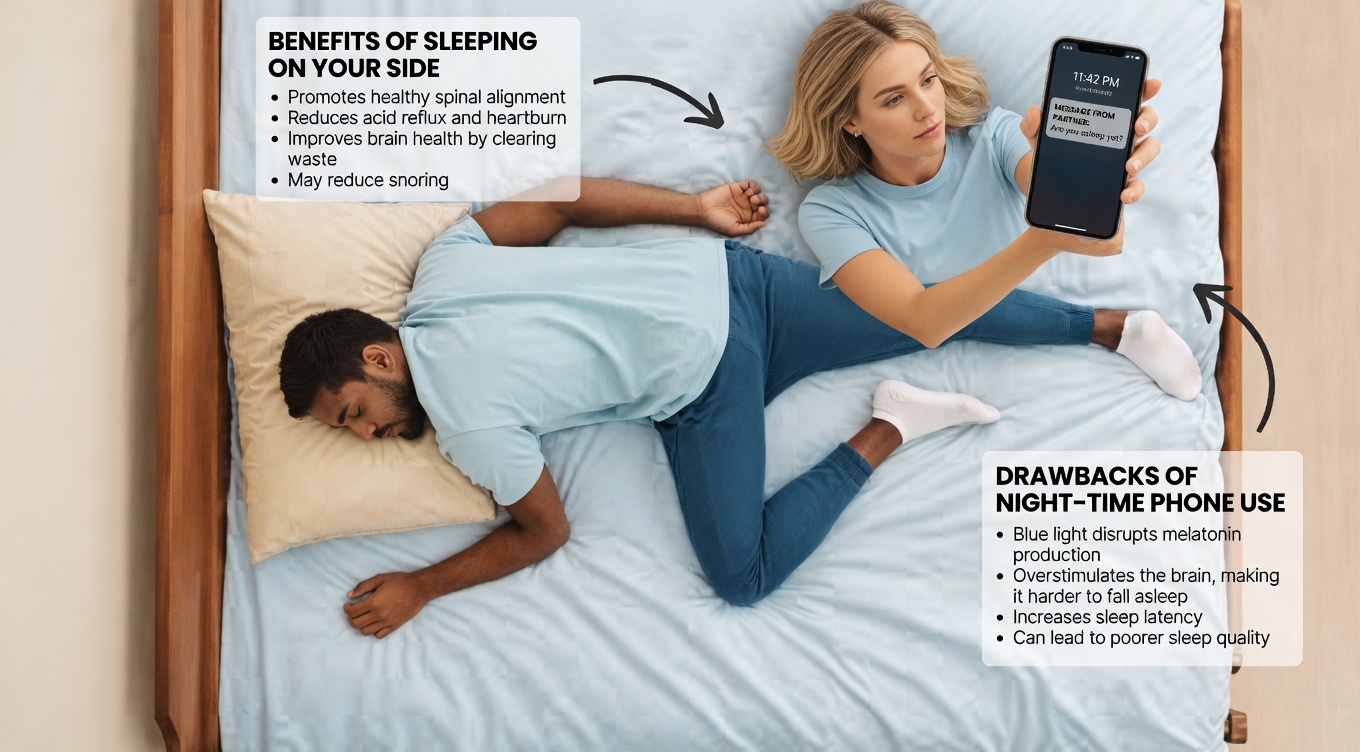
A Better Alternative: Side Sleeping Instead of Sleeping on Your Stomach
If sleeping on your stomach leaves you sore in the morning, side sleeping is often a more comfortable and body-friendly option. It can help keep the airway more open and may support healthier circulation. Many people also find that left-side sleeping feels especially good for digestion and may reduce reflux-related discomfort.
Another potential benefit: transitioning away from stomach sleeping can reduce snoring for some individuals. While the change may feel unusual at first, many people notice fewer aches and more consistent rest once they adapt.
Why Back Sleeping Can Be Easier on Your Body Than Stomach Sleeping
Back sleeping typically allows the spine to rest in a more neutral position, reducing the twisting and torque that often happens during stomach sleeping. It may also decrease pressure on the face, which some people prefer for skin comfort.
Because the chest is not compressed, back sleeping can support fuller breathing mechanics, which may be why some people feel more refreshed when they wake up.
Practical Tips to Stop Sleeping on Your Stomach (Without Losing Comfort)
Switching away from prone sleeping doesn’t need to be stressful. Try these strategies to make the transition smoother:
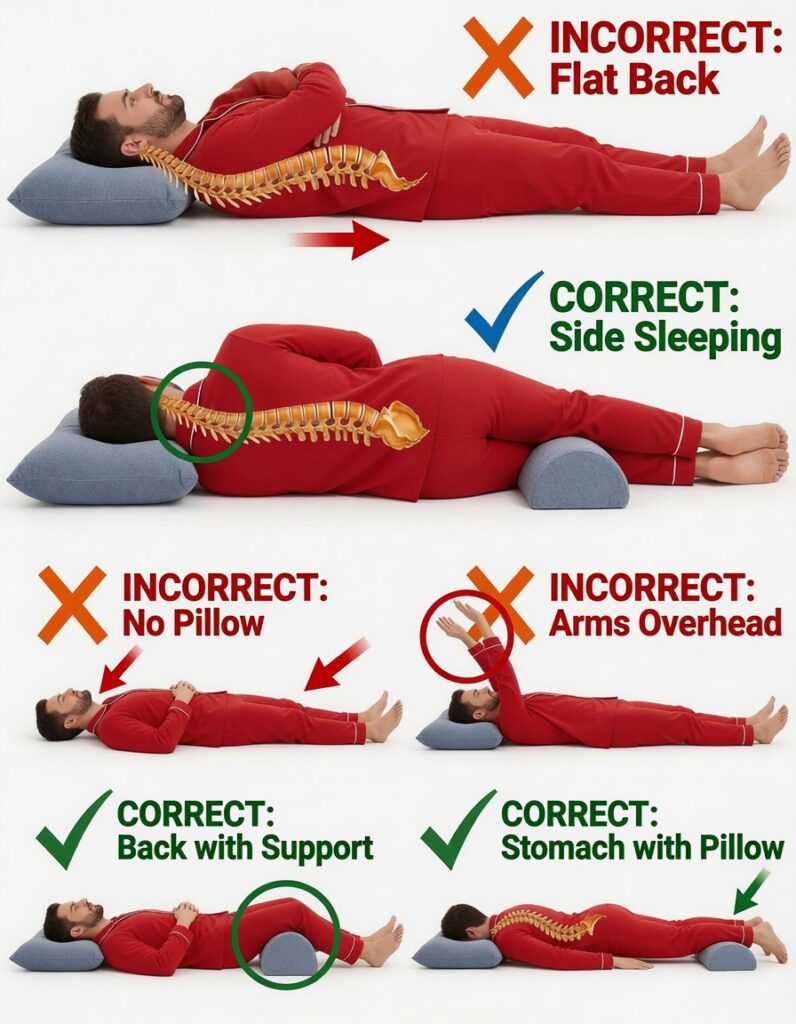
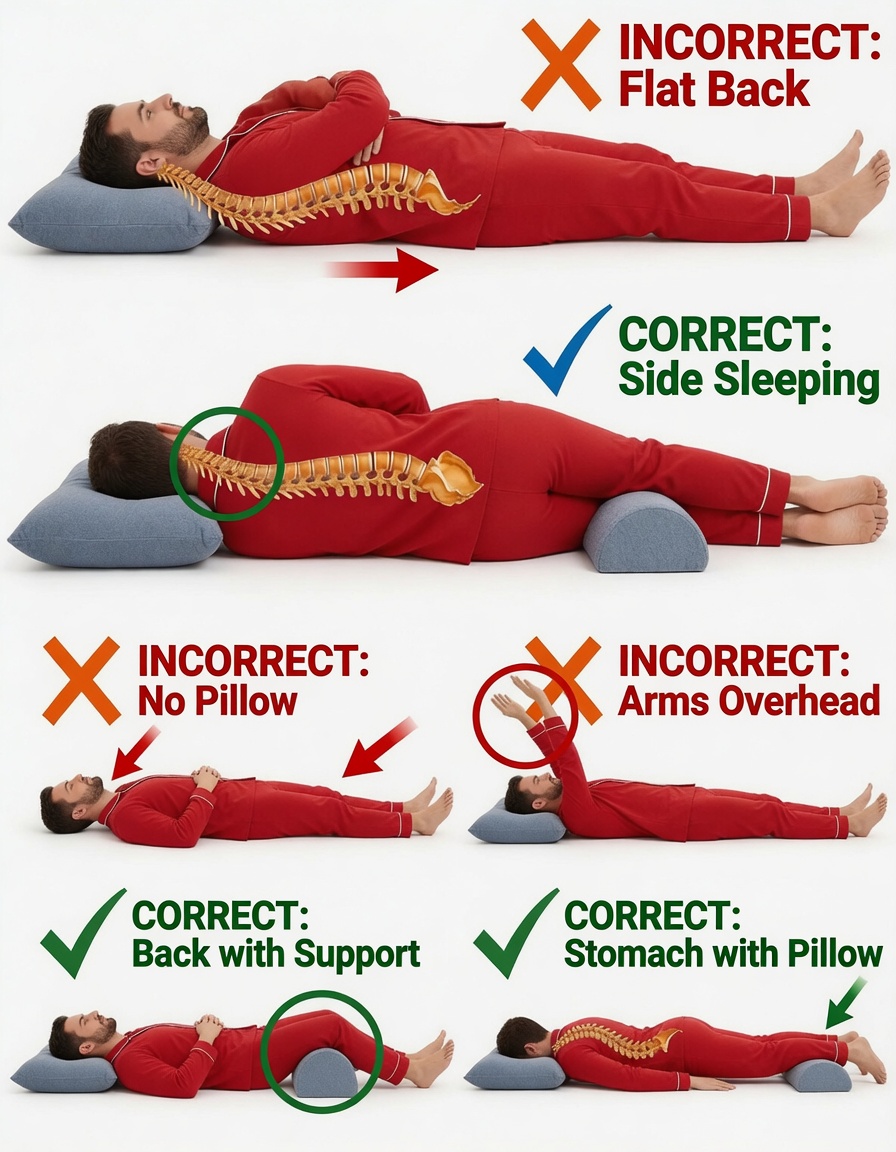
- Use a body pillow to create side support and reduce rolling onto your stomach.
- If you sleep on your side, place a pillow between your knees to align your hips and reduce lower-back tension.
- If you sleep on your back, try a thin pillow under your knees to support the natural curve of your spine.
- Practice during short naps first to build the habit gradually.
These small adjustments often reduce the discomfort associated with stomach sleeping and make it easier to wake up feeling looser and more energized.
When to Talk to a Professional
If stomach sleeping is paired with loud snoring, persistent daytime fatigue, or breathing-related concerns, it’s smart to speak with a healthcare professional. They can help determine whether an underlying sleep or breathing issue is contributing to your symptoms and recommend appropriate next steps.
Even if prone sleeping “works” for some people, getting support is worthwhile if you suspect it’s lowering your sleep quality or affecting your daily life.
Final Takeaway: Build Safer, More Comfortable Sleep Habits
If you regularly sleep on your stomach, it may be contributing to neck strain, back discomfort, and less restorative rest. Exploring side or back sleeping—along with simple pillow support—can improve comfort and help you wake up feeling better.
Here’s the promised simple tweak: Try hugging a pillow while sleeping on your side. It recreates the secure, cozy sensation of stomach sleeping—without the same strain on your neck, spine, and breathing.
FAQ
What are the main concerns with sleeping on my stomach?
Sleeping on your stomach can promote neck twisting and spinal stress, and it may also make breathing less efficient for some people. Many sleepers feel better with side or back positions.
Is side sleeping better than sleeping on your stomach?
Often, yes. Side sleeping typically supports a more open airway and may help digestion, especially if stomach sleeping is linked to restlessness or aches.
Should I see a doctor if sleeping on my stomach causes problems?
If you have ongoing fatigue, heavy snoring, or breathing concerns, consult a healthcare professional for personalized guidance.
Medical note: This article is for informational purposes only and is not a substitute for professional medical advice. Always consult your healthcare provider for individualized recommendations.