Subtle Changes That May Matter: 10 Warning Signs of Pancreatic Cancer
You wake up and notice a faint yellow cast to your skin. At the same time, you feel wiped out in a way that sleep doesn’t fix. On their own, these changes can seem minor—easy to blame on stress, a busy schedule, or getting older. But when they persist, they can disrupt your work, routines, and family life, leaving you anxious about what’s happening inside your body.
What if these “everyday” issues are actually among the warning signs of pancreatic cancer that clinicians say are often missed until later? Below are 10 warning signs of pancreatic cancer highlighted by major medical organizations, explained in a practical way so you know what to watch for and why it matters.
Why Pancreatic Cancer Can Be Difficult to Detect Early
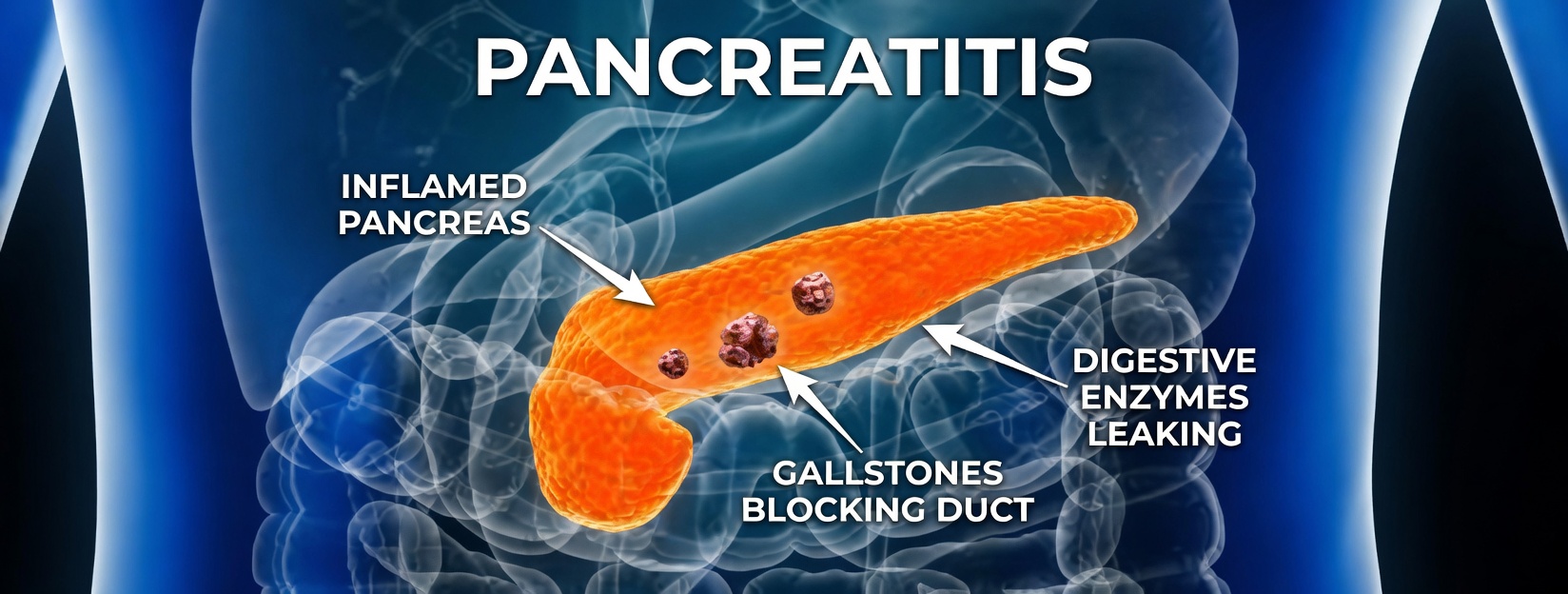
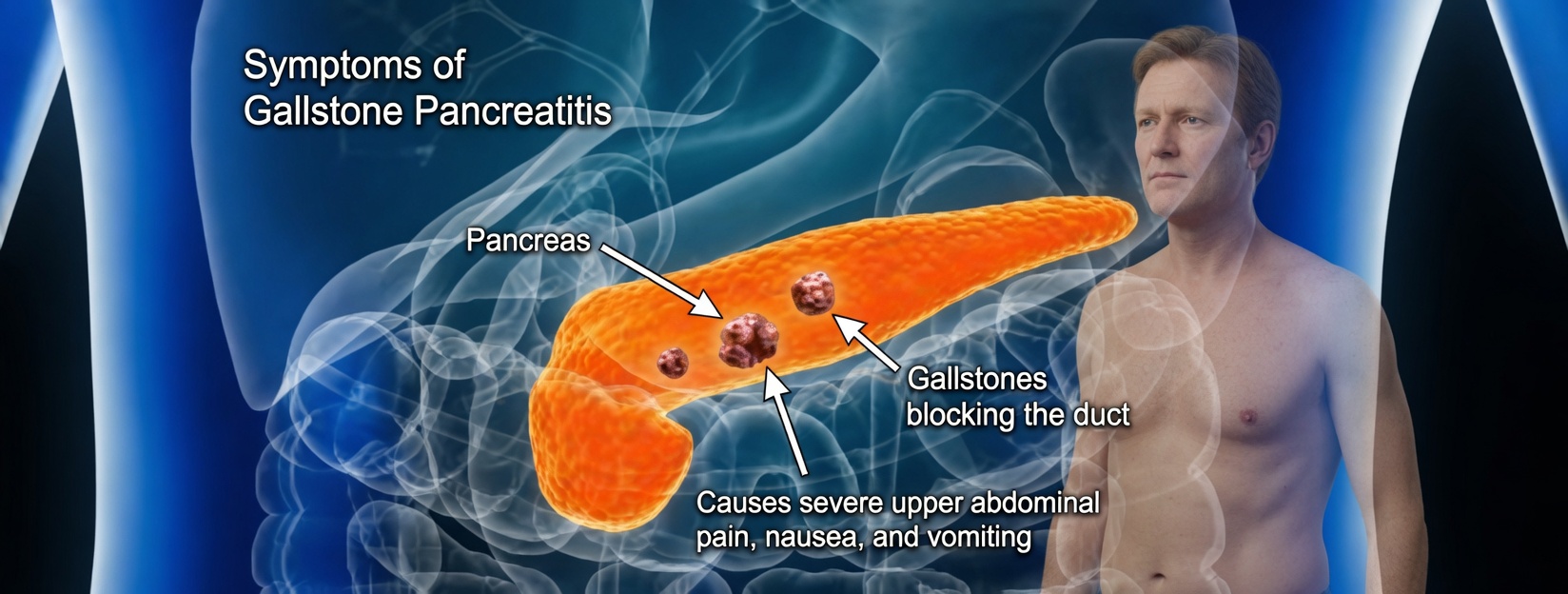
The pancreas sits deep behind the stomach and quietly supports digestion and blood sugar regulation. Because of its location and function, early disease may not create obvious symptoms. The American Cancer Society notes that early pancreatic tumors often cause no clear symptoms, which is one reason this cancer can be discovered at a more advanced stage.
Another challenge is that many early changes resemble common, non-serious problems. People frequently chalk them up to lifestyle, diet, aging, or work stress—only to feel more worried when the symptoms don’t go away. Paying attention to patterns—especially multiple symptoms occurring together—can help you have a better, earlier conversation with a clinician.
The 10 Warning Signs of Pancreatic Cancer Experts Emphasize
The following list reflects commonly cited warning signs of pancreatic cancer discussed by trusted sources such as the Mayo Clinic and the American Cancer Society. None of these symptoms automatically means cancer—but persistent or combined changes deserve medical attention.
10) Ongoing, Unexplained Fatigue
Persistent exhaustion that seems out of proportion to your day-to-day life is easy to ignore at first. With pancreatic cancer, fatigue may be related to the body’s increased stress and, in some cases, difficulties processing nutrients properly. Over time, this can affect concentration, mood, and relationships.
9) New-Onset Diabetes (Especially With Unexpected Weight Loss)
Developing diabetes later in adulthood—particularly when it’s paired with unintentional weight loss—is a red flag clinicians take seriously. Tumors in or near the pancreas can interfere with insulin production and blood sugar control. Research suggests this change can sometimes appear months or even years before other symptoms become obvious.
8) Stool Changes (Greasy, Floating, Pale, or Strong-Smelling)
Stools that become oily/greasy, float more than usual, look pale, or smell unusually strong can indicate that fats are not being digested well. When pancreatic function is disrupted, digestive enzymes may not reach the intestines in the right way, leading to these noticeable changes. It’s often mistaken for a diet issue—especially if it comes and goes—so persistence matters.
7) Dark Urine That Persists
Urine that looks unusually dark (often described as tea- or cola-colored) despite normal hydration can be linked to changes in bile flow. When bile ducts are blocked, bilirubin can build up in the body, which may show up in urine. Dehydration is a common explanation people assume—yet ongoing dark urine should be discussed with a healthcare professional.

6) Widespread Itching Without a Visible Rash
Intense, persistent itching—especially when there’s no rash, hives, or obvious trigger—can be deeply uncomfortable and may interfere with sleep. This symptom can happen when bile-related substances accumulate in the skin due to blockage in the bile ducts, which can be associated with tumors near the pancreas.
5) Jaundice (Yellowing of Skin and Eyes)
Jaundice—yellowing of the skin and the whites of the eyes—is one of the most recognizable warning signs. It can occur when a tumor, particularly in the head of the pancreas, obstructs the bile duct. Some people first hear comments that they “look tan” or “a bit yellow,” but jaundice is a sign that deserves prompt medical evaluation.

4) Upper Abdominal Pain or Back Pain That Doesn’t Resolve
A dull ache in the upper abdomen that may radiate into the back is frequently reported. It can worsen after meals or when lying down, depending on how nearby tissues and nerves are affected. Because back pain is so common, this symptom is often confused with muscle strain, posture issues, or ulcers—leading to delayed evaluation.
3) Reduced Appetite and Nausea
Feeling nauseated more often, losing interest in food, or getting full quickly can be linked to disrupted digestion and inflammation. Meals may become stressful rather than enjoyable, and reduced intake can contribute to weakness and further weight loss.

2) Unintentional Weight Loss
Losing weight without trying—often 10, 15 pounds or more—can occur when appetite drops and the body can’t absorb nutrients effectively. At first, some people may not worry about it, but weight loss becomes more concerning when it appears alongside fatigue, digestive changes, or jaundice.
1) Persistent Bloating or Indigestion
Long-lasting bloating, ongoing indigestion, or feeling uncomfortably full after small amounts of food can be subtle but important. Because these symptoms are common and easy to blame on overeating or “sensitive digestion,” they can be overlooked—especially when they develop gradually.
Common Symptom Clusters (And What They’re Often Mistaken For)
Many warning signs of pancreatic cancer overlap with everyday complaints. The key is often persistence and combinations rather than a single isolated symptom.
| Warning signs of pancreatic cancer | Why it can happen | Often mistaken for |
|---|---|---|
| Jaundice and itching | Bile duct blockage linked to pancreatic tumors | Allergies, general skin irritation, liver problems |
| Fatigue and weight loss | Body stress and reduced nutrient absorption | Aging, overwork, poor sleep |
| Abdominal/back pain and bloating | Pressure on nearby tissues and nerves; digestive disruption | Indigestion, reflux, muscle strain |
| New diabetes and appetite changes | Disrupted insulin production and digestion | Typical adult-onset diabetes, “normal” appetite fluctuations |

Real-World Examples: Why Noticing Symptoms Early Can Help
Consider a woman in her mid-50s who noticed yellowing of her skin along with persistent itching. Instead of waiting, she mentioned both symptoms to her doctor quickly, leading to timely evaluation and appropriate management. She later reflected that taking the changes seriously helped her feel more in control.
In another case, a man in his late 60s developed new diabetes and had ongoing back pain that didn’t improve. Even after initial reassurance, he requested further assessment because the symptoms persisted. His experience shows how advocating for follow-up can matter when warning signs don’t resolve.
What You Can Do: Safe, Practical Next Steps
If you notice one or more possible warning signs of pancreatic cancer, these steps can help you respond thoughtfully:
-
Track patterns, not just single days
Note when symptoms started, how often they occur, what makes them better or worse, and whether multiple symptoms appeared together. -
Contact a healthcare professional—especially for jaundice
Yellowing of the skin/eyes, dark urine, pale stools, or severe itching should be evaluated promptly. -
Bring a clear symptom summary to your appointment
Include weight changes, appetite changes, stool or urine changes, pain location, and any new blood sugar issues. -
Ask what follow-up is appropriate if symptoms persist
Even if an initial explanation seems likely, ongoing or worsening symptoms may justify additional evaluation.
Recognizing the warning signs of pancreatic cancer doesn’t mean assuming the worst—it means giving persistent changes the attention they deserve so you can make informed decisions about your health.