Benign Prostatic Hyperplasia (BPH): Why It Matters as You Age
Benign prostatic hyperplasia (BPH)—often called an enlarged prostate—becomes far more common as men get older. By the time many men reach their 50s and beyond, the likelihood of prostate enlargement rises steadily, and population research plus urology organization data show a sharp increase in older age groups.
For many, the real challenge isn’t the diagnosis—it’s the daily disruption. Typical lower urinary tract symptoms (LUTS) include:
- Waking up often at night to urinate (nocturia)
- A weaker urine stream
- A lingering feeling that the bladder didn’t fully empty
Over time, interrupted sleep and constant bathroom planning can affect energy, mood, travel, hobbies, and overall quality of life—often leading to frustration and fatigue.
The encouraging part: while diet can’t “cure” BPH, smart food choices may support prostate wellness. In particular, antioxidant-rich fruits—especially tomatoes (technically a fruit)—stand out for their protective compounds and potential anti-inflammatory benefits. Keep reading to learn why cooked tomatoes are so widely discussed in prostate health research, plus four additional fruits that pair well for broader support.
Prostate Enlargement Explained: Symptoms, Sleep, and Daily Impact
The prostate is a small gland (roughly walnut-sized) located beneath the bladder. As it gradually enlarges with age, it can press against the urethra (the tube that carries urine out of the body). That pressure may trigger LUTS such as:
- Urgency
- Hesitation or difficulty starting urination
- Reduced flow strength
- Nighttime awakenings to urinate
Research commonly reports that moderate to severe urinary symptoms affect a large portion of men over 50, and sleep disruption is one of the most frequent complaints.
These issues can become more than an inconvenience. Incomplete emptying may contribute to urinary complications, and chronic poor sleep can affect focus, stamina, and day-to-day performance. Medications and lifestyle changes help many people, but some experience side effects or feel relief fades over time—so supportive nutrition strategies are often explored as an additional tool, especially those aimed at lowering oxidative stress and inflammation.
Why Tomatoes Are a Top Fruit for Prostate Support
Tomatoes are frequently highlighted in prostate wellness conversations because they are among the best dietary sources of lycopene, a carotenoid antioxidant that tends to accumulate in prostate tissue. Across observational research and clinical investigations, lycopene intake is often associated with prostate-friendly outcomes, likely due to its role in fighting oxidative damage and supporting healthier cellular function.
Key ways tomatoes may help support prostate health include:
- Cellular antioxidant defense: Lycopene helps neutralize oxidative stress that can damage cells.
- Anti-inflammatory support: Tomato compounds may help counter chronic low-grade inflammation linked with age-related prostate changes.
- Associations with healthier prostate markers: Studies in large populations frequently connect tomato-product intake with favorable prostate-related indicators.
Cooked Tomatoes Matter More Than Raw
A crucial detail: cooking tomatoes significantly increases lycopene bioavailability, often by several times compared with raw tomatoes—especially when eaten with a small amount of healthy fat such as olive oil. Practical options include:
- Tomato sauce
- Roasted tomatoes
- Tomato-based soups and stews
Some men report fewer nighttime trips and mild improvements in urinary comfort after adding cooked tomato dishes consistently, although experiences vary and results aren’t guaranteed.
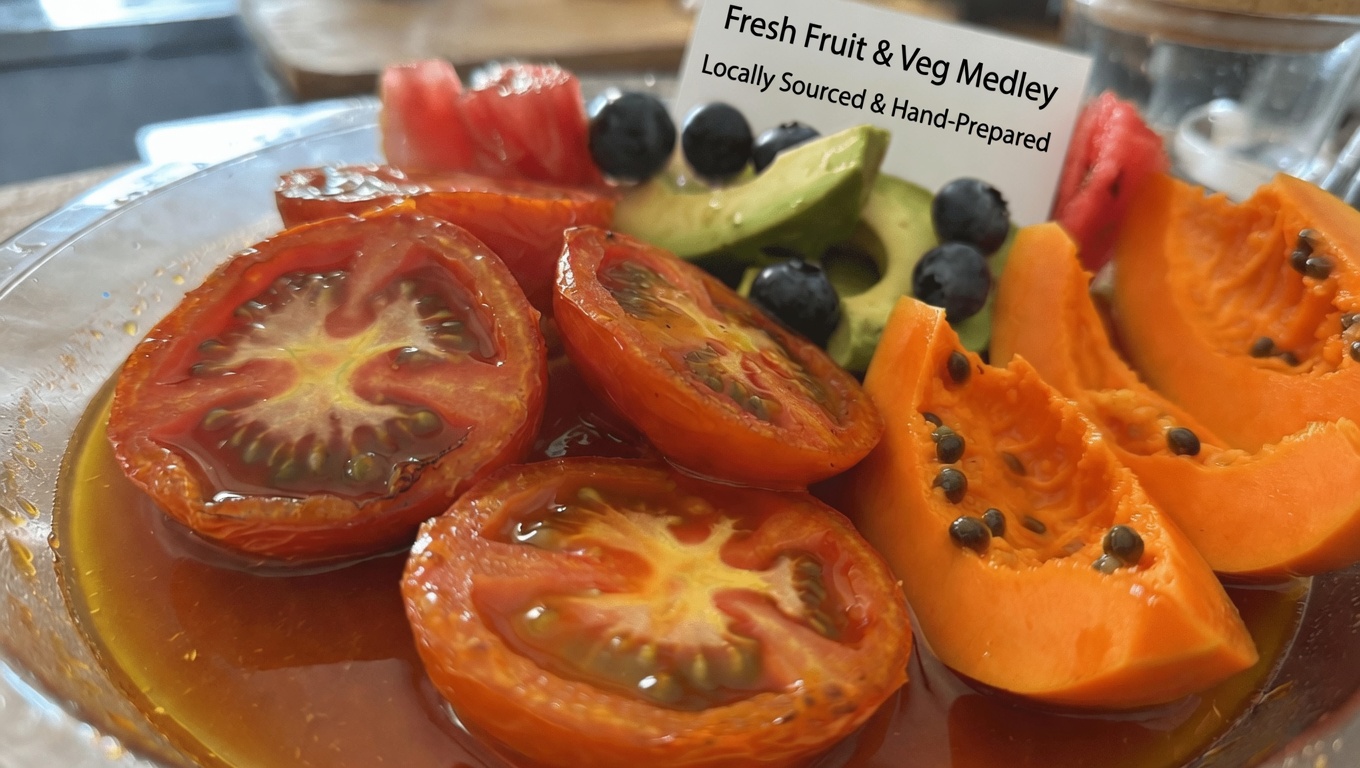
Four Complementary Fruits to Pair With Tomatoes for Better Prostate Wellness
Tomatoes may be the “headline,” but a broader fruit strategy can provide more complete support—hydration, fiber, circulation benefits, and diverse antioxidants.
1) Watermelon
Watermelon contains citrulline, an amino acid involved in nitric oxide production, which supports healthy blood flow—potentially beneficial for pelvic circulation. It’s also more than 90% water, offering gentle hydration when consumed sensibly.
2) Papaya
Papaya provides vitamin C, supportive antioxidants, natural enzymes, and some soluble fiber, which can improve regularity and reduce straining—an often-overlooked factor that can worsen pelvic discomfort.
3) Avocado
Avocado is rich in monounsaturated fats, which can help support inflammatory balance and overall metabolic health. Healthy fats also help the body absorb fat-soluble nutrients (including carotenoids like lycopene).
4) Blueberries
Blueberries are known for anthocyanins, potent antioxidants studied for their role in supporting cellular protection and managing inflammatory processes.
What This Combination May Support (Key Benefits)
When tomatoes and these four fruits are used together, the potential advantages include:
- Supporting pelvic circulation (watermelon)
- Hydration that’s easier to manage than sugary drinks (watermelon)
- Layered antioxidant coverage (tomatoes, papaya, blueberries)
- Better digestive regularity via fiber (papaya, blueberries)
- Hormone and inflammation support from healthy fats (avocado)
- A nutrient-dense, generally low-calorie approach that’s easy to maintain
- Improved sleep potential if nighttime disruptions lessen
- Better long-term consistency because the foods are enjoyable and versatile
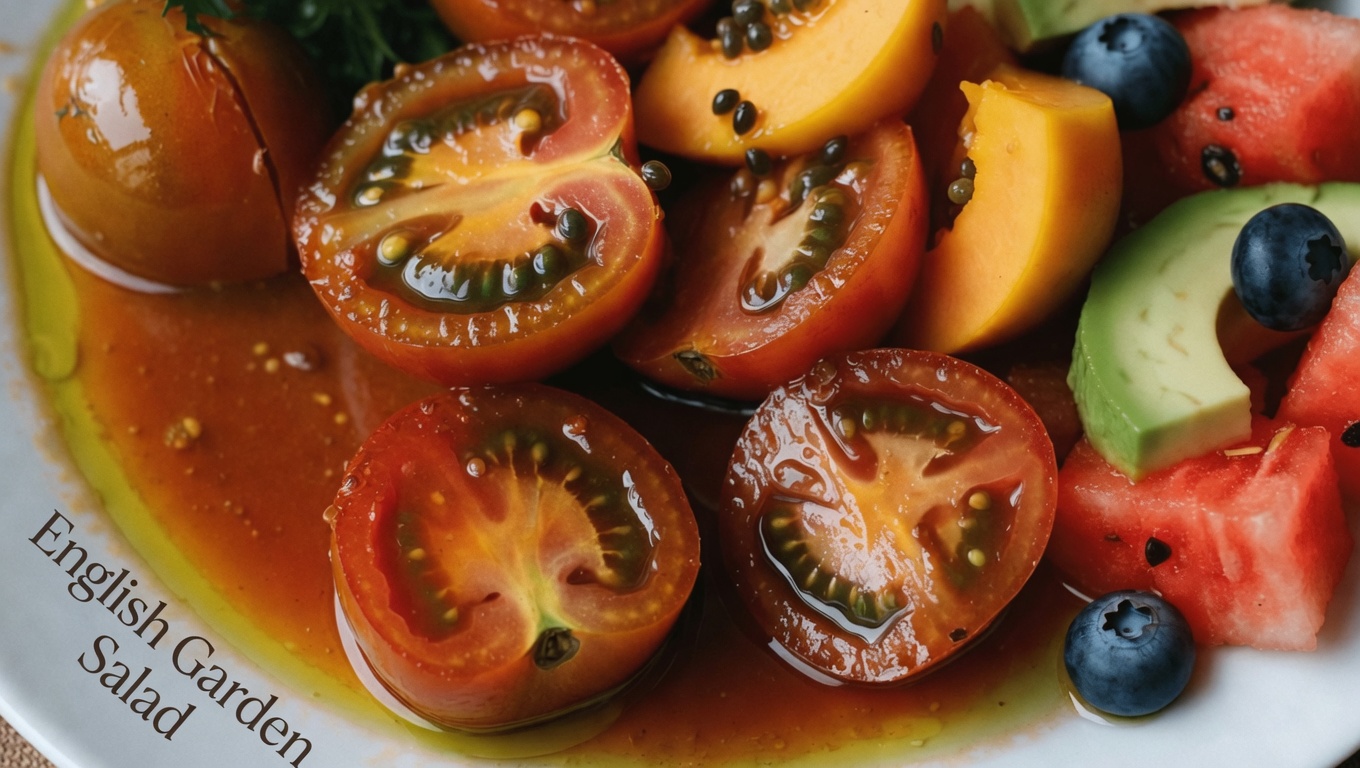
Quick Guide: Common BPH Symptoms and How Fruit-Based Support May Fit In
-
Frequent nighttime urination
- Common approaches: fluid timing, medications (sometimes with side effects)
- Fruit-support angle: hydration management plus anti-inflammatory nutrients
-
Weak urine flow
- Common approaches: alpha-blockers (possible dizziness for some)
- Fruit-support angle: circulation support and nutrients linked to reduced inflammatory stress
-
Incomplete emptying sensation
- Common approaches: pelvic exercises, procedures when necessary
- Fruit-support angle: fiber-supported regularity and overall dietary quality
-
General urinary discomfort
- Common approaches: ignoring symptoms or relying only on medication
- Fruit-support angle: consistent antioxidant intake and daily nourishment
Practical Plan: How to Add These Fruits Without Overhauling Your Diet
A simple ramp-up plan can make changes easier to maintain.
Days 1–7
- Include cooked tomato foods daily (sauce, soup, roasted tomatoes)
- Add 1–2 cups of watermelon
- Track: sleep interruptions, urgency, and stream comfort
Weeks 2–4
- Add papaya slices several times per week
- Add about 1/3 avocado daily (or most days)
- Add a handful of blueberries regularly
- Aim for variety rather than perfection
Month 1 and Beyond
Rotate all five fruits consistently, for example:
- Tomato-based meal + blueberries at breakfast
- Papaya smoothie on some days
- Avocado on toast or in salads
- Watermelon as a snack earlier in the day
Pro Tips for Best Results
- Cook tomatoes with a little olive oil to improve lycopene absorption (often cited as 3–5x better).
- Choose ripe, deeply colored papaya for stronger flavor and nutrient value.
- Keep avocado portions moderate (around 1/3 per day) to manage calories.
- Blend watermelon with lemon or mint for a refreshing drink—ideally earlier in the day to reduce nighttime bathroom trips.
FAQ: What People Commonly Ask
How much tomato should I eat to potentially support prostate health?
A practical target is at least two servings per week of cooked tomato products (sauce, soup, stewed tomatoes). Research often favors processed/cooked forms because lycopene becomes more absorbable.
Are these fruits safe if I have other health conditions?
For most people, these fruits are nutritious and well tolerated. However, speak with your clinician if you have diabetes (due to natural sugars), kidney concerns, or if you take medications that may be affected by dietary changes.
Can diet replace medical treatment for BPH?
No. Nutrition can support overall wellness and may help symptom comfort, but it does not replace medical evaluation or treatment. Use dietary strategies as a complement to a plan guided by a healthcare professional.
Medical Disclaimer
This article is for informational purposes only and does not provide medical advice. If you have prostate symptoms, worsening urinary changes, or existing health conditions, consult a qualified healthcare provider before making significant dietary adjustments.
A Simple Starting Point
If you want one easy step today, start with cooked tomatoes—a bowl of tomato soup or a serving of tomato sauce with olive oil is a realistic first move. With time and consistency, small habits can support more comfortable days, calmer nights, and greater confidence in daily life.