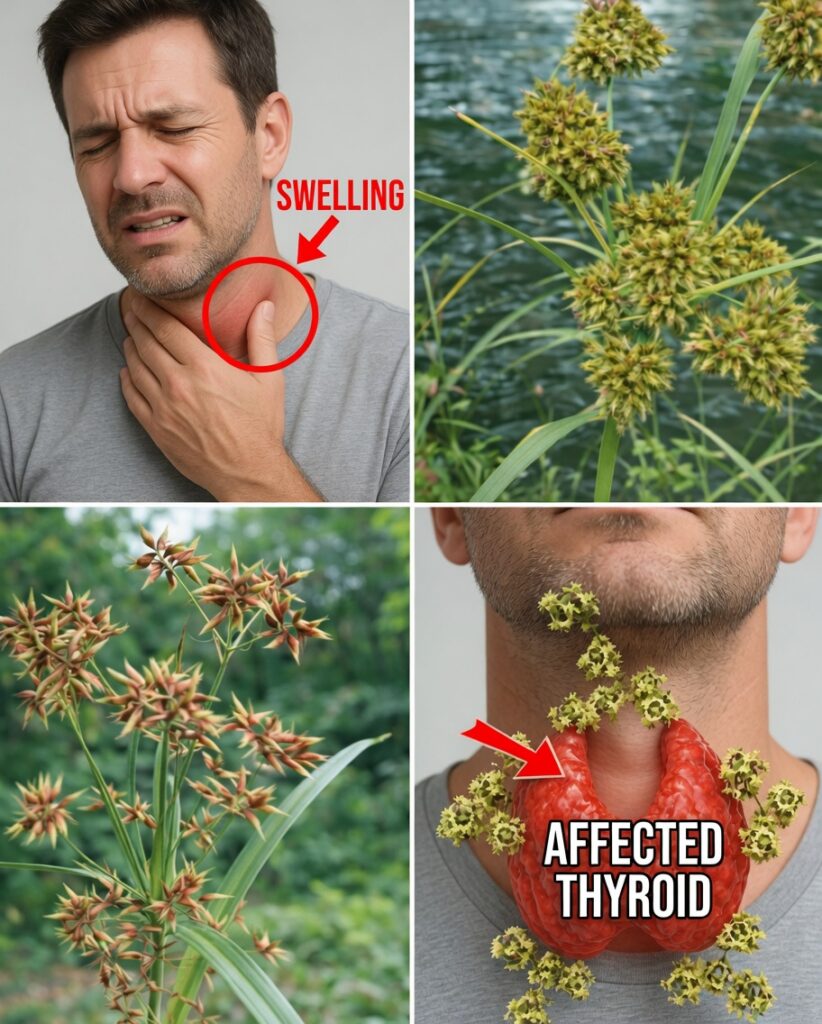
Many adults over 40 begin to notice small changes that affect everyday comfort: occasional post-meal bloating, energy that doesn’t bounce back as quickly, or a body that feels more reactive to routine stress. Modern patterns—skipped meals, late-night eating, chronic tension—can quietly amplify these issues. Even with probiotics, herbal teas, or diet adjustments, improvements may feel short-lived.
What if a time-honored plant—used for centuries and now examined for its naturally occurring compounds—could offer gentle, multi-angle support for day-to-day balance?
That’s where nutgrass (Cyperus rotundus) comes in. Also known as nagarmotha or musta in Ayurvedic tradition, this hardy tuber has a long track record in traditional wellness—and growing scientific interest today. Toward the end, you’ll also find a simple preparation tip that many guides skip, yet can make it easier to use consistently.
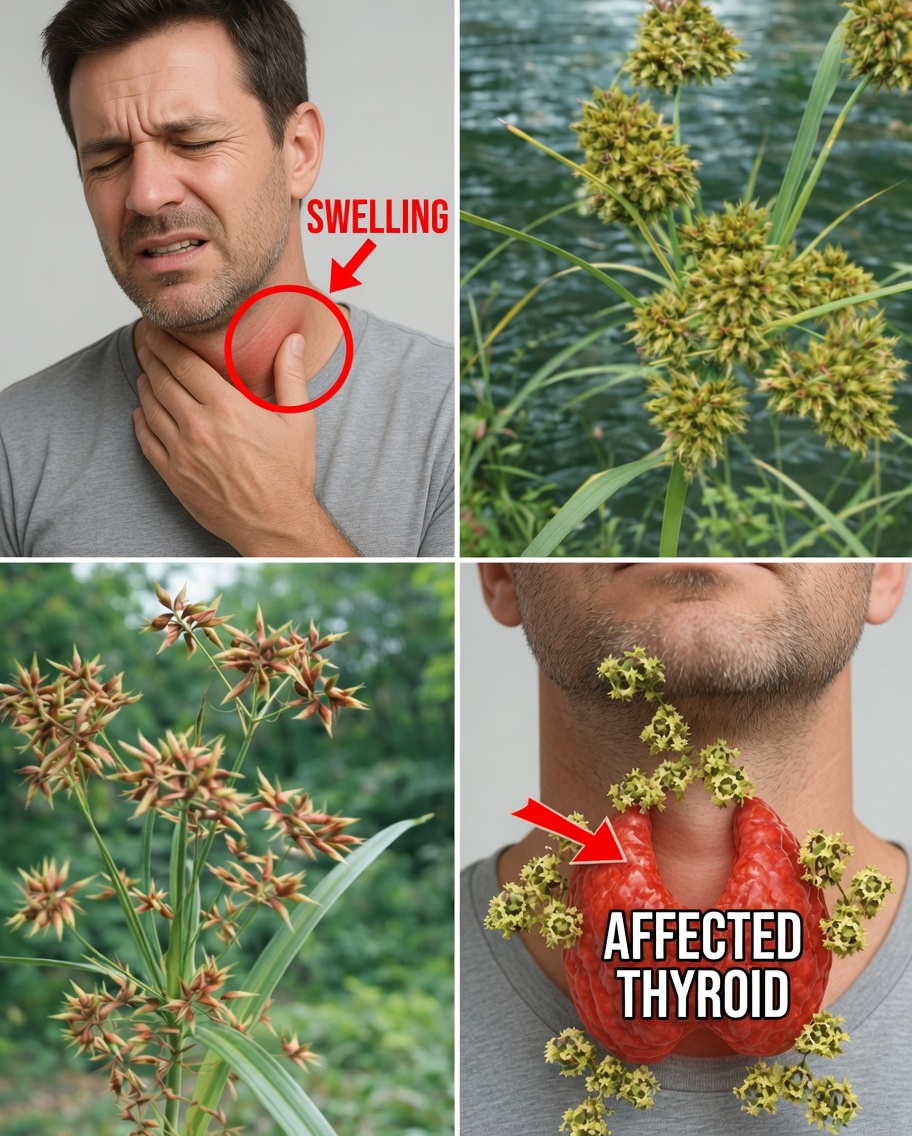
Why This “Weed” Has Remained a Traditional Staple for Centuries
Cyperus rotundus is often described as one of the world’s most persistent weeds because it grows aggressively and survives tough conditions. But in traditional wellness systems, especially in India, it has been valued for far more than its resilience.
In Ayurveda, the plant’s rhizomes (underground tubers) have been used for roughly 2,000 years. Classical practice describes it as supportive for balance—particularly for pitta and kapha—and commonly associates it with:
- Digestive comfort and steadiness
- Support during occasional feverish or heat-related discomfort
- A calming influence on inflammation-related sensations
Modern attention is largely driven by its bioactive constituents, including sesquiterpenes, flavonoids, and essential oils. In laboratory and animal research, these compounds have shown antioxidant, antimicrobial, and anti-inflammatory activity. While more human research is still needed, reviews often note how closely current findings mirror the herb’s long-standing traditional uses.
Key Potential Benefits Supported by Tradition and Emerging Research
Both traditional usage and early-stage research suggest nutgrass may provide broad, gentle support—especially for people looking for everyday balance rather than a “quick fix.”

1) Digestive Harmony and Gut Comfort
In Ayurveda, nutgrass is commonly described in terms of supporting digestive strength (often framed as kindling digestion and improving processing). Preclinical studies suggest gastroprotective and anti-diarrheal effects in models, possibly linked to compounds that help soothe the digestive lining and influence digestive activity.
In practical, everyday terms, consistent use is often associated (anecdotally) with:
- Less occasional bloating
- A smoother, more comfortable post-meal feeling
2) Gentle Support for the Body’s Inflammation Response
Nutgrass contains compounds that may influence pathways involved in swelling and discomfort. Animal studies have reported analgesic and anti-arthritic potential, pointing to a possible role in supporting the body’s natural response to daily wear-and-tear.
This may appeal to people who experience mild, recurring “flare” sensations from routine strain, stress, or activity.
3) Blood Sugar Balance (Early Research Focus)
Some studies indicate anti-hyperglycemic potential, including possible effects related to enzyme activity such as α-amylase and α-glucosidase. This aligns with traditional perspectives that place nutgrass among herbs used for metabolic comfort.
If you are managing blood sugar concerns or using related medications, this is a key area to discuss with a clinician before adding the herb.
4) Antioxidant Defense and Everyday Resilience
Because nutgrass is rich in flavonoids and sesquiterpenes, it has demonstrated antioxidant activity in lab settings. Antioxidant support matters because oxidative stress is frequently associated with modern lifestyle pressures—poor sleep, chronic stress, and environmental strain.
5) Antimicrobial Activity (Traditional Fit, Laboratory Evidence)
Nutgrass essential oils have shown activity against certain microbes in controlled settings. This matches traditional roles where it has been used to support internal balance, including digestive and minor infection-related concerns.
Additional Areas Being Explored
Beyond the core uses above, research continues to investigate nutgrass for potential supportive roles, including:
- Neuroprotective activity (brain and nerve support)
- Hepatoprotective effects (liver support)
- Wound healing potential
- Broader metabolic balance
Some recent clinical research has also explored nutgrass in the context of weight management, including observations of reduced body measurements and improved lipid-related markers when paired with diet and exercise.
Nutgrass vs. Common Modern Approaches (Quick Comparison)
-
Digestive support
- Nutgrass: traditionally balancing; often described as gentle and steady
- Common alternatives: probiotics or stronger “quick relief” products
- Why it stands out: support without commonly reported harsh disruption
-
Inflammation-response support
- Nutgrass: antioxidant + pathway-modulating potential in early research
- Common alternatives: NSAIDs (effective but may carry side effects for some)
- Why it stands out: long traditional history and naturally occurring compounds
-
Antioxidant strategy
- Nutgrass: multiple antioxidants from a whole plant source
- Common alternatives: isolated antioxidant supplements
- Why it stands out: broad-spectrum plant chemistry rather than a single isolate
-
Accessibility
- Nutgrass: often available as dried rhizome or powder
- Common alternatives: specialized supplements that may be pricier
- Why it stands out: typically affordable and widely sourced
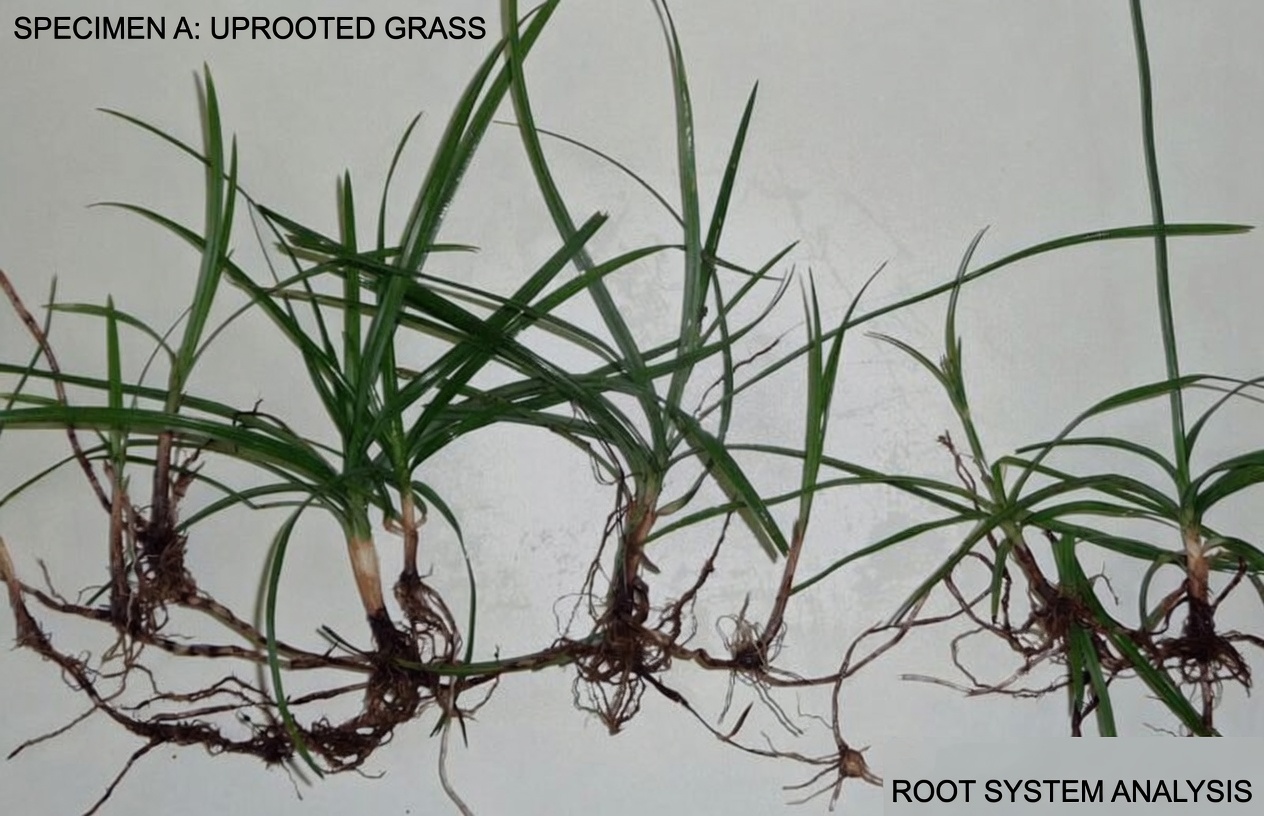
Simple Ways to Add Nutgrass to Your Routine
If you want to explore nutgrass, start conservatively and track how you feel over time.
Basic Nutgrass Tea
- Use 1 teaspoon of dried nutgrass rhizome powder.
- Add to 1–2 cups of water.
- Simmer or boil for 5–10 minutes.
- Strain and drink warm.
- Optional: add a small amount of honey for taste.
Many people use this daily as a gentle digestive support ritual.
Enhanced Version (Preparation Tip Many Guides Miss)
Add a few slices of fresh ginger while boiling. Ginger’s warming profile is often considered complementary, and many people report improved digestive comfort when the two are combined.
A Gentle Integration Timeline
- Weeks 1–2: 1 teaspoon daily (notice subtle shifts in comfort)
- Weeks 3–4: Increase to 1–2 teaspoons if well tolerated
- Long-term: Adjust timing (before or after meals) based on your routine and response
Quality matters: choose organic, high-quality rhizomes when possible. Freshly ground powder may retain more aroma and potency than older, pre-ground options.
Final Thoughts: A Time-Tested Herbal Ally Worth Considering
Nutgrass (Cyperus rotundus) has earned its reputation not through hype, but through centuries of traditional use and a growing body of early research. For many, its appeal lies in its broad yet gentle nature—supporting digestion, promoting antioxidant resilience, and helping the body stay steady under modern lifestyle strain.
If you’re curious, begin simply: one cup of tea, consistently, and observe how your body responds over a few weeks.
Frequently Asked Questions (FAQ)
What is nutgrass, and why do some people call it a “hidden herb”?
Nutgrass (Cyperus rotundus) is a perennial plant with aromatic underground tubers used in Ayurveda as nagarmotha or musta. It’s sometimes called “hidden” because it’s widely dismissed as a weed despite its long-standing traditional wellness role.
How can I use nutgrass safely at home?
A common at-home method is tea made from dried rhizome powder, starting with 1 teaspoon per day. If you have a medical condition or use medications, consult a healthcare professional first.
Are there precautions or side effects to know about?
Nutgrass is generally considered well tolerated in moderate amounts, but some people may experience mild digestive discomfort. Avoid use during pregnancy, and seek professional guidance if you have underlying conditions or are taking medications—especially those related to blood sugar or blood pressure.
Medical Disclaimer
This article is for informational purposes only and does not constitute medical advice. It is not intended to diagnose, treat, cure, or prevent any disease. Always consult your healthcare provider before starting any new herbal supplement. Nutgrass may interact with certain medications (including those for blood sugar or blood pressure) and may cause mild side effects in sensitive individuals.