
Many adults over 60 begin to notice subtle but persistent shifts: stiffer mornings, a mid-afternoon energy slump, slower digestion, and a “heavy” feeling that lingers even when they’re trying to eat sensibly. These changes are often dismissed as unavoidable aging, which can be discouraging when “healthy” meals still leave you tired or uncomfortable.
Dr. Norman Walker—an early pioneer of raw juicing who lived to 99 and followed a largely raw-food lifestyle for decades—argued that we can support vitality longer by making consistent, nutrient-rich choices (especially from raw produce) instead of simply accepting decline. Modern research into plant-based nutrition supports parts of this idea, suggesting that fruits and vegetables rich in fiber, antioxidants, and natural compounds may help older adults maintain energy, digestion, and overall well-being.
What if adding a few specific raw foods every day could noticeably change how you feel? Below are seven foods Dr. Walker repeatedly highlighted in his writings, along with practical ways to use them and modern, common-sense context.

The Reality of Aging: Your Nutrient Choices Matter
After 60, many people report fatigue, joint stiffness, and sluggish digestion that interfere with day-to-day enjoyment. It’s common to respond by relying on supplements, cutting out entire food groups, or trying strict diet plans. But those approaches don’t always address fundamentals—like adequate fiber for comfortable elimination or food-based compounds that support digestion and hydration.
Walker believed that feeling “older” is often accelerated by accumulated waste and digestive burden from certain eating patterns, not just the passage of time. His solution centered on raw, living foods—valued for their naturally occurring enzymes, minerals, and “cleansing” qualities. Contemporary evidence also points out that diets abundant in fruits and vegetables can increase antioxidant intake, improve fiber consumption, and help reduce oxidative stress—factors associated with healthier aging.
Dr. Norman Walker’s Core Philosophy: Raw, Living Foods for Daily Support
Born in 1886, Dr. Walker popularized fresh vegetable and fruit juices after his own health journey. A cornerstone of his view was that cooking can reduce enzyme activity and alter the availability of some nutrients, while raw produce delivers them in a closer-to-natural form.
His books—especially Fresh Vegetable and Fruit Juices and Colon Health—emphasize:
- Daily fresh juices to concentrate nutrients in an easy-to-digest format
- High-fiber raw foods to support regularity and gut comfort
- Hydration and mineral balance through water-rich produce
A simple self-check: after most meals, do you feel clear and energized—or heavy and sluggish? If your energy is inconsistent, adding raw options may be a gentle, sustainable adjustment.
Real-World Motivation: Why Many Seniors Try This Approach
Plenty of people have experimented with Walker-inspired habits and report feeling “lighter” and more steady throughout the day—especially when they add vegetable juices and large raw salads. While personal stories aren’t scientific proof, they align with research on specific vegetables. For example, nitrate-rich foods such as beets and celery have been studied for their potential role in supporting circulation and vascular function in older adults.
The 7 Raw Foods Dr. Walker Emphasized
Walker focused on simple, accessible staples that work well in juices and salads. Here are the seven foods he commonly highlighted, with the key reasons they’re used.
-
Carrots
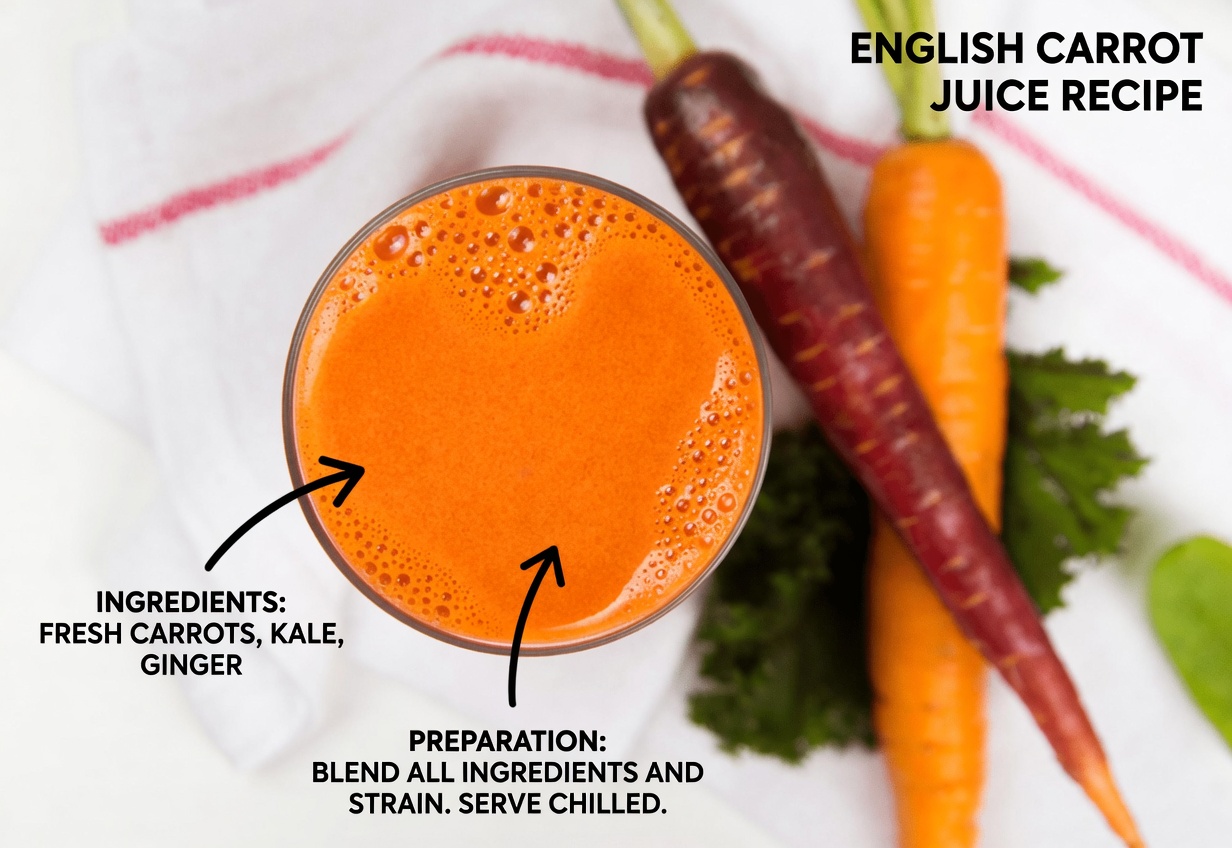
A classic juicing base, carrots provide beta-carotene and a naturally sweet flavor that makes vegetable juices easier to enjoy daily. -
Celery
Known for its high water content and potassium, celery is often used for hydration and a balanced, mineral-rich profile. -
Beets
Beets contain compounds such as betaine and are frequently included in juices aimed at supporting overall vitality and circulation. -
Leafy Greens (spinach, kale, parsley)
Greens deliver minerals, vitamins, and chlorophyll, making them a core part of raw nourishment in Walker’s approach. -
Cucumbers
Very hydrating and refreshing, cucumbers add fluid volume and are valued for nutrients like silica, often associated with connective tissue support. -
Apples
Apples contribute pectin fiber and polyphenols like quercetin, and they naturally soften the flavor of green-heavy juices. -
Lemons
Lemons provide vitamin C and a bright taste. They’re commonly used to “lift” juices and dressings and to support comfortable digestion.
Bonus: Why Walker Preferred Fresh Juicing
Fresh juice can deliver concentrated nutrients in a form many people find easy to digest—especially when appetite is lower or digestion feels slow. Walker strongly favored slow, press-style juicing (to reduce oxidation and preserve quality) over high-speed centrifugal methods.
A Simple Daily Juice Routine (Walker-Inspired)
- Morning juice: carrot + celery + apple + spinach + lemon
- Midday variation: add beet or cucumber for rotation and variety
If you’re new to raw juicing, start with smaller servings (for example, half portions) to give your system time to adjust.
What Dr. Walker Commonly Limited (5 Categories)
Walker believed some foods placed extra strain on digestion and elimination, making people feel heavier over time. Categories he typically minimized included:
- Meat and many animal-based foods (often harder to digest; may contribute to sluggishness for some people)
- Processed and refined products (usually low in fiber and lacking natural food “life”)
- Excess cooked foods (due to reduced enzyme activity and changes from heat)
- Alcohol and caffeine (which may stress sleep, hydration, and digestive stability)
- Refined grains and heavy starches (which he associated with “congestion” and discomfort)
Modern nutrition broadly supports the idea that reducing ultra-processed foods can benefit long-term health outcomes.

12 Ways a Raw-Focused Pattern May Support Vitality After 60
A consistent raw-produce routine may help support how you feel day to day in later years by:
- Providing naturally occurring enzymes that may make digestion feel easier for some people
- Increasing fiber intake, supporting regular bowel movements
- Offering beet- and lemon-associated compounds commonly used for digestive and liver support
- Supporting electrolyte and mineral balance (notably from celery and leafy greens)
- Supplying a wide range of anti-inflammatory plant nutrients
- Delivering chlorophyll and antioxidants tied to cellular protection
- Promoting hydration via high-water foods like cucumber and celery
- Boosting intake of immune-supportive nutrients, including vitamin C
- Helping some people maintain steadier energy without heavy post-meal crashes
- Contributing silica and minerals associated with tissue and joint comfort
- Encouraging gradual, cumulative nourishment through consistent daily habits
- Aligning with a lifestyle aimed at staying active and independent longer
Research connects parts of this pattern with measurable outcomes—for example, carrot juice has been associated with increased antioxidant markers, and beet juice has been studied for helping support healthy blood pressure in older adults.
Walker’s Raw Emphasis vs. Common Eating Patterns
| Aspect | Walker-Style Raw Focus | Standard Processed Diet | Typical “Healthy” Cooked Diet |
|---|---|---|---|
| Enzyme activity | Higher (raw preserved) | Low | Reduced by heat |
| Fiber for digestion | Strong (raw fruits/veg) | Often low | Moderate |
| Inflammation support | High (plant compounds) | Often poorer | Variable |
| Nutrient availability | High in “whole” form | Often reduced | Can decrease with cooking |
A Practical Daily Plan Inspired by Dr. Walker
- Morning: Fresh juice (carrot + celery + apple + greens + lemon)
- Midday: Large raw salad with cucumber, leafy greens, and lemon-based dressing
- Evening: Beet-carrot-greens juice or a light raw meal
- All day: Water; optional lemon water for extra refreshment
Preparation Tips
- Use a slow juicer when possible to reduce oxidation.
- Wash produce thoroughly; choose organic when practical.
What to Expect Over Time (Varies by Person)
- Weeks 1–2: Many notice a lighter feeling and smoother digestion
- Weeks 3–4: Energy may feel more even across the day
- Week 5 and beyond: Some report better comfort, clarity, and focus
Adjust gradually and pay attention to how your body responds.
Important Considerations Before You Begin
This article is educational and not a substitute for medical care. Speak with a qualified healthcare professional before making major diet changes—especially if you have chronic conditions, take medications, or manage blood pressure or blood sugar issues. Raw juices can be potent; begin slowly and prioritize food safety by using clean, properly washed produce.
Studies on high-fiber and nitrate-rich plant foods suggest potential benefits for inflammation management and vascular health in older adults, but individual results depend on overall diet, lifestyle, and medical context.
Your Next Step Toward Feeling More Vital
Imagine starting the day feeling refreshed, moving with more ease, and having the stamina to enjoy what matters to you. Small, consistent raw-food choices can compound over time.
Call to Action
- Save this guide as a quick reference for juices and salads.
- Share it with someone who wants more consistent energy.
- Add just one item today (like fresh carrot juice) and note how you feel over the next few days.
P.S. Many people find that a simple carrot–celery–apple morning juice brings noticeable clarity—try it and track your response.
FAQ
-
What type of juicer did Dr. Walker recommend?
He preferred hydraulic press juicers (often called Norwalk-style) because they minimize oxidation and typically preserve juice quality better than centrifugal models. -
Can older adults start raw juicing if they’re new to it?
Yes. Start gently—about 4–8 oz (120–240 ml) daily—and choose familiar flavors (carrot and apple are common starters). Monitor your response and consult a clinician if you have medical concerns. -
Are these foods safe for everyone?
They’re generally nutrient-dense, but individual needs vary. For example, beets and high-nitrate foods may require extra consideration for certain medications or conditions. Professional guidance helps ensure safety.
Disclaimer: This content is for informational purposes only and is not medical advice. Always consult a qualified healthcare professional before changing your diet or health routine, especially if you have existing health conditions or take medications.