Digestive Discomfort and Low Energy: A Simple Kitchen Habit Worth Exploring
Many adults experience occasional digestive issues—such as post-meal bloating, mild stomach unease, or energy dips during the day. These concerns often relate to everyday influences like diet choices, chronic stress, and normal age-related shifts in metabolism. While over-the-counter products can provide temporary relief, a growing number of people prefer gentle, food-based habits that support daily wellness.
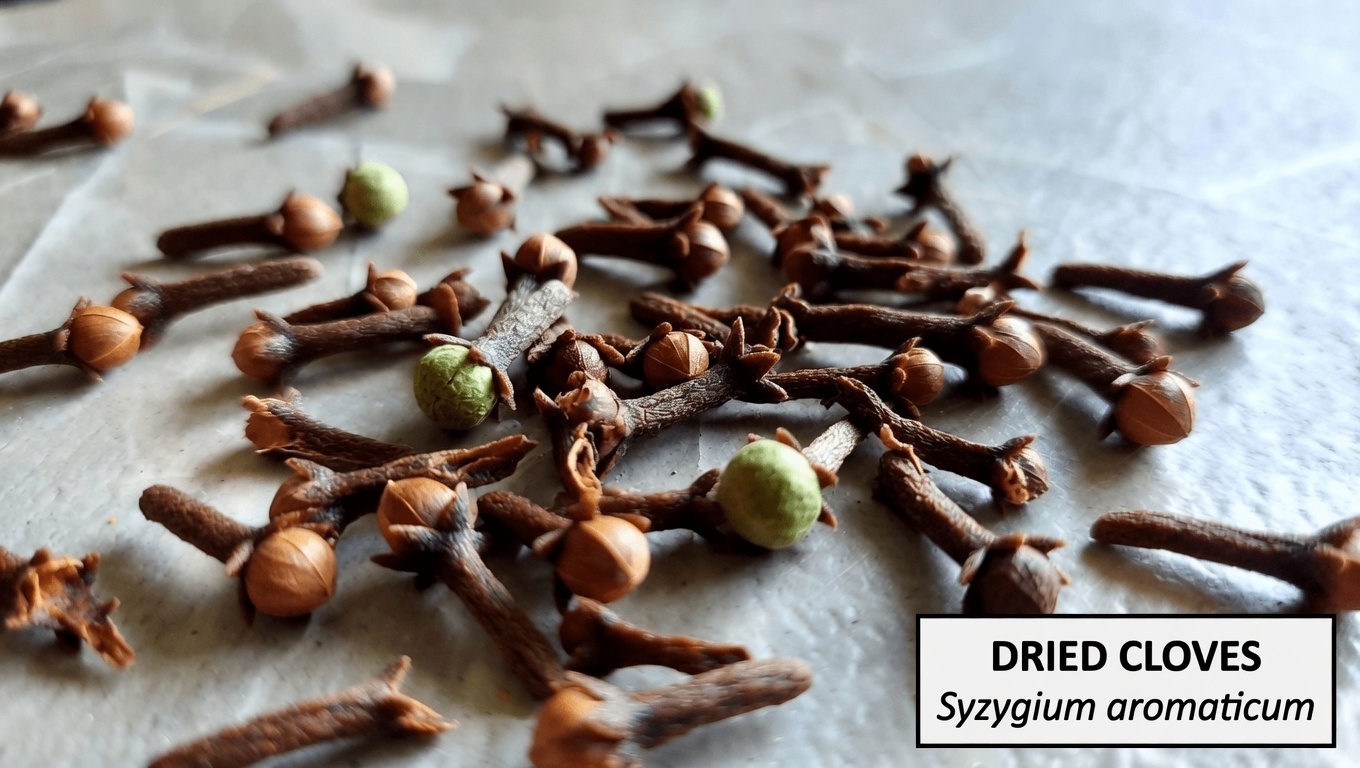
One popular natural option is chewing 1–2 whole cloves (the dried flower buds of Syzygium aromaticum). Cloves have a long history in traditional wellness practices, and modern research has begun to explore the compounds behind their reputation—especially eugenol, plus a wide range of antioxidants like flavonoids and phenolics.
This article reviews what emerging evidence suggests about adding two cloves a day to your routine, practical ways to use them, and key safety considerations.
Why Small Daily Habits Can Have a Big Impact
As we get older, keeping digestion steady—and feeling consistently energized—can become more difficult. Many people notice:
- Occasional bloating or gas after meals
- Minor oral sensitivity or lingering mouth discomfort
- Feeling “run-down” or sluggish after eating
When digestive comfort is off, it may also affect nutrient absorption and overall vitality. Instead of relying only on quick symptom fixes, some people look for complementary habits that may support deeper factors such as inflammation, microbial balance, and oxidative stress.
Cloves are increasingly studied because they contain bioactive compounds that may support these areas—at least according to early laboratory, animal, and limited human research.
What Makes Cloves Such a Nutrient-Dense Spice?
Cloves are best known for their high level of eugenol (often reported as a major component of clove essential oil), along with other compounds such as beta-caryophyllene, tannins, and phenolic antioxidants. Together, these are associated with several wellness-supporting properties, including:
- Antioxidant activity that helps neutralize free radicals
- Anti-inflammatory potential observed in lab and animal models
- Antimicrobial effects against certain bacteria and fungi
Research reviews that evaluate polyphenols frequently rank cloves among the highest antioxidant spices compared to many foods. Even a small daily amount can also contribute nutrients such as manganese, vitamin K, and small amounts of fiber.

Potential Benefits of Chewing 2 Cloves Daily (Based on Emerging Research)
The areas below reflect where studies suggest cloves may provide support, largely due to eugenol and related antioxidants. Evidence ranges from lab and animal findings to limited human research. Individual results can vary, and larger clinical studies are still needed.
- Digestive comfort support: Eugenol may help stimulate digestive activity and may ease occasional bloating or gas. Some animal research suggests it can support the stomach’s protective mucus layer.
- Oral wellness and fresher breath: Cloves have been studied for their antiseptic qualities and mild numbing effect. Research includes activity against oral bacteria such as Streptococcus mutans. Chewing cloves may help with breath freshness and minor gum sensitivity.
- Respiratory ease (traditional use): Due to antimicrobial properties, cloves have historically been used for mild congestion support, though modern evidence is still developing.
- Blood sugar balance potential: Small human pilot studies using clove extract (rich in polyphenols) have reported improvements in post-meal glucose measures in healthy and prediabetic participants. Animal studies also suggest eugenol may influence glucose-related pathways.
- Stronger antioxidant defenses: High phenolic content may reduce oxidative stress, supporting cellular health over time.
- Possible liver support: Animal studies indicate eugenol may help protect liver cells in models of liver stress or injury.
- Immune-supporting environment: Antimicrobial and anti-inflammatory activity may indirectly support immune defenses.
- Circulation support: Some studies suggest eugenol may influence blood vessel relaxation, potentially supporting healthy blood flow.
- Digestive “detox” pathways: Cloves may support bile-related processes, which play a role in digestion and liver function.
- Bone health contribution: Cloves provide manganese, a mineral involved in bone formation and connective tissue support.
- Skin vitality support: Antioxidants may help protect collagen integrity and support skin clarity by limiting oxidative stress and microbial pressure.
- Overall anti-inflammatory support: Consistent, moderate use may help counter everyday inflammation linked to lifestyle factors.
These potential benefits are more likely with consistent, moderate habits—but cloves are not a replacement for medical diagnosis or treatment.
How to Add 2 Cloves to Your Daily Routine
If you want to try cloves for digestive support or general wellness, start with simple options:
-
Chew after meals
- Slowly chew 1–2 whole dried cloves after eating.
- Once the flavor fades, you can spit out the fibrous remainder.
-
Clove tea
- Steep 2 whole cloves in hot water for 5–10 minutes.
-
Use ground clove in foods
- Add to oatmeal, smoothies, or recipes.
- Start small (about ¼ teaspoon) to avoid overpowering flavor.
Synergy tip: A small pinch of cinnamon is often paired with cloves for a broader antioxidant profile.
Quick Comparison: Cloves vs. Common Alternatives
-
Digestive support
- Chewing 2 cloves: May support natural digestive processes
- Antacids: Mainly temporary symptom relief
- Multivitamins: Minimal direct digestive effect
-
Oral health
- Chewing 2 cloves: Antiseptic support + mild numbing sensation
- Antacids: No oral benefit
- Multivitamins: Limited direct impact
-
Blood sugar support
- Chewing 2 cloves: Emerging evidence of stabilization support
- Antacids: None
- Multivitamins: Variable
-
Antioxidant support
- Chewing 2 cloves: High (eugenol- and polyphenol-rich)
- Antacids: None
- Multivitamins: Moderate
-
Cost
- Chewing 2 cloves: Very low cost
- Antacids: Ongoing expense
- Multivitamins: Monthly expense
-
Side effect risk
- Chewing 2 cloves: Generally low in moderation
- Antacids: Possible rebound effects for some people
- Multivitamins: Occasional digestive sensitivity
When You Might Notice Changes
A realistic timeline varies by person, diet, and consistency, but many people track subtle shifts like these:
- Weeks 1–2: Improved digestive comfort and fresher breath
- Weeks 3–4: More stable energy and fewer minor post-meal complaints
- Week 5 and beyond: Cumulative support when paired with good daily habits
Consider noting digestion, breath freshness, and energy in a simple journal to spot patterns.
Safety Tips and Important Considerations
For most healthy adults, 1–2 cloves per day is typically well tolerated. However, cloves are potent—mainly due to eugenol—so higher amounts may lead to:
- Mouth irritation or burning sensation
- Stomach upset or nausea
- Increased sensitivity in some individuals
Cloves may also influence blood sugar and blood clotting. Speak with a healthcare professional before daily use if you:
- Have diabetes or use glucose-lowering medication
- Take blood thinners/anticoagulants
- Are preparing for surgery
- Are pregnant or breastfeeding
- Have a medical condition requiring monitoring
Avoid taking clove oil internally unless supervised by a qualified professional, as concentrated oils can cause adverse effects.
This content is for informational purposes only and is not medical advice.
FAQ
-
How many cloves should I chew each day?
Most guidance for gentle daily use suggests 1–2 whole cloves per day. Start with one and observe how your body responds. -
Can cloves replace brushing and dental checkups?
No. Cloves can complement oral freshness, but you still need brushing, flossing, and professional dental care. -
Do cloves interact with medications?
They may affect blood sugar and clotting. If you take diabetes medication, anticoagulants, or you’re planning surgery, consult your clinician first.
A Simple Next Step
If you’re looking for a low-cost, natural wellness habit, chewing two cloves a day is an easy option many people find helpful for digestive comfort and everyday support. Start small, stay consistent, and prioritize safety—especially if you have underlying health concerns.