Many adults over 50 begin to notice small but persistent changes in their legs—heaviness after standing, feet that feel cool even on warm days, or slight ankle swelling. These everyday sensations can be linked to age-related shifts in blood flow and arterial flexibility. Research shows that peripheral artery disease (PAD)—a condition where narrowed arteries reduce circulation—affects a significant number of people over 50, yet many remain unaware of it. While these changes can feel discouraging, choosing the right dietary fats, including certain natural oils used in everyday meals, may help support overall vascular wellness as part of a balanced lifestyle.
What if some of the most familiar kitchen oils could also support smoother circulation and day-to-day comfort? Below are science-informed oils that can fit naturally into your routine—plus a practical tip at the end that helps turn short-term efforts into lasting habits.
How Aging Quietly Changes Circulation After 50
As the years pass, arteries may slowly become less elastic. This can happen for several reasons, including plaque accumulation influenced by dietary fats and cholesterol. Many older adults report occasional leg discomfort, cramps, tired legs, or cold feet—symptoms that can be tied to reduced blood flow. These signs are not always dramatic, but over time they may contribute to lower energy and less enjoyable movement in daily life.
The encouraging part is that lifestyle choices matter. In particular, the kinds of fats you eat can influence cardiovascular health. Certain plant-based oils supply monounsaturated fats, omega-3 fatty acids, and antioxidants, which research suggests may support healthy cholesterol levels, help calm inflammation, and encourage healthy vessel function—especially when combined with an active routine and an overall nutritious diet.
Why Natural Oils Can Support Artery and Blood-Flow Health
Oils rich in unsaturated fats can affect several important markers of cardiovascular wellness:
- Monounsaturated fats are associated with healthier cholesterol patterns.
- Omega-3s (including plant-based ALA and marine-based EPA/DHA) are linked to inflammation support and improved circulation-related outcomes.
- Antioxidants and polyphenols in select oils may help protect the inner lining of blood vessels (endothelial function).
Research frequently highlights these patterns:
- Swapping saturated fats for unsaturated fats can improve lipid profiles.
- Omega-3 intake is associated with lower triglycerides and modest blood pressure support.
- Polyphenol-rich oils may promote vascular relaxation and lining protection.
Next are 12 oils worth considering, with easy ways to use each one.
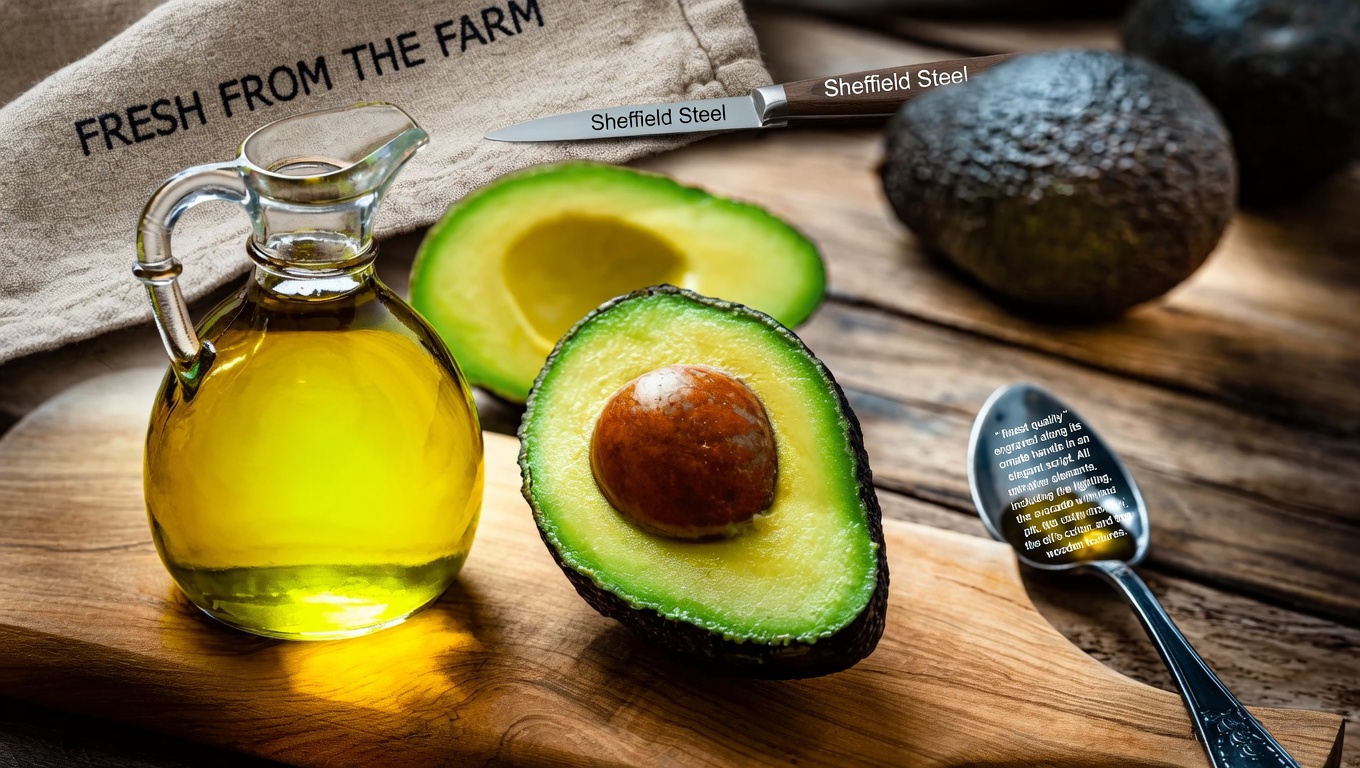
12 Science-Backed Oils to Consider for Circulation Support
1. Avocado Oil (Everyday-Friendly and Heat Stable)
Avocado oil is rich in monounsaturated fats, similar to olive oil. Studies suggest these fats can support healthy LDL/HDL balance and help manage inflammation within a heart-healthy diet.
- How to use: medium-heat cooking, roasting vegetables, or salad drizzles
- Typical amount: 1–2 tablespoons daily
- Why it’s practical: stable at higher temperatures and mild in flavor
2. Flaxseed Oil (Plant-Based Omega-3: ALA)
Flaxseed oil is one of the most concentrated sources of ALA omega-3. Research links ALA-rich diets to inflammation support and potential benefits for arterial flexibility.
- How to use: only cold—smoothies, yogurt, dressings
- Typical amount: about 1 tablespoon daily
- Important: avoid heating; refrigerate to preserve quality
3. Pumpkin Seed Oil (Nutrient-Dense and Heart-Friendly)
This dark green oil contains unsaturated fats and key minerals like magnesium and zinc. Some studies suggest potential support for blood pressure and vascular elasticity.
- How to use: finishing oil on soups, grains, or salads
- Typical amount: around 1 tablespoon daily
4. Almond Oil (Mild Flavor, Vitamin E Boost)
Almond oil provides monounsaturated fats plus vitamin E, an antioxidant that may help support inflammation balance and cholesterol health.
- How to use: mix into oatmeal or use in light dressings
- Typical amount: 1–2 teaspoons daily
5. Sesame Oil (Lignans and Flavorful Balance)
Sesame oil contains unique compounds (including lignans) that research associates with cardiovascular support and healthy vessel function.
- How to use: stir-fries, marinades, dressings, Asian-inspired meals
- Typical amount: 1–2 tablespoons, depending on total calorie needs
6. Extra Virgin Olive Oil (Mediterranean Classic)
Extra virgin olive oil (EVOO) is strongly linked to Mediterranean diet research. Its polyphenols are associated with healthier cholesterol patterns and protection of blood vessel lining.
- How to use: drizzle on salads, vegetables, beans, and whole grains
- Typical amount: 1–2 tablespoons daily
- Tip: use fresh, high-quality EVOO for the most polyphenols
7. Walnut Oil (Nutty ALA Omega-3 Support)
Walnut oil provides plant-based omega-3s and may support inflammation balance.
- How to use: best as a finishing oil on salads or pasta
- Storage: keep cool to protect delicate fats
8. Coconut Oil (Occasional Use, Not a Primary Oil)
Coconut oil contains MCTs that some people use for quick energy, but it is also higher in saturated fat, so moderation matters.
- How to use: occasional cooking, not your daily “main” oil
- Best approach: keep portions small and rotate with unsaturated oils
9. Black Seed Oil (Emerging Research and Anti-Inflammatory Interest)
Black seed oil contains thymoquinone, a compound being studied for potential anti-inflammatory and vessel-supportive effects.
- How to use: small amounts in dressings or beverages
- Note: discuss dosing and interactions with a clinician, especially with medications
10. Garlic-Infused Oil (Flavor with Potential Cardiovascular Upside)
Garlic compounds have been linked in research to circulation and blood pressure support. Garlic-infused oil offers a convenient way to include the flavor.
- How to use: cooking base, marinades, roasted vegetables
- Safety reminder: store infused oils properly to reduce food safety risks
11. Fish Oil or Algae Oil (Direct EPA/DHA Omega-3)
EPA and DHA omega-3s have strong evidence for triglyceride reduction and cardiovascular support. Algae oil provides a vegan source of EPA/DHA.
- How to use: supplements or fatty fish about twice weekly
- Tip: choose reputable brands that test for purity and oxidation
12. Hemp Seed Oil (Balanced Fatty Acid Profile)
Hemp seed oil offers a favorable omega-3 to omega-6 balance for general wellness support.
- How to use: cold only—smoothies, salad dressings
- Avoid heating: heat can degrade its delicate fats
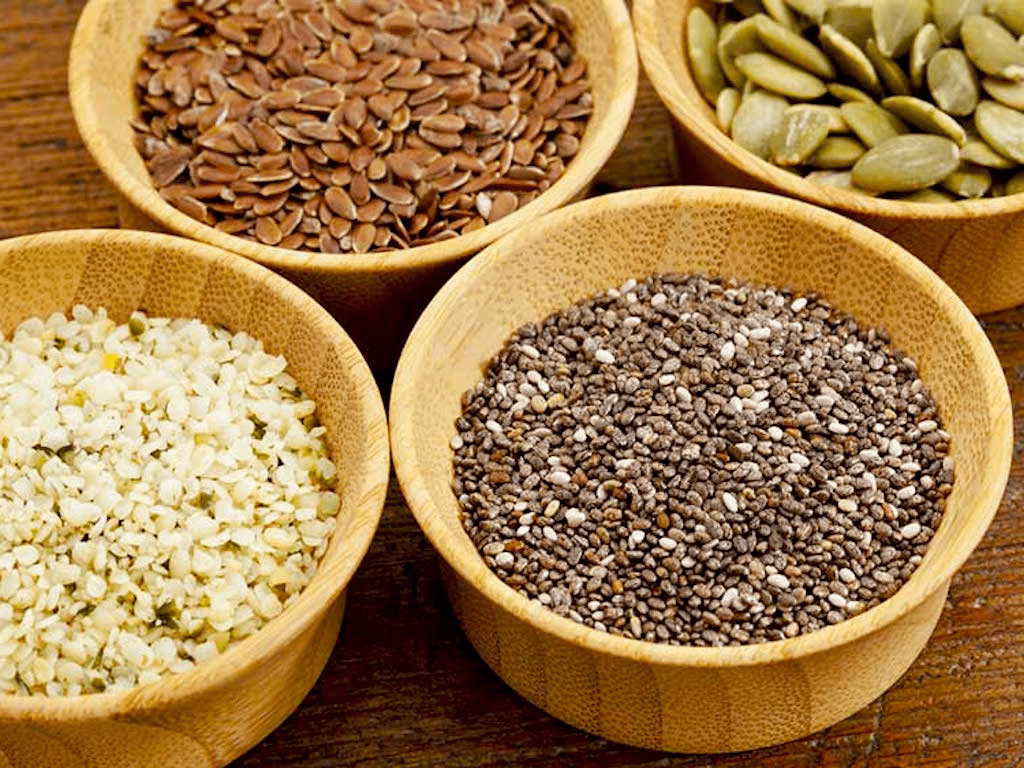
Quick Comparison Table: Best Uses and Key Benefits
| Oil | Primary Support Focus | Best Use | Notes |
|---|---|---|---|
| Avocado oil | Cholesterol balance, inflammation support | Cooking, roasting, drizzling | Heat-stable, mild taste |
| Flaxseed oil | ALA omega-3 for flexibility | Cold only (smoothies, dressings) | Never heat; refrigerate |
| Pumpkin seed oil | Elasticity + minerals | Finishing oil | Nutty flavor, deep green color |
| Almond oil | Vitamin E + cholesterol support | Oatmeal, light dressings | Gentle taste |
| Sesame oil | Lignans, vessel function | Stir-fries, dressings | Strong, nutty flavor |
| Extra virgin olive oil | Polyphenols + vessel lining protection | Raw or low-heat | Mediterranean diet staple |
| Walnut oil | ALA omega-3 support | Drizzling only | Store cool, use fresh |
| Hemp seed oil | Balanced fatty acids | Cold uses | Not for high heat |
A Simple Timeline to Make It Sustainable
- Weeks 1–2: Start with 1 tablespoon daily (for example, EVOO or avocado oil on salads). Pay attention to energy and leg comfort.
- Weeks 3–4: Move toward 1–2 tablespoons total per day, and rotate types (add flaxseed oil to smoothies).
- After 1 month: Keep it consistent across meals and pair it with daily walking and more vegetables for stronger synergy.
Practical Tips to Get Better Results
- Use flaxseed oil mixed into yogurt or smoothies (cold only) to preserve its omega-3s.
- Choose avocado oil when you need higher-heat cooking stability.
- Add a simple movement habit: short daily walks can amplify diet-related benefits.
- Buy fresh, high-quality oils and store them cool and away from light to reduce oxidation.
The “Surprising” Tip That Makes Everything Work: Consistency
No single oil is a magic fix. The real results come from steady daily patterns—using healthier oils while also eating more fruits, vegetables, and whole grains, and keeping your body moving regularly. Small steps repeated over weeks often feel more powerful than big changes that don’t last.
If you want a simple place to begin, try extra virgin olive oil on your next salad and build from there.
FAQ
Which oil is the best first choice for circulation support?
Extra virgin olive oil and avocado oil are strong starting points because they’re versatile, widely studied, and easy to use daily.
Can all of these oils be used for cooking?
No. Flaxseed, hemp seed, and walnut oil are best used cold. For cooking, avocado oil and olive oil are generally more suitable (choose based on heat level).
How much oil should I use each day?
A common range is 1–2 tablespoons total per day, spread across meals and adjusted to your overall calorie needs.
Medical Disclaimer
This article is for informational purposes only and does not replace medical advice. Talk with a qualified healthcare professional before making dietary changes—especially if you have a medical condition or take medications.