
Feeling bloated, running low on energy, or constantly hunting for snacks can make even a “healthy” routine feel discouraging. You clean up your meals, but nothing seems to change in an obvious way. That’s why many people wonder if something as simple as chia seeds can actually help. The truth is: what you may notice after seven days of eating chia seeds isn’t instant or dramatic—but it can be surprisingly useful in everyday life.
Why Chia Seeds Became So Popular
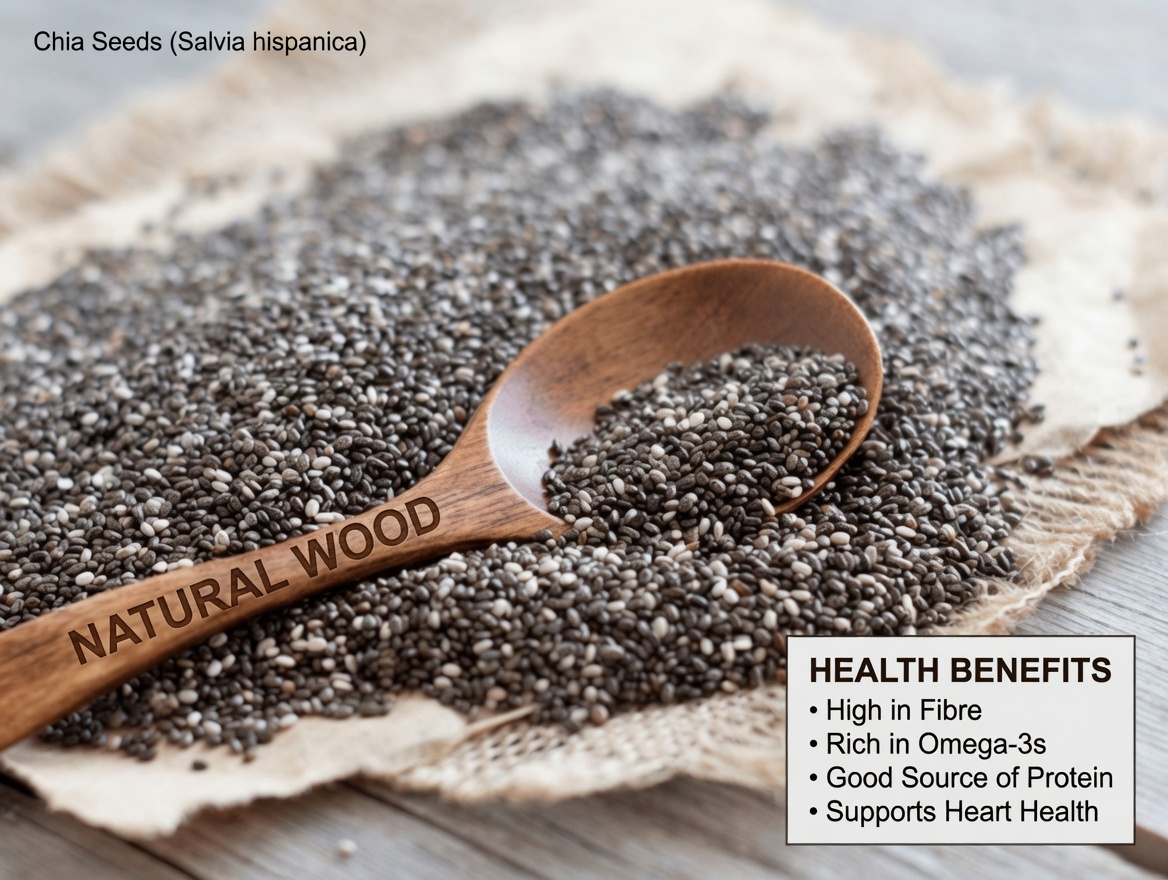
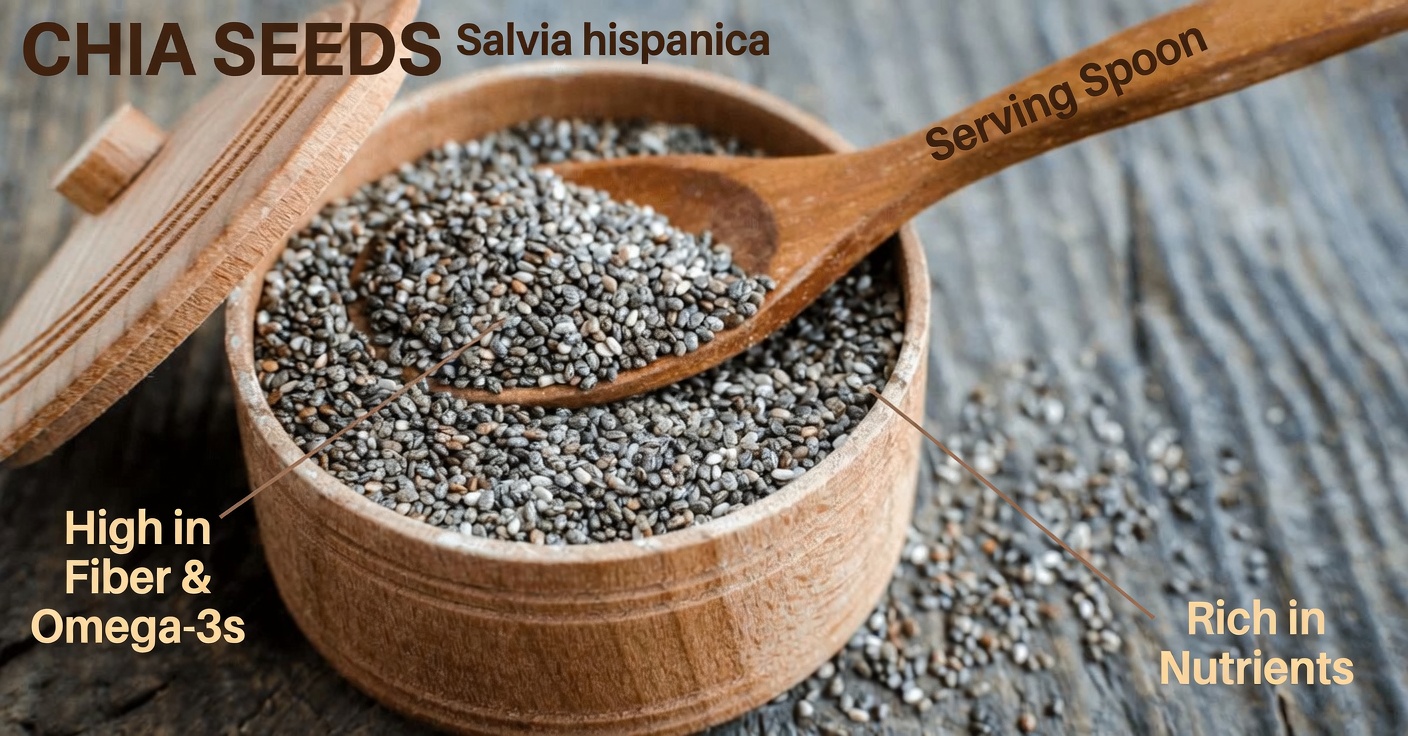
Chia seeds come from Salvia hispanica, a plant with a long history of traditional use. More recently, they’ve become a go-to ingredient in smoothies, oatmeal, yogurt bowls, and healthy desserts.
So why the hype? Chia seeds are naturally packed with:
- Dietary fiber
- Plant-based omega-3 fatty acids
- Protein
- Antioxidants
- Key minerals (including calcium, magnesium, and iron)
Nutrition research often links adequate fiber and omega-3 intake with better digestive balance and heart-health support. That doesn’t make chia seeds a miracle food—but it does make them impressively nutrient-dense for such a small serving.

What gets interesting is this: eating chia seeds every day for a week is less about a visual “before and after” and more about small internal shifts that can influence appetite, digestion, and routine.
What You May Notice in the First 24–48 Hours
Many people expect immediate results. In reality, changes tend to show up gradually.
1) A Meaningful Fiber Boost
Just one tablespoon of chia seeds provides roughly 5 grams of fiber. Since many adults don’t reach daily fiber targets, this alone can be a noticeable upgrade.
Within the first couple of days, some people report:
- Changes in bowel movements (often mild at first)
- Longer-lasting fullness after meals
- Less desire to snack between meals
This happens because chia seeds absorb liquid and form a gel-like texture in the digestive tract. That gel can slow digestion, which helps you stay satisfied longer.
If you increase fiber too fast—especially without drinking enough fluids—you might experience mild bloating. That’s a common adjustment effect.
Days 3–4: Digestive Changes Become Easier to Notice
By the middle of the week, your body often starts adapting to the extra fiber.
More Consistent Digestive Regularity
Fiber supports healthy bowel patterns by improving stool bulk and promoting smoother movement through the intestines. If your usual diet is low in fiber, you may notice a more predictable rhythm.
This isn’t an “overnight gut reset.” It’s simply your digestive system responding to better fiber intake.
Feeling Satisfied for Longer
Because chia seeds expand when mixed with liquid, they may slow stomach emptying for some people. Common experiences include:
- Less mid-afternoon hunger
- More steady energy between meals
- Fewer cravings for sugary snacks
Still, feeling full doesn’t automatically equal weight loss. It can, however, make mindful eating easier.
Days 5–7: Gentle Metabolic Support and Better Day-to-Day Stability
Toward the end of the week, subtle patterns can start to stand out.
More Even Blood Sugar and Energy
Some studies suggest that soluble fiber can help slow carbohydrate absorption. For many people, that translates into less volatility after meals.
You might notice:
- Fewer energy crashes
- Less intense hunger spikes
- A more stable mood throughout the day
This is typically not a dramatic change—more like smoothing out the sharp peaks and dips in your daily energy.
Increased Hydration Awareness
Chia seeds can absorb up to 10 times their weight in water. If you’re not drinking enough, you may feel heavy or uncomfortable.
A surprisingly common benefit: people become more intentional about drinking water when they add chia seeds daily. That hydration upgrade alone can improve how you feel.
What Will Not Happen After Seven Days of Chia Seeds
It helps to clear up expectations. A week of chia seeds will not:
- Instantly “melt” body fat
- Replace balanced meals
- Rapidly change cholesterol levels
- Dramatically reshape your body
Nutrition works through consistency over time. Seven days is often enough to notice appetite and digestion shifts—but not long enough for major measurable body changes in most healthy adults.
The more meaningful advantage is behavioral: when you consistently add a nutrient-dense food, you may naturally reduce less supportive choices. That’s where long-term progress starts.
Nutrition Snapshot: Why Chia Seeds Feel So Filling
Here’s a simple comparison of 1 tablespoon of chia seeds vs 1 tablespoon of white rice:
Chia seeds
- Calories: ~60
- Fiber: ~5 g
- Protein: ~2 g
- Healthy fats: present
- Processing: minimal
White rice
- Calories: ~50
- Fiber: <1 g
- Protein: ~1 g
- Fat: very low
- Processing: higher
The real difference isn’t calories—it’s fiber and nutrient density, which strongly influence fullness.
Potential Side Effects to Keep in Mind
Chia seeds are generally safe for most people in moderate amounts, but a few issues can come up.
Digestive Discomfort
A fast increase in fiber may lead to:
- Bloating
- Gas
- Mild abdominal discomfort
To reduce this risk, start small and increase slowly.
Don’t Eat Them Dry
Chia seeds swell when exposed to liquid. It’s safer and more comfortable to soak them (in water, milk, or yogurt) rather than swallowing them dry.
Individual Sensitivities
Responses vary. If discomfort continues, pause and reassess your intake or consult a qualified professional.
How to Add Chia Seeds to Your Diet (7-Day Plan)
If you want to try a simple 7-day chia seed routine, use this step-by-step approach.
-
Start small
Begin with 1 teaspoon per day, mixed into:- Oatmeal
- Yogurt
- Smoothies
- Overnight oats
-
Increase gradually
After day 3, move up to 1 tablespoon per day if you feel fine. -
Drink enough water
Hydration supports fiber function and reduces discomfort. -
Use chia seeds with balanced meals
Combine them with:- Lean proteins
- Vegetables
- Whole grains
- Healthy fats
This improves overall nutrition instead of relying on one ingredient.
-
Track subtle changes
Notice patterns in:- Hunger and cravings
- Digestive comfort
- Energy stability
Expect small improvements more often than dramatic results.
The Real Benefit After Seven Days (That Most People Miss)
For many, the biggest change is mental—not physical.
Committing to one small daily action—like adding chia seeds—builds consistency. That consistency often spills into other habits: drinking more water, choosing more whole foods, and planning meals more thoughtfully.
In behavioral nutrition, repeatable small actions create momentum. It’s rarely about one superfood. It’s about building a routine that becomes easier to maintain.
Conclusion
Eating chia seeds daily for seven days usually won’t create a dramatic physical transformation. What you may notice instead is better digestive regularity, longer-lasting fullness, and steadier day-to-day energy. Over time, these subtle improvements can support healthier eating patterns. The true value isn’t a quick fix—it’s a simple, sustainable habit that strengthens overall nutrition.
Frequently Asked Questions
-
How many chia seeds should I eat per day?
Many people do well with 1–2 tablespoons daily. Start with a smaller amount and increase gradually, while drinking enough water. -
Can chia seeds support weight management?
They can help you feel fuller due to their fiber content, but weight management depends on total calorie intake, activity level, and consistent lifestyle habits. -
Is it safe to eat chia seeds every day?
For most healthy adults, moderate daily intake is considered safe. If you have a medical condition or take medications, consider checking with a healthcare professional.