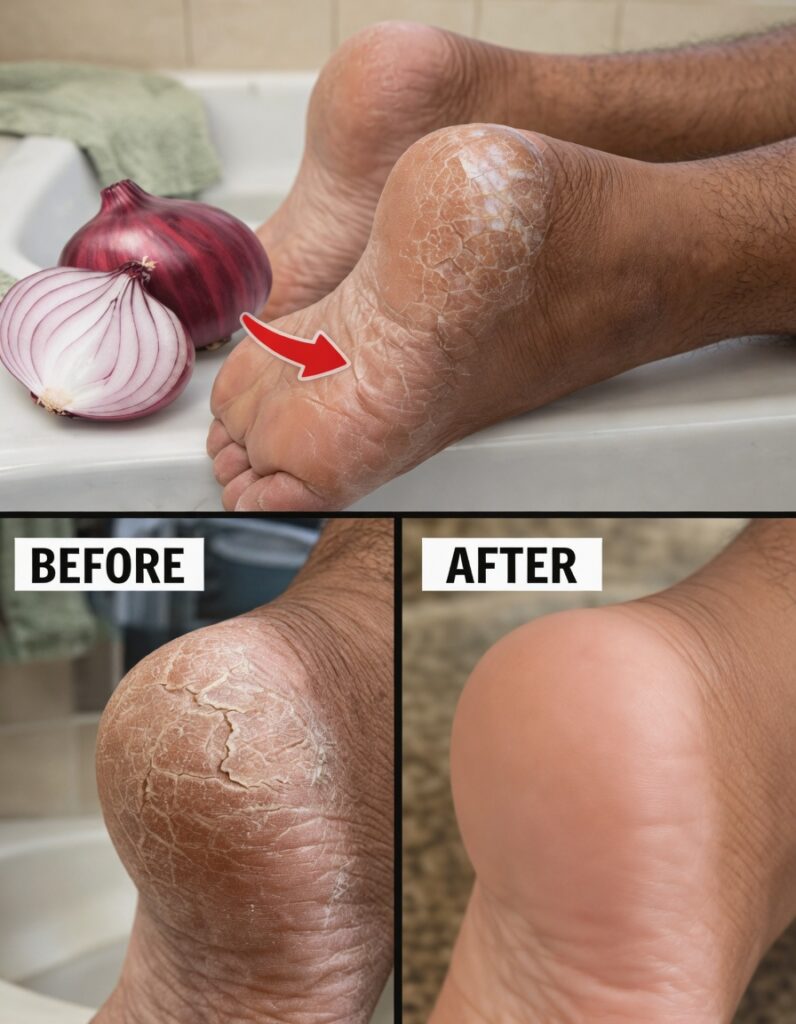
Smooth, Comfortable Heels: Natural Remedies for Dry, Cracked Skin
Dry, cracked heels can be uncomfortable, snag on your sheets, and feel awkward in open-toe shoes. Your heel skin may look thick, scaly, or uneven—especially in colder seasons or after long days of standing and walking. If rich creams have not made much difference, you are far from alone.
The encouraging news: a few simple, natural ingredients—many already in your kitchen—can help improve the look and feel of rough heels over time. One of the most surprising “secrets” comes at the end.
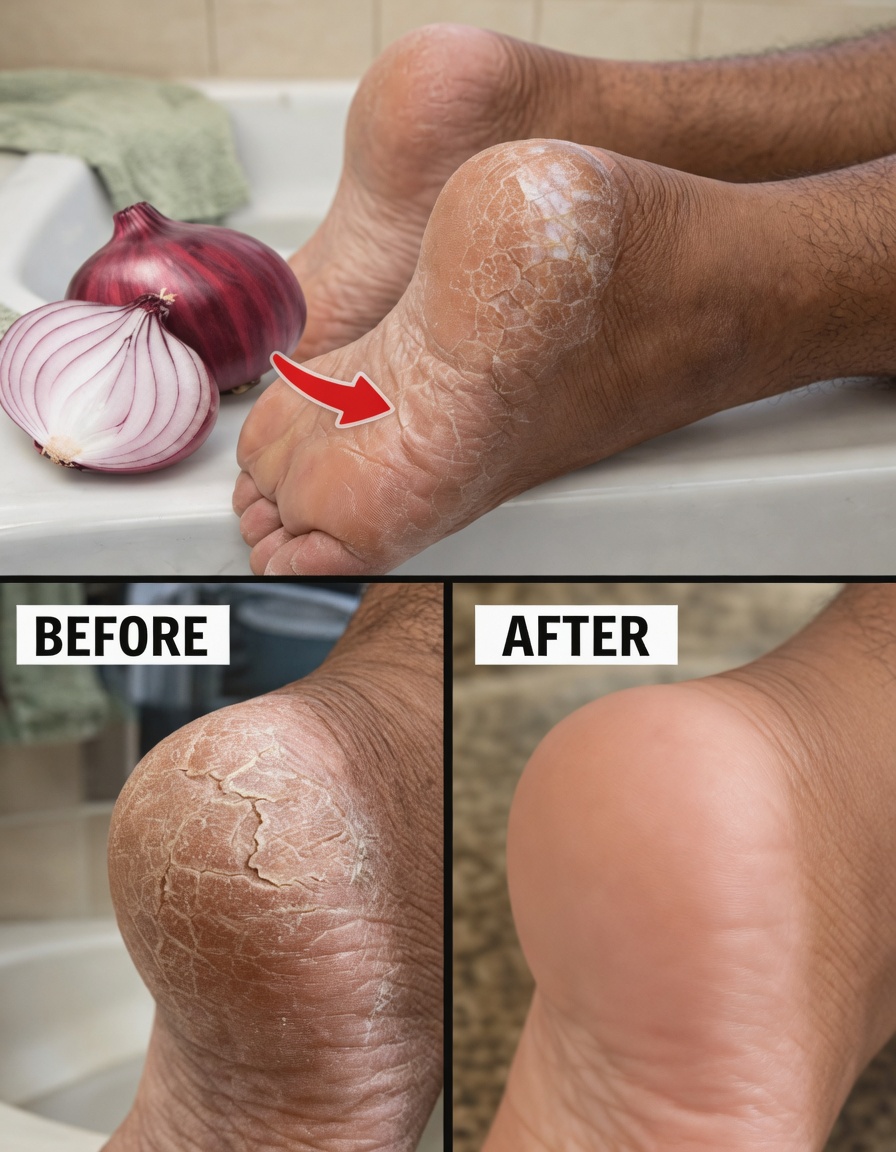
Why Heels Get Dry and Cracked
Understanding the cause makes it easier to fix.
Heel skin is naturally thicker than skin on most other parts of the body, and it has fewer oil glands. That means it cannot self-moisturize as efficiently. When dryness combines with repeated pressure (standing, walking, or open-back shoes), the skin can harden, then split—creating visible cracks.
Common triggers include:
- Long hours on your feet
- Cold weather or low humidity
- Open-back footwear
- Skipping regular moisturizing
- Age-related skin changes
- Skin conditions that increase dryness
Dermatology research consistently highlights two essentials for improving roughness and scaling: maintaining hydration and supporting the skin barrier. In practical terms, heels improve with steady moisture plus gentle care.
Here is the key detail many people miss: plenty of commercial options focus mainly on surface hydration. Natural approaches often combine moisture, mild exfoliation, and barrier support in one routine.
1) Coconut Oil: Overnight Moisture Lock
Coconut oil is widely recognized for supporting the skin barrier thanks to its fatty acid content, which can help reduce water loss and soften rough texture.
Why it may help:
- Supports barrier function
- Minimizes the look of flaking
- Softens thick, dry skin
- Simple enough for daily use
Small clinical research on plant-based oils suggests regular coconut oil use can improve hydration and reduce dryness.
How to use:
- Wash feet with lukewarm water.
- Pat dry gently.
- Apply a generous layer of virgin coconut oil to the heels.
- Put on breathable cotton socks overnight.
- Repeat 3–4 times per week.
With consistent use, many people notice gradual improvement in 1–2 weeks.
2) Honey + Warm Water Foot Soak
Honey is a natural humectant, meaning it attracts and holds moisture. It is also known for soothing qualities that may help when skin feels rough or irritated.
Why it works:
In warm water, honey helps soften hardened skin so that gentle rubbing afterward is easier and less abrasive.
Steps:
- Add 1 cup of honey to a basin of warm water.
- Soak feet for 15–20 minutes.
- Gently rub heels using your hands or a soft cloth.
- Rinse, then apply moisturizer right away.
Do this 1–2 times per week.
Important: Moisturizing immediately after soaking matters. If you do not seal hydration in, dryness can return quickly.

3) Oatmeal + Olive Oil: Gentle Exfoliation for Built-Up Skin
Dead skin buildup can make heel cracks look deeper than they truly are. Carefully removing that thick layer—without over-scrubbing—is often what changes everything.
- Oatmeal contains soothing compounds that support softer-feeling skin.
- Olive oil adds emollient moisture and nourishment.
Simple exfoliating paste:
Mix:
- 2 tablespoons ground oatmeal
- 1 tablespoon olive oil
Massage onto damp heels for about 5 minutes, rinse with lukewarm water, then moisturize immediately.
Avoid harsh scrubbing. Many dermatology experts warn that aggressive exfoliation can damage healthy skin and worsen cracking. Gentle + consistent works best.
4) Aloe Vera: A Bedtime Softening Routine
Aloe vera is valued for its hydrating and calming properties. Its natural polysaccharides can support moisture retention and smoother-looking skin.
How to use:
- Soak feet in warm water for 10 minutes.
- Pat dry.
- Apply fresh aloe gel generously to heels.
- Wear socks overnight.
Repeat nightly for one week, then switch to maintenance use as needed. Many people report noticeable softening after a few days of regular application.

5) The Onion Method (Yes, Onion) for Rough, Thick Heels
This is the unexpected one: onion.
Onions contain sulfur compounds and mild acids. While direct research on onion use for heel care is limited, sulfur-based ingredients are commonly used in skincare to support exfoliation and renewal.
How some people try it:
- Blend half a red onion into a paste.
- Apply to thickened areas of the heels.
- Leave on for 15–20 minutes.
- Rinse thoroughly, then moisturize.
Use once weekly and pay attention to how your skin reacts. If burning, redness, or irritation occurs, stop using it.
It may not smell glamorous, but some people find it helpful when combined with steady moisturizing.
Quick Comparison: Natural Remedies for Cracked Heels
- Coconut oil: Deep moisture + barrier support (very dry heels), 3–4x/week
- Honey soak: Softening + hydration (thick, rough skin), 1–2x/week
- Oatmeal + olive oil: Gentle exfoliation (dead skin buildup), 1–2x/week
- Aloe vera: Soothing hydration (mild cracking), nightly short-term
- Onion paste: Skin-renewal support (hardened, thick skin), 1x/week
A combined approach typically works better than relying on a single method.
Daily Habits That Make Natural Remedies Work Better
Home remedies deliver the best results when your everyday routine supports heel hydration.
Dermatology-friendly habits include:
- Apply moisturizer immediately after bathing
- Avoid very hot showers
- Wear cushioned, closed-back shoes when possible
- Drink enough water
- Use a pumice stone gently once weekly
One often-overlooked habit: moisturize within three minutes after washing. This “moisture-lock window” is when skin is most ready to retain hydration. A small timing change can create a noticeable improvement.
When to Get Professional Help
Seek medical advice if heel cracks are:
- Deep or bleeding
- Painful
- Red, swollen, or warm (possible infection)
- Not improving despite consistent care
Ongoing dryness can sometimes be linked to underlying conditions, and a healthcare professional can guide appropriate treatment.
Conclusion: The Real “Secret” to Softer Heels
Cracked heels are common—especially in dry weather or after long periods on your feet. The solution is rarely a miracle product. The real formula is consistent hydration, gentle exfoliation, and skin-barrier support.
Coconut oil, honey soaks, oatmeal scrubs, aloe vera, and even onion paste may help your heels look smoother and feel more comfortable when used correctly. Combine methods strategically, be patient, and protect your skin barrier.
And the surprising “secret” promised at the beginning is not an exotic ingredient—it is consistency. Small daily steps repeated for weeks are what create the transformation most people want.
FAQ
How long does it take to improve cracked heels naturally?
With steady care, many people notice softer skin in 1–2 weeks. Deeper cracks and heavier buildup may take several weeks, depending on severity.
Is it okay to exfoliate cracked heels every day?
Usually not. Exfoliating too often can increase irritation and dryness. For most people, 1–2 times per week is enough.
Do socks overnight actually help?
Yes. Wearing breathable cotton socks after applying moisturizer reduces moisture loss and helps hydration last longer while you sleep.
Disclaimer
This article is for informational purposes only and is not a substitute for professional medical advice, diagnosis, or individualized treatment. If you have severe pain, signs of infection, or persistent symptoms, consult a qualified healthcare provider.