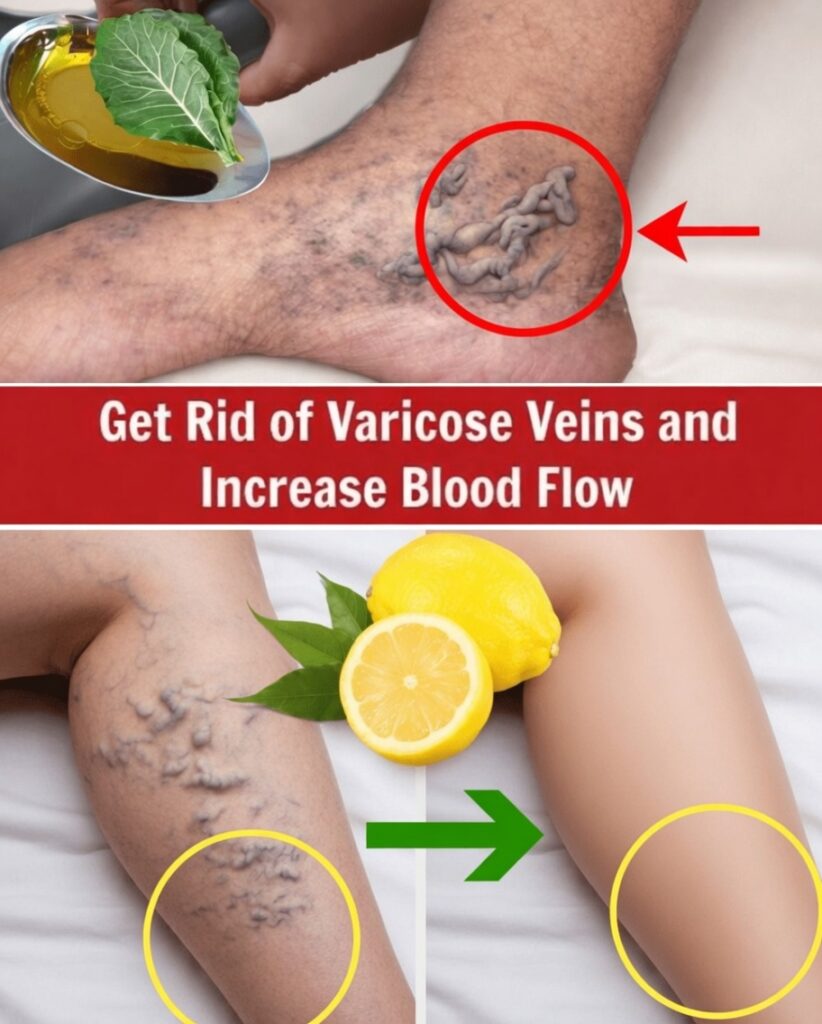
That heavy, sore feeling in your legs after hours of standing or sitting can turn everyday life into a struggle. When veins become enlarged, twisted, and visible, they often come with swelling, fatigue, and discomfort about how your legs look. Varicose veins affect millions of people worldwide—but there’s encouraging news: small, natural lifestyle adjustments can help support circulation and ease symptoms.
Below are 10 evidence-based, practical ways to improve blood flow—starting with simple habits and building toward the changes that make the biggest overall difference.
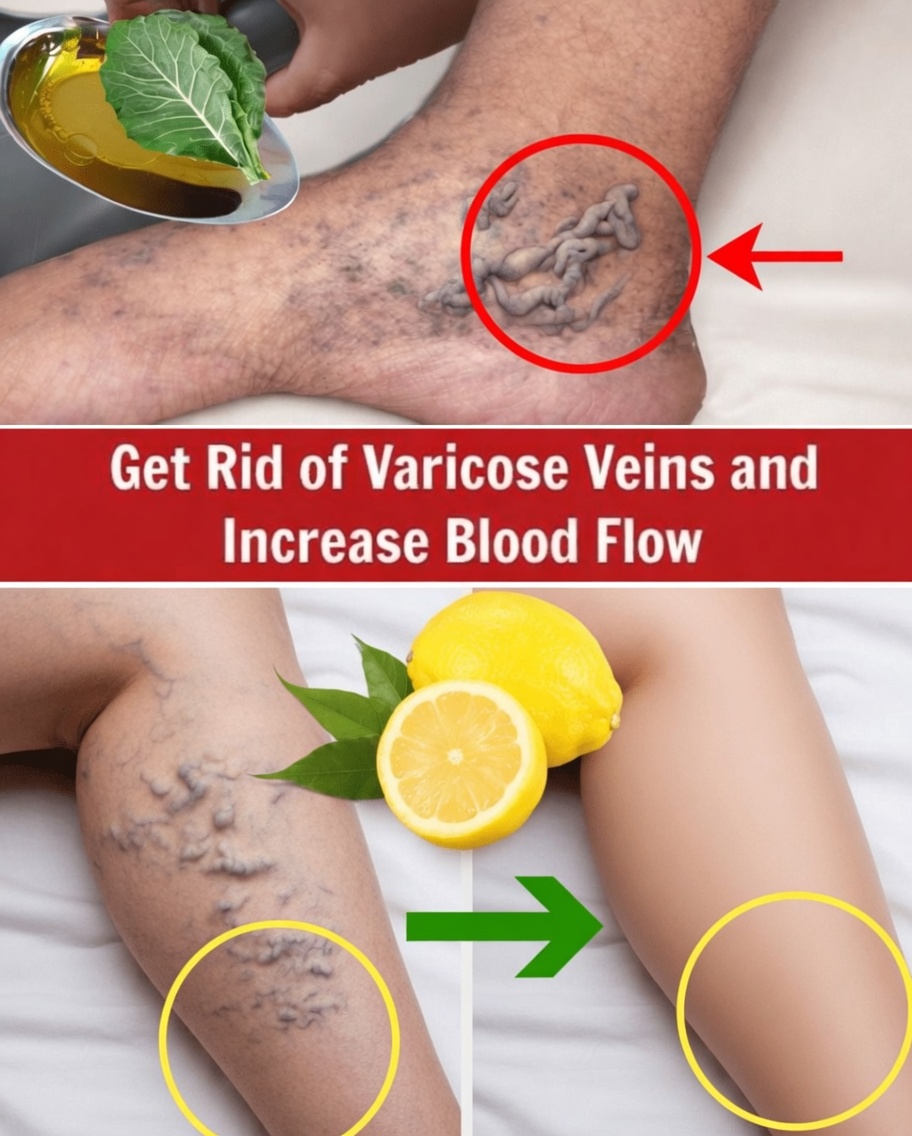
Way 10: Stay Hydrated All Day
When you’re dehydrated, your blood can become thicker, which may make it harder for your veins to move blood upward—especially when varicose veins already increase pooling in the lower legs.
Drinking enough water helps support healthier blood volume and smoother circulation. Many studies highlight hydration as a basic factor in overall cardiovascular function. Aim for around 8 glasses per day, and increase that amount if you’re active or in hot weather. For many people, hydration alone can make legs feel noticeably less “heavy.”
Way 9: Wear Low-Heel Shoes and Avoid Tight Clothing
High heels and restrictive clothing can interfere with circulation, making it easier for blood to collect in the legs—often worsening the aching and swelling linked to varicose veins.
- Low-heel or flat shoes help the calf muscles work more effectively, acting like a natural pump each time you walk.
- Loose-fitting clothing around the waist, groin, and legs supports better blood return.
This simple wardrobe shift often helps reduce end-of-day swelling and leg fatigue.
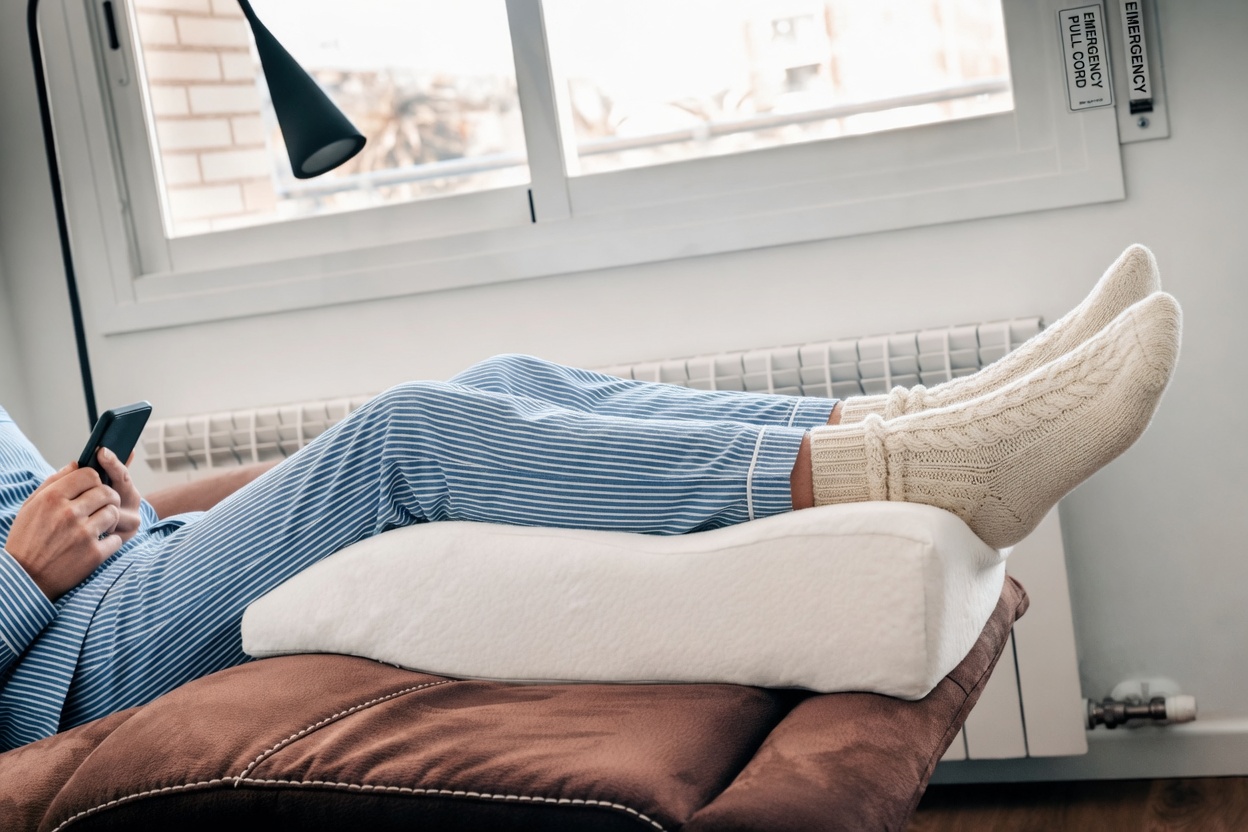
Way 8: Elevate Your Legs Regularly
Gravity increases pressure in the leg veins throughout the day, which can contribute to fluid buildup and that tight, tired sensation many people feel.
Raising your legs above heart level helps reduce venous pressure and encourages fluid to drain. Try elevating your legs on pillows for 15–20 minutes, a few times daily. Many people experience quick relief from swelling and discomfort with this habit.
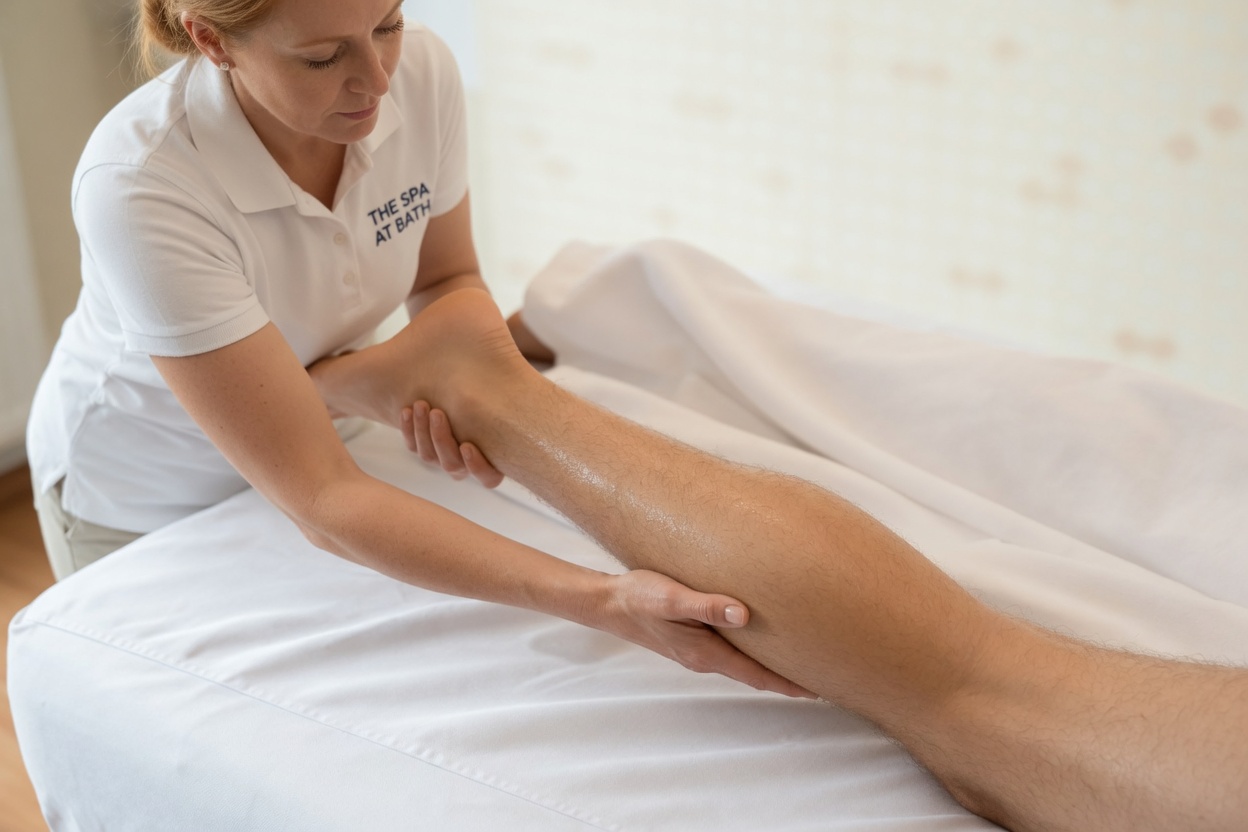
Way 7: Use Gentle Massage to Support Circulation
By evening, legs affected by varicose veins can feel tense, heavy, and worn out.
A light upward massage (from ankle toward thigh) can encourage venous return and ease mild fluid buildup. Keep pressure gentle to avoid irritation, especially over visible veins. Many people find it most effective when combined with leg elevation for added comfort.
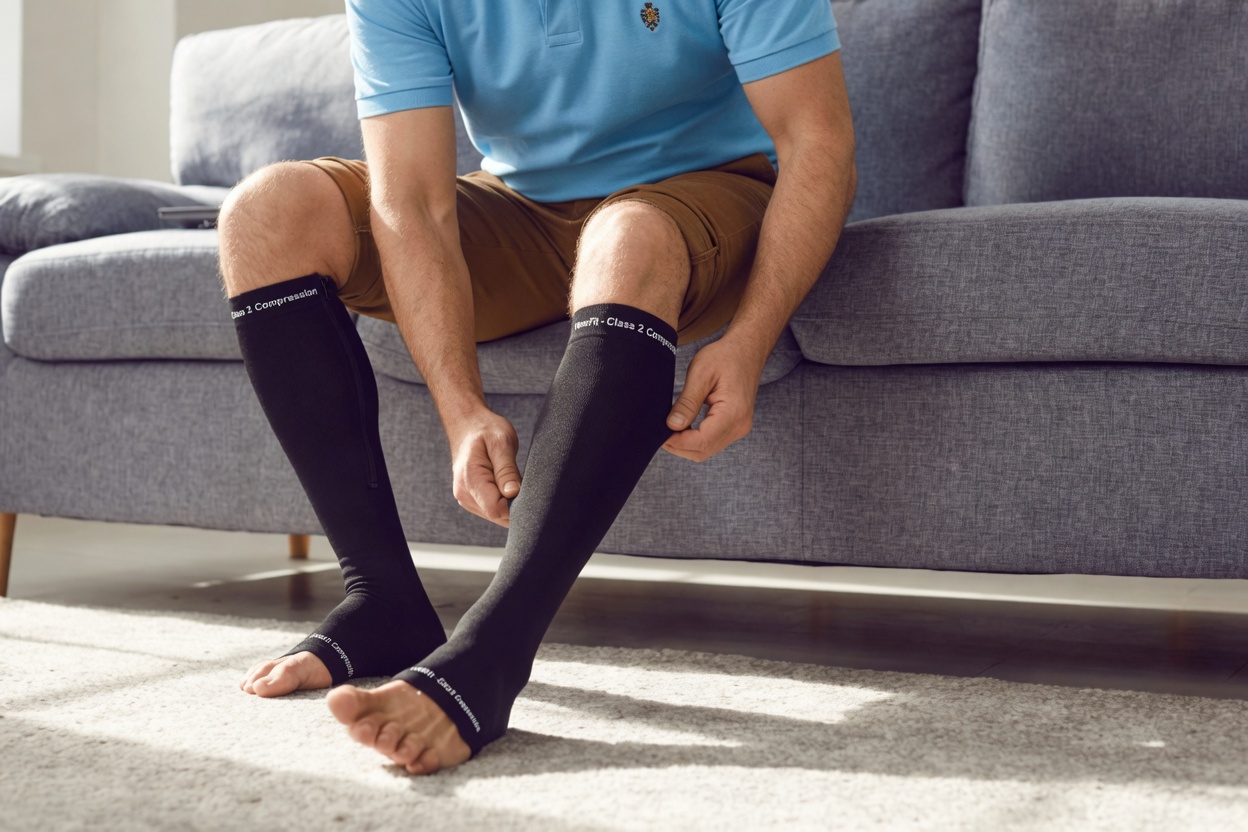
Way 6: Wear Compression Stockings Daily
Varicose veins commonly cause blood pooling, which can lead to swelling and a “tired legs” sensation—especially after long periods on your feet.
Graduated compression stockings apply the most pressure at the ankle and gradually less up the leg, helping blood move upward more efficiently. Research suggests that knee-high compression (often around 18–21 mmHg) may reduce aching and discomfort within a few weeks for many users. Consistent daytime use is key.

Way 5: Eat More Flavonoid-Rich Foods
Inflammation and weakened vein walls can contribute to worsening symptoms and more noticeable varicose veins over time.
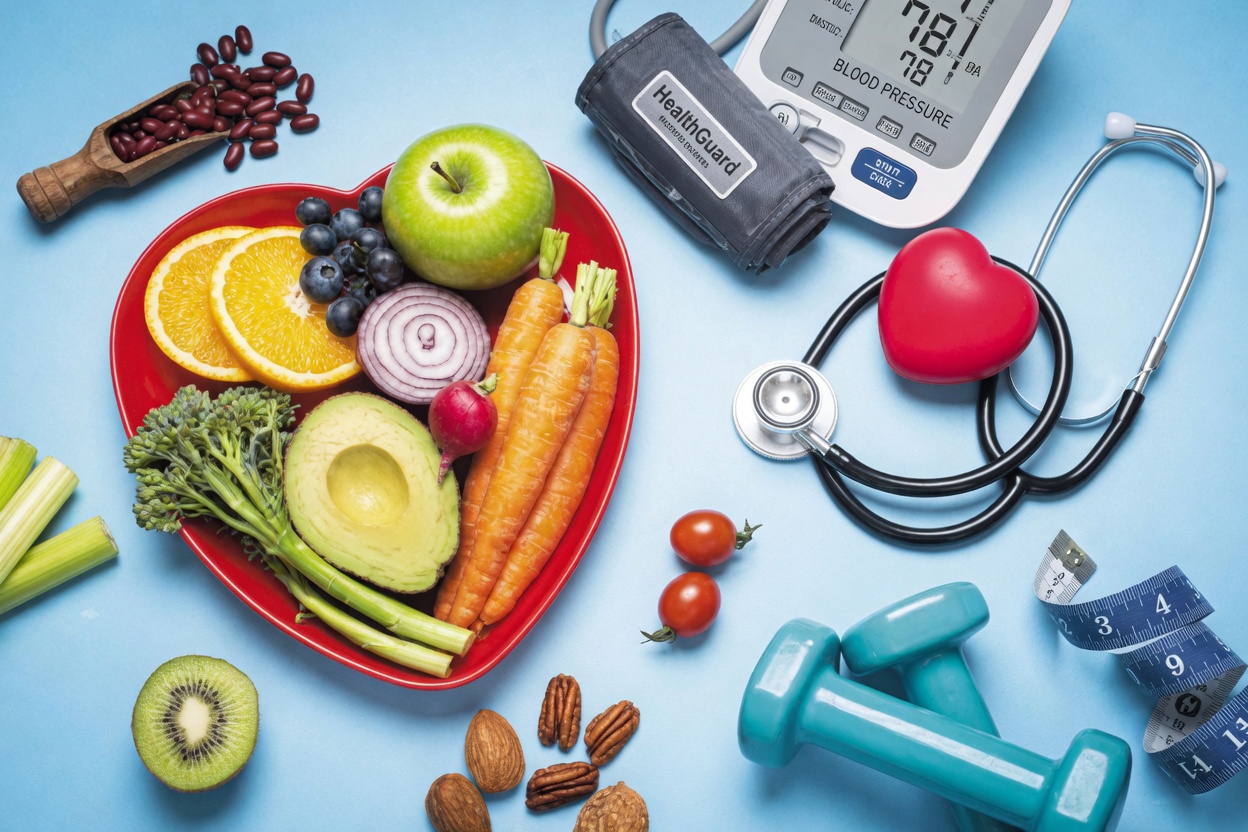
Flavonoids—found in many plant foods—are linked in research to improved vascular function and reduced swelling. Add more:
- Berries
- Citrus fruits
- Grapes
- Dark leafy greens
A daily habit of flavonoid-rich eating can support vein health and overall circulation.
Way 4: Do Regular Low-Impact Exercise
When you stay still for long periods, blood is more likely to pool in the legs, intensifying aching and heaviness.
Low-impact activity strengthens circulation by activating the calf muscles—your body’s built-in “venous pump.” Great options include:
- Walking
- Swimming
- Cycling
Aim for about 30 minutes most days. Along with improving blood flow, exercise supports healthy weight and cardiovascular function, which can reduce strain on leg veins.
Way 3: Consider Horse Chestnut Seed Extract
Swelling and heaviness can make daily activities feel draining for people with chronic venous issues, including varicose veins.
Standardized horse chestnut seed extract (commonly containing aescin) has shown evidence in studies for reducing leg discomfort and edema associated with venous insufficiency. Some research suggests results that may be comparable to certain compression approaches for symptom relief.
Important: Talk with a healthcare professional before using it, as supplements can interact with medications or be inappropriate for certain conditions.
Way 2: Look Into Grape Seed or Pine Bark Extracts
Fragile blood vessels and inflammation can contribute to ongoing discomfort in varicose veins.
Grape seed extract and pine bark extract contain OPCs (oligomeric proanthocyanidins)—antioxidants studied for their potential to support vessel strength and reduce inflammation. Early research suggests possible benefits for circulation and swelling, but quality and dosing vary widely.
Important: Check with your doctor before starting any supplement, particularly if you take blood thinners or have chronic health conditions.
Way 1: Maintain a Healthy Weight with Balanced Habits
Excess body weight increases pressure on leg veins, often worsening pain, swelling, and the visible bulging associated with varicose veins.
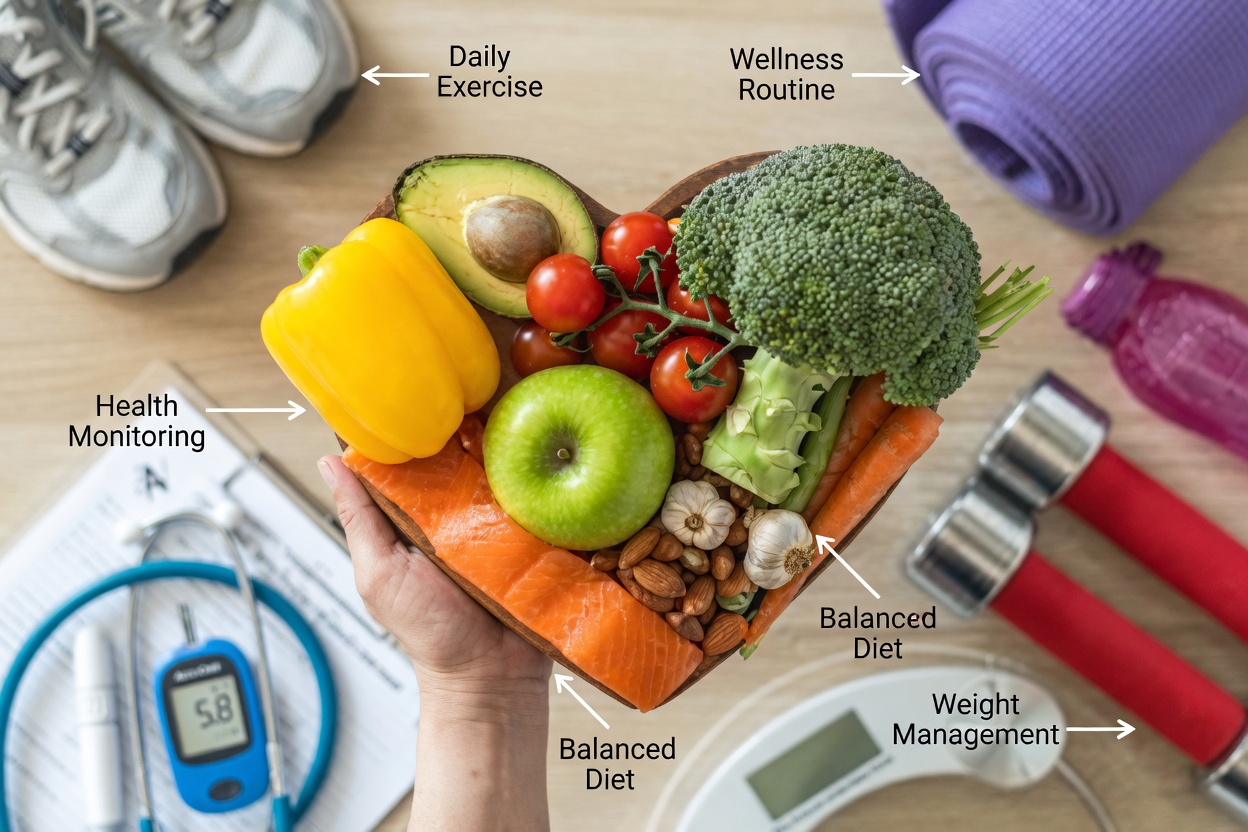
Even modest weight reduction can reduce strain and improve circulation. When combined with low-impact exercise and a balanced diet, weight management tends to amplify the benefits of every other strategy on this list—often producing the most noticeable long-term improvement in comfort.
Quick Comparison: 10 Natural Approaches for Varicose Veins
- Hydration — supports smoother blood flow
- Low heels + loose clothing — reduces restriction and improves return flow
- Leg elevation — decreases pressure and helps fluid drain
- Gentle massage — encourages upward circulation
- Compression stockings — provides consistent external support
- Flavonoid-rich foods — may strengthen vessels and reduce inflammation
- Low-impact exercise — activates the calf pump and prevents pooling
- Horse chestnut extract — may reduce swelling (medical guidance recommended)
- Grape seed/pine bark extracts — antioxidant support (medical guidance recommended)
- Healthy weight — reduces venous pressure and improves overall outcomes
These methods often work best when combined—such as compression + walking or elevation + gentle massage.
How to Combine These Habits Safely
- Start small: Pick 2–3 changes and track symptoms for 2 weeks.
- Use compression the right way: Get properly fitted, wear during the day, remove at night.
- Be cautious with supplements: Choose standardized products and speak with your healthcare provider first.
- Stay consistent: Improvements are usually gradual and depend on routine.
- Watch your symptoms: If pain or swelling increases, seek professional evaluation.
Many people report lighter, less achy legs when they consistently combine movement, elevation, and compression.
A Simple Step You Can Take Today
Try a short walk, or elevate your legs for 15 minutes tonight. Even small, steady actions can make daily comfort easier to achieve.
Extra tip: If you sit for long periods, do quick ankle pumps and flexes at your desk to encourage blood flow.
Frequently Asked Questions
What are early signs of varicose veins?
Common early symptoms include visible twisted veins, leg heaviness, aching, and swelling, especially after long periods of standing or sitting.
Can natural methods get rid of varicose veins completely?
Lifestyle measures can reduce symptoms and support circulation, but they generally do not remove existing varicose veins. They work best as supportive, long-term habits.
When should I see a doctor about varicose veins?
Seek medical care if you have persistent pain, skin discoloration or thickening, open sores/ulcers, or sudden swelling, as these may signal more serious venous problems.
Medical Disclaimer
This article is for informational purposes only and does not replace professional medical advice. Always consult a qualified healthcare provider for guidance tailored to your situation, especially regarding varicose veins and supplement use.