
Persistent fatigue, unexpected body changes, or discomfort that refuses to fade can be surprisingly easy to brush off. Many people chalk these signals up to aging, stress, or an overloaded schedule. The risk is that ignoring ongoing symptoms for too long can postpone important conversations with a healthcare professional. The encouraging part is that the body often provides early clues—learning to notice them can help you respond sooner and with more confidence. And near the end, you’ll find one simple daily habit that many people overlook, yet it can help you detect changes much earlier.

Why Early Awareness Matters More Than You Think
Cancer can develop without obvious warning. In the early stages, symptoms may be subtle, nonspecific, or easily mistaken for everyday issues.
Evidence consistently links earlier medical evaluation of unusual, persistent symptoms with better overall outcomes. That doesn’t mean every symptom points to cancer. It does mean that paying attention to long-lasting, unexplained changes is one of the strongest health habits you can build.
The goal isn’t panic—it’s awareness and timely action.
1. Unexplained Weight Loss
Losing weight without changing diet or activity might seem like a bonus. But significant, unintended weight loss should be taken seriously.
Major health organizations commonly advise discussing it with a healthcare professional if you lose more than 5% of your body weight within 6–12 months without trying.
You may also notice:
- Reduced appetite
- Persistent fatigue
- Digestive discomfort
When unexplained weight loss appears alongside other unusual symptoms, it becomes even more important to seek guidance.
2. Persistent Fatigue That Doesn’t Improve With Rest
Feeling tired now and then is normal—stress, long workdays, and poor sleep can drain anyone.
However, fatigue linked to serious illness is often described as:
- Deep and overwhelming
- Not relieved by sleep
- Disruptive to everyday tasks
If exhaustion lasts for weeks and doesn’t have an obvious explanation, it’s worth a medical evaluation. Many conditions can cause long-term fatigue, and getting clarity early is helpful.
3. Changes in Skin Appearance
Your skin can reflect internal health more than you might expect.
Pay attention to:
- New moles or growths
- Changes in an existing mole’s size, shape, or color
- Wounds or sores that don’t heal
- Yellowing or unusual darkening of skin
Dermatology guidance emphasizes tracking skin changes—especially those that evolve over time.
A practical takeaway: a monthly skin self-check in good lighting can help you spot subtle changes earlier.

4. A Lump or Thickening Under the Skin
Discovering a lump can be alarming, but many lumps are benign (such as cysts or noncancerous growths). Still, any new lump that:
- Doesn’t go away
- Gets bigger
- Feels hard, irregular, or fixed in place
should be checked by a medical professional.
Common areas where lumps are noticed include the breast, neck, armpit, and groin. Early evaluation often brings both answers and peace of mind.
5. Persistent Cough or Hoarseness
A cough that lingers—especially without clear signs of infection—deserves attention.
Be particularly mindful of:
- Hoarseness that doesn’t improve
- Coughing up blood
- Shortness of breath
Allergies and respiratory infections can cause similar symptoms. However, when coughing or voice changes persist for more than three weeks, a consultation is a smart next step.
Subtle voice changes are often dismissed as “just irritation,” but persistent hoarseness can occasionally signal a deeper issue.
6. Difficulty Swallowing or Ongoing Indigestion
Occasional heartburn is common, especially after large or heavy meals. What matters is persistence.
Consider medical evaluation if you notice:
- Trouble swallowing or a “stuck” sensation
- Pain while swallowing
- Frequent choking
- Ongoing indigestion that doesn’t improve with lifestyle adjustments
- Unexplained chest discomfort after eating
These symptoms can have many explanations, but discussing them early helps identify the cause sooner.
7. Changes in Bowel or Bladder Habits
Digestive and urinary patterns often reflect overall health.
Be alert for:
- Blood in stool or urine
- Ongoing diarrhea or constipation
- A sudden need to urinate more often
- Pain or burning with urination
Research and clinical guidance suggest that persistent changes lasting more than a few weeks should be reviewed by a healthcare professional.
A simple guide:
-
Occasional constipation
- Common short-term cause: dietary shifts
- Seek advice if: it lasts more than three weeks
-
Mild urinary urgency
- Common short-term cause: increased fluid intake
- Seek advice if: it’s persistent or painful
-
Minor stomach upset
- Common short-term cause: short infection
- Seek advice if: it keeps returning without a clear reason
With these symptoms, duration and consistency often matter more than intensity.
8. Unusual Bleeding or Discharge
Unexpected bleeding can feel frightening, and it should be taken seriously—especially if it’s unexplained or recurring.
Examples include:
- Bleeding between menstrual cycles
- Bleeding after menopause
- Blood in sputum
- Nipple discharge unrelated to breastfeeding
Hormonal changes, infections, and other noncancerous conditions can cause abnormal bleeding. But if it doesn’t have a clear, temporary explanation, it’s worth getting checked.
9. Persistent Pain Without a Clear Cause
Pain is one of the body’s key warning systems. Temporary soreness from exercise or a minor injury is expected. But pain that:
- Continues for weeks
- Gradually worsens
- Has no obvious trigger
shouldn’t be ignored.
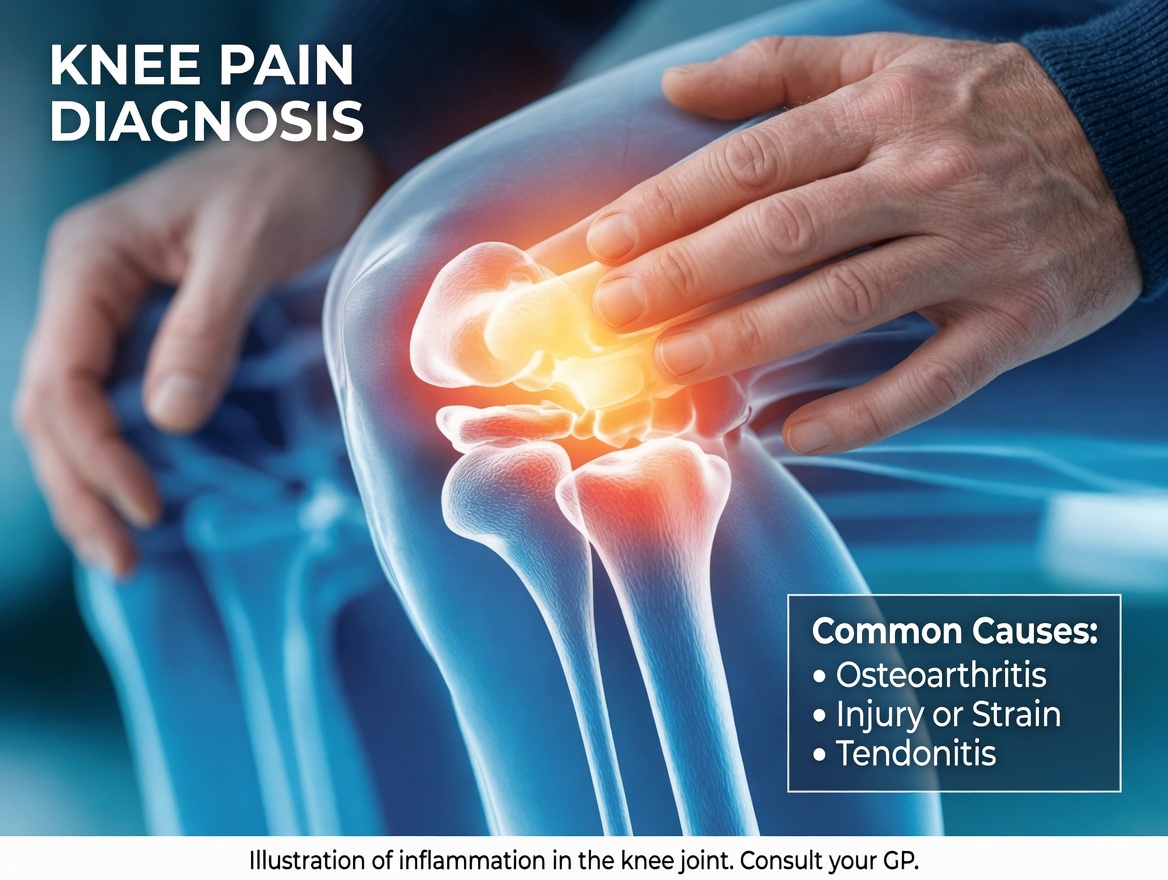
Examples that may require evaluation include ongoing headaches, abdominal discomfort, or bone pain. Early assessment helps determine whether the cause is minor—or something that needs prompt treatment.
10. Mouth Sores or White Patches That Don’t Heal
Oral symptoms are easy to overlook, but they can matter.
Watch for:
- Mouth sores lasting longer than two weeks
- White or red patches on the tongue, gums, or inner cheeks
- Persistent jaw pain
Dental professionals often help identify unusual oral changes early. Regular dental checkups can provide an important layer of protection.
A key point many people miss: early warning signs are often not dramatic. They’re small, persistent, and easy to explain away.
Actionable Steps You Can Start Today
Awareness is important—but consistent action is what creates protection. Use this simple, practical approach:
-
Track unusual symptoms
Write down:- When the symptom began
- How often it happens
- What improves or worsens it
Patterns become easier to recognize over time.
-
Do monthly self-checks
Set a recurring reminder to:- Examine your skin
- Check for new lumps
- Notice shifts in weight or appetite
Familiarity with your “normal” makes change easier to spot.
-
Stay up to date with preventive screenings
Follow age-appropriate screening recommendations from trusted health organizations. Screenings can detect concerns before symptoms appear. -
Support your health with daily habits
Research consistently links lifestyle to overall cancer risk. Focus on:- A balanced diet rich in fruits and vegetables
- Regular physical activity
- Avoiding tobacco
- Limiting alcohol
- Protecting skin from excessive sun exposure
-
Don’t delay professional advice
If a symptom feels unusual and persists, book an appointment. Getting reassurance is far better than waiting in uncertainty.
That overlooked habit mentioned earlier is simple but powerful: building a monthly self-awareness routine. It dramatically increases the chance you’ll notice subtle changes early—rather than realizing them months later.
Conclusion
Your body often whispers before it screams.