
Imagine meeting friends for coffee, feeling upbeat—until a sudden worry hits about an unfamiliar smell that makes you shrink back and feel self-conscious the whole time. For many, vaginal odor in older women can quietly undermine confidence during intimacy, workouts, or ordinary errands, raising the question: Is this just aging, or can it be improved?
One surprising truth: a common “freshness” routine that seems helpful can disrupt the vagina’s natural balance and make odor more noticeable—especially after midlife.

Why Vaginal Odor in Older Women Can Change With Age
During perimenopause and menopause, estrogen levels decline, and that naturally alters the vaginal environment. With less estrogen:
- The vagina often becomes less acidic
- Protective lactobacilli (beneficial bacteria) can decrease
- The balance of moisture and tissue resilience may shift
Studies suggest up to 55% of postmenopausal women notice a change in vaginal scent, sometimes gradually at first. These changes can lead to embarrassment, avoiding social plans, or feeling hesitant about intimacy.
The reassuring fact: the vagina is self-cleaning. Most of the time, comfort improves when you support that natural system—rather than trying to “scrub” or “sanitize” it.
Hydration, Hot Flashes, and Sweat: Small Details That Matter
Menopause can bring hot flashes and night sweats, increasing moisture in the genital area. When the body is dehydrated, sweat may become more concentrated, and odors can feel stronger—fueling concerns about vaginal odor in older women.
Hydration also supports mucosal tissue health and the body’s protective barriers. A simple habit—like consistently drinking water throughout the day—can help many women feel noticeably more comfortable.
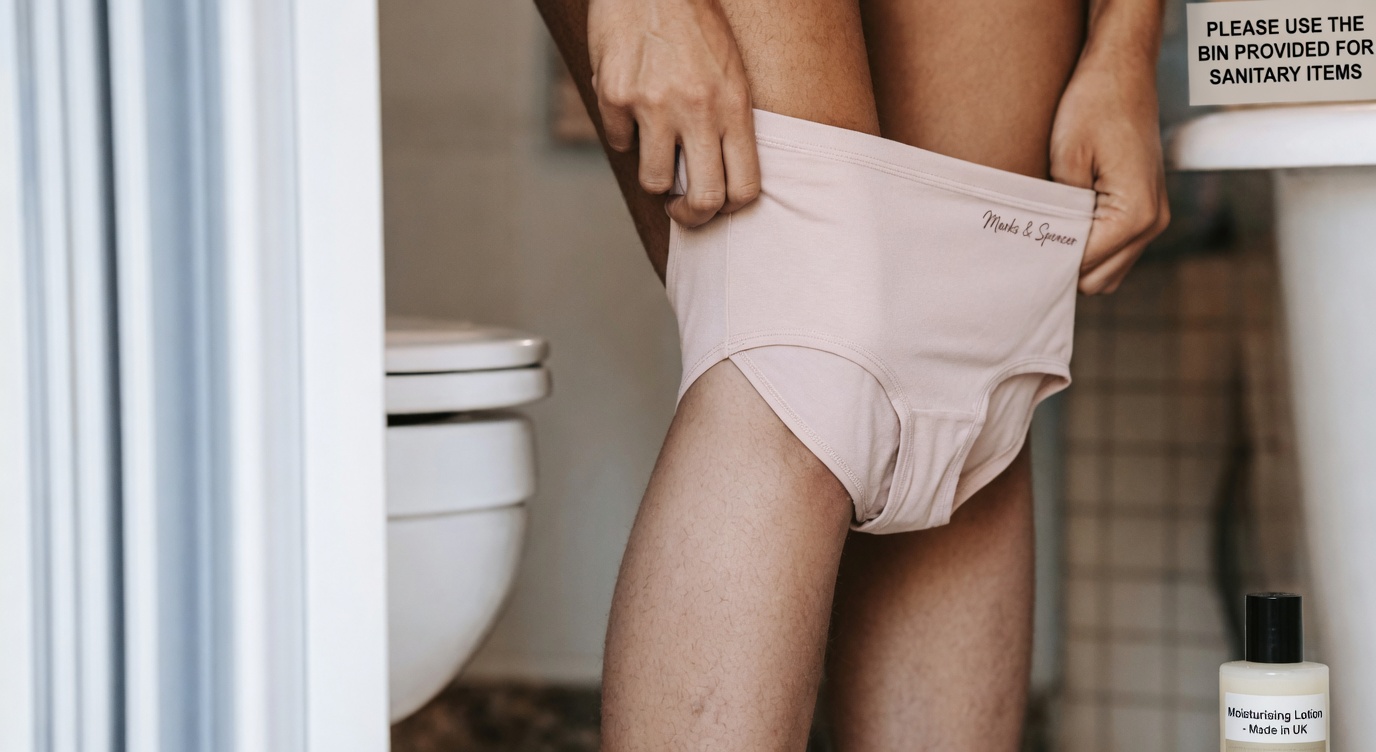
Clothing and Underwear: How Fabric Can Influence Odor
Tight or synthetic materials tend to trap heat and moisture, which creates an environment where bacteria can multiply more easily. That can intensify odor and leave you feeling damp or irritated.
A practical, low-effort switch:
- Choose breathable cotton underwear
- Opt for looser-fitting bottoms when possible
- Change out of sweaty clothes promptly
You can still wear what you like—just prioritize airflow where it counts.
The Problem With Scented Products “Down There”
Fragranced soaps, wipes, powders, and sprays may look like a quick solution for vaginal odor in older women, but they often do the opposite by:
- Disrupting natural pH
- Increasing irritation
- Encouraging imbalance and overgrowth of certain bacteria
That “clean” feeling tends to be short-lived, and it can lead to a frustrating cycle: more scent → more product use → more irritation → more scent.
Better approach: stick with gentle, unscented options and avoid adding fragrance to a sensitive area.

Overwashing: Why More Cleaning Can Backfire
When you’re worried about odor, it’s natural to wash more aggressively. But excessive scrubbing—especially around delicate tissue—can remove protective oils and trigger irritation.
What many gynecologists recommend instead:
- Clean externally only
- Use warm water (or a mild, unscented cleanser if needed)
- Pat dry gently rather than rubbing
For many women, the biggest relief comes from doing less, not more.
Hidden Contributors: Light Incontinence After Menopause
After menopause, pelvic floor changes can contribute to minor urine leakage, especially with laughing, exercise, or sneezing. Even small amounts can add an ammonia-like smell that blends with normal vaginal scent—making vaginal odor in older women feel more noticeable.
A helpful step is consistent pelvic floor training, which can improve control over time and restore confidence in daily life.
When Odor Changes Mean You Should Get Checked
Some odor patterns deserve professional evaluation, especially if they appear suddenly or come with other symptoms. For example:
- A strong fishy odor may suggest bacterial vaginosis
- A yeasty smell with itching or irritation may indicate a yeast infection
- Persistent odor plus unusual discharge, burning, or pain should not be ignored
Because menopause can raise vaginal pH and increase susceptibility to imbalances, it’s worth seeking care early—treatment is often straightforward.

The One Habit Gynecologists Strongly Warn Against: Douching
If there’s one practice experts consistently advise avoiding, it’s douching—rinsing inside the vagina with water or cleansing solutions.
Why it’s risky:
- It flushes out protective bacteria
- It can raise infection risk
- It disrupts the natural balance that helps prevent odor in the first place
Major medical organizations, including the American College of Obstetricians and Gynecologists (ACOG), discourage douching—particularly after menopause, when vaginal tissues may be more fragile.
Avoiding douching entirely is one of the most effective steps to reduce and prevent worsening vaginal odor in older women.
Quick Guide: Habits That Support vs. Disrupt Vaginal Balance
-
Helpful
- Gentle external washing with warm water
- Cotton underwear and breathable clothing
- Hydration and balanced nutrition
-
Harmful
- Fragranced soaps, sprays, or wipes on sensitive areas
- Over-scrubbing
- Douching (avoid completely)
Simple Daily Steps to Feel More Comfortable and Confident
- External hygiene only — Clean the outer area with warm water (or mild unscented cleanser). Pat dry.
- Wear breathable fabrics — Cotton underwear; change quickly after sweating.
- Hydrate consistently — Regular water intake supports mucosal health and overall comfort.
- Support pelvic strength — Try Kegels: squeeze as if stopping urine flow, hold 5 seconds, repeat 10 times daily.
- Track patterns — If odor persists or changes sharply, discuss it with a clinician.
Start with one change this week. Many women notice improvement faster than expected.
Final Thoughts: Regain Comfort With Gentle, Evidence-Based Care
Vaginal odor in older women is common, especially with hormonal changes in midlife. The goal isn’t to mask the issue with harsh products, but to protect the body’s natural balance. Choosing breathable clothing, staying hydrated, minimizing irritation, and avoiding douching can make a meaningful difference.
You deserve to feel comfortable in your body—every day.
Frequently Asked Questions
Is it normal to have a different vaginal scent after menopause?
Yes. A mild, natural scent can change with hormonal shifts. If it becomes strong, persistent, or unusual, get evaluated.
Can food affect vaginal odor in older women?
Yes. Foods like garlic or asparagus may influence scent temporarily. Long-term, hydration and balanced nutrition tend to support overall health.
When should I see a doctor about vaginal odor?
See a healthcare provider if the odor is strong or fishy, lasts despite gentle care, or comes with itching, burning, pain, or unusual discharge.
Medical Disclaimer
This article is for informational purposes only and does not replace professional medical advice. Always consult a qualified healthcare provider for personalized guidance about vaginal odor in older women or any related symptoms.