
Many older adults rely on familiar over-the-counter pain relievers such as ibuprofen and other NSAIDs (nonsteroidal anti-inflammatory drugs) to calm day-to-day discomfort from arthritis, back stiffness, or headaches. The relief can feel indispensable after decades of wear on joints and muscles. However, from a clinical perspective—especially in seniors with cardiovascular risk—these “routine” pills can quietly increase stress on an aging heart. Major medical organizations and respected health systems (including the American Heart Association and Mayo Clinic) have long emphasized that these risks are worth understanding.

The Top 5 Ways Common Pain Relievers Like Ibuprofen Can Stress Senior Hearts
NSAIDs can be effective at reducing inflammation and pain, but they also influence kidney function, fluid balance, and blood vessel tone—processes that often become more fragile with age. In seniors, these changes may accumulate gradually, making the heart work harder over time. Below are the most important concerns, moving from common to most serious.
5) Fluid Retention That Increases the Heart’s Workload
Ibuprofen and similar NSAIDs can cause the body to retain salt and water. This happens because NSAIDs can disrupt kidney signaling that normally helps regulate fluid balance. For seniors, even a small increase in retained fluid can mean the heart must pump extra volume—potentially worsening fatigue or shortness of breath in susceptible individuals.
Common clues include:
- Swelling that often begins in the ankles, feet, or lower legs
- Rings or shoes feeling tighter than usual
- Sudden weight gain over a short period
A key point: in older bodies, even intermittent or “as-needed” NSAID use may contribute to this effect.
4) Blood Pressure Increases That Strain Aging Arteries
NSAIDs can raise blood pressure in some seniors by affecting kidney function and narrowing blood vessels slightly. Even modest increases can matter when they occur day after day, because the heart must pump against higher resistance. Some people notice this as:
- Unusual tiredness
- Headaches
- Higher readings at home compared with prior baseline
Sources such as Harvard Health have discussed these “small but meaningful” blood pressure elevations—especially important for seniors with borderline or controlled hypertension.

3) Reduced Kidney Support and Interactions With Heart Medications
Kidneys and the heart operate as a team: kidneys regulate fluid and electrolytes, while the heart delivers blood flow. NSAIDs can temporarily reduce blood flow to the kidneys, which may be more problematic in older adults.
This can also interfere with certain cardiac medications, particularly:
- Diuretics (water pills), which may become less effective
- Some blood pressure regimens, where kidney shifts can alter stability
Possible warning signs include:
- Lower-than-usual urine output
- Persistent fatigue
- Lab changes discovered during routine checkups
Helpful habits (like hydration) may support kidney health, but they do not eliminate NSAID-related risk—especially when NSAIDs are combined with other prescriptions.

2) Possible Association With Irregular Heart Rhythms
Some research has found associations between NSAID use and heart rhythm disturbances, including atrial fibrillation (AFib) in certain populations. Symptoms can include:
- A fluttering sensation in the chest
- A racing or irregular heartbeat
- Lightheadedness or reduced exercise tolerance
While the exact mechanisms may involve blood pressure shifts and inflammatory pathways, the practical takeaway is that frequent NSAID use may add unpredictability for seniors already vulnerable to rhythm problems.

1) Higher Risk of Worsening (or Triggering) Heart Failure
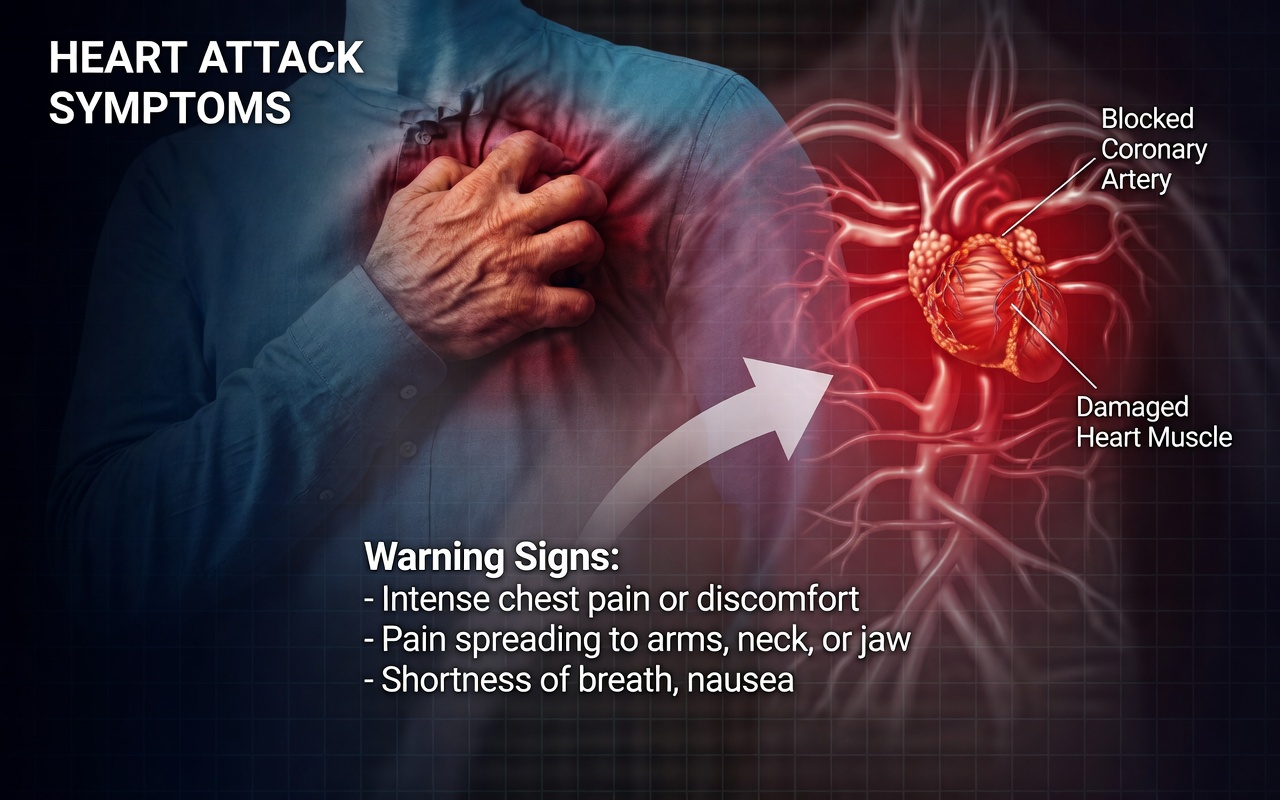
The most serious concern is the potential for NSAIDs to worsen heart failure (when the heart cannot pump efficiently) or to tip a vulnerable person into decompensation. The combined effects—fluid retention, higher blood pressure, kidney strain, and medication interference—can converge into a single outcome: the heart struggles to keep up.
Seek medical attention promptly if you notice:
- New or worsening shortness of breath
- Rapid weight gain over a few days
- Increased swelling in legs/feet
- Unusual weakness or reduced stamina
Medical guidelines emphasize caution for seniors, especially those with existing cardiovascular disease or prior heart failure.
Quick Summary of Key Risks
- Fluid retention → swelling, weight gain → increased cardiac workload
- Blood pressure elevation → higher resistance → long-term strain
- Kidney interference + medication interactions → reduced stability, higher complication risk
- Potential rhythm effects → palpitations/irregular beats → added cardiac risk
- Heart failure worsening → shortness of breath, fatigue, fluid overload → hospitalization risk
These issues often overlap, creating a chain reaction—one that can be interrupted with informed choices and monitoring.
Safer Pain-Relief Strategies That Are More Heart-Friendly for Seniors
Pain is not something you have to “just live with,” and many seniors find meaningful relief with approaches that are generally gentler on the heart. Always discuss changes with your clinician, since your personal medical history and medications matter.
Consider these practical options:
- Ask about alternatives: For mild to moderate pain, acetaminophen (Tylenol) is often considered less risky for the heart than NSAIDs (when used as directed).
- Use topical treatments: Creams or gels applied to the skin may deliver relief with less systemic absorption than oral NSAIDs.
- Support joints with lifestyle tools: Gentle movement, physical therapy, stretching, and heat/ice can reduce pain triggers and improve function.
- Track patterns: Log pain intensity, what you took, and how you felt afterward to identify what truly helps.
- Monitor key signals: Check weight, swelling, and blood pressure regularly—especially if you have a cardiac history.
Many people notice improved energy and stability once they reduce NSAID exposure and adopt a broader pain-management plan.
Final Thoughts: Small Changes Can Protect the Heart Long-Term
Ibuprofen and other NSAIDs can provide real relief, but in seniors they may also introduce cardiovascular stress that is easy to overlook. The evidence consistently supports caution—particularly with frequent use or in anyone with hypertension, kidney disease, rhythm issues, or heart failure risk. By exploring safer alternatives and working closely with your healthcare provider, you can manage pain while supporting long-term heart health.
Frequently Asked Questions
Are all NSAIDs equally risky for senior hearts?
Risks vary somewhat by drug and dose, but major medical sources generally advise similar caution with commonly used NSAIDs such as ibuprofen and naproxen, especially in older adults.
Can seniors ever take ibuprofen?
Some seniors may be able to use low doses occasionally, but it’s best to confirm with a clinician who can weigh your individual risks, medications, and medical history.
What if I already have heart problems?
If you have existing heart disease or heart failure (or significant risk factors), you may be advised to avoid NSAIDs altogether. Your cardiologist or primary clinician can recommend safer options.
This article is for informational purposes only and does not replace professional medical advice. Please consult your healthcare provider for guidance tailored to your health needs.