Many adults deal with unpleasant digestive symptoms after eating—like a burning sensation rising into the chest or stubborn bloating that can ruin an otherwise relaxing evening. When these problems are linked to a hiatal hernia, they often become more than “just indigestion”: disrupted sleep, stress around meals, and a constant low-grade discomfort can start to shape everyday life.
Research also suggests hiatal hernia becomes more common with age, and many adults—especially over 60—experience hiatal hernia symptoms that are missed or dismissed. If your favorite foods now come with regret, learning the signs is a practical first step. Below are 10 key signs of hiatal hernia, followed by a simple tracking habit that can help you understand patterns and triggers more clearly.

Sign #1: Persistent Heartburn That Lingers After Meals
A steady burning behind the breastbone—especially after eating—is one of the most recognized signs of hiatal hernia. It may feel like heat moving upward toward the throat, making evenings uncomfortable and rest difficult. This can happen because part of the stomach shifts upward, weakening the normal barrier that helps keep acid in place.
Many people notice heartburn gets worse when they lie down. Strategies such as smaller portions and slightly elevating the head of the bed are commonly reported as helpful lifestyle adjustments for managing hiatal hernia heartburn.
Quick check: If you suspect a hiatal hernia, rate your heartburn from 1–10 and note how often it occurs each week.
Sign #2: Acid Reflux With a Sour or Bitter Taste
Waking up with a sour, acidic, or bitter taste can be a frustrating hiatal hernia symptom. It may also bring social anxiety—especially if reflux contributes to bad breath or throat irritation. A hiatal hernia can make it easier for stomach contents to flow back upward, particularly at night.
Some people reduce reflux by avoiding late-night snacks and leaving more time between dinner and bedtime.
Quick check: How many mornings per week do you notice that bitter taste?
Sign #3: Regurgitation (Food or Liquid Coming Back Up Easily)
Regurgitation is different from nausea or vomiting. With a hiatal hernia, food or liquid may rise back into the mouth effortlessly, sometimes during conversation or shortly after meals. This can make eating out stressful and may lead people to avoid social situations.
Practical habits that often help include eating slowly, taking smaller bites, and staying upright after meals.
Quick check: Rate how disruptive regurgitation is for you on a 1–10 scale.
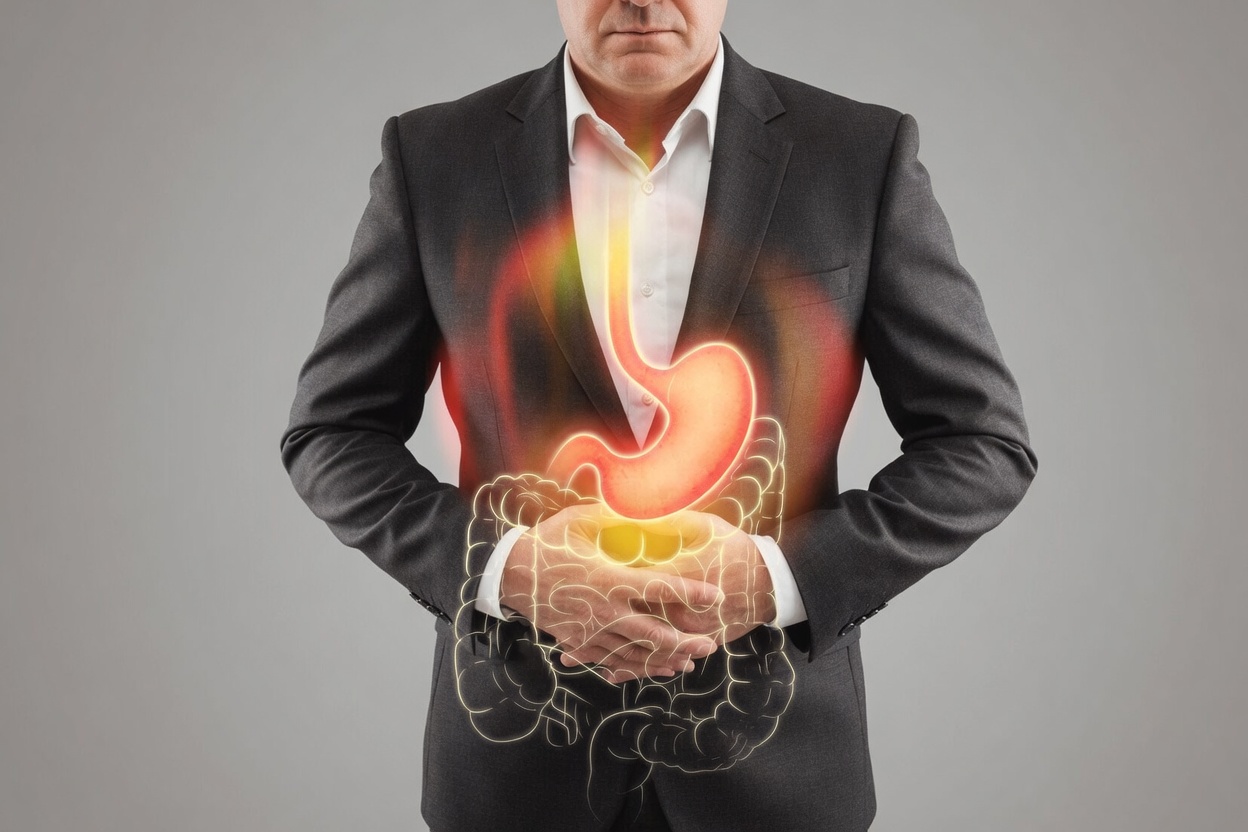
Sign #4: Difficulty Swallowing (Dysphagia) or a “Stuck” Sensation
Feeling as if food is stuck in the throat or chest can create real anxiety at mealtimes. In people with a hiatal hernia, swallowing discomfort may relate to pressure changes and irritation in the esophagus.
Helpful approaches can include:
- Choosing softer textures
- Chewing thoroughly
- Eating in a calm, unhurried setting
If swallowing problems are frequent or worsening, they deserve medical attention.
Sign #5: Chest or Upper Abdominal Pain That Can Feel Alarming
Hiatal hernia discomfort sometimes shows up as sharp, burning, or aching pain in the chest or upper abdomen. Because it may resemble other conditions, it can be frightening and increase stress—especially when symptoms appear suddenly.
A useful clue is timing: if the pain is closely linked to meals, reflux episodes, or lying down, it may fit a hiatal hernia pattern. Remaining upright after eating can be beneficial for some individuals, but chest pain should always be evaluated—especially if it is new, severe, or accompanied by other warning signs.
Sign #6: Feeling Full After Only a Few Bites (Early Satiety)
Early fullness can interfere with nutrition and reduce enjoyment of meals. With a hiatal hernia, the shift in anatomy and pressure can make you feel satisfied sooner than expected.
A common strategy is switching from large meals to more frequent, smaller meals throughout the day.
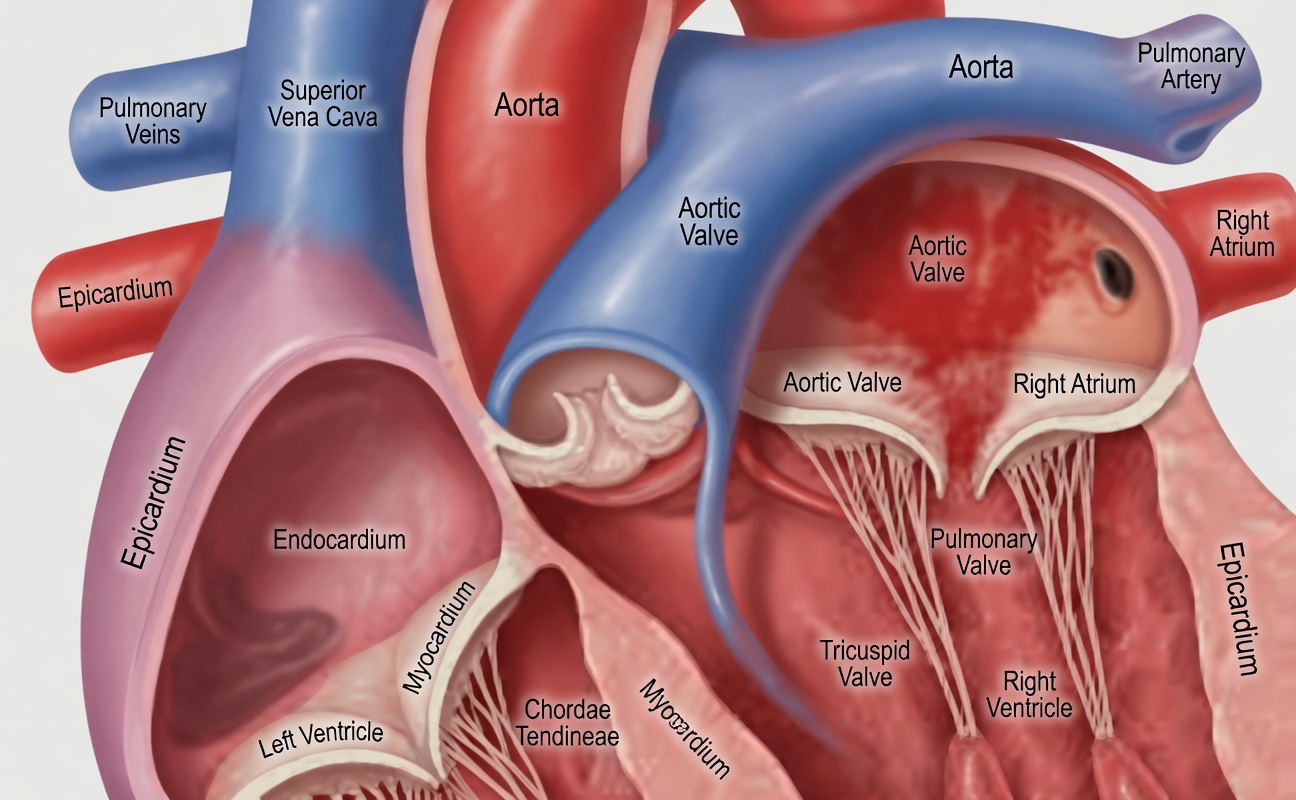
Sign #7: Bloating and Frequent Belching From Trapped Gas
Ongoing bloating and excessive belching can be uncomfortable and embarrassing. With a hiatal hernia, trapped air and pressure changes can intensify the sensation of fullness and gas.
One simple adjustment that often helps is reducing carbonated drinks, which can increase swallowed air and gas buildup.
Sign #8: Hoarseness or a Chronic Sore Throat (Often “Silent Reflux”)
If you regularly wake up hoarse, clear your throat often, or feel a persistent scratchy throat, reflux may be reaching higher tissues—sometimes without classic heartburn. Nighttime exposure can worsen throat and voice symptoms for people with a hiatal hernia.
A practical step many try is raising the head of the bed, which may reduce nighttime reflux and irritation.
Sign #9: Shortness of Breath (More Likely With Larger Hernias)
In some cases—particularly when a hiatal hernia is larger—people may notice shortness of breath, especially after eating or when lying down. Pressure in the upper abdomen and chest can make breathing feel restricted, limiting daily activities and creating concern.
Lighter meals, good posture, and professional evaluation are important if breathing symptoms occur.
Sign #10: Vomiting Blood or Black Stools (Urgent Warning Signs)
Seeing blood in vomit or noticing black, tarry stools can signal bleeding and requires immediate medical attention. Chronic irritation related to hiatal hernia and reflux can sometimes lead to complications that should not be ignored.
If these signs appear, seek urgent evaluation right away.
Common Hiatal Hernia Signs and Lifestyle Approaches (Quick Reference)
| Sign of Hiatal Hernia | Why It May Happen | Helpful Lifestyle Adjustment |
|---|---|---|
| Persistent heartburn | Weakened barrier allows acid to rise | Smaller meals, avoid triggers |
| Acid reflux / sour taste | Backflow is easier, especially at night | Elevate head of bed, avoid late eating |
| Regurgitation | Stomach contents return upward more easily | Eat slowly, stay upright after meals |
| Difficulty swallowing | Irritation/pressure in the esophagus | Softer foods, thorough chewing |
Daily Habits That May Support Symptom Management
- Morning: Choose lighter foods and remain upright after eating
- Meals: Aim for 5–6 smaller meals instead of 1–2 large meals
- Evening: Stop eating about 3 hours before bedtime
- General: Maintain a comfortable weight and avoid tight clothing around the midsection
Foods to Consider With Hiatal Hernia
- Often better tolerated: bananas, lean proteins, herbal teas
- Often worth limiting: spicy foods, caffeine, fried foods (these may worsen reflux for many people)

A Simple Tracking Habit That Clarifies Hiatal Hernia Symptoms
A surprisingly effective way to understand hiatal hernia symptoms is to track patterns for 7–14 days. Use a note app or notebook and record:
- What you ate and when
- Body position after meals (upright, reclining, lying down)
- Top symptoms and intensity (1–10): heartburn, reflux taste, regurgitation, bloating, throat irritation
- Sleep impact: nighttime waking, morning hoarseness, coughing, bitter taste
- Likely triggers: late meals, carbonated drinks, large portions, stress
This small routine often reveals the most important connections—especially how meal size, timing, and lying down influence reflux-related hiatal hernia signs.
Why These Symptoms Tend to Cluster
Most signs of hiatal hernia connect to the same underlying issue: part of the stomach moves upward through the diaphragm’s opening (the hiatus), which can reduce the natural resistance that normally prevents stomach acid and contents from flowing back into the esophagus. Understanding this shared mechanism makes it easier to recognize your patterns—and discuss them clearly with a healthcare professional if needed.