Why Your Stool Can Reveal More Than You Think
Most days, you’re busy managing work, family, and everything in between—so it’s easy to ignore what happens in the bathroom. But that brief look in the toilet before you flush can offer surprisingly useful clues about your gut health and overall wellbeing. When stool color, shape, or texture suddenly seems “wrong,” it can trigger understandable worry about digestion or deeper health issues.
The upside is simple: learning what to watch for is one of the easiest ways to stay proactive. Below are the most common concerning stool changes, what they may suggest, and practical ways to support healthier bowel habits.
1) Black or Tarry Stool: Possible Upper Digestive Tract Bleeding
Stool that appears black, sticky, and tar-like can be alarming—especially if you’re also experiencing fatigue, nausea, or persistent stomach discomfort. This appearance may happen when blood from higher in the digestive tract is broken down during digestion, turning stool very dark.
- What it can be linked to: irritation in the stomach lining, ulcers, or other upper GI sources.
- Important note: if it continues and isn’t clearly explained by iron supplements or iron-rich foods, it’s worth taking seriously.
Supportive habits while monitoring:
- Eat smaller, more frequent meals.
- Limit spicy foods or other known triggers that worsen symptoms.
2) Bright Red Stool: Fresh Blood From the Lower Digestive Tract
Seeing bright red streaks or spots can cause immediate concern. Often, the blood is “fresh,” suggesting it comes from lower in the digestive system. Common causes include hemorrhoids or small tears (fissures), especially if stool is hard or you strain.
- Why it matters: while many cases are minor, repeated episodes can reduce daily comfort and confidence.
- What helps: improving stool softness and reducing strain.
Simple ways to reduce irritation:
- Drink more water throughout the day.
- Add fiber-rich foods such as oats, apples, beans, and vegetables.
3) Pale or Clay-Colored Stool: A Sign Bile Flow May Be Reduced
Stool that looks pale, gray, or clay-colored may raise questions about liver or gallbladder function—particularly if you also feel heavy or sluggish after meals. Stool is normally brown because of bile, produced by the liver and delivered to the intestines.
- What it can suggest: temporary changes in bile flow, sometimes influenced by diet or mild digestive shifts.
Dietary support that may help:
- Include bitter greens such as kale, arugula, or dandelion greens, which may support healthy digestion and bile activity.
4) Greasy, Floating Stool: Possible Fat Malabsorption
If stool floats, looks oily, or leaves a film in the bowl, it may indicate your body isn’t breaking down fat efficiently. This can feel especially frustrating when it comes with bloating or discomfort.
- What it can be linked to: short-term enzyme issues, dietary overload, or malabsorption patterns that may affect energy levels.
Gentle steps to support digestion:
- Introduce fats more gradually instead of large, heavy meals.
- Chew thoroughly and slow down while eating.
5) Pencil-Thin Stool: Narrow Shapes Worth Tracking
Stool that repeatedly looks very thin or ribbon-like can be unsettling. Occasionally, this happens due to dehydration or low fiber. However, if it becomes consistent, it’s smart to monitor it closely.
- Why it’s watched: ongoing narrowing can reflect pressure or changes in the lower bowel that deserve professional evaluation.
Helpful daily habits:
- Increase whole grains, legumes, and vegetables for better stool bulk.
- Take a short walk after meals to support natural bowel movement.
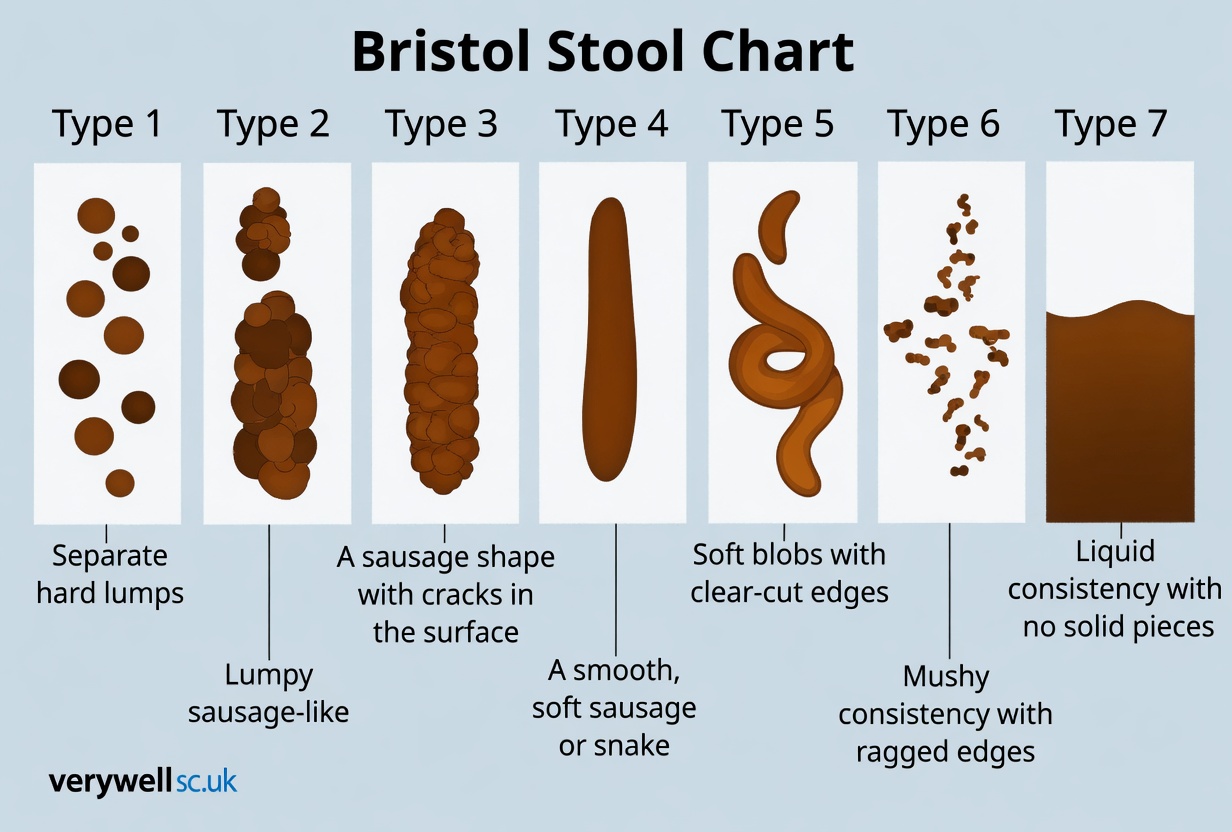
6) Noticeable Mucus in Stool: A Sign of Irritation or Sensitivity
A small amount of mucus is normal—it helps lubricate the intestines. But if you see more mucus than usual (clear or white, sometimes jelly-like), especially with cramps or bloating, it can indicate intestinal irritation.
- Common associations: food sensitivities, mild infections, or gut inflammation.
Supportive food choice:
- Probiotic foods (like yogurt with live cultures) may help restore balance over time.
7) Unusually Strong, Foul Odor: When the Smell Changes Dramatically
Stool will always have an odor, but an intensely foul, lingering smell beyond your norm may signal that food is fermenting or that gut bacteria are out of balance.
- Possible contributors: intolerances, changes in gut microbiome, or food moving too quickly through the intestines.
What may improve gut balance:
- Reduce processed sugars.
- Add fermented foods such as sauerkraut or kefir (as tolerated).
8) Watery Diarrhea: Loose Stools That Can Dehydrate You
Frequent watery stools can quickly disrupt your day—especially when you’re away from home. Short episodes are often related to food or mild infections, but prolonged diarrhea increases the risk of dehydration, weakness, and fatigue.
What to prioritize:
- Replace fluids and electrolytes consistently.
- Choose gentle foods until stools normalize.
Practical options:
- Sip coconut water or broth alongside bland meals.
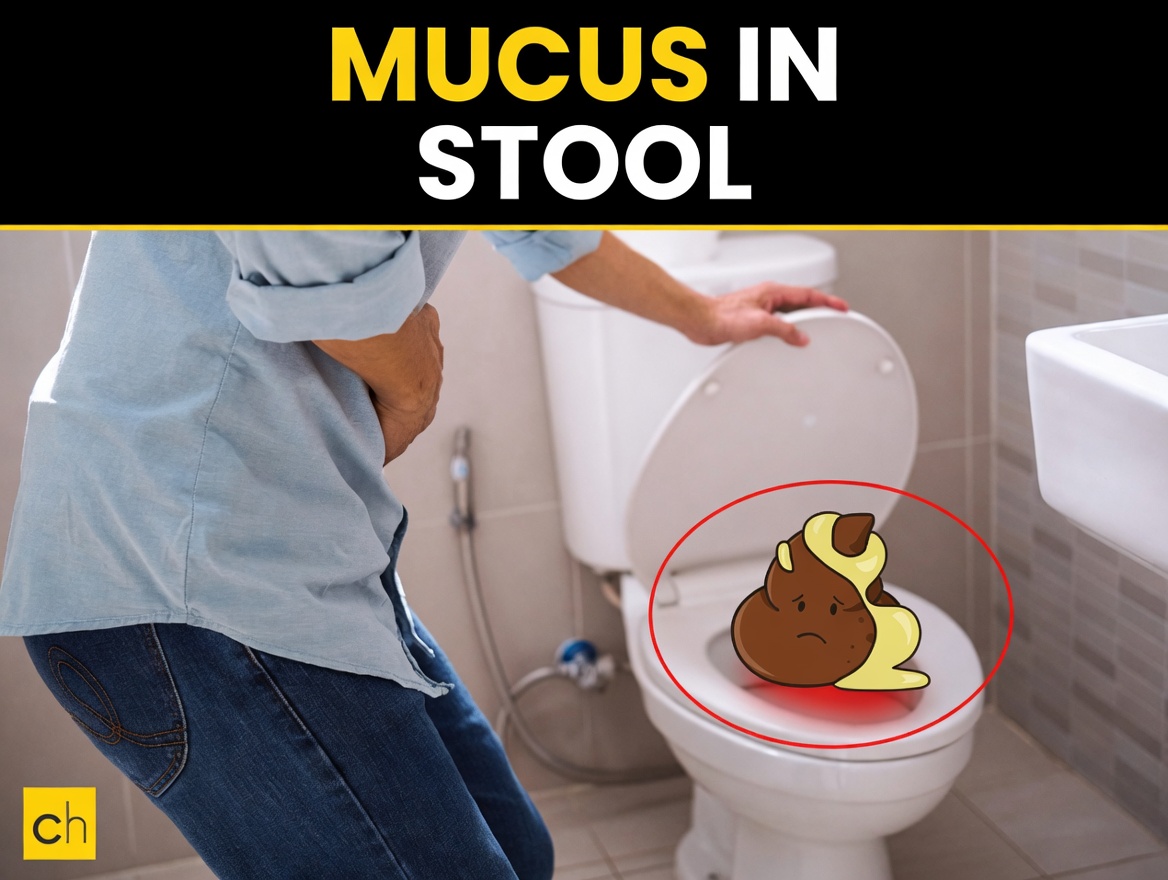
9) Hard, Pebble-Like Stool: A Classic Constipation Pattern
Small, dry pellets that are difficult to pass are strongly associated with constipation. This often results from not enough water, insufficient fiber, or ignoring the urge to go.
- Bristol Stool Chart reference: this commonly aligns with Type 1 (separate hard lumps).
What often works well:
- Drink enough water daily (many people benefit from roughly 8 cups, adjusted to body size and activity).
- Add natural supports like prunes, chia, or flaxseed.
10) Green Stool: Diet or Faster-Than-Normal Transit
Green stool may appear after eating lots of leafy vegetables or foods with coloring. If it persists, it can also happen when stool moves through the gut too quickly for bile to fully break down.
- Common triggers: sudden diet changes, mild infections, or increased gut speed.
How to slow transit gently:
- Add soluble fiber (such as psyllium or oats) to help normalize consistency and timing.
11) Sudden, Ongoing Changes in Bowel Habits: Patterns That Shouldn’t Be Ignored
When your bowel routine shifts noticeably—more frequent, less frequent, or different in form—and it lasts more than a few days, it can be a sign to get checked. Persistent changes are often more meaningful than a one-time odd stool.
A simple strategy that helps:
- Track frequency, stool appearance, diet changes, and stress in a short daily log.
- Build consistency with morning hydration and light movement.
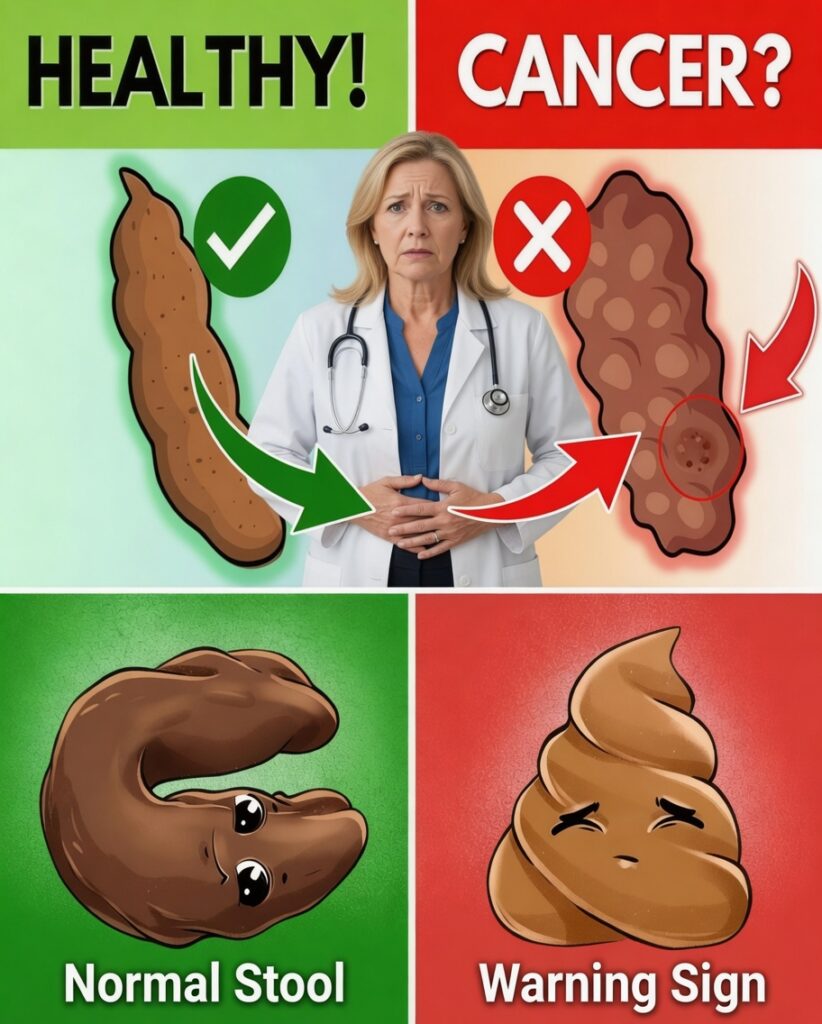
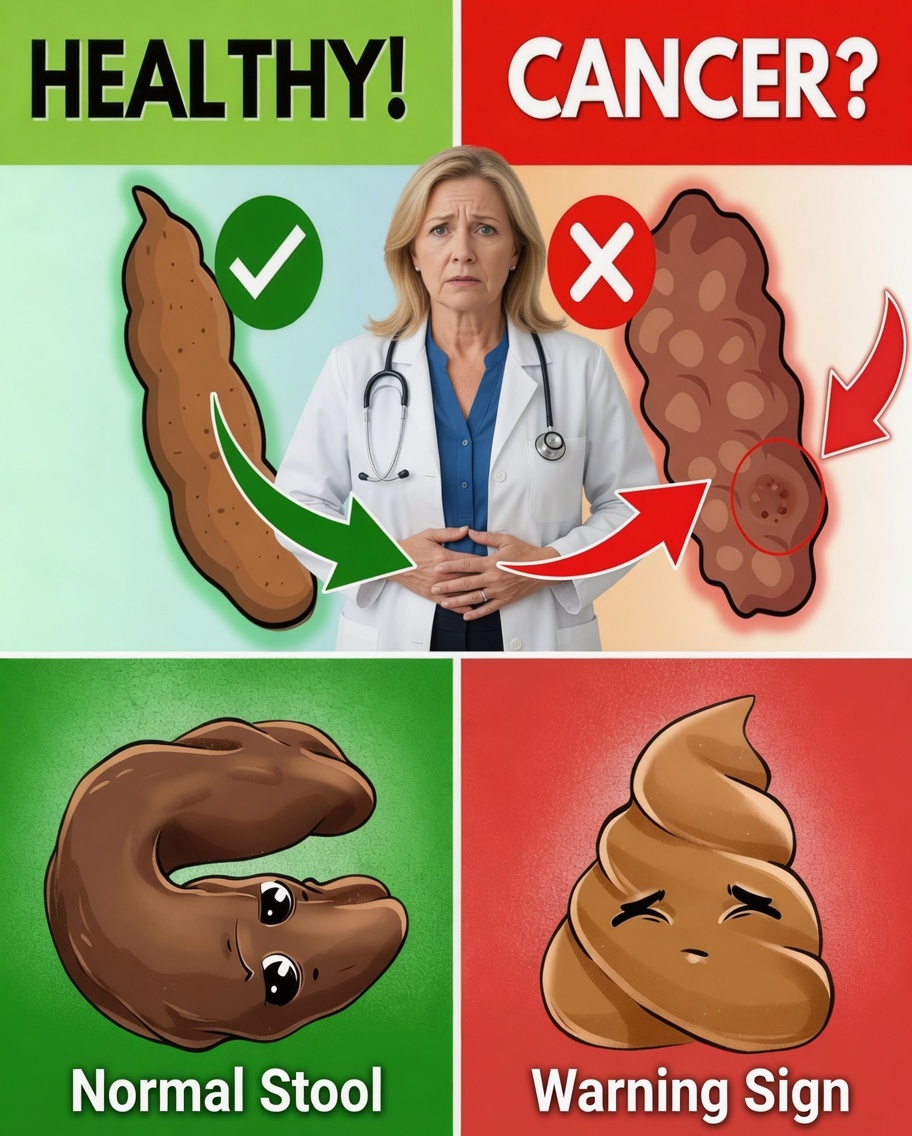
Quick Comparison: Healthy vs. Concerning Stool Traits
-
Color
- Healthy: medium to dark brown
- Watch: black, pale/clay, bright red, persistent green
-
Shape
- Healthy: soft, sausage- or snake-like
- Watch: pencil-thin, hard pellets
-
Texture
- Healthy: smooth, easy to pass
- Watch: greasy/oily, watery, heavy mucus
-
Frequency
- Healthy: typically 1–3 times daily or every other day
- Watch: sudden increases/decreases that persist
Actionable Tips to Support Better Stool Health
You can start improving stool consistency and digestive comfort today with a few steady habits:
- Hydrate intentionally: a common guideline is about half your body weight in ounces of water daily (adjust for heat, exercise, and medical advice).
- Increase fiber gradually: aim for roughly 25–30 grams/day from beans, berries, broccoli, oats, and whole grains.
- Move daily: light activity—especially walking after meals—can support more regular bowel movements.