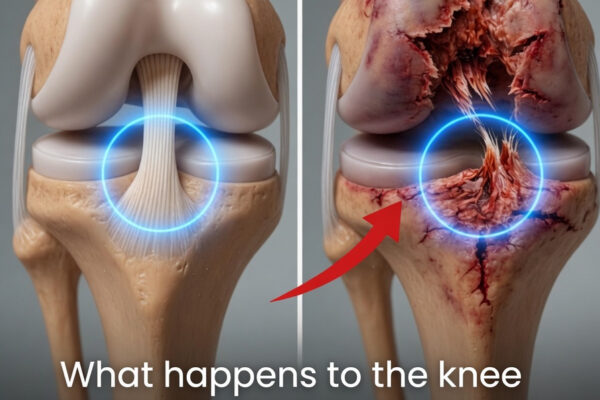
Living with high uric acid can be exhausting: sudden joint pain, anxiety about the next flare-up, and the feeling that every meal needs a second thought. The encouraging part is that you don’t always need extreme changes to support better balance. Evidence suggests that certain everyday foods—added consistently and in a practical way—may help the body maintain healthier uric acid levels and lower the chances of painful episodes.
In this guide, you’ll find 11 research-supported foods and habits that fit easily into real life. Stay to the end for a simple daily routine that shows how to combine them.

Why Diet Matters for Uric Acid Control
Uric acid is produced when the body breaks down purines—natural compounds found in your cells and in many foods. When uric acid builds up, it can form crystals that settle in joints, triggering inflammation and discomfort.
While factors like genetics, body weight, kidney function, and hydration all matter, diet is one of the most controllable levers. Studies suggest that choosing foods that are:
- Lower in purines
- Higher in fiber
- Rich in vitamin C
- Packed with antioxidants and anti-inflammatory compounds
may support the kidneys’ ability to eliminate uric acid more effectively. The best part: many of these options are common, affordable, and already part of many kitchens.
11 Evidence-Supported Foods That May Help Lower Uric Acid Naturally
Below are standout choices that research frequently links to better uric acid balance and fewer flare-ups. Each contributes in a slightly different way—improving excretion, reducing inflammation, or supporting overall metabolic health.
1. Cherries (Especially Tart Cherries)
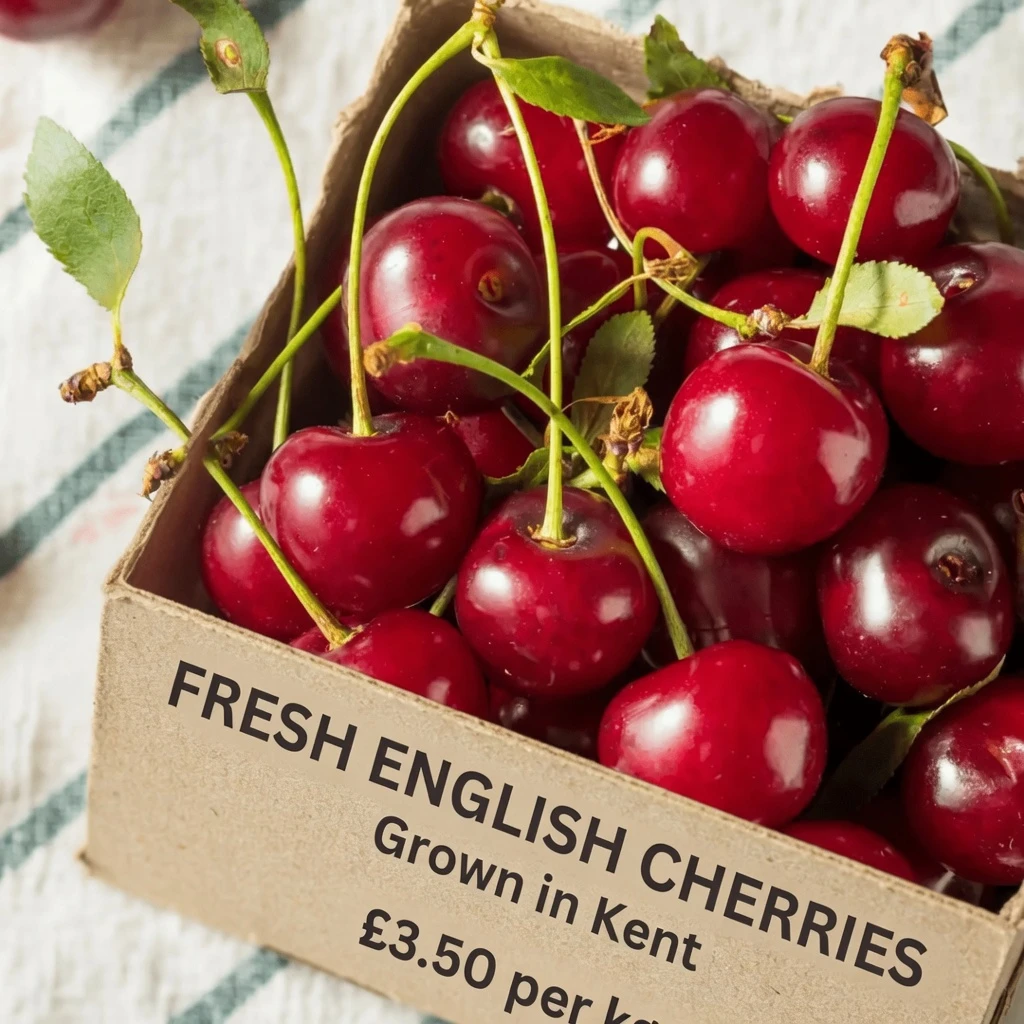
Cherries are one of the most consistently studied foods for gout and uric acid support. Their anthocyanins provide antioxidant and anti-inflammatory effects, and multiple studies associate cherry intake (fresh, juice, or extract) with a reduced risk of flares.
- Practical target: 10–12 cherries per day (or an equivalent serving)
- Tart cherries often show stronger benefits in research
2. Coffee (Plain or Black)
Coffee is surprisingly well-supported in large reviews. Compounds such as chlorogenic acid may promote uric acid excretion and improve insulin sensitivity—both relevant for uric acid management. Meta-analyses commonly associate habitual coffee intake with lower gout risk.
- Best choice: unsweetened black coffee
- Many studies show benefit around 1–3 cups daily, with variation by individual and population
3. Low-Fat or Non-Fat Dairy (Milk, Yogurt)
Low-fat dairy products repeatedly appear as protective in dietary patterns linked to healthier uric acid levels. Proteins like casein may support uric acid excretion, and higher intake of skim milk or low-fat yogurt is often associated with fewer gout episodes.
- Easy option: 1 serving daily (milk in a smoothie, plain yogurt with fruit)
4. Vitamin C–Rich Fruits (Oranges, Lemons, Kiwi, Strawberries, Guava)
Vitamin C may support kidney handling of uric acid and help maintain healthier levels over time. Choosing vitamin C through whole foods also adds fiber and hydration, which are both helpful for metabolic balance.
- Aim for: 1–2 servings per day
- Good picks: citrus fruits and berries for an easy routine
5. Apples
Apples provide fiber and contain malic acid, which is often discussed as supportive for balancing acidity. More importantly, apples can help with satiety and weight management, which strongly influences uric acid levels and flare frequency.
- Simple habit: 1 apple as a daily snack or sliced into salads
6. Leafy Greens and Low-Purine Vegetables (Broccoli, Cucumber, Celery)
Most non-starchy vegetables are naturally low in purines and high in water, potassium, and fiber—supporting hydration, digestion, and kidney function. Vegetables like broccoli also deliver beneficial compounds without increasing gout risk.
- Plate strategy: fill half your plate with vegetables at main meals
7. Whole Grains (Oats, Brown Rice)
Whole grains offer soluble fiber, which supports metabolic health and may help the body process and eliminate waste products more efficiently. Diet patterns higher in whole grains are often associated with healthier weight and reduced gout risk.
- Easy swaps:
- Choose oatmeal instead of sugary breakfast foods
- Use brown rice instead of refined grains when possible
8. Nuts and Seeds (Almonds, Walnuts, Chia Seeds)
Nuts and seeds provide plant-based protein with low purine content, plus healthy fats that support heart and metabolic health. Chia seeds also contribute omega-3s, which may help with inflammation.
- Practical amount: a small handful daily or 1–2 tablespoons of chia in yogurt/oats
9. Olive Oil (Extra Virgin Preferred)
Extra virgin olive oil contains compounds such as oleocanthal, known for anti-inflammatory activity. Using olive oil as your main fat can also help replace less favorable fats in the diet.
- Use it for:
- Salad dressings
- Roasting vegetables
- Marinades and finishing drizzle
10. Water (Hydration Is Non-Negotiable)
Hydration is one of the simplest and most effective tools to support uric acid elimination. Adequate fluid intake helps the kidneys flush uric acid more efficiently, and many prevention-focused recommendations emphasize this habit.
- Common target range: 2–3 liters per day (adjust for body size, climate, and medical advice)
- Tip: sip steadily, not just in large bursts
11. Legumes (Soybeans, Lentils, Tofu)
Legumes and soy foods offer a practical way to reduce reliance on higher-purine meats while still meeting protein needs. Research generally shows soy and legumes do not increase gout risk and can fit well into a uric-acid-conscious eating pattern.
- Try them:
- In soups and stews
- Mixed into salads
- In stir-fries (tofu works especially well)
Quick Guide: Foods to Choose More Often vs. Foods to Limit
A helpful approach is to focus on what you can add rather than obsess over restriction.
Emphasize More Often
- Cherries
- Coffee (plain/black)
- Low-fat dairy
- Vitamin C–rich fruits
- Apples
- Leafy greens and low-purine vegetables
- Whole grains
- Nuts and seeds
- Olive oil
- Water
- Legumes and tofu
Limit or Avoid (Common Triggers)
- Red meat and organ meats
- High-purine seafood (including many shellfish)
- Sugary drinks sweetened with fructose
- Alcohol—especially beer
A Simple Daily Routine You Can Start Today
Use this structure as a flexible template—consistency is more important than perfect execution.
-
Morning
- Oatmeal topped with strawberries (or other vitamin C fruit)
- A large glass of water
- Black coffee if you tolerate it well
-
Midday snack
- An apple or a small handful of almonds/walnuts
-
Lunch/Dinner
- Build the plate around vegetables + legumes (lentils/tofu)
- Dress with extra virgin olive oil
- Add plain low-fat yogurt on the side or as dessert
-
Evening
- Water or unsweetened herbal tea
- Cherries as a simple dessert option
-
Hydration tracking
- Aim for 8–10 glasses/day (or your personalized target)
- Set reminders if you tend to forget
Pairing these habits with regular movement and a healthy weight plan can amplify results over time.
Frequently Asked Questions
Can these foods replace medication?
No. These choices may support uric acid management, but they are not a substitute for medical treatment. Follow your clinician’s plan, especially if you have gout or chronic high uric acid.
How soon could I notice a difference?
Timelines vary, but many people report better comfort and fewer issues within a few weeks of consistent habits. The most reliable way to track progress is through medical follow-up and lab monitoring.
Are these suggestions safe if I also have diabetes or other conditions?
Many recommendations align well with balanced eating patterns, but portion sizes (especially fruit and coffee) may need adjustment. Consult a healthcare professional for personalization.
What if I dislike some items on the list?
Substitute strategically:
- Don’t like cherries? Choose berries more often (research is strongest for cherries, but berries still offer antioxidants).
- Don’t drink coffee? Focus on the other pillars—hydration, low-fat dairy, vegetables, and whole grains.
Final Thoughts
Improving uric acid balance doesn’t have to mean rigid dieting. By leaning into these 11 accessible foods, drinking enough water, and reducing common triggers, you give your body consistent support for long-term stability. Start small—add one or two changes this week, then build momentum.
Always speak with a healthcare provider before making major dietary changes, especially if you have gout or related conditions. This article is for educational purposes and does not replace professional medical advice.