
Many men in their 40s and beyond begin to notice small shifts in how they urinate—and often chalk them up to “just aging.” Maybe you start waking once or twice at night to use the bathroom, and over time it becomes more frequent, more annoying, and more disruptive to sleep and daily wellbeing. In many cases, these changes are linked to an enlarged prostate. However, similar urinary symptoms can also appear with early prostate cancer, which often develops quietly and without pain at first.
The reassuring part: noticing these patterns early—and bringing them up with a healthcare professional—can help you rule out serious problems or catch issues sooner, when evaluation and management are typically simpler.

What many men miss is that these symptoms overlap heavily with common, non-cancerous conditions. That overlap is exactly why ignoring changes can be risky: you may delay simple checks that provide clarity and peace of mind. Below are the 7 key urinary warning signs to watch for, why they happen, and what you can do right now.
Why Prostate-Related Urinary Changes Increase After 40–50
The prostate is a small gland involved in semen production. As men age, it commonly grows. This non-cancerous enlargement is called benign prostatic hyperplasia (BPH). When the prostate enlarges, it can press against the urethra (the tube that carries urine out of the body), making urination more difficult or more frequent. Major health organizations, including the American Cancer Society, note that these changes often start appearing in the 40s and 50s.
Early prostate cancer can remain silent for a long time because it often develops in areas of the gland that don’t affect urine flow right away. When urinary symptoms do occur, they can look very similar to BPH. Importantly, urinary symptoms alone do not confirm cancer, but they are a valid reason to get evaluated—especially because screening and early detection can improve outcomes when a problem is found.
The 7 Urinary Signs Men Over 40 Should Not Ignore
If one or more of the following symptoms are new, worsening, or starting to interfere with your routine, write them down and bring them to your next appointment.
1) Frequent Nighttime Urination (Nocturia)
If you’re waking up more than twice per night to urinate, it can be one of the earliest—and most exhausting—changes. Interrupted sleep often leads to daytime fatigue and reduced quality of life. This can happen when prostate enlargement affects bladder function and reduces how much urine the bladder can comfortably hold overnight.
2) Trouble Starting Urination (Hesitancy)
You feel the urge to go, but the stream won’t begin right away. You may need to wait, concentrate, or strain. This “delay” can feel frustrating and may signal obstruction or changes in how the bladder and urethra work together.
3) Weak or Stop-and-Start Urine Stream
A stream that has become noticeably weaker, breaks up, stops and starts, or ends with dribbling is a classic complaint. Many men describe it as a clear change compared with how urination used to feel years earlier.

4) Feeling Like You Didn’t Fully Empty Your Bladder
Even right after urinating, you may still sense there’s urine left. This feeling of incomplete emptying can lead to more frequent bathroom trips and ongoing discomfort.
5) Sudden, Strong Urgency to Urinate
You may experience an intense need to urinate that comes on quickly and feels difficult to hold back until you reach a restroom. Sometimes urgency is accompanied by minor leakage, which can add stress and inconvenience.
6) Burning or Pain During Urination (Dysuria)
A stinging, burning, or “hot” sensation while urinating can be alarming. It’s often associated with infections, but it can also appear alongside prostate-related issues and other urinary tract irritation.
7) Blood in the Urine (Hematuria)
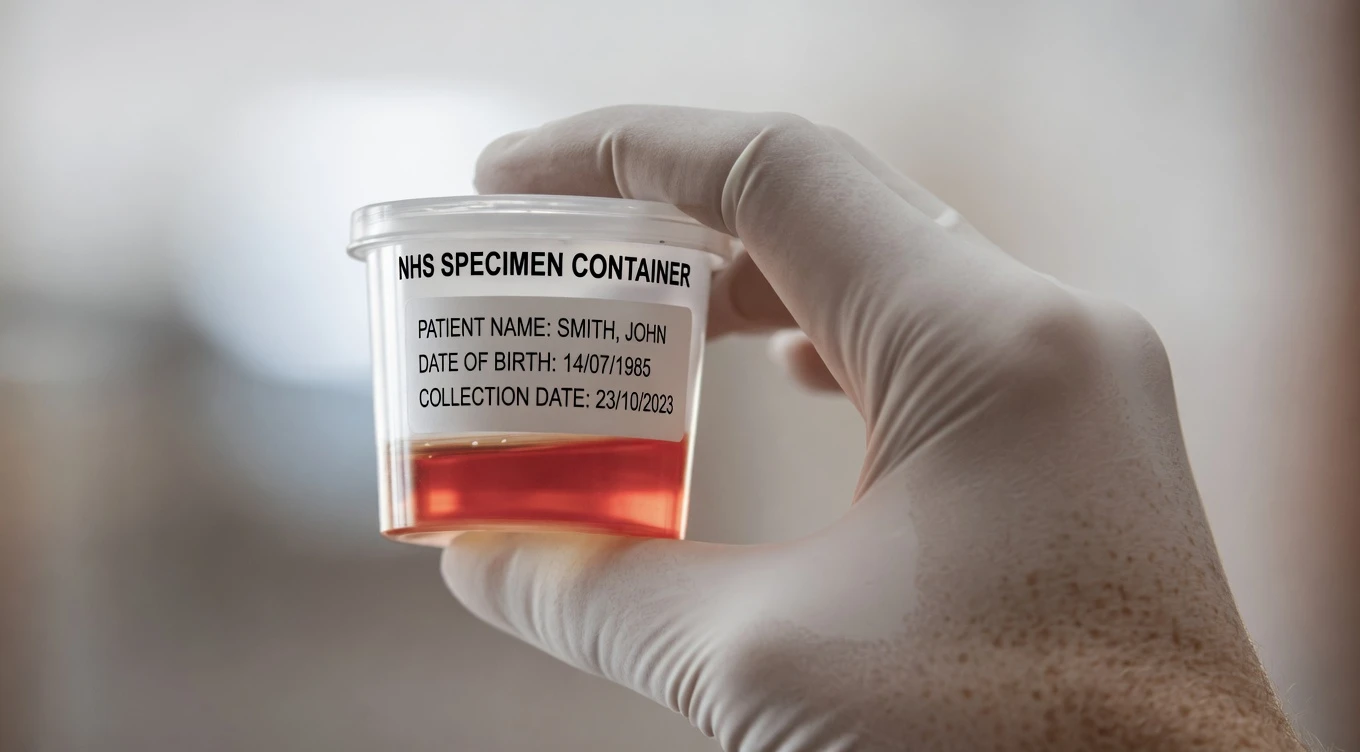
Urine that looks pink, red, or cola-colored should always be treated seriously. Even if it appears only occasionally—or in small amounts—it requires prompt medical attention, as it may indicate inflammation, irritation, or other urinary tract problems.
These signs do not automatically mean cancer. In fact, many cases are benign. The priority is knowing when symptoms justify evaluation rather than waiting for them to escalate.
BPH vs. Possible Prostate Cancer: A Simple Comparison
Based on information commonly summarized by sources such as Mayo Clinic and WebMD, here’s how symptoms often overlap:
Symptoms Commonly Seen With BPH and Early Prostate Changes
- Frequent urination, especially at night
- Weak, interrupted, or dribbling stream
- Hesitancy (difficulty starting)
- Feeling of incomplete bladder emptying
- Urinary urgency
Symptoms That May Suggest Something Beyond Typical BPH (Not Exclusive, But More Concerning)
- Blood in urine or semen
- Burning or pain with urination
- Persistent pelvic, hip, or back discomfort (more typical of advanced disease)
Only a qualified clinician can sort out the cause through appropriate history, exam, and testing.
Practical Steps You Can Take Today
You don’t need to wait until symptoms become severe. A few simple actions can create clarity quickly.
-
Track symptoms for 7 days:
Note nighttime bathroom trips, stream strength, urgency episodes, and any pain or blood. A phone note works fine. -
Book a routine check-up (especially after 40–50):
Be direct about what has changed and how long it’s been happening. -
Ask whether a PSA blood test makes sense for you:
The PSA (prostate-specific antigen) test is commonly used as part of prostate health evaluation. The American Cancer Society generally advises men at average risk to discuss screening around age 50, and earlier for higher-risk groups (such as strong family history or African American ancestry). Many guidelines emphasize shared decision-making—balancing benefits, risks, and personal preferences. -
Support prostate and urinary health with habits that help:
- Stay physically active
- Eat a balanced diet rich in fruits and vegetables
- Limit evening caffeine and alcohol
- Hydrate sensibly, but reduce large fluid intake close to bedtime
-
Avoid self-diagnosing based on online tools:
Symptom checkers can either over-alarm or falsely reassure. A professional assessment is the most reliable path.
Final Takeaway: Pay Attention Early, Not Fearfully
Urinary changes after 40 are extremely common, but they’re not something to dismiss indefinitely. By recognizing these 7 signs—nocturia, hesitancy, weak stream, incomplete emptying, urgency, burning, and blood in urine—you give yourself the best chance to get answers early. Awareness isn’t panic; it’s proactive health.
Frequently Asked Questions (FAQ)
At what age should men start thinking about prostate checks?
Many guidelines recommend discussing prostate screening options (including PSA testing) around age 50 for average-risk men, or 40–45 for those at higher risk (such as a strong family history).
Do these urinary symptoms always mean prostate cancer?
No. Most urinary symptoms are caused by BPH or other treatable conditions. Still, because symptoms can overlap, they are a good reason to get evaluated.
Is a PSA test enough by itself?
Not usually. PSA is often a useful starting point, but clinicians typically interpret it alongside medical history, a physical exam, and other tests when appropriate.
Disclaimer
This article is for informational purposes only and is not a substitute for professional medical advice. Always consult a qualified healthcare provider for diagnosis and personalized guidance. Decisions about PSA testing and other screening strategies should be made individually after discussing potential benefits and risks.