
Subtle Body Changes That Could Point to Pancreatic Cancer
It’s easy to dismiss ongoing stomach discomfort, unexplained fatigue, or mild digestive trouble as “just stress” or a temporary diet issue. However, when vague symptoms don’t go away, they can sometimes be early warning signs of pancreatic cancer. Living with persistent, unclear discomfort can be stressful—especially when you don’t know what’s causing it.
Knowing the possible symptoms of pancreatic cancer helps you speak with a healthcare professional sooner, ask better questions, and reduce uncertainty. Below are 12 important signs of pancreatic cancer to be aware of—some are subtle, and one of the most commonly overlooked may surprise you.

Why Pancreatic Cancer Is Often Hard to Detect Early
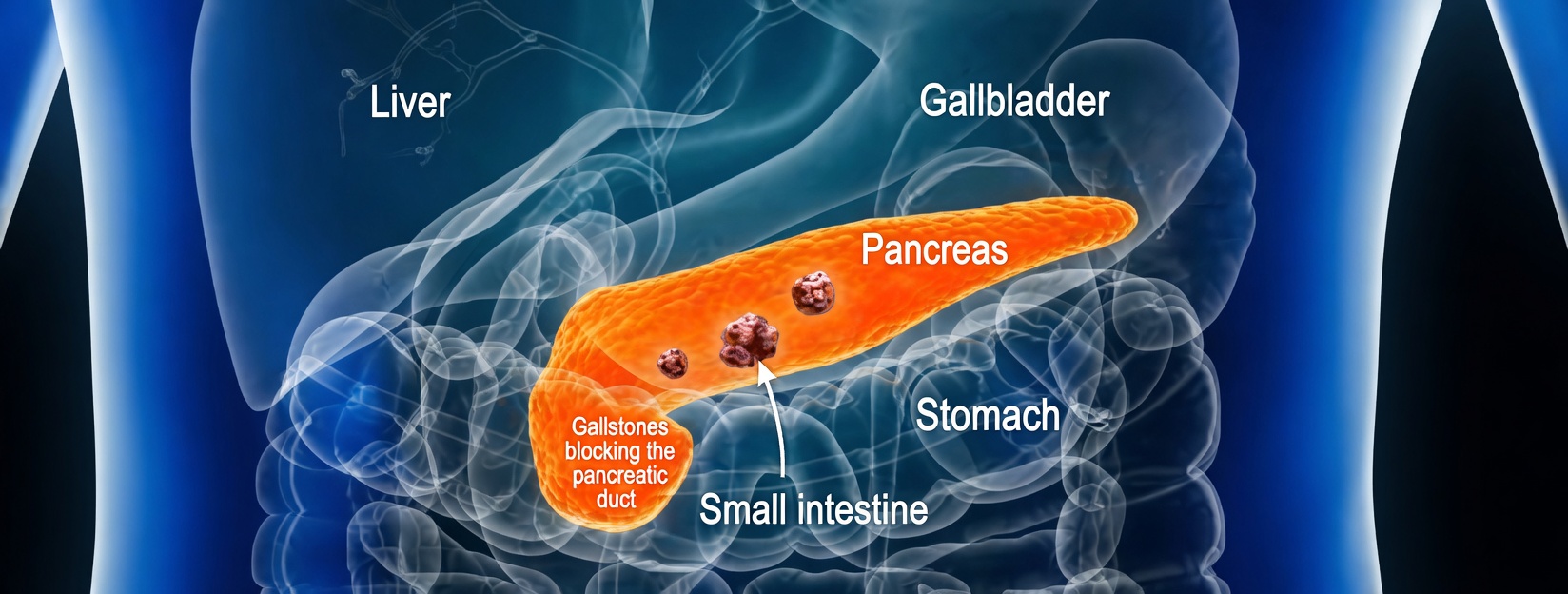
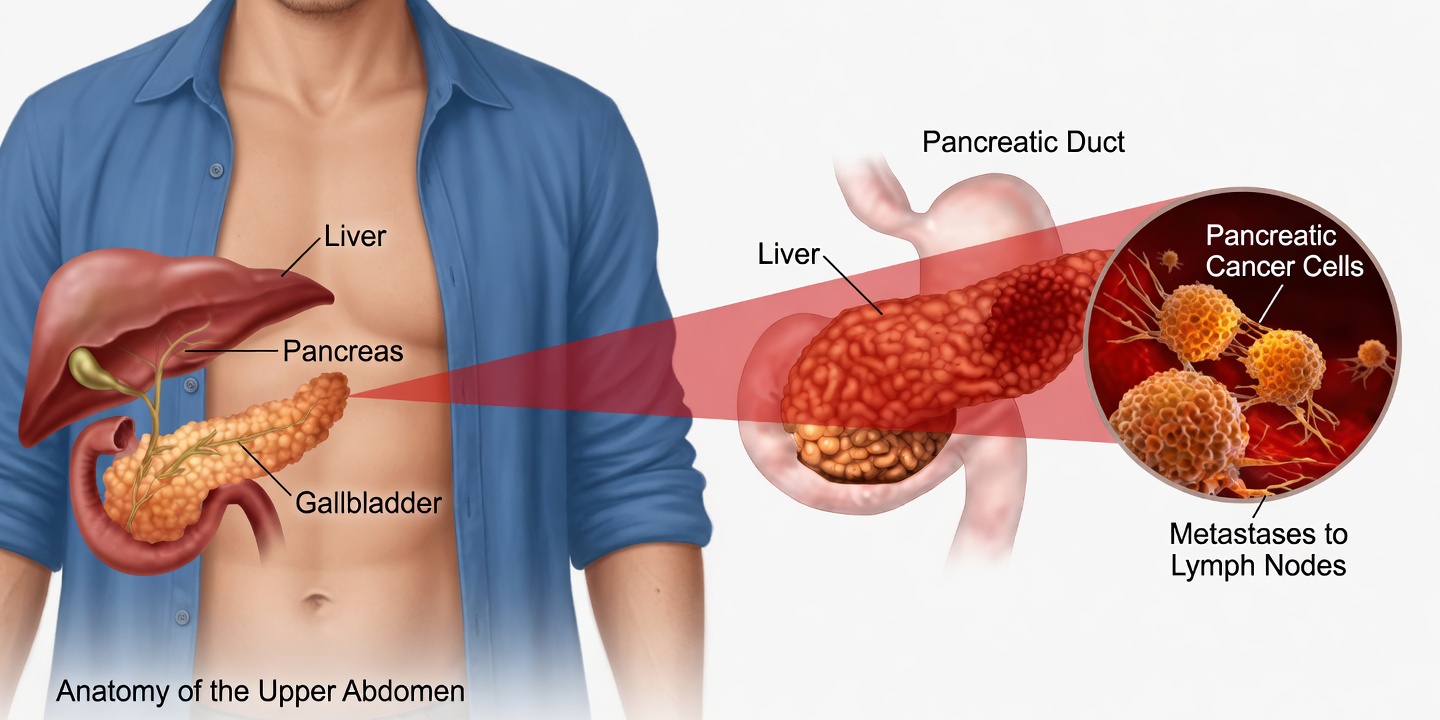
Pancreatic cancer can progress quietly because the pancreas sits deep inside the abdomen. This location makes early tumors harder to notice, and symptoms may remain mild or non-specific for a long time. Major health organizations, including groups like the American Cancer Society, emphasize that early clues can be vague—meaning people may not connect them to something serious at first.
That’s why listening to your body—especially when symptoms persist—is a key part of proactive health awareness.
12 Signs of Pancreatic Cancer You Should Not Ignore
Many of the symptoms below can also occur with other conditions. The key issue is persistence, worsening over time, or multiple symptoms appearing together. If that happens, it’s smart to discuss pancreatic cancer as one possibility with a clinician.
12) Persistent Upper Abdominal Discomfort
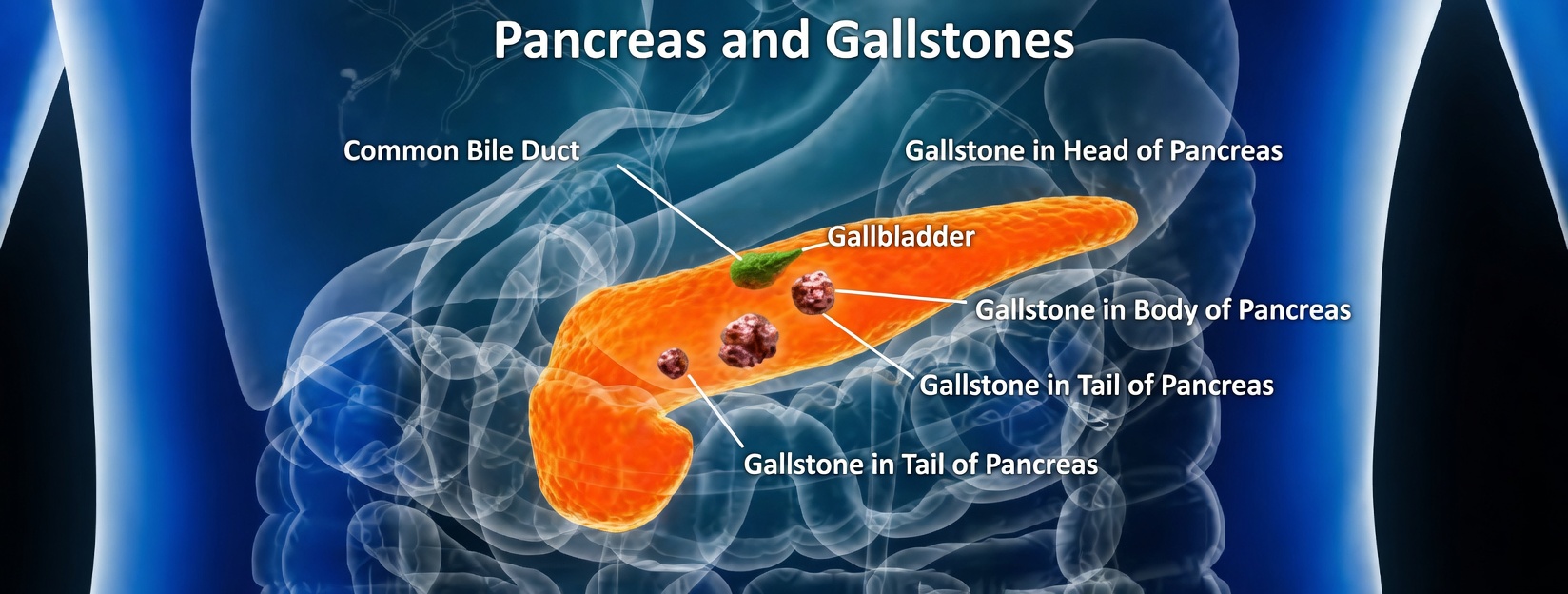
One early sign of pancreatic cancer is ongoing abdominal discomfort that people often label as indigestion. It may feel like:
- A dull ache or pressure in the upper abdomen
- Discomfort that comes and goes
- Symptoms that interfere with normal eating or daily comfort
If this lasts for weeks without an obvious cause—especially alongside other changes—it deserves medical attention.
11) Unexplained Back Pain
Pancreatic tumors can affect nearby nerves, which may cause back pain. Many people describe:
- A dull ache in the mid or lower back
- Pain that feels worse after eating
- Discomfort that increases when lying down
This symptom is frequently blamed on posture, aging, or muscle strain, which can delay evaluation.

10) Loss of Appetite or Feeling Full Too Quickly
Another common symptom is reduced appetite or early satiety (feeling full after small meals). Pancreatic cancer can disrupt digestion and appetite signals, leading to:
- Less interest in food
- Smaller meal portions
- Concern about nutrition and declining energy
When appetite changes pair with weight loss, the concern becomes more significant.
9) Sudden, Unintentional Weight Loss
Unexplained weight loss is a major red flag among pancreatic cancer symptoms. When the pancreas isn’t producing enough digestive enzymes due to disease, the body may struggle to absorb nutrients. People often notice:
- Clothing becoming loose quickly
- Loss of strength or muscle
- Weight dropping without diet or exercise changes
This often occurs alongside other digestive shifts.

8) Nausea or Vomiting After Meals
Nausea—especially after eating—can occur when pancreatic cancer affects digestion or causes partial blockage. It may be more noticeable after heavier or fatty meals. While it can resemble reflux or common stomach issues, persistent nausea or vomiting deserves follow-up.
7) Noticeable Changes in Stool
Stool changes can be one of the more revealing signs of pancreatic cancer, particularly when fat digestion is impaired. Watch for:
- Pale-colored stool
- Greasy or oily appearance
- Floating stool
- Strong, unusual odor
These changes can be embarrassing and easy to ignore, but they may reflect insufficient pancreatic enzymes.

6) Yellowing of the Skin or Eyes (Jaundice)
Jaundice is one of the most visible symptoms linked to pancreatic cancer, especially if a tumor blocks bile flow. Signs may include:
- Yellow tint to the eyes or skin
- Dark urine (often earlier than skin changes)
- Pale stool
Because jaundice can signal bile duct obstruction, it should be assessed promptly.
5) Persistent Itching Without a Rash
Before or alongside jaundice, some people experience intense itching without a visible rash. This can happen when bile-related substances build up in the body. Typical lotions may not help much, which can lead people to seek dermatology care before the underlying cause is considered.
4) New-Onset Diabetes (Especially After Age 50)
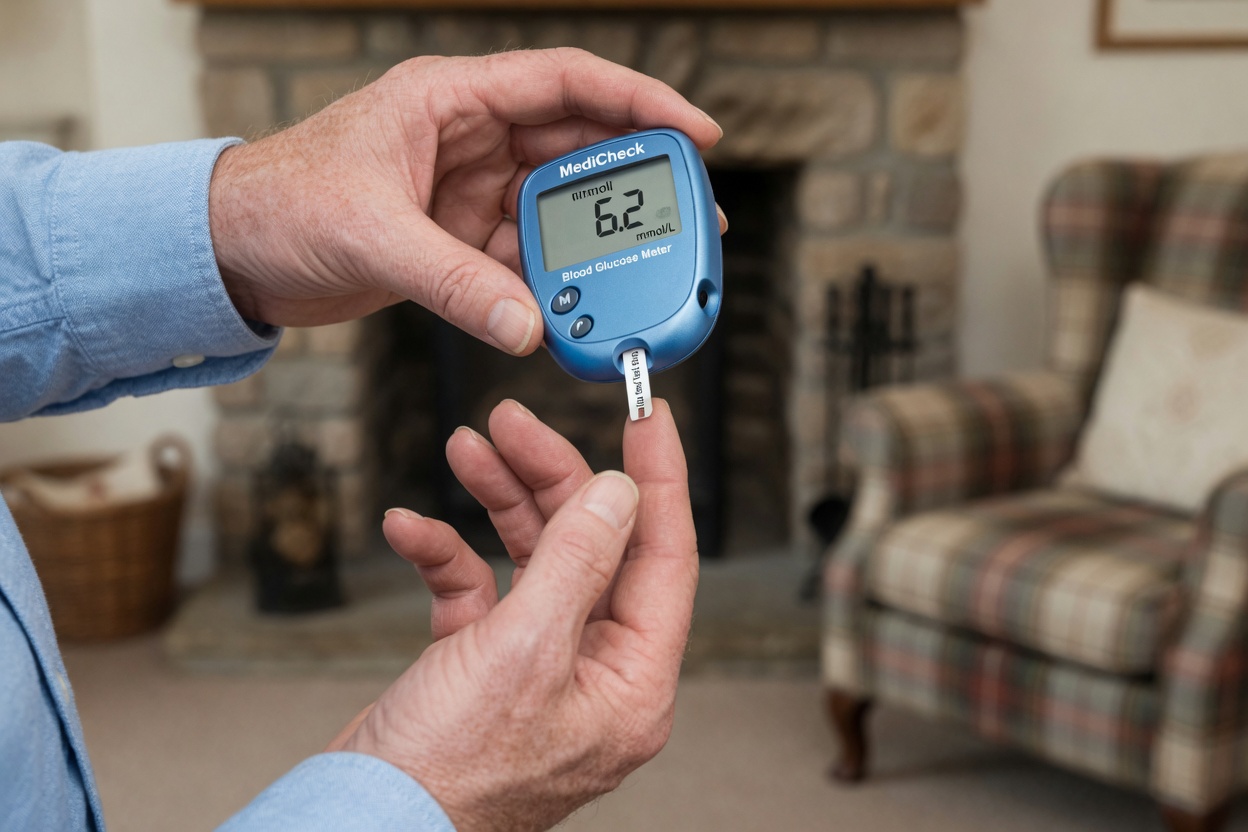
In some cases, pancreatic cancer affects insulin-producing cells, contributing to new diabetes—particularly in adults over 50. Clues include:
- Sudden high blood sugar without major lifestyle changes
- Diabetes appearing alongside weight loss
- Appetite issues occurring at the same time
New-onset diabetes doesn’t automatically mean cancer, but it can be an important sign when combined with other symptoms.
3) Ongoing, Unrelenting Fatigue
Fatigue linked to pancreatic cancer is more than ordinary tiredness. It can feel like:
- Constant low energy despite adequate sleep
- Reduced ability to work, exercise, or focus
- Exhaustion that persists day after day
This may reflect the body’s stress from poor digestion and systemic effects of disease.
2) Unexplained Blood Clots
Pancreatic cancer can increase the tendency for blood to clot. An unexplained clot—such as in the leg—may be a warning sign. Possible indicators include:
- Swelling, warmth, or pain in one leg
- Sudden clotting events without a clear cause
Because blood clots can be dangerous, they require urgent medical evaluation regardless of the underlying reason.
1) Ongoing Digestive Problems That Don’t Improve
One of the most frequently overlooked early complaints is persistent digestive trouble, such as:
- Bloating that keeps returning
- Indigestion that doesn’t respond to usual remedies
- Discomfort after meals becoming “normal” over time
Clinicians often note that consistent digestive problems can appear before more obvious pancreatic cancer symptoms.
Quick Reference: Symptoms of Pancreatic Cancer at a Glance
| Symptom | What It May Feel Like | Why It Can Matter |
|---|---|---|
| Abdominal discomfort | Upper stomach pressure/ache | Possible inflammation or tumor-related irritation |
| Back pain | Dull mid/lower back ache | Pressure on nerves or surrounding structures |
| Appetite loss / early fullness | No hunger, full quickly | Digestive signaling disruption |
| Unintentional weight loss | Rapid drop without trying | Poor digestion and nutrient absorption |
| Nausea/vomiting | Often after meals | Possible digestive blockage or disruption |
| Stool changes | Pale, greasy, floating | Low enzyme output affecting fat digestion |
| Jaundice | Yellow eyes/skin | Bile duct obstruction |
| Itchy skin | Persistent itching without rash | Bile salt buildup |
| New-onset diabetes | Sudden blood sugar rise | Insulin disruption in the pancreas |
| Fatigue | Constant exhaustion | Whole-body stress and reduced nutrition |
| Blood clots | Leg swelling/pain or sudden clot | Increased clotting tendency |
| Ongoing indigestion/bloating | Persistent discomfort after eating | Continued digestive interference |
What to Do If You Notice Possible Signs of Pancreatic Cancer
If you recognize several symptoms at the same time, or if one symptom persists and worsens, take action early:
- Track your symptoms
- Note when they started, what triggers them (meals, lying down), and any weight changes.
- Schedule a medical evaluation
- Share your symptom history clearly and mention your concern about pancreatic cancer symptoms if appropriate.
- Seek prompt care for urgent red flags
- Jaundice, severe vomiting, sudden blood clots, or rapidly worsening pain should be assessed quickly.
Awareness doesn’t replace diagnosis—but recognizing persistent changes and getting timely medical advice can make a meaningful difference.