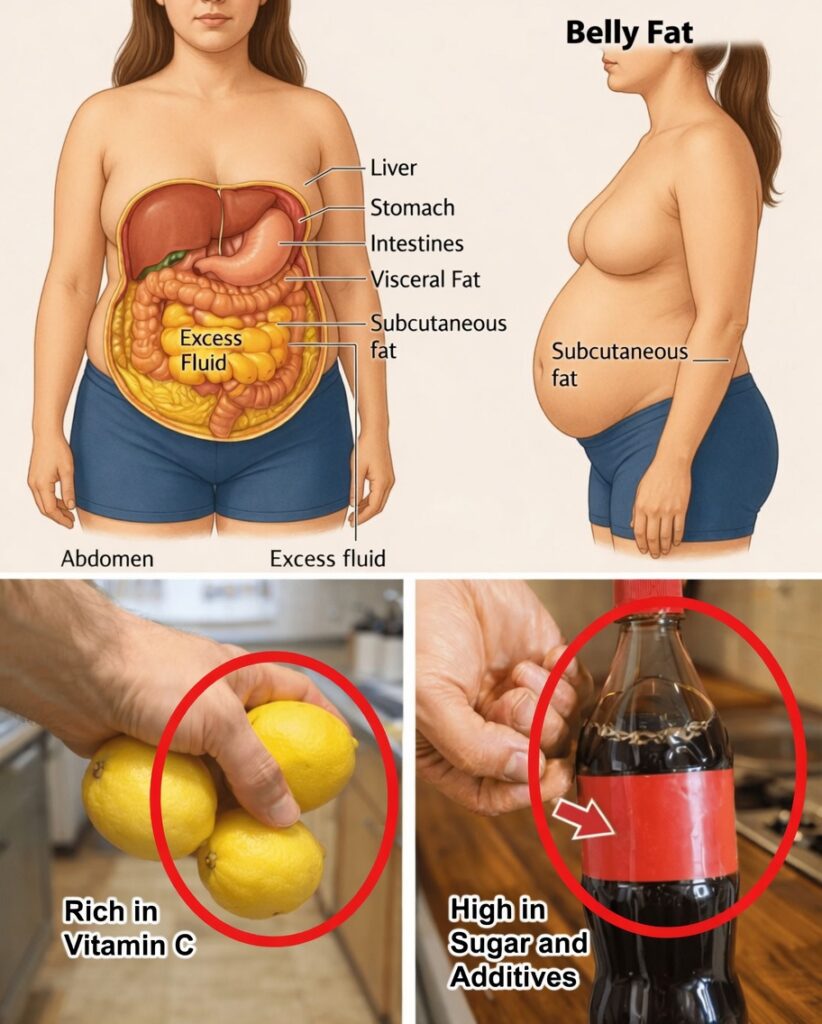
Struggling with stubborn belly fat as your metabolism naturally slows with age can feel exhausting. Clothes fit differently, bloating becomes more noticeable, energy dips, and confidence can quietly erode—especially when every “miracle” diet or trendy workout promises a flatter belly but delivers stress instead of results.
The good news: a flatter midsection often comes from simple, evidence-based habits that support your body’s hormones, digestion, sleep, and daily energy balance. The strategies below focus on steady routines—not extremes—and the final tip is a frequently overlooked practice that can make a real difference for many people.
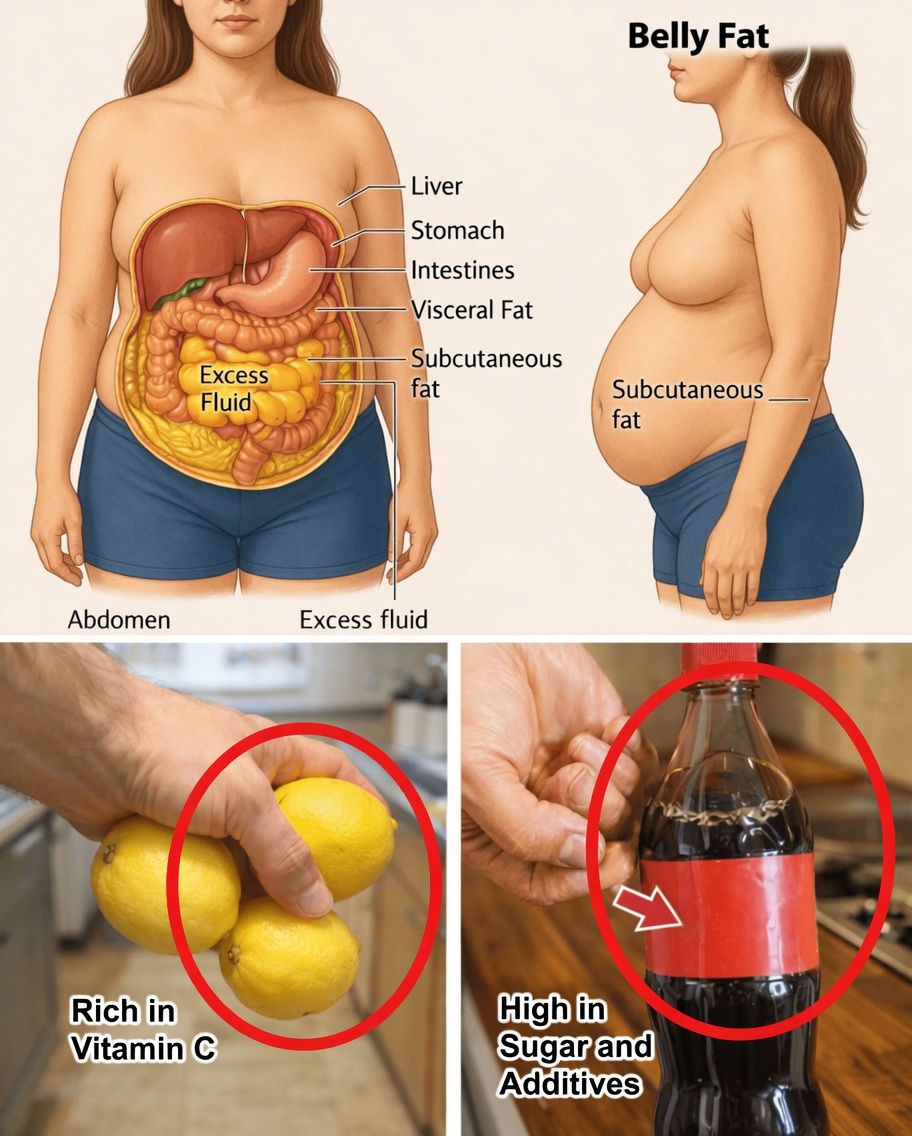
Why Belly Fat Can Be So Persistent
Belly fat is not only about calories. For many adults, abdominal fat is strongly influenced by:
- Hormonal shifts (including stress-related hormones)
- Poor sleep quality
- Chronic stress
- Sedentary routines
Understanding these drivers helps you move away from quick fixes and toward practical daily behaviors that actually support a flatter belly over time.
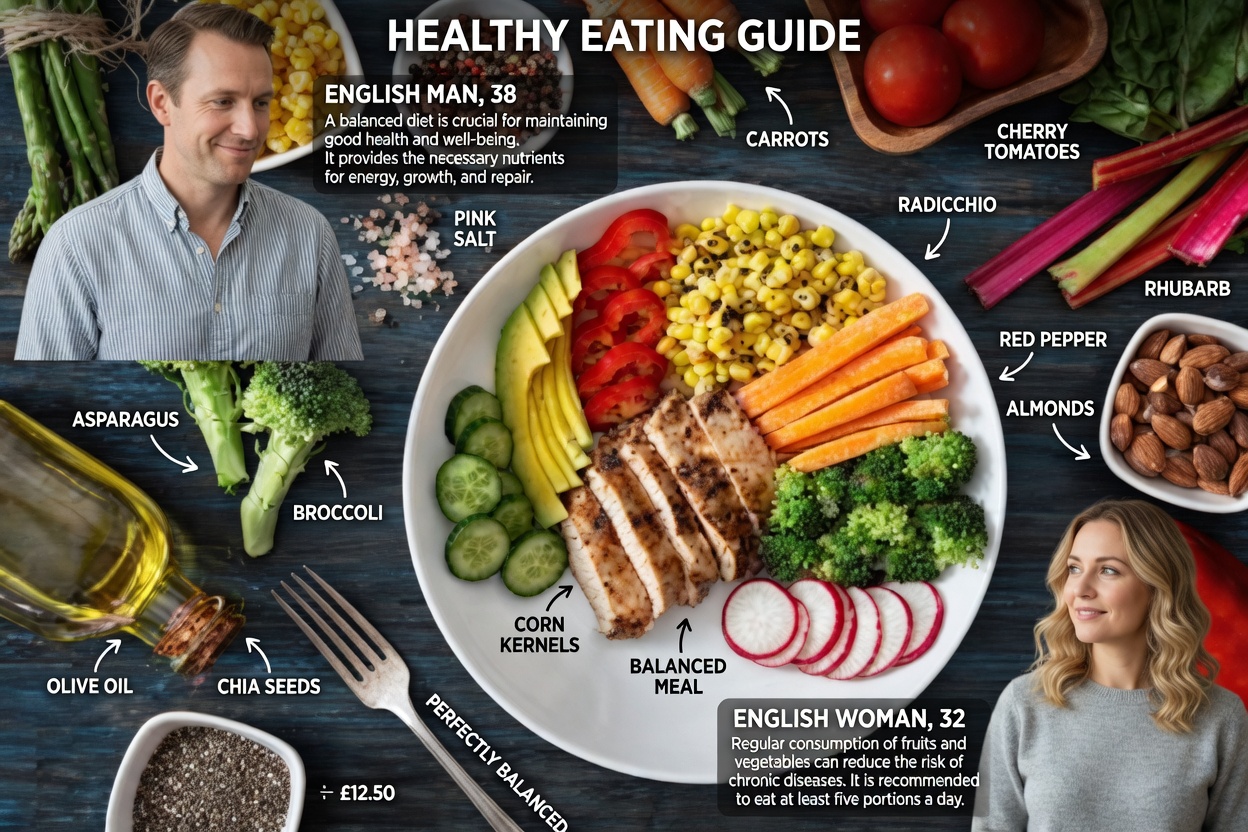
1. Build Meals Around Protein, Fiber, and Healthy Fats
If you’re dealing with constant hunger, cravings, or post-meal bloating, start with your plate. Research—including findings associated with the University of Illinois—shows that higher protein and fiber intake during weight-management efforts supports better appetite control and greater fat loss, partly by helping stabilize blood sugar.
Pairing lean protein + fiber-rich plants + healthy fats also slows digestion, helping you stay satisfied longer and reducing mindless snacking—an approach that may gradually reduce excess fat storage around the midsection.
How to apply this habit:
- Protein: eggs, fish, chicken, tofu, beans, lentils
- Fiber: leafy greens, broccoli, peppers, zucchini, legumes
- Healthy fats: olive oil, avocado, nuts, seeds
Practical tip: Include at least one protein source and one high-fiber vegetable at every meal, starting with breakfast, to naturally reduce overeating without relying on willpower.

2. Create a Gentle, Sustainable Calorie Deficit
Yo-yo dieting often backfires—especially around the belly—because aggressive restriction can increase hunger, cravings, and metabolic adaptation. In contrast, these flatter-belly habits prioritize a modest, consistent calorie deficit rather than extreme cuts.
A realistic target for many people is a 300–500 calorie daily deficit, which supports steady progress without triggering the rebound effects commonly seen with crash diets.
Simple ways to do it consistently:
- Use smaller plates to reduce portions without feeling deprived
- Eat mindfully (avoid screens while eating)
- Reduce sugary drinks and keep alcohol limited
Over time, these small adjustments can translate into noticeable changes in waistline and how your clothes fit.
3. Prioritize Hydration to Support Digestion and Reduce Bloating
Mild dehydration is often mistaken for hunger, leading to extra snacking and more belly discomfort. Consistent hydration supports digestion, helps limit water retention, and improves your ability to recognize true hunger cues—key components of a flatter belly and less bloating.
You don’t need to chug water in large amounts. Steady intake across the day is more effective.
Action steps that work:
- Drink a full glass of water soon after waking
- Have one glass 15–20 minutes before meals
- Keep a reusable bottle nearby and sip regularly
Many people notice reduced “puffiness” and better energy within days of improving hydration.
4. Choose Short, Effective Workouts That Fit Real Life
Long gym sessions can be discouraging—especially when belly fat seems unchanged. Efficient training is often more sustainable, and evidence supports it. A meta-analysis published in Sports Medicine found High-Intensity Interval Training (HIIT) can effectively reduce total fat, abdominal fat, and visceral fat.
HIIT is effective partly because it elevates calorie burn during the workout and can increase post-exercise energy expenditure.
A realistic weekly approach:
- HIIT: 20–25 minutes, 2–3 times per week
- Other days: easy walks, mobility work, or light stretching
- Prioritize workouts you can repeat consistently (enjoyment matters)
This structure makes exercise achievable instead of another stressor.

5. Improve Sleep Quality to Support Hormones and Appetite Control
Poor sleep doesn’t just make you tired—it can push the body toward belly fat storage by disrupting hormones tied to appetite and stress (including cortisol and ghrelin). Research referenced by the Mayo Clinic links insufficient sleep with measurable increases in abdominal and visceral fat.
If you’re waking up exhausted, craving carbs, or feeling puffy, improving sleep can be one of the highest-impact changes for a flatter midsection.
Sleep practices that help:
- Keep a consistent sleep and wake time (even on weekends)
- Reduce bright light and avoid screens 60 minutes before bed
- Skip heavy or spicy meals close to bedtime
Even one extra hour of quality sleep per night can support better appetite regulation and improved body composition over time.
6. Lower Stress to Reduce Hormone-Driven Fat Storage
Ongoing stress from work, relationships, finances, or daily demands can increase cortisol, which is linked to increased abdominal fat storage and stronger cravings. Stress also makes it harder to stay consistent with nutrition, movement, and sleep—so managing it often improves everything else.
Simple techniques to try:
- 5 minutes of slow breathing or meditation
- A short outdoor walk, ideally in nature
- Gentle yoga or stretching
- Journaling before bed to clear mental clutter
Reducing stress can make your belly feel less tight, improve digestion, and support better choices without forcing them.

7. Commit to Consistency—and Use Regular Meal Timing (The Overlooked Habit)
Many people burn out because they expect rapid changes. In reality, long-term consistency is one of the strongest predictors of sustainable body-composition improvements—especially when targeting stubborn belly fat.
One commonly missed factor is regular meal timing. Constantly skipping meals, eating at random hours, or grazing late into the night can make hunger harder to manage and may disrupt sleep and energy levels—both of which influence midsection results.
How to make this habit practical:
- Choose a realistic eating window (for example, breakfast within 1–2 hours of waking).
- Aim for meals at similar times most days.
- Keep dinner earlier when possible, and avoid heavy late-night eating.
Key Takeaway
A flatter belly typically comes from aligning your daily routines with how the body regulates hunger, stress, sleep, and fat storage. Focus on protein-forward, fiber-rich meals, a gentle calorie deficit, hydration, time-efficient workouts, better sleep, lower stress—and consistent meal timing. Small steps, repeated daily, are what reshape the midsection for the long run.