Early Signs of Liver Problems: 12 Warning Signals You Shouldn’t Ignore
Your liver works around the clock to filter toxins, metabolize nutrients, and keep many essential body processes stable. The challenge is that when liver function starts to decline—often after years of overload—it may not cause obvious symptoms right away. Many people dismiss early changes as “stress,” “burnout,” or “just aging.”
In reality, subtle symptoms can be the body’s first alerts to liver damage, which may progress to fibrosis and eventually cirrhosis if not addressed. Noticing these signs early can help you take supportive steps and speak with a healthcare professional sooner rather than later.
This guide outlines 12 commonly reported early warning signs, consistent with information shared by reputable medical organizations such as Mayo Clinic and Cleveland Clinic. Just as important: the liver is known for its ability to recover and adapt when it’s supported appropriately—practical ways to protect liver health are included toward the end.
Why These Symptoms Can Happen
The liver is one of the body’s hardest-working organs, responsible for 500+ vital functions. When liver cells are repeatedly injured (from alcohol, fatty liver disease, hepatitis, medications, or other causes), scar tissue can gradually build up. This scarring process is called fibrosis, and significant fibrosis can develop into cirrhosis.
As liver performance drops, it may struggle with tasks such as:
- Producing key proteins (including albumin and clotting factors)
- Processing bilirubin (a waste product from red blood cell breakdown)
- Managing hormones, fluid balance, and detoxification
Many liver-related changes are quiet at first, but recognizable patterns can appear as the condition progresses. This is why awareness—along with routine checkups and blood tests—can meaningfully improve early detection and management.
The 12 Early Signs to Watch For
Below are the most frequently reported warning signs, explained in clear, practical terms.
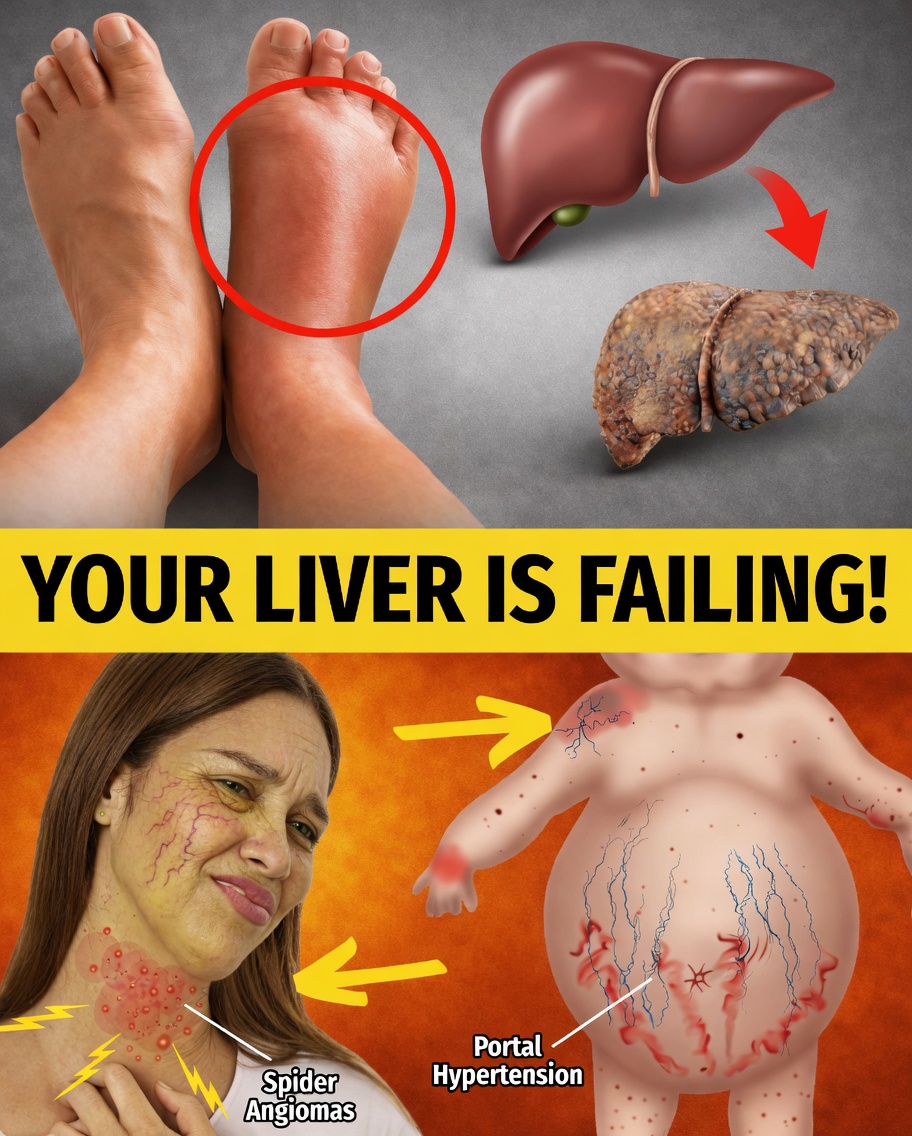
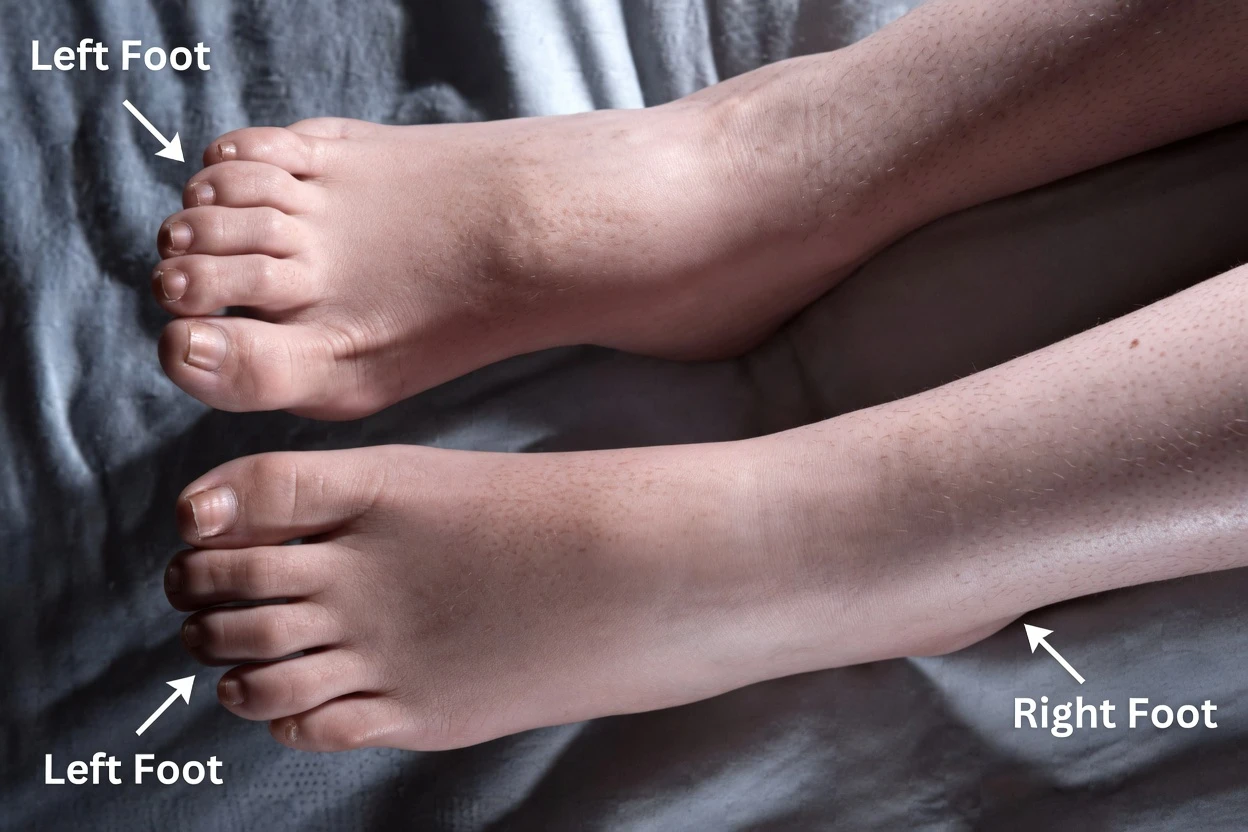
1) Swelling in the Legs, Ankles, or Feet (Edema)
A healthy liver makes albumin, a protein that helps keep fluid inside blood vessels. When albumin levels fall, fluid can leak into surrounding tissues—often showing up first as puffiness in the lower legs, ankles, or feet. What begins as mild swelling can gradually become more noticeable.
2) Yellow Skin or Yellowing of the Eyes (Jaundice)
When the liver can’t process bilirubin effectively, bilirubin may build up in the bloodstream, leading to a yellow tint in the skin and the whites of the eyes. This is often accompanied by dark urine, since excess bilirubin may be excreted through the kidneys.
3) Ongoing Fatigue and Low Energy
Persistent tiredness is one of the most common early complaints. If the liver is underperforming, the body may be less efficient at converting nutrients into usable energy and clearing metabolic waste, leaving you feeling exhausted despite rest. Many people describe it as unusually deep or heavy fatigue.
4) Strong Itching (Often Palms and Soles)
When bile flow is disrupted, bile salts can accumulate and contribute to intense itching—often without a visible rash. It may be worse at night and can interfere with sleep.
5) Easy Bruising or Prolonged Bleeding
The liver produces proteins needed for normal blood clotting. If those clotting factors drop, you may notice:
- Bruising after minor bumps
- Cuts that bleed longer than usual
- Small red or purplish spots on the skin
6) Dark-Colored Urine
Urine that looks like tea or cola can occur when bilirubin levels rise and the kidneys excrete what the liver can’t process adequately.
7) Pale or Clay-Colored Stools
Bile helps give stool its normal brown color. If less bile reaches the intestines, stool may appear pale, grayish, or clay-colored.
8) Spider-Like Blood Vessels (Spider Angiomas)
These are small clusters of blood vessels that look like a red dot with fine lines radiating outward, commonly seen on the face, chest, or arms. They’re linked to shifts in hormones and blood flow that can occur with liver dysfunction. While more common in later stages, they can appear earlier too.
9) Abdominal Swelling (Ascites)
Fluid accumulation in the abdomen—known as ascites—may happen due to increased pressure in liver blood vessels (portal hypertension) and reduced albumin. The belly may look bloated, tight, or distended.
10) Appetite Loss, Nausea, or Vomiting
When bile production and nutrient processing are affected, digestion may suffer. Some people notice:
- Feeling full quickly
- Ongoing nausea
- Reduced appetite
- Occasional vomiting
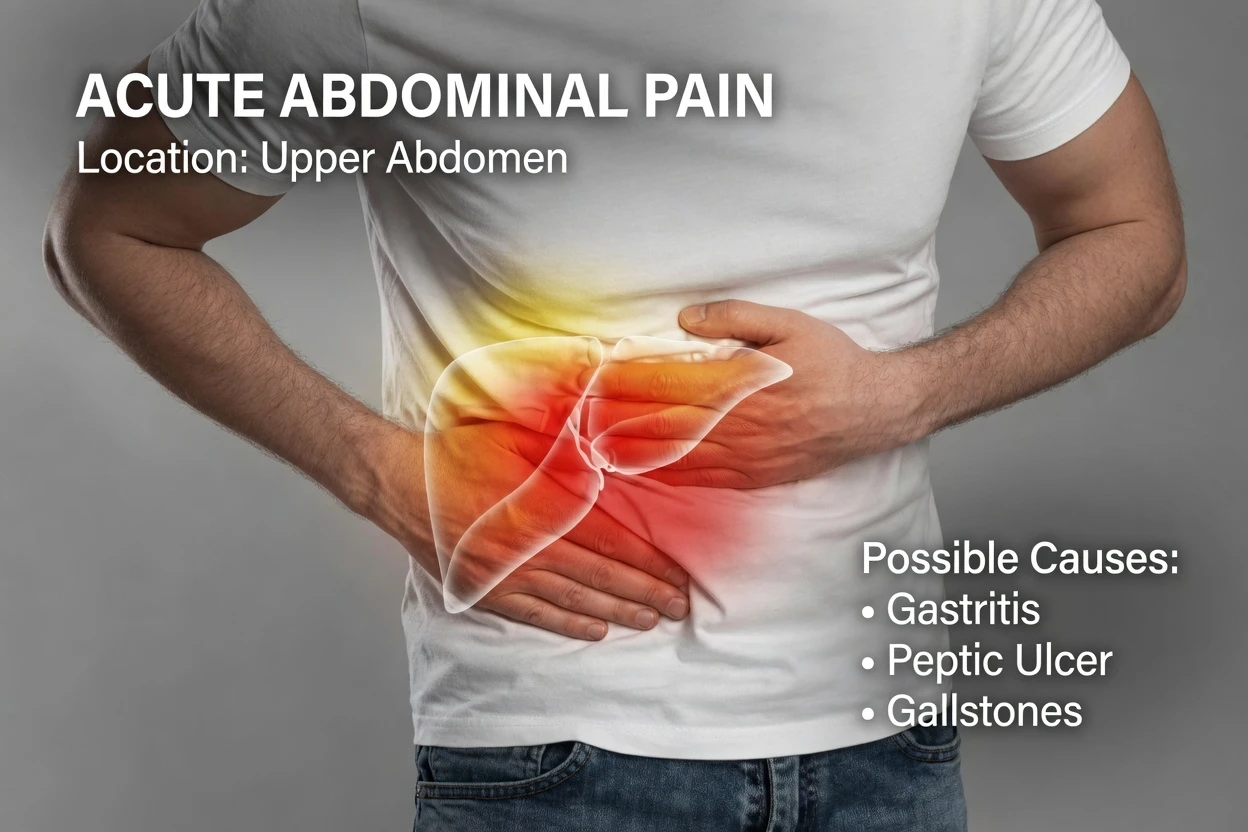
11) Dull Pain or Pressure in the Upper Right Abdomen
The liver sits under the right rib cage. If it becomes inflamed or enlarged, you may feel a dull ache, heaviness, or discomfort in the upper right abdomen, sometimes more noticeable after meals.
12) Mood, Memory, or Focus Changes
If the liver can’t clear certain toxins effectively, those substances can affect brain function. Symptoms may include:
- Brain fog or confusion
- Irritability or personality changes
- Forgetfulness
- Sleep pattern disruption
In more advanced cases, this may progress to hepatic encephalopathy.
Many of these signs can overlap with other health conditions, so they should be treated as important clues to investigate, not a self-diagnosis.
Early vs. More Advanced Signs: A Quick Comparison
Looking at symptom patterns can help you decide how urgently to seek evaluation.
-
Earlier / more subtle signs
- Fatigue
- Mild itching
- Easier bruising
- Appetite changes
- Dark urine or pale stools
-
More noticeable signs
- Jaundice
- Significant leg swelling or abdominal swelling
- Spider angiomas
- Persistent abdominal discomfort
- Worsening confusion or mental fog
If multiple symptoms occur together—especially jaundice, swelling, unusual bleeding, or mental changes—medical evaluation is particularly important.
Practical Steps to Support Liver Health Starting Today
No lifestyle plan can replace medical care, but daily habits strongly influence how resilient the liver can be. Many clinicians and public health sources commonly recommend the following foundations:
-
Build a liver-friendly eating pattern
- Emphasize vegetables, fruits, whole grains, lean proteins, and healthy fats (such as nuts and fish)
- Reduce heavily processed foods, added sugar, and excess sodium
-
Hydrate consistently
- Drinking enough water supports overall metabolic function and waste removal.
-
Limit or avoid alcohol
- Even “moderate” intake can add long-term strain, especially if symptoms are already present.
-
Aim for a healthy weight
- Gradual weight loss through diet and movement can reduce fat buildup in the liver, particularly in fatty liver disease.
-
Move regularly
- Activities like walking or swimming can improve circulation, metabolic health, and weight management.
-
Review medications and supplements
- Some over-the-counter drugs and herbal products may affect the liver. Confirm safety with a clinician, especially if you take multiple products.
-
Schedule routine checkups
- Simple blood tests and, when needed, imaging can detect liver concerns before symptoms become severe.
These steps may help slow progression and improve overall well-being—especially when paired with professional guidance.
Conclusion: Pay Attention Early, Not Late
The liver is remarkably resilient when problems are caught early. Recognizing these 12 warning signs isn’t a reason to panic—it’s a chance to act. Tracking symptoms, adjusting daily habits, and speaking with a qualified healthcare professional can help you get clarity and protect long-term health.
FAQ
What is often the first sign of liver trouble?
For many people, fatigue and weakness show up early—well before visible signs like jaundice.
Can liver problems cause skin changes beyond jaundice?
Yes. Liver dysfunction may be linked with itching, easy bruising, and spider-like blood vessels on the skin.
When should I see a doctor?
Seek medical evaluation if you have persistent fatigue, yellowing of the eyes/skin, swelling, unusual bruising/bleeding, dark urine or pale stools, or multiple symptoms at the same time. Blood work and appropriate imaging can help identify the cause.
Disclaimer: This article is for informational purposes only and does not replace professional medical advice. These symptoms can occur with many conditions. Consult a qualified healthcare provider for diagnosis, testing, and treatment. Do not self-diagnose or delay medical care based on this content.