Seeing your creatinine trend upward on lab results can be unsettling. Readings such as 1.8, 2.1, or higher often lead to conversations about slowing chronic kidney disease (CKD) progression, moderating protein, and protecting kidney function over the long term. For many people with early to mid-stage CKD, the goal is practical: support kidney health through everyday food choices—alongside, not instead of, medical care.
Kidney specialists and nutrition research commonly point to low-potassium, nutrient-dense foods that fit well within a kidney-friendly diet. These foods can contribute fiber, antioxidants, and anti-inflammatory compounds, which may help the body handle oxidative stress, inflammation, and waste products more efficiently. No single ingredient can “fix” kidney disease, but consistent, well-planned dietary patterns—guided by your clinician—can make a meaningful difference.
This guide covers 12 foods frequently recommended in renal nutrition (often referenced by kidney care organizations and clinical dietitians), plus practical ways to use them and a simple day-to-day framework.
Why These Foods Matter for Kidney Health
A renal diet typically aims to manage or limit:
- Potassium
- Phosphorus
- Sodium
- Protein (amount and quality)
At the same time, it often emphasizes:
- Fiber (especially from plant foods)
- Antioxidants and anti-inflammatory nutrients
- Flavor-building strategies that reduce reliance on salt
One reason fiber matters: it can support gut health and help bind certain waste products in the digestive tract, potentially reducing what the kidneys must filter. Some studies and clinical observations suggest that higher dietary fiber intake may be associated with improvements in certain lab markers (including creatinine) in some CKD populations. Meanwhile, low-potassium fruits and vegetables can provide volume, micronutrients, and variety without pushing restricted minerals too high.
With that foundation, here are the foods that repeatedly show up in kidney-friendly eating guidance.
12 Kidney-Supportive Foods to Add to a Renal Diet
Below are 12 kidney-friendly foods often recommended due to their nutrient profile and flexibility in renal meal planning. Portions still matter—especially for potassium, phosphorus, protein, and fluid restrictions.
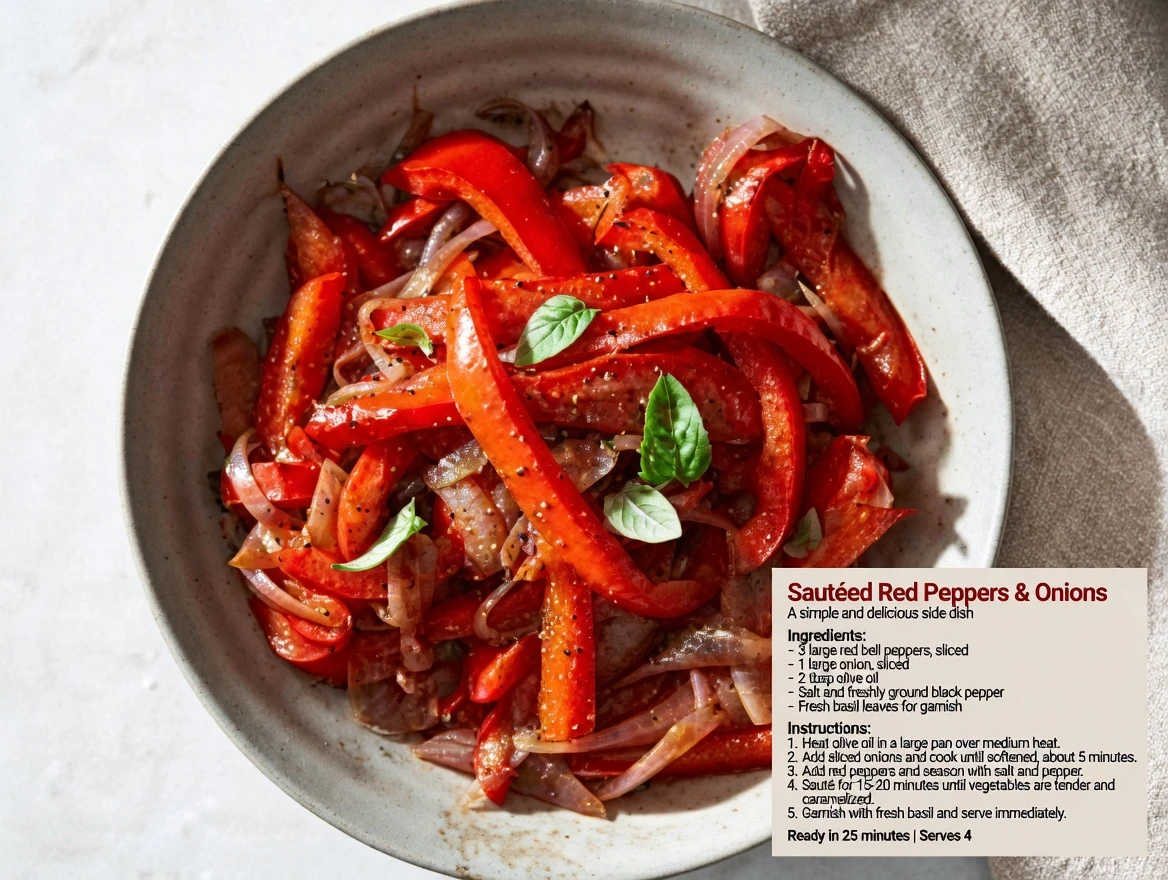
12) Red Bell Peppers
Red bell peppers are known for being relatively low in potassium (about 211 mg per 100 g) while delivering a strong dose of vitamin C and antioxidant compounds such as lycopene. They add crunch and flavor without dramatically increasing restricted minerals.
11) Blueberries
Blueberries are a popular choice in CKD-friendly eating because they provide anthocyanins, antioxidant pigments linked to anti-inflammatory effects. They’re also generally easy to portion and fit into snacks or breakfast.
10) Cabbage
Cabbage is inexpensive, widely available, and adaptable. It’s low in potassium (around 170 mg per 100 g) and provides fiber plus naturally occurring plant compounds (including sulfur-containing components) often discussed in vegetable-forward diets.
9) Cauliflower
Cauliflower is frequently used as a lower-potassium alternative to starchy sides. It can be steamed, mashed, or blended into “comfort-food” style textures, making it a practical swap when you’re trying to reduce potassium load from foods like potatoes.
8) Apples
Apples (especially with the skin) contain pectin, a soluble fiber that may help support digestion and bind certain compounds in the gut. A medium apple is typically kidney-friendly in potassium and works well as a simple, portable snack.
7) Cranberries (Unsweetened)
Unsweetened cranberries (or pure cranberry products) are often associated with urinary tract support and may contribute antioxidant benefits. Choose low-sugar forms when possible to avoid unnecessary calories and added sugars.
6) Egg Whites
Egg whites are widely used in renal diets because they are a high-quality protein option with lower phosphorus compared with many other protein sources. Roughly two egg whites provide about 7 g of protein, which can help meet nutrition needs while managing mineral limits.
5) Onions
Onions add strong flavor with minimal potassium impact for most meal plans, helping reduce the need for salt. They also contain quercetin, a plant compound studied for antioxidant and vascular-related effects.
4) Garlic
Fresh garlic releases allicin when crushed or chopped, a compound often discussed for potential cardiovascular and anti-inflammatory support. In kidney-friendly cooking, garlic is especially valuable because it boosts taste without sodium.
3) Extra-Virgin Olive Oil
Extra-virgin olive oil is a staple fat in Mediterranean-style eating patterns and is commonly recommended for its anti-inflammatory profile. Replacing less favorable fats with olive oil can support overall cardiovascular health—an important priority in CKD.
2) Wild-Caught Salmon (Small Portions)
Salmon provides omega-3 fatty acids (EPA/DHA), which may support inflammation control and help with markers like proteinuria in some cases. However, because fish can contribute phosphorus and protein, it’s typically best kept to small servings once or twice weekly, if approved for your stage and labs.
1) Nettle Leaf Tea
Nettle leaf tea is a traditional herbal drink used in some regions as a mild diuretic. Early evidence and limited studies suggest it may influence urine output and certain kidney-related markers in specific settings. Because herbs can interact with medications and CKD restrictions, only use nettle tea with medical clearance.
Quick Nutrient Snapshot and Practical Use
These numbers are general estimates; potassium can vary by variety, ripeness, and preparation. Always confirm targets with your renal dietitian.
- Red bell peppers (~211 mg potassium/100 g): vitamin C + antioxidants; use raw or roasted
- Blueberries (~77 mg potassium/100 g): antioxidant-rich; portion as a snack or topping
- Cabbage (~170 mg potassium/100 g): fiber + plant compounds; sauté, steam, or shred for salads
- Apples (~107 mg potassium/100 g): pectin fiber; eat whole with skin
- Extra-virgin olive oil (negligible potassium): anti-inflammatory fat; drizzle on vegetables or salads
- Nettle leaf tea (trace minerals): possible mild diuretic; only if approved, typically 1–2 cups
A Simple Daily Meal Structure (Repeat for a Week)
Many people find it easiest to begin by adding 3–4 kidney-friendly foods per day rather than overhauling everything at once. Here is a sample day you can repeat and adjust:
- Breakfast: Egg-white scramble with diced red bell peppers and onions, cooked in olive oil; add one small apple.
- Snack: A measured serving of blueberries (or low-sugar cranberries, if preferred).
- Lunch: Steamed cabbage and cauliflower dressed with olive oil and garlic. Add salmon only on approved days (often 1–2 times weekly).
- Dinner: Mashed cauliflower with herbs, plus lightly sautéed onions or cabbage on the side.
- Evening (optional): Nettle leaf tea only if your clinician approves.
After 4–8 weeks, review symptoms, blood pressure, and labs with your healthcare team to evaluate whether adjustments are needed.
Practical Steps You Can Take Today
- Choose 2–3 low-potassium staples from the list (such as cabbage, apples, or red bell peppers) and plan to use them tomorrow.
- Replace one higher-potassium side (commonly potatoes) with cauliflower mash.
- Use garlic and olive oil to build flavor so you can rely less on salt.
- Follow your hydration plan (often water, unless fluid-restricted) and keep portions consistent.
- Speak with your nephrologist or renal dietitian before major shifts—especially when adding herbal products like nettle.
Small, repeatable changes are often easier to maintain—and consistency is what typically drives results.
FAQ
Can these foods actually lower creatinine?
No food can guarantee a creatinine drop. However, a dietary pattern with more fiber and antioxidants—while staying within potassium, phosphorus, sodium, and protein limits—may support waste handling and inflammation control. Some research suggests higher fiber intake is linked with improvements in creatinine in certain CKD groups.
Are these foods safe for late-stage CKD or dialysis?
Not always. Restrictions vary widely by CKD stage, dialysis status, medications, and lab trends. Low-potassium vegetables and egg whites are often used, but foods like salmon (phosphorus/protein) and nettle tea (herbal effects/interactions) may require tighter limits—or avoidance—depending on your situation.
When might you notice changes?
Lab values typically shift over weeks to months, depending on adherence and overall health. Some people notice improvements in energy, digestion, or appetite earlier, but lab monitoring is essential.
Medical Disclaimer
This article is for education only and does not provide medical advice. CKD nutrition must be individualized based on your stage, lab values, medications, and other health conditions. Discuss any dietary change—especially herbs, supplements, or major protein adjustments—with your nephrologist or registered dietitian before starting.