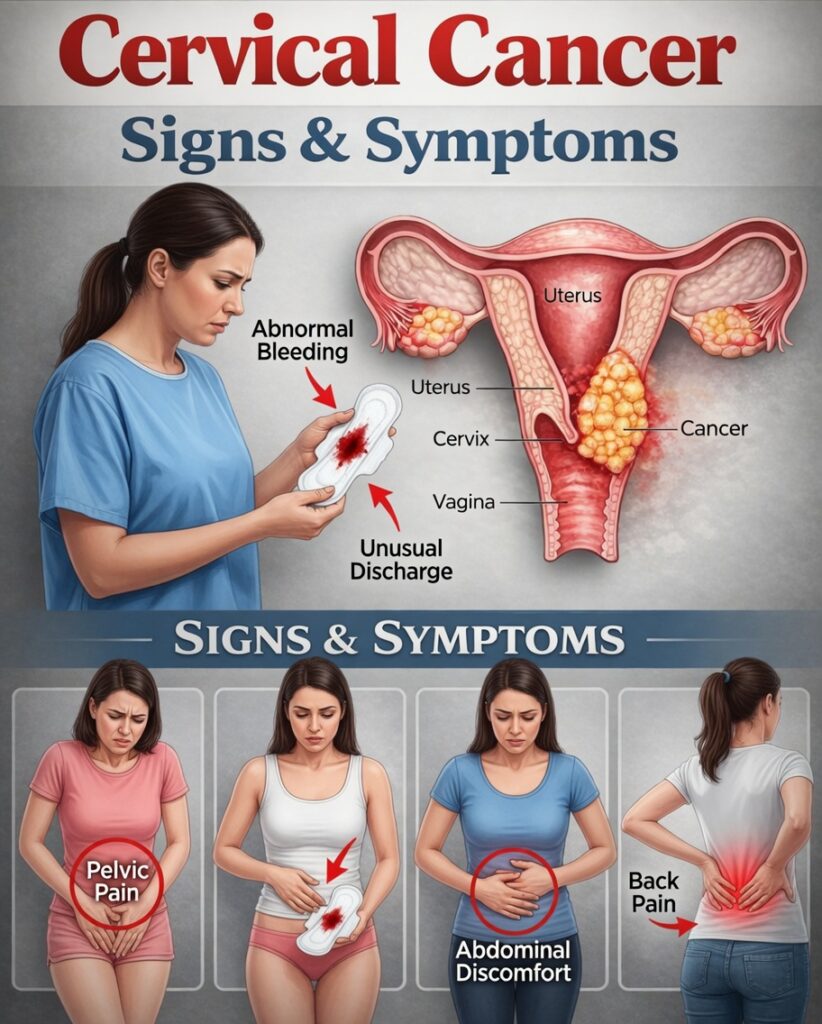
Subtle Body Changes in Your 40s and 50s: When to Pay Closer Attention
Many women in their 40s and 50s notice small shifts—maybe your discharge looks different, or you feel a brief pelvic twinge—and assume it’s stress, hormones, perimenopause, or simply aging. Because these changes can seem minor (and life is already full), it’s easy to brush them aside.
However, trusted organizations such as the American Cancer Society and Mayo Clinic stress an important point: early cervical cancer often has no symptoms, but certain warning signs may appear as the condition progresses. Noticing persistent or unusual changes can help you start a timely conversation with a healthcare professional.
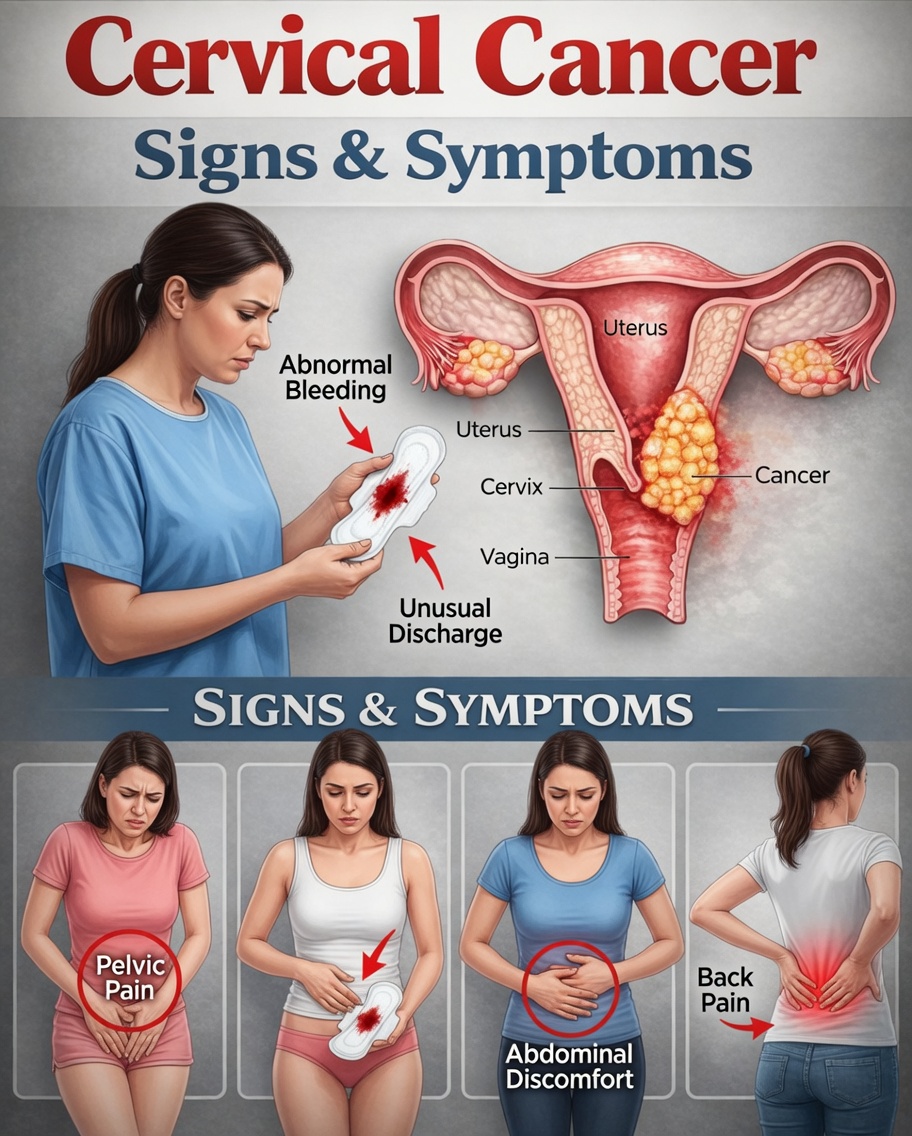
Why These Symptoms Often Get Dismissed
Cervical cancer usually develops gradually and is frequently associated with persistent HPV (human papillomavirus) infection. That’s why routine screening (Pap tests and HPV tests) remains the most reliable way to detect precancerous changes early.
The challenge is that many potential symptoms overlap with everyday issues—perimenopause, infections, stress, or physical strain—so people delay getting checked. The encouraging news is that awareness creates options: when you recognize patterns early, you can bring clearer, more useful information to your clinician.
Nine Possible Early Warning Signs to Know
9) Vaginal Discharge That Looks or Smells Unusual
One commonly reported early clue is a noticeable change in discharge. For example, it may become:
- More watery than usual
- Heavier or more persistent
- Pink-tinged or blood-stained
- Foul-smelling in a way that doesn’t improve with normal hygiene
Medical sources including the Mayo Clinic note that while discharge varies normally, persistent bloody or strong-smelling discharge may be associated with cervical changes and deserves evaluation. Consider tracking it for a couple of weeks so you can describe the pattern accurately.
8) Pain or Discomfort During Sex
Sex should not suddenly become painful. Some women report:
- New sharp pain or deep aching
- Discomfort that wasn’t there before
- Light bleeding after intercourse
Clinical guidance (including from the Cleveland Clinic) notes that pain or bleeding with sex can be linked to irritation or changes around the cervix. Dryness and stress can also play a role—but if it keeps happening, it’s worth discussing with a doctor.

7) Bleeding Between Periods or After Menopause
Unexpected bleeding can include:
- Spotting between periods
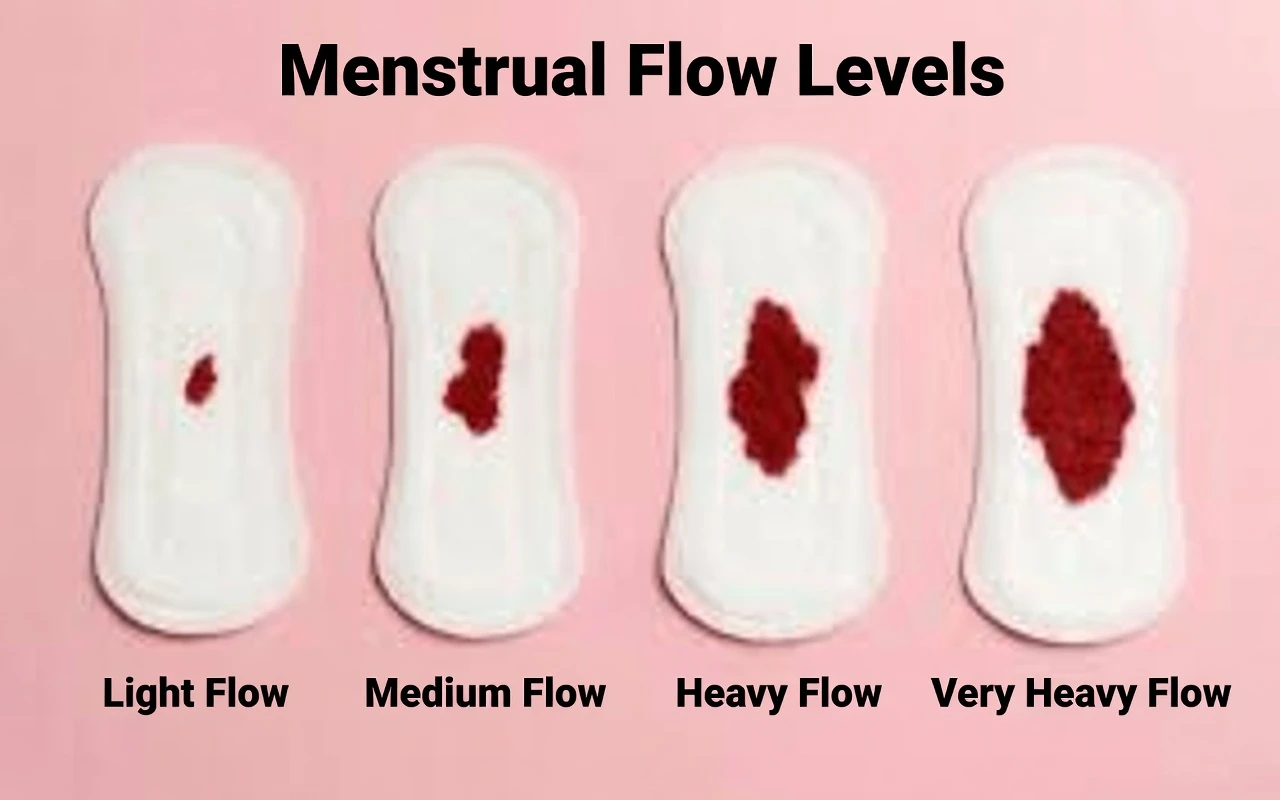
- Heavier-than-usual bleeding
- Any bleeding after menopause
Organizations such as the CDC and American Cancer Society list unusual vaginal bleeding as a key symptom that should be assessed. Cycle changes can happen for many reasons, but repeated or unexplained bleeding should not be ignored.
6) Persistent Pelvic Pain, Pressure, or Heaviness
A lingering ache in the lower abdomen or pelvis—especially a pressure-like sensation—can interfere with sleep, movement, and daily comfort.
Cancer specialists (including sources such as Moffitt Cancer Center) note that ongoing pelvic pain may be related to changes in the cervical area. It’s easy to blame workouts, posture, or general tension, but duration matters.
5) Ongoing Fatigue That Rest Doesn’t Fix
Feeling tired is common. The difference is fatigue that feels unusual for you, such as:
- Exhaustion after minor tasks
- Low energy that persists even with sleep
- Feeling “run down” for no clear reason
Oncology resources often mention fatigue as a symptom that can accompany many medical conditions. When fatigue appears alongside other changes, it becomes more significant.
4) Unintended Weight Loss
Losing weight without changing diet or activity can sometimes be overlooked—or even welcomed at first. Still, unexplained weight loss may reflect reduced appetite or broader metabolic changes. If others notice before you do, take it seriously and consider documenting how much you’ve lost and over what time period.
3) Chronic Lower Back Pain That Doesn’t Add Up
Lower back pain is extremely common, but pay attention if it is:
- Persistent and gradually worsening
- Radiating or difficult to explain
- Not linked to clear strain or injury
Health education sources (including Harvard Health) note that ongoing back pain can sometimes relate to issues involving nearby structures. If it continues despite rest and basic care, it deserves a closer look.
2) Swelling in the Legs or Ankles
Swollen ankles or legs—especially swelling that persists—should be mentioned to a clinician. While long hours standing can cause puffiness, ongoing swelling may also relate to fluid buildup and lymphatic effects (more often discussed in advanced disease contexts). The key is persistence and progression, not a one-off day.
1) Changes in Urination (Frequency, Burning, Difficulty)
Urinary changes can include:
- Frequent urges to urinate
- Burning or discomfort
- Difficulty emptying the bladder fully
The National Cancer Institute notes that pressure on the bladder can contribute to urinary symptoms. Many people assume it’s caffeine, aging, or a UTI—yet persistent urinary changes, especially with other symptoms, should be evaluated.
Quick Reference: Everyday Causes vs. When to Pay Extra Attention
| Sign | Common Everyday Explanation | When It May Need Medical Evaluation (Per Medical Sources) |
|---|---|---|
| Unusual discharge | Hormonal changes, minor infection | Persistent watery, bloody, or foul-smelling discharge |
| Pain during sex | Dryness, stress, irritation | Ongoing pain or bleeding linked to tissue changes |
| Abnormal bleeding | Irregular cycles, perimenopause | Spotting between periods or any post-menopausal bleeding |
| Pelvic discomfort | Muscle strain, ovulation | Persistent pelvic pressure or ache |
| Fatigue | Poor sleep, busy lifestyle | Deep fatigue that doesn’t improve and appears with other signs |
| Weight loss | Diet/activity change | Unexplained weight loss without lifestyle changes |
| Lower back pain | Posture, lifting, desk work | Chronic or radiating pain that persists |
| Leg/ankle swelling | Standing too long | Persistent swelling that does not resolve |
| Urinary changes | Caffeine, UTI | Ongoing frequency/burning, especially with other symptoms |
Tip: Patterns and duration often matter more than any single day. A brief symptom journal can make your doctor visit far more productive.
Practical Steps You Can Take Today
- Track symptoms consistently: Use a notebook or app to record what you notice, when it happens, how long it lasts, and anything that seems to trigger it.
- Stay current with screening: Follow recommended Pap and HPV testing intervals (often every 3–5 years depending on age and history—your clinician will tailor this).
- Support your overall health: Balanced nutrition, regular movement, avoiding smoking, and discussing HPV vaccination (if eligible) can be helpful.
- Speak up early: Bringing concerns to a trusted gynecologist sooner can reduce anxiety and speed up answers.
If you experience heavy bleeding, severe pain, or rapidly worsening symptoms, seek medical care promptly.
Key Takeaways and FAQ
Paying attention to possible warning signs is not about panic—it’s about being informed and proactive. Cervical cancer is often silent early on, which is why screening is essential, but persistent changes should never be dismissed.
FAQ
-
What is the most common early sign of cervical cancer?
Unusual vaginal bleeding—such as bleeding between periods or after sex—is frequently highlighted by the American Cancer Society and Mayo Clinic. -
Can cervical cancer be detected early even without symptoms?
Yes. Pap smears and HPV tests can identify precancerous changes before symptoms develop, which is why routine screening is so valuable. -
How often should cervical cancer screening be done?
It depends on age, past results, and risk factors. Many people follow screening every 3–5 years, but your healthcare provider can recommend the right schedule for you.
Disclaimer: This article is for informational purposes only and does not replace professional medical advice. Always consult a qualified healthcare provider about symptoms, diagnosis, and treatment decisions.