
Amlodipine is among the most widely prescribed medications for high blood pressure, helping millions keep hypertension under control. Still, many people notice unexpected changes after starting it—ankle swelling that makes shoes feel snug, lingering tiredness, or other subtle shifts that are easy to dismiss as “just aging” or everyday stress. Even when side effects are medically manageable, they can quietly reduce comfort, limit mobility, and make it harder to feel confident about staying on treatment. Knowing what to watch for can lead to better conversations with your clinician and stronger long-term well-being.
What if some of these under-discussed effects are more common than you think—supported by clinical evidence and real-world patient reports? Below are 12 amlodipine side effects worth paying attention to, based on prescribing information, trials, and postmarketing data, so you can feel prepared rather than caught off guard.
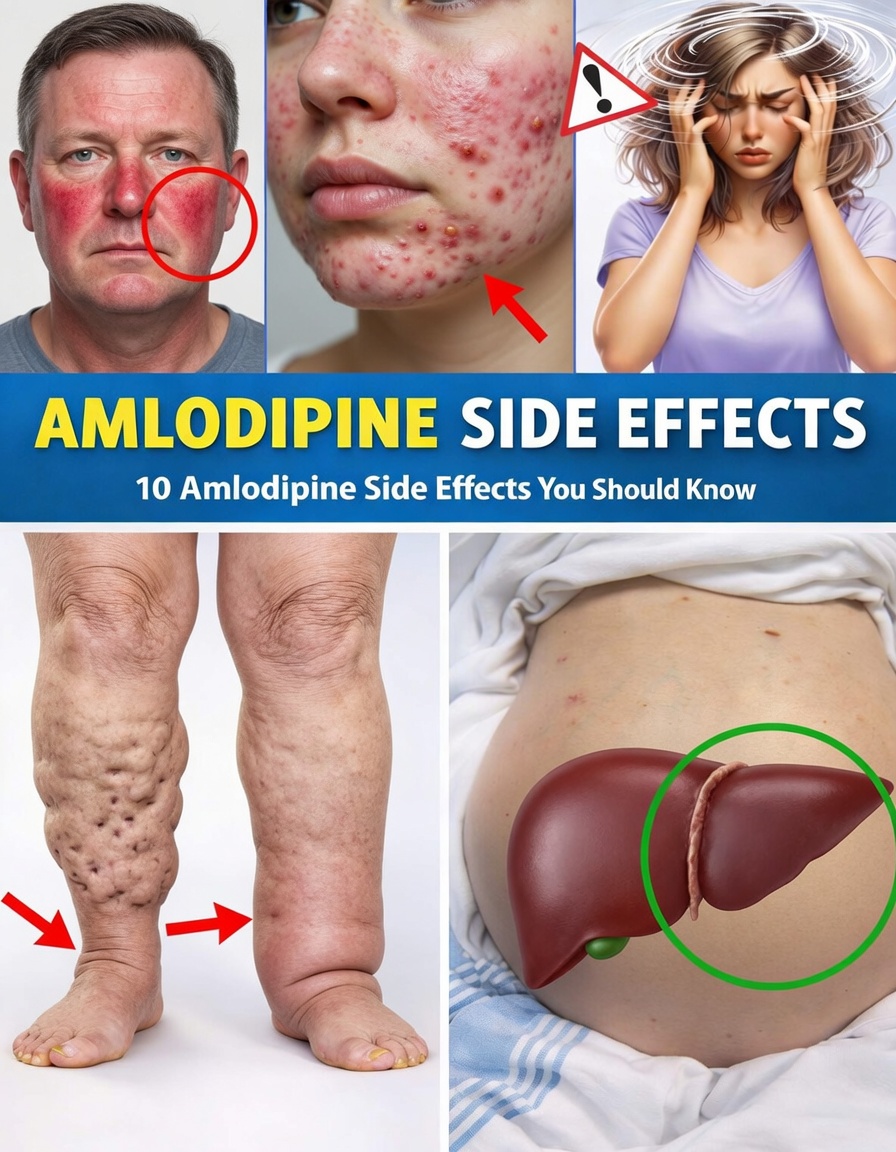
Why Amlodipine Side Effects Often Go Unnoticed
If you’re over 50 and treating hypertension, it’s easy to blame gradual changes—like puffy ankles or reduced energy—on age, routine, or other health conditions. However, clinical trials and safety surveillance show that certain reactions occur more often than many patients expect. Risk can also vary by:
- Dose (higher doses generally increase side effects)
- Sex (women may have higher rates of some reactions)
- Individual factors (standing for long hours, warm weather, other medications, and more)
Even effects labeled “mild” can feel significant when they interfere with walking, sleep, work, or daily confidence. The good news: awareness often leads to simple adjustments that improve tolerability.
Side Effect 1: Swollen Ankles and Legs (Peripheral Edema)
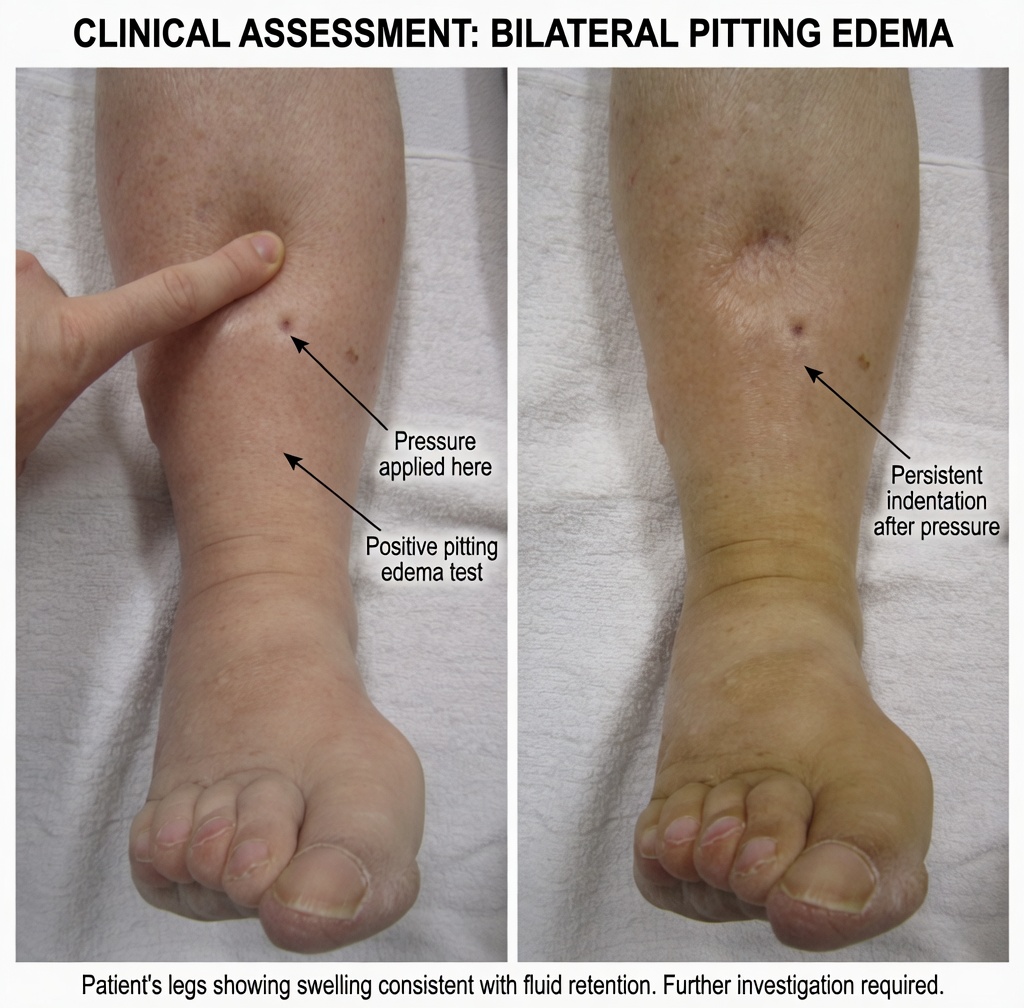
Peripheral edema is one of the most frequently reported issues with amlodipine. Because the medication relaxes blood vessels, fluid can pool in the lower legs and ankles—often worse later in the day or after prolonged standing.
Data from prescribing information and analyses report edema rates up to 10.8% at 10 mg (versus 0.6% with placebo), and some contexts report rates near 16.6%. It also appears dose-dependent and may be more common in women (reported as high as 14.6% vs. 5.6% in men in some sources).
What may help (with clinician guidance):
- Elevating legs
- Compression strategies when appropriate
- Reviewing dose and timing
- Considering compatible add-on therapy
Side Effect 2: Possible Liver-Related Effects (Uncommon)
Liver concerns are rare, but postmarketing reports and case reports have linked amlodipine to elevated liver enzymes or unusual idiosyncratic reactions.
If you develop unexplained fatigue, abdominal discomfort, or unusual symptoms, your clinician may recommend blood tests to check liver function. When identified early, many cases improve after medication adjustments.
Side Effect 3: Heart Palpitations
Some people describe fluttering, pounding, or awareness of the heartbeat after starting or increasing amlodipine. This can be related to the medication’s blood-vessel–relaxing effects.
Clinical trials report palpitations in up to 4.5% at higher doses, with some evidence suggesting women may be more affected. Often these sensations are not dangerous, but it’s important to mention them so other causes can be ruled out and comfort can be improved.
Side Effect 4: Gum Overgrowth (Gingival Hyperplasia)
Amlodipine can sometimes trigger gum tissue thickening or overgrowth, which can affect appearance, dental cleaning, and oral health. Research estimates this occurs in roughly 1.7%–3.4% of users, more often with longer use or higher doses.
Helpful steps:
- Careful daily oral hygiene
- Regular dental cleanings and checkups
- Discussing medication alternatives if changes persist (some cases improve after switching)
Quick Snapshot: Reported Rates in Key Sources
- Peripheral edema: up to 10.8%–16.6% (dose-related; higher rates reported in women)
- Palpitations: up to 4.5%
- Fatigue: around 4.5%
- Flushing: up to 2.6%
- Dizziness: around 3.4%
- Gum overgrowth: about 1.7%–3.4%
Mid-Article Check-In: What Stands Out to You?
Take a moment to reflect: On a scale from 1–10, how much has your understanding of amlodipine side effects changed? Identifying the one symptom that concerns you most can make your next medical appointment more focused and productive.
Side Effect 5: Dizziness and Other Neurologic Sensations
Lightheadedness, especially when standing quickly, may occur due to blood pressure shifts. Trials report dizziness in about 3.4% of users. Some people also notice tingling or mild sensations that feel “neuropathy-like.”
Practical ways to reduce risk:
- Stand up slowly (especially from bed or a chair)
- Note when dizziness happens (time of day, after meals, after exercise)
- Review readings and symptoms with your clinician if persistent
Side Effect 6: Nausea and Digestive Upset
Some users report nausea or stomach discomfort, with studies noting rates around 2.9%. While unpleasant, it often improves as the body adapts.
Supportive strategies:
- Smaller, more frequent meals
- Adequate hydration
- Tracking triggers (e.g., taking the dose on an empty stomach)
Side Effect 7: Facial Flushing
Facial warmth or redness can happen as blood vessels widen. Reports show flushing in up to 2.6%, and it may be more common in women. Episodes are typically brief but can feel noticeable or embarrassing.
What may help:
- Cooler environments
- Adjusting dose timing (only with clinician input)
- Noting whether flushing clusters around specific activities or meals
Side Effect 8: Persistent Fatigue
Ongoing tiredness—even with sufficient rest—can affect work, hobbies, and exercise. Fatigue is reported around 4.5% in some trial data and may develop gradually.
Consider tracking:
- Sleep quality and duration
- Activity levels
- Timing of fatigue relative to dose
- Blood pressure readings when symptoms occur
Side Effect 9: Muscle Cramps and Stiffness
Muscle aches, cramps, or stiffness are less commonly highlighted, but they can interfere with comfort and mobility. These effects may relate to calcium-channel activity in muscles and blood vessels.
Common supportive measures:
- Gentle stretching
- Hydration
- Light movement and warm-up routines
Persistent symptoms deserve a clinical review, though ongoing issues after stopping are considered uncommon.
Side Effect 10: Mood or Sleep Changes
Some people report insomnia, unusual dreams, or low mood in real-world safety reports. These symptoms are not always clearly caused by amlodipine, but they are important to document—especially if they start after a dose change.
Helpful actions:
- Keep sleep and mood notes for a few weeks
- Strengthen sleep habits (consistent schedule, caffeine timing, wind-down routine)
- Discuss patterns with a healthcare professional
Side Effect 11: Episodes of Low Blood Pressure
Even when prescribed appropriately, some individuals—particularly older adults—can experience blood pressure dips, leading to dizziness or near-fainting, especially when standing (orthostatic changes).
Risk-reduction steps:
- Home blood pressure monitoring (share logs with your clinician)
- Slow position changes
- Reviewing other medications that may amplify lowering effects
Side Effect 12: Breathing-Related Symptoms (Rare but Important)
Rare reports include shortness of breath or issues potentially connected to fluid shifts. These are uncommon, but they should be addressed promptly—especially if symptoms are new, worsening, or accompanied by swelling or chest discomfort.

What Increases Risk—and What You Can Do Next
Side effect likelihood can be influenced by:
- Dose (higher doses often bring more edema, flushing, and palpitations)
- Sex (women may experience higher rates of some effects)
- Age and circulation changes
- Environment and habits (heat exposure, long periods of standing, higher salt intake)
A simple symptom-monitoring plan
- First month: record symptoms daily (swelling, fatigue, dizziness, palpitations, sleep changes)
- Months 3–6: review trends with your clinician and consider adjustments if needed
- Ongoing: support treatment with lifestyle habits (movement, lower-sodium eating pattern, hydration)
Bringing a concise symptom log to appointments often leads to clearer decisions and more personalized care.
Moving Forward With Confidence
Uncertainty tends to shrink when you have a plan. Many people find that simply naming and tracking side effects leads to small changes—dose adjustments, timing changes, or supportive strategies—that restore comfort while keeping blood pressure controlled. Start today by noting any patterns you’ve been ignoring, then discuss them soon with your healthcare provider.
Frequently Asked Questions
What should I do if I develop swelling while taking amlodipine?
Leg elevation may help, and compression may be appropriate for some people. Most importantly, contact your clinician—they may adjust the dose, change timing, or add supportive treatment depending on your situation.
Are side effects more likely at higher doses?
Yes. Effects such as peripheral edema, flushing, and palpitations are commonly reported as dose-related, which is why clinicians often start low and adjust gradually.
Do amlodipine side effects sometimes improve over time?
Some symptoms lessen as your body adapts. If a side effect is persistent, worsening, or affecting daily life, it’s worth a medication review rather than waiting it out.
Disclaimer
This article is for informational purposes only and does not replace professional medical advice. Side effects vary by individual, and reported rates come from studies and may not apply to everyone. Always consult your healthcare provider about symptoms, concerns, or medication changes—do not stop or adjust amlodipine on your own.