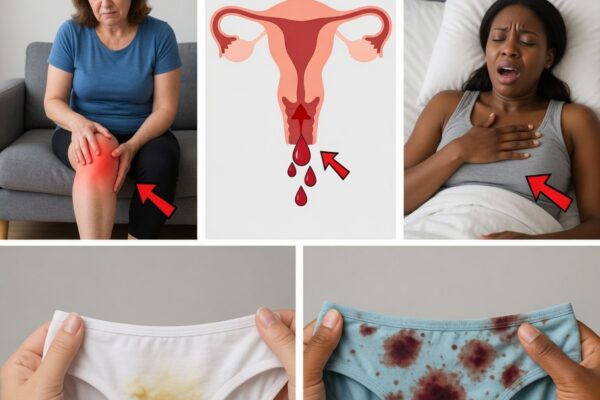
Have you ever noticed a nagging ache or sudden stab on the right side of your body and wondered what it means? Right-side discomfort can be as harmless as post-workout soreness—or intense enough to interrupt your day and trigger real concern. Many people try to “wait it out,” but ongoing pain in the upper abdomen, lower belly, or flank can sometimes be your body’s way of flagging an issue involving the liver, gallbladder, appendix, or right kidney.
The reassuring part: in many cases, the exact location, the type of pain, and any additional symptoms provide strong clues. Understanding those patterns helps you respond wisely—and recognize when it’s time to get checked.
In this guide, you’ll learn the most common causes of right-side pain by region, key warning signs to watch for, and practical steps to track symptoms starting today. You’ll also find simple daily habits that support overall health and help you act faster if the pain returns.

Understanding Right-Side Pain: Why Location Matters
Think of your body like a map: different zones correspond to different organs and systems. The right side includes parts of the digestive tract, the urinary system, and the muscles and ribs that support your core. Because of this, identifying where the pain sits is often the quickest way for healthcare professionals to narrow down possible causes.
Right-side pain can present in multiple ways:
- Dull and persistent
- Sharp, stabbing, or cramping
- Wave-like (comes and goes)
- Local or radiating (toward the back, shoulder, or groin)
It can also change with factors such as meals, movement, and time of day. While many triggers are not dangerous, certain causes can worsen without timely care—so recognizing patterns matters.
Upper Right Abdominal Pain (Under the Ribs)
Pain beneath the right rib cage often points to organs involved in digestion and filtration, especially the liver and gallbladder.
- Liver-related causes: Conditions such as fat buildup in the liver or inflammation may create a low-grade, steady ache. Some people also notice fatigue, reduced appetite, or skin/eye color changes. Lifestyle factors commonly influence liver health.
- Gallbladder problems: Gallstones or gallbladder inflammation can cause sudden, intense cramping, frequently after greasy or high-fat meals. Pain may spread to the upper back or right shoulder, and many describe it as severe and gripping.
- Less common sources: In some cases, pain in this region can be “referred” from the right kidney or even certain lung conditions, though this is not the most typical pattern.
A useful self-check: note whether episodes reliably follow heavy meals, especially foods high in fat. That connection is valuable to share with a clinician.
Lower Right Abdominal Pain
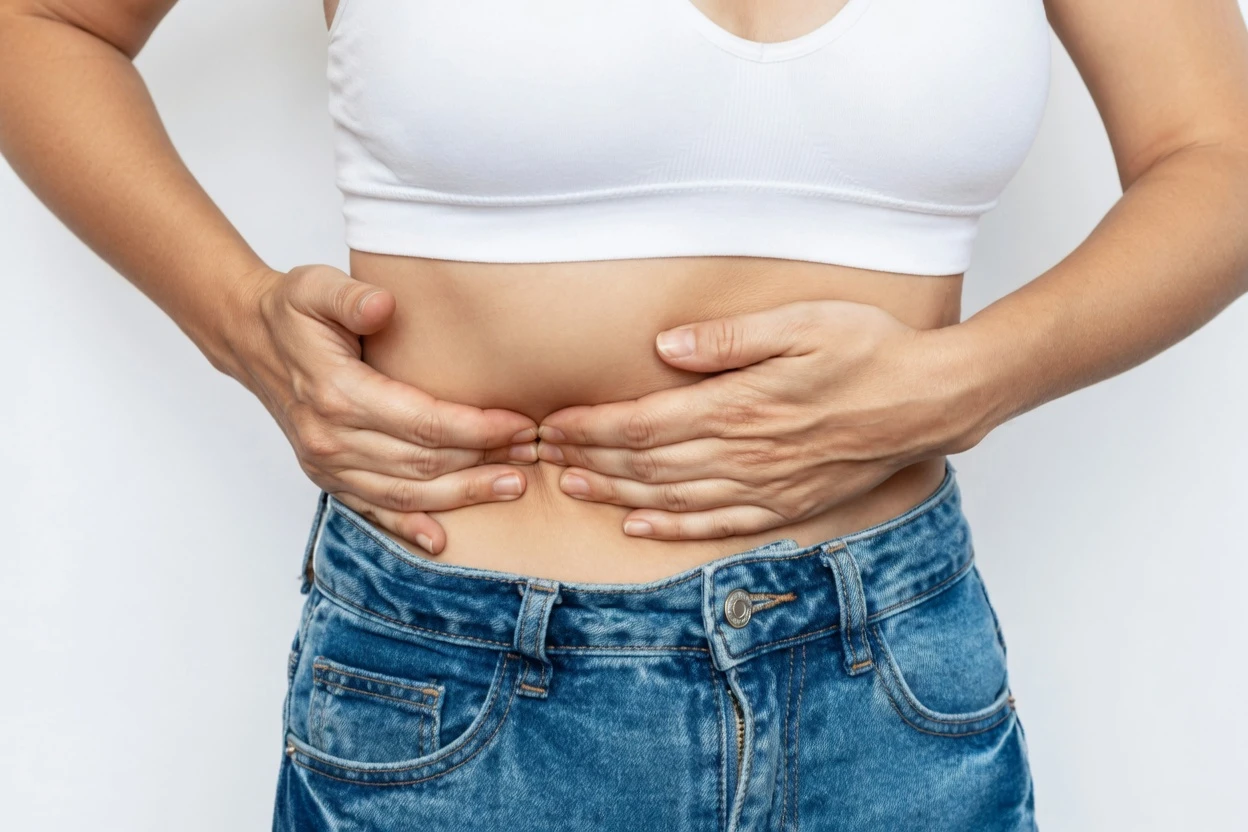
Discomfort in the lower right abdomen commonly involves the digestive system and, in some people, reproductive organs.
- Appendix inflammation (appendicitis): Classic appendicitis may begin as vague discomfort near the belly button and then shift to the lower right side. Pain often worsens with movement, and may come with nausea or a low fever. This situation can be time-sensitive.
- Digestive issues: Constipation, intestinal irritation, or irritable bowel patterns may lead to cramping, bloating, and intermittent pain that fluctuates with bowel habits.
- Women’s health considerations: Ovarian cysts and other pelvic conditions can cause lower-right pain, sometimes alongside cycle changes, pelvic pressure, or sudden sharp discomfort.
Quick pattern guide (not a diagnosis)
- Pain starts near the navel, shifts lower right + nausea/fever → Possible appendix involvement
- Cramping with bloating or bowel changes → More consistent with digestive causes
- Sudden sharp lower-right pain in women → May involve pelvic structures
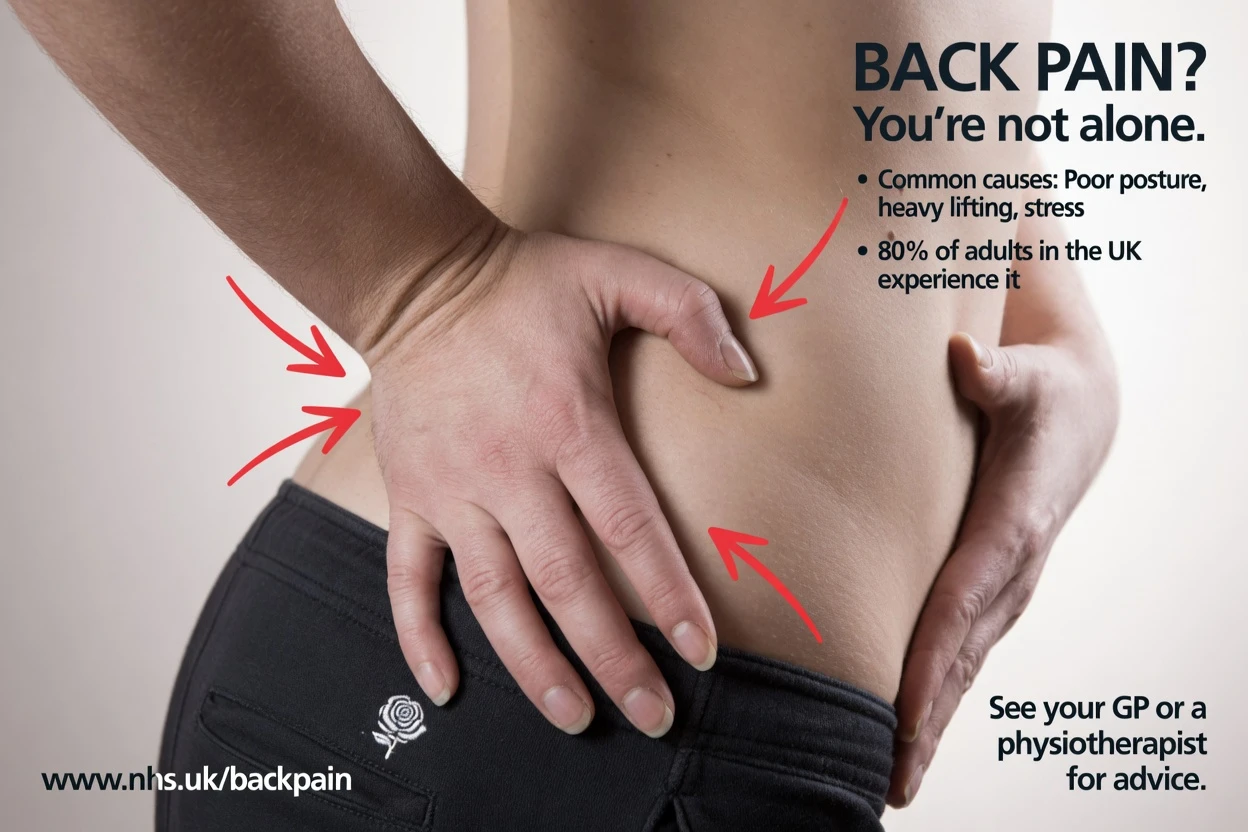
Right-Side Flank, Hip, or Back Pain
Pain along the right side of the back or flank can feel deep and intense—or like an ache that follows movement. Two common categories are urinary tract issues and muscle strain.
- Kidney-related causes: Kidney stones or infections can cause strong pain that often arrives in waves and may travel toward the groin or front of the abdomen. Watch for urinary signs such as burning, frequent urges, or blood in the urine.
- Musculoskeletal strain: Overuse, lifting, twisting, poor posture, or awkward sleeping positions can irritate muscles and connective tissue. This typically causes soreness that improves with rest and may feel worse with certain movements.
Many flank pains improve with conservative care, but pain that is severe, recurrent, or paired with urinary symptoms deserves evaluation.
When to Seek Medical Care Immediately
Not every ache needs emergency care, but certain warning signs should be treated as urgent. Go to urgent care or the emergency department if you have:
- Sudden, severe pain that rapidly escalates or won’t settle
- High fever, chills, or repeated vomiting
- Blood in urine or stool, or black/tarry stools
- Dizziness, fainting, rapid heartbeat, or feeling severely unwell
- Pain that worsens with movement or persists for hours without relief
Prompt assessment can prevent complications and speed up proper treatment.
Practical Steps You Can Take Today
If your symptoms are mild—or you’re waiting to be seen—these steps can help you monitor pain and support comfort:
- Log your symptoms: Write down location, timing, severity (1–10), and possible triggers (meals, exercise, stress). A phone note works well.
- Use rest or gentle heat: For suspected muscle strain, apply a warm compress for 15–20 minutes and avoid aggravating movements.
- Hydrate and keep meals simple: Water and bland foods can be easier on your system if digestion is involved.
- Avoid online self-diagnosis tools: They can miss important context and delay appropriate care.
- Book a medical check if pain returns: Recurring pain is worth discussing, and basic testing (labs or imaging) may be recommended depending on your symptoms.
These habits don’t just help in the moment—they also make your symptoms clearer and easier to evaluate.
Key Takeaway: Listen to What Your Body Is Telling You
Right-side pain can result from everyday issues like muscle strain, but it can also involve organs such as the liver, gallbladder, appendix, or kidneys. Paying attention to where it hurts, how it feels, and what symptoms come with it helps you decide whether to rest, monitor, or seek care.
Many cases resolve with time and basic self-care. The most important skill is recognizing red flags—and acting quickly when they appear.
Frequently Asked Questions
-
What might cause dull pain under my right ribs after eating?
This pattern is often linked to gallbladder function and how the body handles fatty meals. Tracking what you eat and when pain follows can be useful information for your provider. -
Is lower right abdominal pain always an emergency?
Not always. It can be caused by gas, constipation, or muscle strain. However, pain that rapidly worsens—especially with fever or nausea—should be evaluated promptly. -
Can a muscle strain feel like kidney pain on the right side?
Yes. Both can cause flank discomfort. Kidney-related causes are more likely to include urinary symptoms, while muscle pain often improves with rest and changes with movement.
Disclaimer
This article is for informational purposes only and does not replace professional medical advice, diagnosis, or treatment. Always consult a qualified healthcare provider for personalized guidance. Do not delay seeking medical care if symptoms are severe, persistent, or concerning.