
If your latest lab work shows elevated creatinine, it often indicates your kidneys are under extra strain while filtering waste from the bloodstream. That reality can feel stressful—especially when foods you love suddenly come with warning labels because of potassium and phosphorus. Many people end up stuck between confusing restrictions and meals that feel less enjoyable.
The encouraging part: you don’t have to eliminate fruit altogether. With the right choices and portions, fruit can still fit into a kidney-supportive eating pattern—without giving up taste or nutrition.

Why Fruit Choices Matter When Creatinine Is High
When kidney function declines, the body may have a harder time clearing excess potassium and phosphorus. If these minerals build up, they can increase the risk of health complications—so clinicians commonly advise people with kidney concerns to monitor potassium intake, including potassium from fruit.
Fruit brings major benefits—fiber, vitamins, hydration, and antioxidants—but potassium levels vary widely from one fruit to another. Kidney health organizations (including resources commonly referenced in clinical guidance) often emphasize that reducing high-potassium fruits can help maintain safer mineral balance.
The key takeaway: fruit is not automatically “off-limits.” Smart swaps and reasonable portions let you enjoy fruit while being gentler on your kidneys.
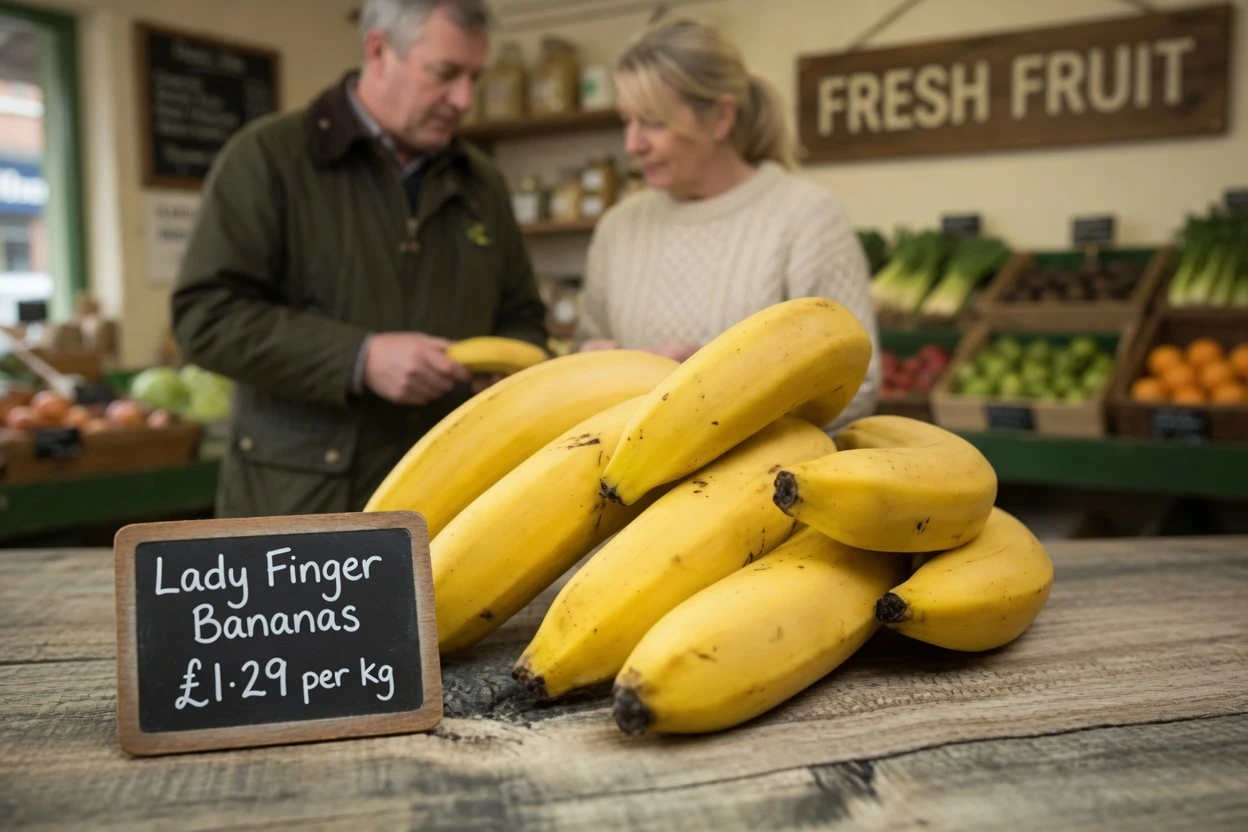
6 Fruits to Limit (or Avoid) Because They’re Higher in Potassium
Some widely loved fruits can deliver a large potassium dose in a typical serving. If your bloodwork already shows elevated potassium—or your care team has you on a potassium restriction—these are common ones to cut back on:
- Bananas — One medium banana provides roughly 422 mg potassium, making it one of the highest-potassium everyday fruits.
- Avocados — Even a small amount (about 1/4 of an avocado) can contain around 345 mg potassium, which surprises many people because avocados are often viewed as a “healthy” staple.
- Oranges and tangerines — A medium orange typically contains 230–250 mg potassium; for some people with more advanced kidney issues, the acidity may also be a consideration.
- Dried fruits (raisins, dried grapes, etc.) — Drying concentrates minerals. A small handful of raisins can exceed 500 mg potassium, depending on portion size.
- Durian — This tropical fruit is notably high in potassium and also contains substantial natural sugars, which can complicate dietary goals.
- Mangosteen — Tasty, but its potassium can add up quickly when servings increase.
Avoiding these doesn’t mean avoiding fruit—it simply means choosing options with a lower potassium profile more often.
3 Kidney-Friendlier Fruits (Lower Potassium, Big Benefits)
These alternatives can help satisfy cravings while keeping potassium more manageable—and they also provide helpful nutrients that support overall wellness.
1) Apples
Apples are often considered a safer, kidney-supportive fruit choice, with about 150–200 mg potassium per medium apple (with skin). They also provide soluble fiber, which supports digestion and can help meals feel more satisfying.
2) Strawberries and blueberries
Many berries are naturally lower in potassium. A typical ½-cup serving of:
- Strawberries contains about 117 mg potassium
- Blueberries contains about 57 mg potassium
They’re also rich in antioxidants such as vitamin C and anthocyanins, compounds studied for their role in supporting the body’s anti-inflammatory defenses—useful when the kidneys are under strain.
3) Red grapes
Red grapes offer a moderate potassium level (about 190 mg per ~20 grapes) and contain resveratrol, a compound associated in research with benefits related to circulation and cardiovascular support—an important consideration for many people managing kidney concerns.

Quick Comparison: Potassium in Common Fruits (Typical Servings)
- Banana (1 medium): ~422 mg
- Avocado (1/4 whole): ~345 mg
- Orange (1 medium): ~230 mg
- Apple (1 medium): ~195 mg
- Strawberries (½ cup): ~117 mg
- Blueberries (½ cup): ~57 mg
- Red grapes (~20 grapes): ~190 mg
These side-by-side numbers show how simple substitutions can significantly reduce potassium—without removing fruit from your diet.
Practical Ways to Add Kidney-Friendlier Fruits to Your Routine
Use these easy strategies to make lower-potassium fruit choices feel natural and sustainable:
- Upgrade breakfast gently — Add sliced apple to oatmeal or yogurt for sweetness without a big potassium jump.
- Plan smarter snacks — Keep washed strawberries or blueberries ready to go; aim for ½ cup as a portion guide.
- Change up textures — Eat red grapes as an afternoon snack, or freeze them for a refreshing alternative to popsicles.
- Stick to serving sizes — Portions matter as much as fruit type (especially with potassium management).
- Build balanced plates — Pair fruit with lower-potassium options recommended by your care plan (specific choices vary by person).
- Track and personalize — Note what you eat and how you feel, then review patterns with your clinician or a renal dietitian to fine-tune your approach.
Conclusion: Small Fruit Swaps Can Meaningfully Support Your Kidneys
Choosing lower-potassium fruits—such as apples, strawberries, blueberries, and red grapes—can help you enjoy flavorful, nutrient-dense foods while staying mindful of elevated creatinine and kidney workload. These fruits also provide fiber and antioxidants, making healthy eating feel less restrictive and more rewarding.
By reducing higher-potassium options like bananas, avocados, and dried fruits, you take a practical step toward supporting kidney health in everyday life.
FAQ
Can I ever eat bananas if I miss them?
Sometimes, yes. Many people can occasionally fit in a small portion (such as half a banana) depending on their blood potassium levels and medical guidance. Confirm with your doctor or dietitian.
Are all berries kidney-friendly?
Many berries—including strawberries and blueberries—are relatively low in potassium and commonly recommended in kidney-conscious meal plans. Keep portions appropriate and verify with your healthcare provider.
How can I tell if fruit is pushing my potassium too high?
The most reliable way is through regular blood tests. A registered dietitian can help tailor fruit selection and portion sizes to your specific lab results and treatment plan.
Disclaimer: This article is for informational purposes only and does not provide medical advice. Nutrition needs vary widely, especially with kidney concerns and elevated creatinine. Always consult your physician or a registered dietitian before changing your diet.