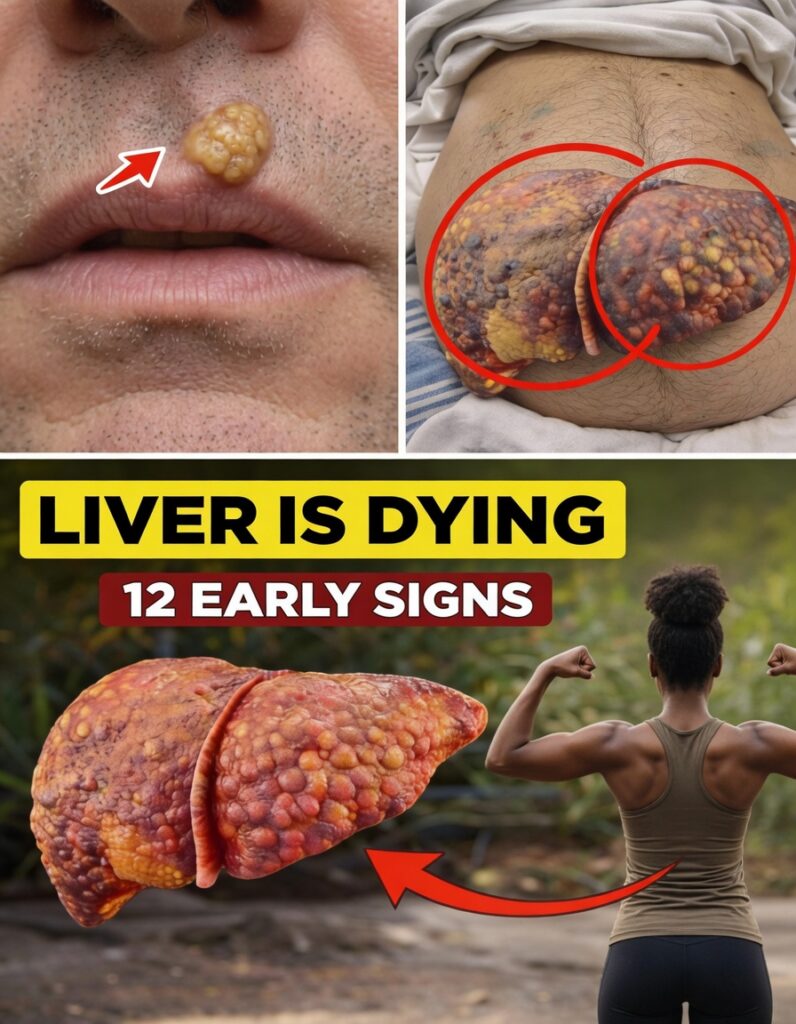
Many people barely think about their liver until something doesn’t feel quite right. Yet with today’s processed, sugar-heavy diets—and the steady rise in metabolic problems—liver strain is increasingly common. Research suggests metabolic dysfunction–associated steatotic liver disease (MASLD) (often known as non-alcoholic fatty liver disease) now affects roughly 30% or more of adults in many countries, and the trend continues upward alongside obesity and sedentary lifestyles. In the United States alone, millions may have MASLD without realizing it, especially early on when symptoms can be mild or absent.
Those early changes often show up as everyday annoyances—persistent fatigue, vague digestive discomfort, or feeling “off”—and they’re frequently dismissed as stress, aging, or lack of sleep. The encouraging part is that the liver is remarkably adaptable, and it often responds well to consistent lifestyle improvements. Below you’ll find 12 unusual signs of possible liver stress based on commonly cited clinical observations, along with practical, evidence-informed habits you can start at home. Stay to the end for a simple routine many people use as a daily reset.
Why Liver Health Matters More Than You Think
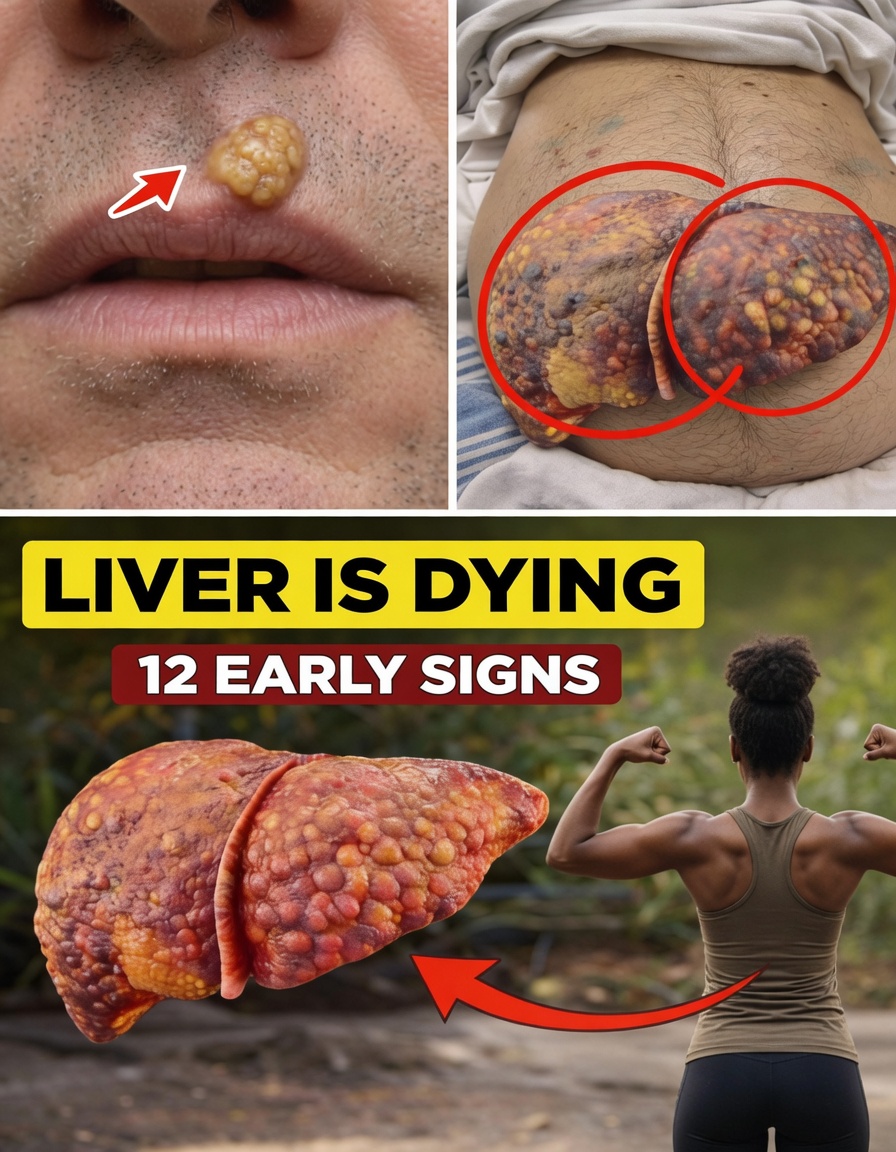
Your liver supports 500+ essential functions, including:
- Filtering and breaking down toxins
- Processing nutrients from food
- Supporting digestion through bile production
- Regulating blood sugar and energy storage
- Helping manage hormones and cholesterol
When the liver is under long-term pressure—such as from fat accumulation, chronic inflammation, or metabolic dysfunction—the body may send subtle signals well before serious complications develop. Medical organizations and major clinical resources (including Mayo Clinic and Cleveland Clinic) consistently emphasize that early awareness plus lifestyle changes can meaningfully improve outcomes.
If you’ve noticed unexplained shifts in energy, digestion, or skin changes lately, you’re far from alone—many people begin connecting these patterns in midlife.
12 Unusual Signs That Could Indicate Liver Stress
These signs are not diagnostic on their own, but if you notice multiple changes at the same time, it’s wise to discuss them with a healthcare professional.
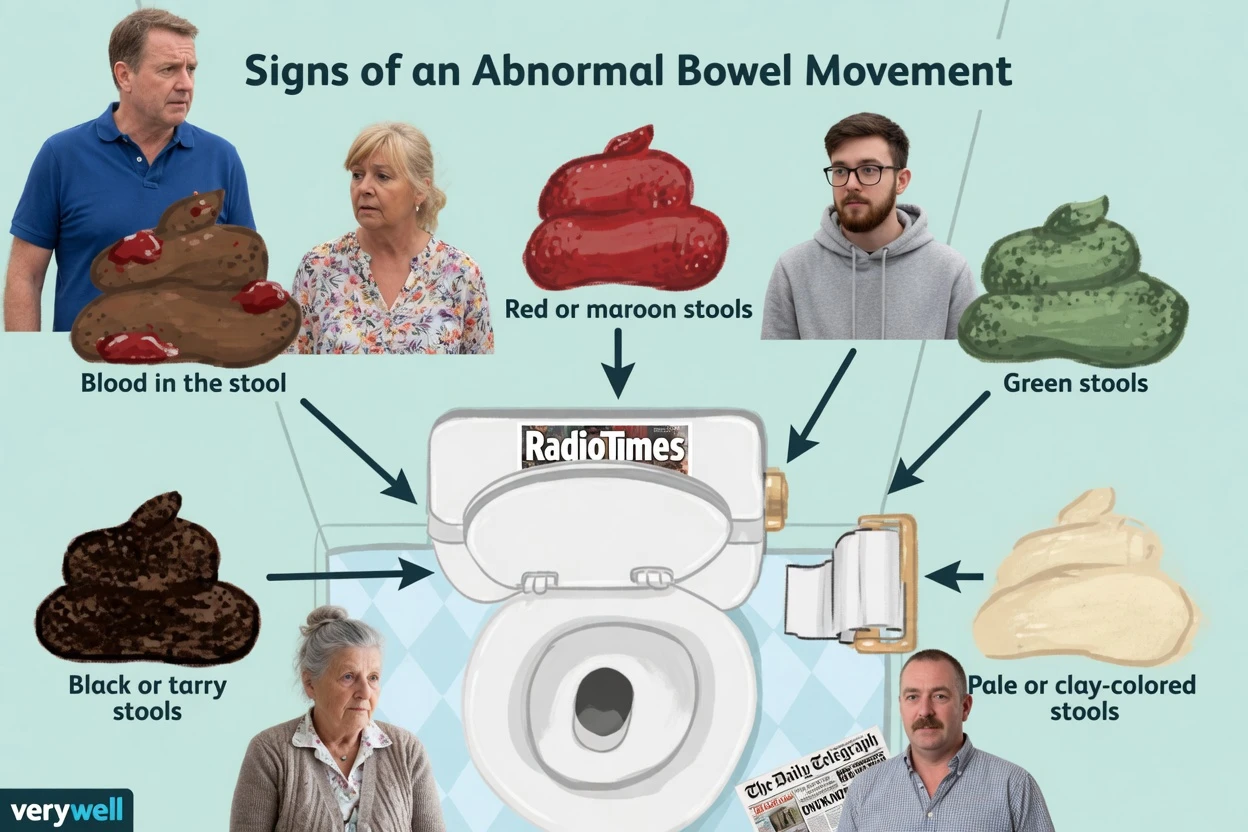
1) Pale or clay-colored stools
Stool is usually brown because of bile. When bile flow is reduced, stools may look light, grayish, pale, or sometimes greasy and floating.
2) Trouble seeing in dim light
Liver challenges can affect the handling of fat-soluble vitamins, including vitamin A, which may contribute to night-vision difficulties or dry eyes.
3) Swelling in the right ankle or foot (often uneven)
Fluid retention related to circulation changes—such as increased pressure in the portal system—can cause pitting edema, sometimes more noticeable on one side.
4) Small yellow bumps on the eyelids
These deposits, called xanthelasma, can appear when cholesterol and lipid processing is impaired.
5) Discomfort under the right ribs after eating
A feeling of heaviness, pressure, or mild pain in the upper right abdomen may be linked to bile flow problems or low-grade inflammation.
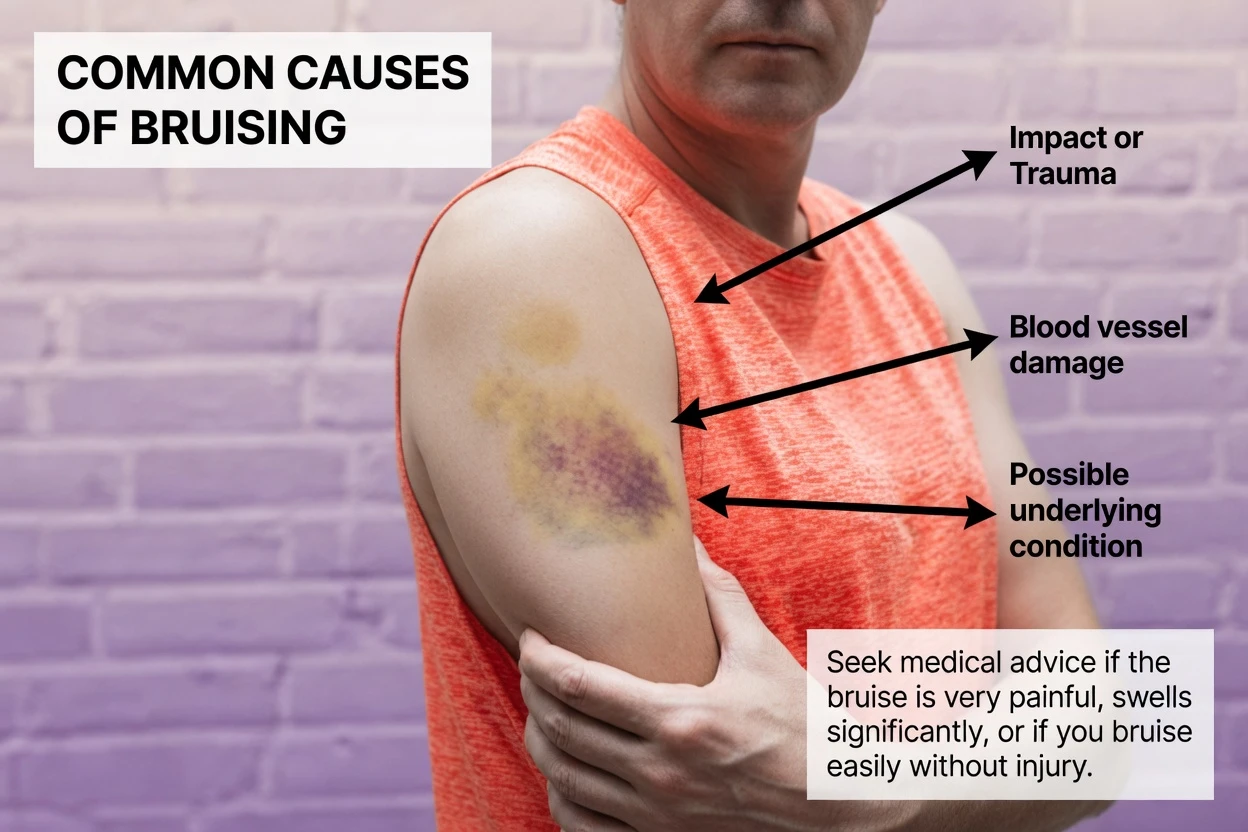
6) Easy bruising or tiny red/purple spots
Because the liver helps make clotting factors, reduced function may lead to bruising more easily or small pinpoint marks.
7) Cracked heels that don’t improve
Persistent dryness and skin cracking can be influenced by nutrient imbalance and skin barrier changes that may occur with liver strain.
8) Strong itching on palms or soles (often worse at night)
When bile acids build up, itching can become intense—sometimes most noticeable in the hands and feet.
9) Fingernail changes
Nails may look unusually pale, whitish, or altered in shape. In more advanced situations, clubbing or other visible changes can occur.
10) Dark urine (cola-colored)
Excess bilirubin can darken urine when the liver struggles to process and clear it properly.
11) Yellowing of skin or eyes
This is jaundice—a clearer warning sign of bilirubin buildup. If you notice this, seek medical evaluation promptly.
12) Spider-like veins on the skin
These small web-like vessels, often called spider angiomas, may appear when the body’s hormone handling changes.
Noticing patterns early can be empowering—it creates an opportunity to take supportive steps before problems progress.
Real-World Examples of Positive Change
People often report meaningful improvements after consistent, realistic adjustments:
- A woman in her late 40s dealing with fatigue and pale stools focused on reducing added sugar and increasing leafy greens; over several weeks, her energy and digestion gradually improved.
- A man in his 50s experiencing right-side discomfort and ankle swelling added regular movement and swapped processed fats for healthier ones, noticing better day-to-day comfort.
While individual results vary, these stories point to a common theme: small, steady changes often compound into noticeable benefits.
Practical Ways to Support Your Liver Naturally
Major health organizations repeatedly highlight lifestyle as the foundation for liver health—especially for MASLD and metabolic risk. Aim for sustainable habits, not extreme cleanses or rapid “detox” trends.
Foundational Habits (Start Here)
- Cut back on added sugar and ultra-processed foods to reduce liver overload.
- Eat more sulfur-rich foods that support natural detox pathways, such as:
- garlic, onions
- broccoli, cruciferous vegetables
- eggs
- Consider moderate coffee intake if tolerated; compounds in coffee have been studied for liver-supportive effects.
- Use turmeric in meals to support inflammation balance.
- Hydrate consistently, and consider water with fresh lemon to support overall digestion and bile flow.
Next-Level Steps (Build Momentum)
- Time-restricted eating: Try a gentle overnight break like 10–12 hours to give the liver a rest.
- Choose healthier fats:
- extra virgin olive oil
- avocados
- nuts and seeds (as tolerated)
- Add bitter greens that may support bile stimulation:
- arugula
- dandelion greens
- Consider supportive herbs often studied for liver benefits:
- milk thistle
- ginger
Ongoing Support (Make It Stick)
- Move regularly: walking, cycling, light strength training, or gentle yoga all count.
- Reduce avoidable toxin exposure and avoid overusing medications known to stress the liver, including acetaminophen (follow label directions and medical guidance).
- Aim for balanced protein from options like eggs, fish, and other nutrient-dense sources.
A Simple 4-Week Quick-Start Timeline
- Week 1: Reduce excess sugar; add lemon water and leafy greens. Many people notice steadier energy.
- Week 2: Add sulfur foods plus moderate coffee or turmeric; digestion may feel smoother.
- Week 3: Experiment with a consistent eating window; vitality often improves for some.
- Week 4: Layer in movement and (if appropriate) herbs; focus on long-term consistency.
- Tip: Combine turmeric with a pinch of black pepper to improve absorption.
Why Daily Consistency Makes the Biggest Difference
The most meaningful results usually come from stacking simple habits over time. Many people report gradual improvements in energy, clearer skin, and better overall well-being. With steady support, the liver’s ability to adapt and recover can be impressive.
This article is for informational purposes only and is not a substitute for professional medical advice. Always consult a qualified healthcare provider before making health changes—especially if you have symptoms, take medications, or have a medical condition.
FAQ
What are the most common early signs of liver stress?
Common early clues include fatigue, mild discomfort on the upper right side, and changes in stool or urine color, as noted by clinical resources such as Mayo Clinic.
Can lifestyle changes really improve liver health?
Yes. The strongest evidence supports weight management, balanced nutrition, reduced sugar intake, and regular exercise as key ways to support liver function—particularly in MASLD.
When should I see a doctor about possible liver issues?
Seek medical care promptly if you notice jaundice, significant swelling, severe fatigue, persistent symptoms, or ongoing changes in stool/urine color. A clinician may recommend blood tests and/or imaging to evaluate liver health.
Your body does a lot behind the scenes every day. Supporting your liver with small, consistent choices can make a meaningful difference—starting today.