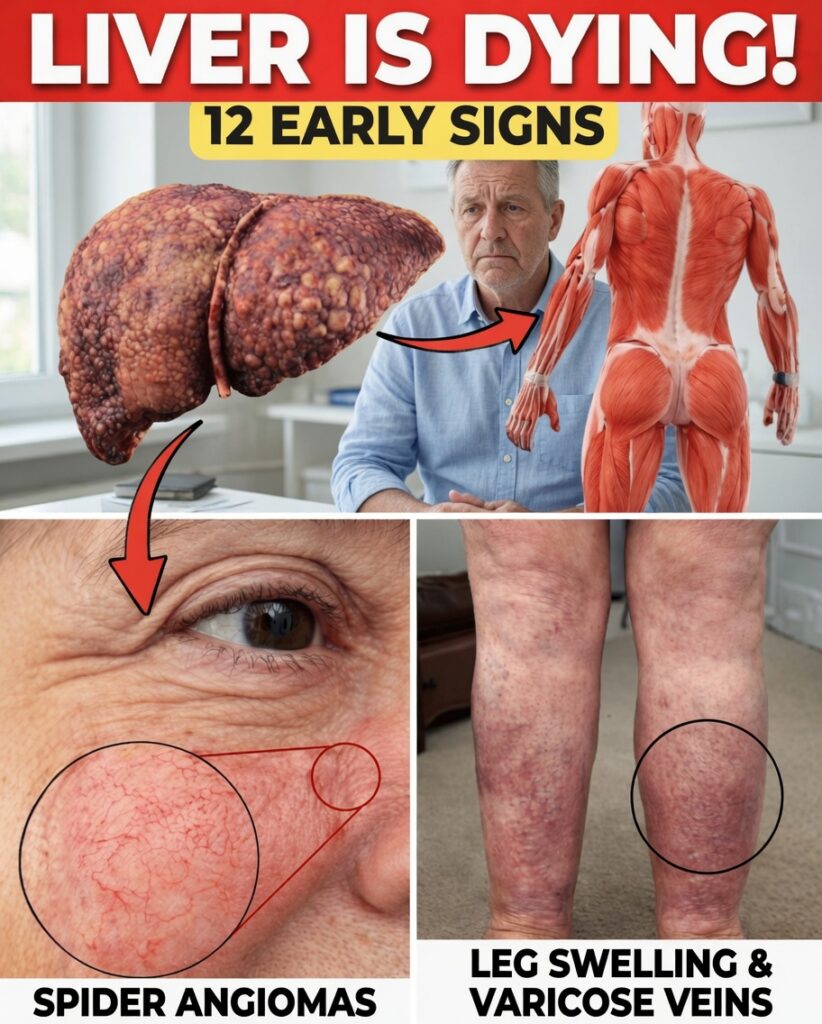
Liver problems often progress silently, so many people don’t realize anything is wrong until complications develop. Leading medical organizations such as the Mayo Clinic and Cleveland Clinic note that chronic liver disease may cause few (or no) clear symptoms early on. Still, subtle shifts can appear as the liver works harder to filter toxins, manage nutrients, and keep the body in balance.
One of the most common concerns is non-alcoholic fatty liver disease (NAFLD). Recent research estimates suggest it may affect roughly 30–38% of adults in the United States, depending on the population studied. Over time, everyday factors—such as food choices, alcohol intake, and body weight—can increase strain. Recognizing early clues can help you make supportive lifestyle changes before the condition worsens.
If you’ve been wondering whether persistent fatigue or small changes in your skin could mean something more, this guide covers 12 medically supported signs to watch for, what they may indicate, and practical ways to support liver health. Stay to the end for a simple action plan many people find useful.
Why Your Liver Matters (and How It Gets Overloaded)
Your liver is a high-performance organ that works 24/7 to:
- Filter and clean the blood
- Break down nutrients from food
- Process medications and alcohol
- Support digestion by producing bile
- Help regulate energy and metabolism
However, modern routines—processed foods, occasional heavy drinking, chronic stress, and weight gain—can push the liver to work overtime. Public health research (including data highlighted by the CDC) also points to a rise in fatty liver conditions, commonly connected to metabolic risk factors.
The encouraging part: the liver can often recover or improve when supported early. The key is not ignoring small changes that may signal increasing strain.
12 Subtle Signs Your Liver May Be Under Strain
1) Easy Bruising or Tiny Red Spots on the Skin
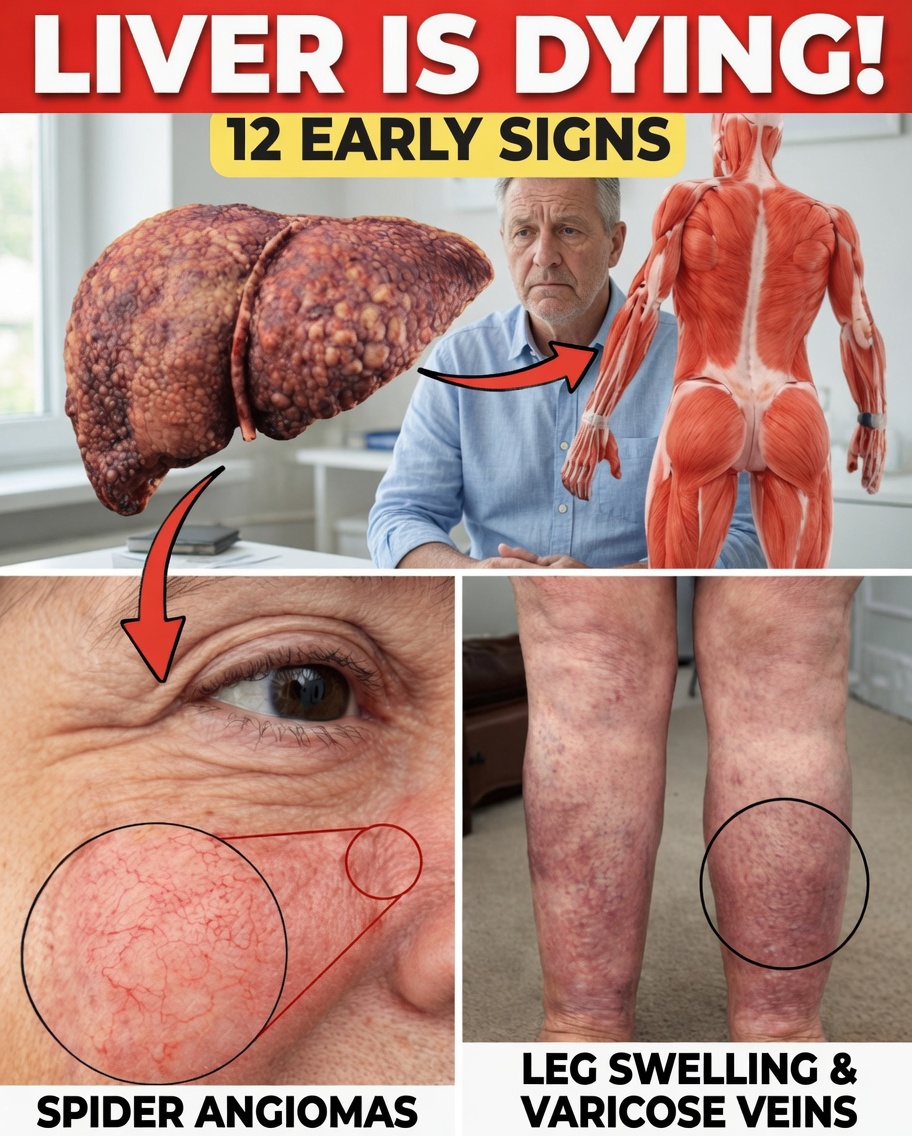
Do bruises show up after minor bumps, or are you noticing small red dots on the skin (such as cherry angiomas or petechiae)? The liver helps produce proteins needed for blood clotting. When liver function is compromised, clotting factors may decrease, which can make bruising more likely.
This can be mistaken for “normal aging,” but frequent or worsening bruising deserves attention.
2) Swelling in the Ankles, Legs, or Abdomen
Swollen ankles by evening, puffy feet, or a bloated abdomen can occur when:
- Albumin (a key blood protein made by the liver) is lower, allowing fluid to leak into tissues
- Blood flow pressure changes, encouraging fluid buildup
You might feel temporary relief by elevating your legs or reducing salt, but persistent swelling should be evaluated.
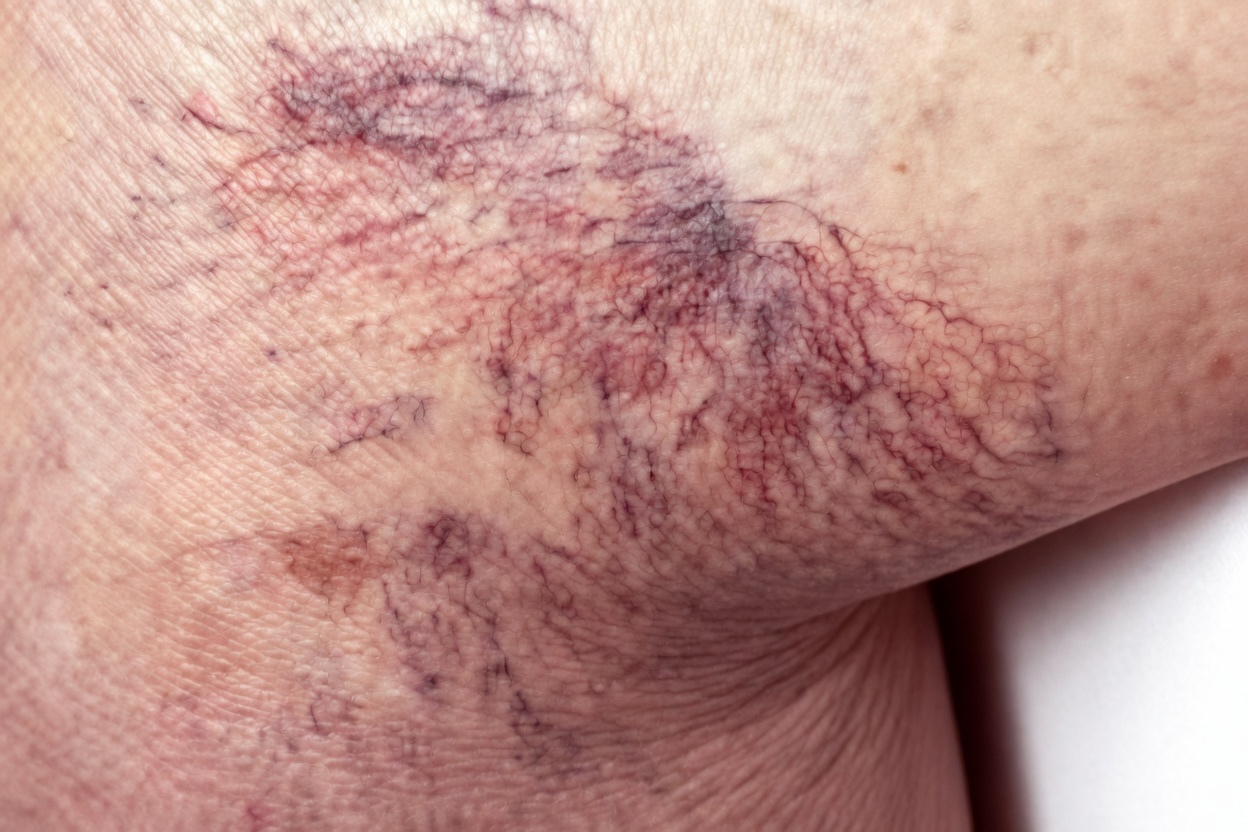
3) Spider-Like Veins on the Skin
Small red or purple “webs” of veins on the face, upper chest, or torso may appear as the liver’s hormone processing changes. These vessels can become more noticeable over time and sometimes cluster.
4) Pale or Clay-Colored Stool
If stool becomes unusually light, gray, or clay-colored, it can signal reduced bile reaching the intestines. Bile is what gives stool its typical brown color. Changes in bile flow may also affect digestion.
While you’re getting checked, a fiber-rich diet may support bowel regularity, but it won’t address the underlying cause if bile flow is impaired.
5) Persistent Itching Without a Visible Rash
Long-lasting itching—especially on the palms or soles—without obvious irritation can occur when bile salts build up in the bloodstream and irritate nerve endings in the skin.
Hydration and gentle moisturizers may help with comfort, but persistent itching should not be ignored.
6) Yellowing of the Eyes or Skin (Jaundice)
A yellow tint in the whites of the eyes or the skin can develop when bilirubin (a waste product) isn’t processed effectively and starts accumulating. Even mild jaundice warrants prompt medical assessment.
7) Ongoing Fatigue or Low Energy
If you feel exhausted despite adequate sleep, your liver may be struggling with tasks related to:
- Energy regulation (storing and releasing glucose)
- Clearing waste products and toxins
Fatigue is common and non-specific, but it matters more when it shows up alongside other signs.
8) Brain Fog or Mild Confusion
Difficulty concentrating, forgetfulness, or “fuzzy thinking” can happen when toxins (such as ammonia) build up and affect the brain—more common in more advanced liver dysfunction, but early changes can feel subtle.
9) Frequent Nausea or Reduced Appetite
Feeling nauseated after meals, losing interest in food, or getting full quickly can reflect digestive disruption. Since the liver supports digestion and metabolism, strain may contribute to persistent appetite and stomach changes.
10) Discomfort in the Upper Right Abdomen
A dull ache, heaviness, or pressure under the right ribs may be linked to liver inflammation or enlargement. This isn’t always severe pain—sometimes it feels like mild fullness that doesn’t go away.
11) Unexplained Weight or Appetite Changes
Unexpected weight loss, fluctuating appetite, or sudden disinterest in food can be related to shifts in nutrient processing and hormone regulation. While many conditions can cause this, it’s worth checking when it occurs with other symptoms.
12) Dark Urine (Tea- or Cola-Colored)
If urine becomes unusually dark, bilirubin may be spilling into urine because the liver isn’t processing it efficiently. This can happen even when hydration seems adequate.
Quick Reference: Signs and What They May Suggest
- Easy bruising / red spots — potential clotting protein changes
- Swelling (legs/ankles/abdomen) — fluid retention, albumin changes, pressure shifts
- Spider veins — hormone-related vessel changes
- Pale stools — reduced bile flow
- Itchy skin without rash — bile salt buildup affecting skin nerves
- Jaundice — bilirubin accumulation
- Chronic fatigue — impaired energy/toxin regulation
- Brain fog — toxin effects on brain function
- Nausea / appetite loss — digestive and metabolic disruption
- Upper right abdominal discomfort — possible inflammation/enlargement
- Unexplained weight/appetite shifts — nutrient/hormone processing changes
- Dark urine — bilirubin excretion in urine
Simple Ways to Support Liver Health
You don’t need extreme changes overnight. Consistent small steps often matter most:
- Choose whole foods more often: prioritize vegetables, fruit, lean proteins, and healthy fats (e.g., olive oil, nuts).
- Move regularly: aim for about 30 minutes of moderate activity most days to support weight, circulation, and metabolic health.
- Cut back on alcohol and ultra-processed foods: reducing these can lower the liver’s workload.
- Hydrate well: adequate water supports normal metabolic and elimination processes.
- Work toward a healthy weight: gradual, sustainable weight loss (when needed) can reduce liver fat and strain.
Track how you feel over a few weeks—many people report improvements in energy and digestion when they maintain these habits.
When to See a Doctor
If several of these signs are persistent—or worsening—speak with a healthcare professional. Basic evaluations may include:
- Blood tests to assess liver enzymes and function
- Additional imaging or screening when appropriate
Early assessment can lead to targeted guidance based on your personal risk factors and health history.
FAQ
What typically causes liver strain?
Common contributors include excess body weight, diets high in sugar and ultra-processed foods, alcohol use, certain medications, and metabolic conditions such as diabetes or insulin resistance.
Do lifestyle changes really make a difference?
For many people, yes. Evidence supports that weight management, healthier eating patterns, and limiting alcohol can improve liver health—especially when addressed early.
Are these signs always a sign of liver disease?
Not always. Many symptoms have other possible explanations (allergies, hydration issues, diet changes, skin conditions). However, multiple signs occurring together should be evaluated to rule out underlying liver problems.
Disclaimer
This article is for informational purposes only and does not replace professional medical advice. Consult a qualified healthcare provider if you have concerns, symptoms, or before making changes to your health routine. Outcomes vary by individual, and no specific results are guaranteed.