
Blood clots are a major driver of serious cardiovascular events, affecting millions of people worldwide. They’re often connected to issues such as sluggish circulation, chronic inflammation, and oxidative stress. Many adults over 40 begin to notice subtle changes—heavy legs after long sitting, occasional tiredness, or lower stamina during everyday tasks—which may reflect challenges in maintaining healthy blood flow. While medical care is essential for anyone at elevated risk, daily nutrition choices can also help support the body’s natural circulatory function. Notably, research suggests that certain fruits contain bioactive compounds that may help protect blood vessels, support balanced platelet activity, and reduce oxidative damage—without replacing professional treatment.
If a few simple, flavorful additions could help you feel lighter on your feet and more consistently energized, they’re worth considering. Below are seven fruits highlighted in promising studies, along with practical ways to enjoy them for potential long-term support.
Why These Fruits Support Healthy Circulation
Fruits provide a wide range of protective plant nutrients—enzymes, polyphenols, flavonoids, and key vitamins—that research associates with several circulation-related pathways, including:
- Supporting nitric oxide production (which helps blood vessels relax)
- Helping manage inflammation linked to vascular strain
- Providing antioxidant defenses that protect vessel walls from oxidative stress
Studies indicate these compounds may help maintain endothelial health (the vessel lining) and encourage smoother blood flow. For best results, choose fresh or minimally processed fruit, and prioritize whole foods over supplements to benefit from natural nutrient synergy.
Foundational Fruits for Better Blood Flow
Pineapple: Bromelain for Fibrin-Related Support
Pineapple contains bromelain, an enzyme studied in laboratory and animal research for its potential to support fibrin breakdown (fibrin is involved in clot formation). Findings suggest bromelain may have fibrinolytic and anti-thrombotic properties, which could be especially relevant after inactivity (for example, long flights or extended desk time).
A simple approach: enjoy fresh pineapple chunks as a snack or add them to smoothies for a naturally sweet way to include bromelain.
Pomegranate: Polyphenols for Vessel Protection
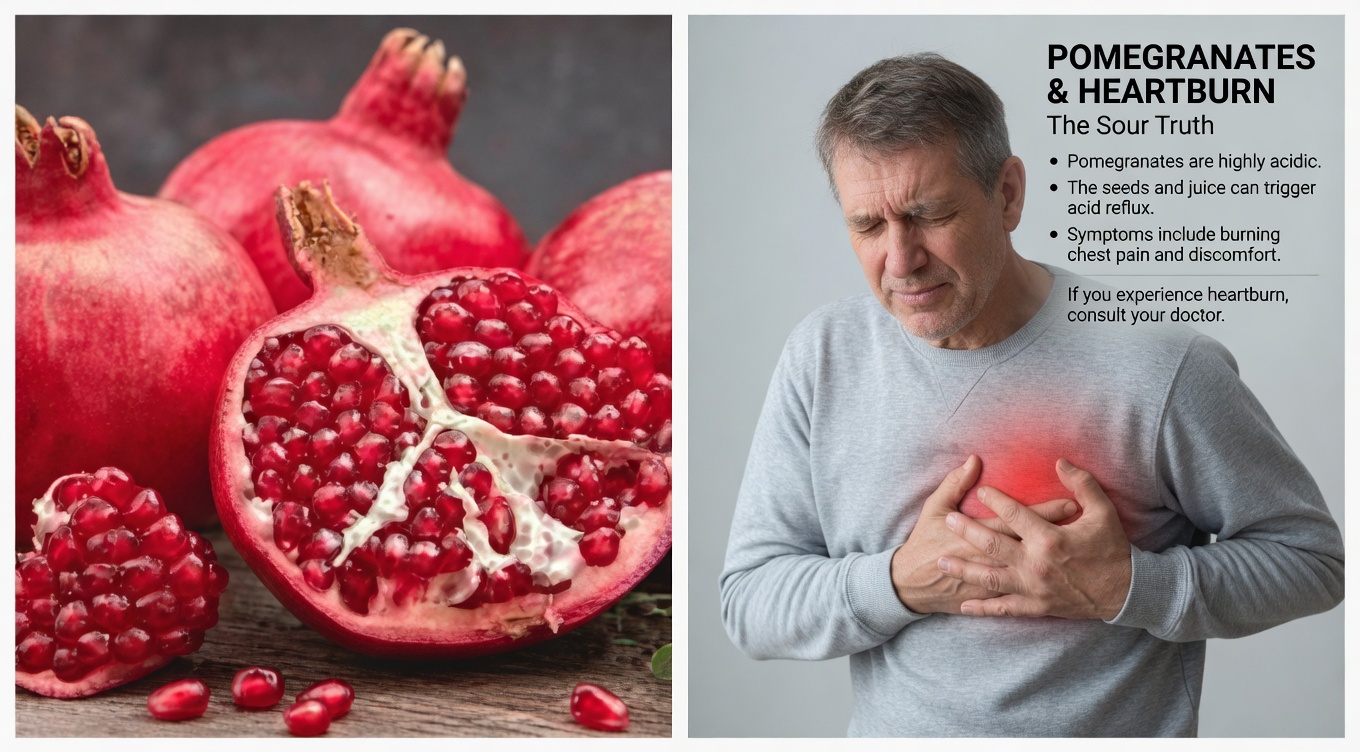
Pomegranate is rich in punicalagins and other polyphenols. Research in humans and animals links pomegranate intake to improved arterial function, reduced oxidative stress, and potential support for nitric oxide activity and healthy platelet function.
Pomegranate arils (seeds) make an easy topping for yogurt, salads, or oats—bringing both flavor and potential endothelial support.
Oranges: Flavonoids and Vitamin C for Vessel Strength
Oranges (and other citrus fruits) provide hesperidin plus vitamin C, nutrients associated with vessel-wall support and anti-inflammatory activity. Research suggests hesperidin may help promote endothelial function and nitric oxide pathways, contributing to healthier circulation overall.
Whole oranges are a convenient daily option that also adds hydration and fiber.
Berries: Anthocyanins for Antioxidant Defense
Berries such as blueberries and strawberries are loaded with anthocyanins, potent antioxidants that help neutralize free radicals that can damage blood vessels. Studies associate berry consumption with improved endothelial function and potentially lower inflammation markers related to circulatory strain.
Fresh or frozen berries work well in breakfast bowls, smoothies, and snacks.
Quick recap of these foundational options:
- Pineapple: bromelain for fibrin-related support
- Pomegranate: polyphenols for platelet balance and nitric oxide support
- Oranges: hesperidin + vitamin C for vessel strength
- Berries: anthocyanins for antioxidant and endothelial support
Next-Level Support: Fruits That May Further Boost Heart & Vessel Health

Grapefruit: Naringenin for Platelet and Vascular Support
Grapefruit contains naringenin, a flavanone studied for its potential role in supporting vascular health and moderating platelet activity.
Important: Grapefruit can interact with several medications. If you take prescription drugs, check with your clinician or pharmacist before adding it regularly.
Kiwi: Actinidin and Vitamins C/E for Platelet Function
Kiwi provides actinidin (an enzyme) and antioxidants like vitamins C and E. One study from Oslo reported that eating 2–3 kiwis daily reduced platelet aggregation and triglycerides in some participants—effects sometimes compared (in research discussions) to mild aspirin-like activity, though it is not a substitute for medication.
Kiwi pairs well with berries for a nutrient-dense combination.
Avocado: Monounsaturated Fats and Folate for Cholesterol Balance
Avocado is known for monounsaturated fats that support healthier lipid profiles. It also provides folate, which may help manage homocysteine levels—one factor associated with vascular wellness. Research links regular avocado intake with improvements in certain cardiovascular markers.
Shared Benefit Across These Fruits: Lower Oxidative Stress and Inflammation
Taken together, these fruits supply a broad spectrum of polyphenols and antioxidants that may help reduce chronic low-grade inflammation and oxidative stress—two common contributors to circulatory challenges.
Deeper Cardiovascular Benefits You May Notice Over Time
Beyond the basics, these fruits may support circulation through multiple overlapping mechanisms, such as:
- Enhancing nitric oxide activity (supporting vessel dilation)
- Supporting homocysteine management (notably via folate in avocado)
- Encouraging endothelial function (berries are often highlighted here)
- Potentially supporting daily energy through improved oxygen and nutrient delivery
Using several of these fruits together may provide stronger overall support than relying on just one—think smoothies, fruit-and-greens salads, or rotating snacks throughout the week.
Practical Ways to Add These Fruits Every Day
Start small, then build consistency:
- Smoothie idea: blend pineapple + kiwi + mixed berries, and add a handful of spinach
- Simple snacks: pomegranate seeds on yogurt; orange slices with almonds
- Salad upgrade: avocado slices with grapefruit segments over mixed greens
A realistic target is 2–3 servings per day, spaced out. Many people report noticing lighter legs and steadier energy after a few weeks of consistent habits (individual results vary).
Fruit-to-Compound Guide (Quick Reference)
- Pineapple: bromelain — may support fibrin breakdown and inflammation control — best as fresh chunks
- Pomegranate: punicalagins/polyphenols — may support platelet balance and nitric oxide — best as arils or fresh juice
- Oranges: hesperidin/vitamin C — may support vessel strength — best whole or fresh juice
- Berries: anthocyanins/quercetin — may support endothelial function and antioxidant protection — best fresh or frozen
- Grapefruit: naringenin — may support platelet moderation — best as segments (check medication interactions)
- Kiwi: actinidin/vitamins C & E — may support healthy platelet function — best fresh, peeled
- Avocado: monounsaturated fats/folate — may support cholesterol and homocysteine — best sliced or mashed
A Simple Habit-Building Timeline
- Weeks 1–2: add 1–2 fruits (example: pineapple + berries)
- Weeks 3–4: rotate across all seven for variety
- Week 5 and beyond: combine them in meals and track comfort/energy (aim for 3–4 servings/day if it fits your diet)
Fruits vs. Common Alternatives (High-Level Comparison)
- These seven fruits: widely accessible, generally low risk, supported by promising research (grapefruit requires medication caution)
- Prescription blood thinners: strong clinical evidence; bleeding risk requires medical supervision
- Low-dose aspirin: established option for some people; may cause stomach irritation and is not appropriate for everyone
- Omega-3 supplements: good evidence for certain benefits; may cause fishy aftertaste and aren’t a complete nutrition strategy
A practical starting point: try a pineapple–kiwi smoothie in the morning and observe how your energy feels across the day.
Medical Note (Please Read)
This article is for informational purposes only and is not medical advice. Speak with a qualified healthcare professional before changing your diet—especially if you have a clotting disorder, cardiovascular disease risk, or take blood thinners or other medications. Some fruits (notably grapefruit) may interact with drugs.
FAQ
-
How many of these fruits should I eat daily for potential benefits?
Aim for 2–3 servings per day, spread out. Prioritize variety to broaden exposure to helpful compounds. -
Can these fruits replace medication for circulation or clotting concerns?
No. They can support healthy lifestyle habits, but they do not replace prescribed treatment. Always follow medical guidance. -
Are there any risks with these fruits?
Most are low risk when eaten as whole foods, but grapefruit can interact with medications, and anyone with clotting or cardiovascular concerns should consult a clinician before making major dietary changes.