Subtle Signs Your Blood Circulation May Need Attention
You might notice cold hands even in a warm room, random tingling, or legs that feel unusually heavy by the end of the day. These issues often seem small and easy to dismiss. Yet over time, minor discomforts can quietly drain your energy, reduce focus, and lower everyday comfort.
The encouraging news: your body usually sends early, quiet signals before something becomes a bigger problem. Learning to recognize those signals can change how you care for your health—starting today.
Why Healthy Blood Circulation Matters More Than Most People Realize
Your circulatory system is responsible for transporting oxygen, nutrients, and hormones throughout the body. When blood flow slows down, tissues may not receive what they need to perform at their best.
Research in cardiovascular science consistently links strong circulation with:
- Better mental clarity
- Improved muscle performance
- More stable body temperature regulation
Even mild changes in blood flow can affect how you feel day to day. The tricky part is that many people experience early warning signs without connecting them to circulation.
Below are some of the most common signs to watch for.
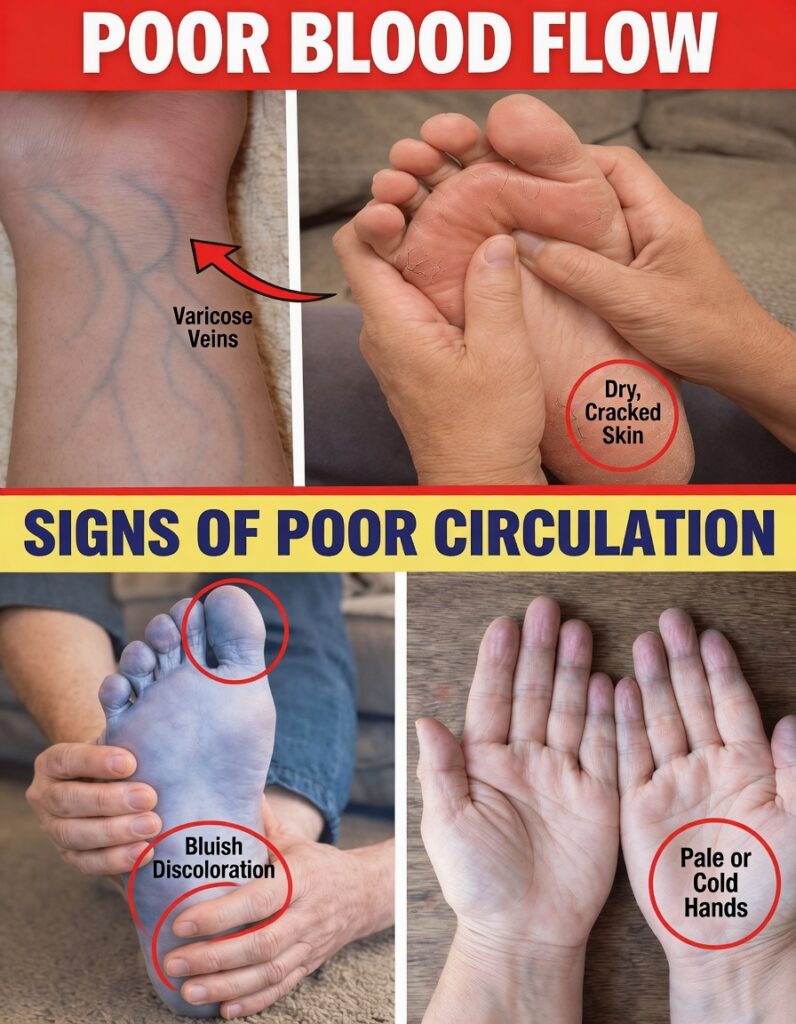
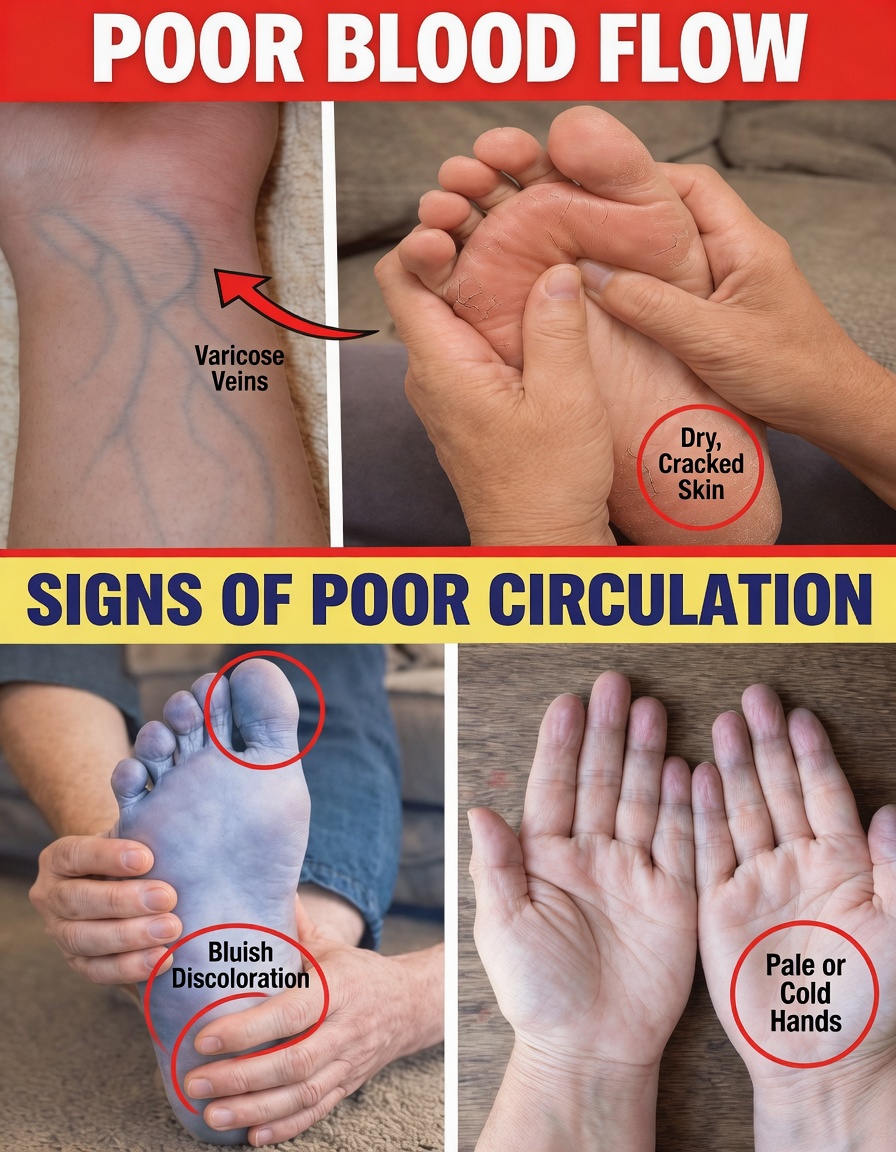
13 Common Signs of Poor Circulation
1. Cold Hands and Feet
If your fingers or toes regularly feel colder than the rest of your body, reduced blood flow to the extremities may be a factor. Occasional coldness is normal—what matters is persistent cold sensation.
2. Tingling or “Pins and Needles”
Tingling can happen after staying in one position too long. But if it occurs repeatedly without a clear reason, it may suggest your nerves are not receiving a steady supply of oxygen.
3. Numbness in Arms or Legs
Numbness is different from tingling—it feels like reduced sensation or awareness of touch. Clinical observations note that circulation changes can temporarily affect nerve responsiveness. If numbness keeps returning, it’s worth discussing with a qualified professional.
4. Swelling in Feet and Ankles
Swelling may occur when blood has difficulty returning upward against gravity, leading to fluid buildup in the lower legs. Common signs include:
- Puffy ankles
- Shoes feeling tighter than usual
- Sock marks that leave deeper indentations
Swelling has many possible causes, but circulation can be one contributor.
5. Fatigue Without an Obvious Cause
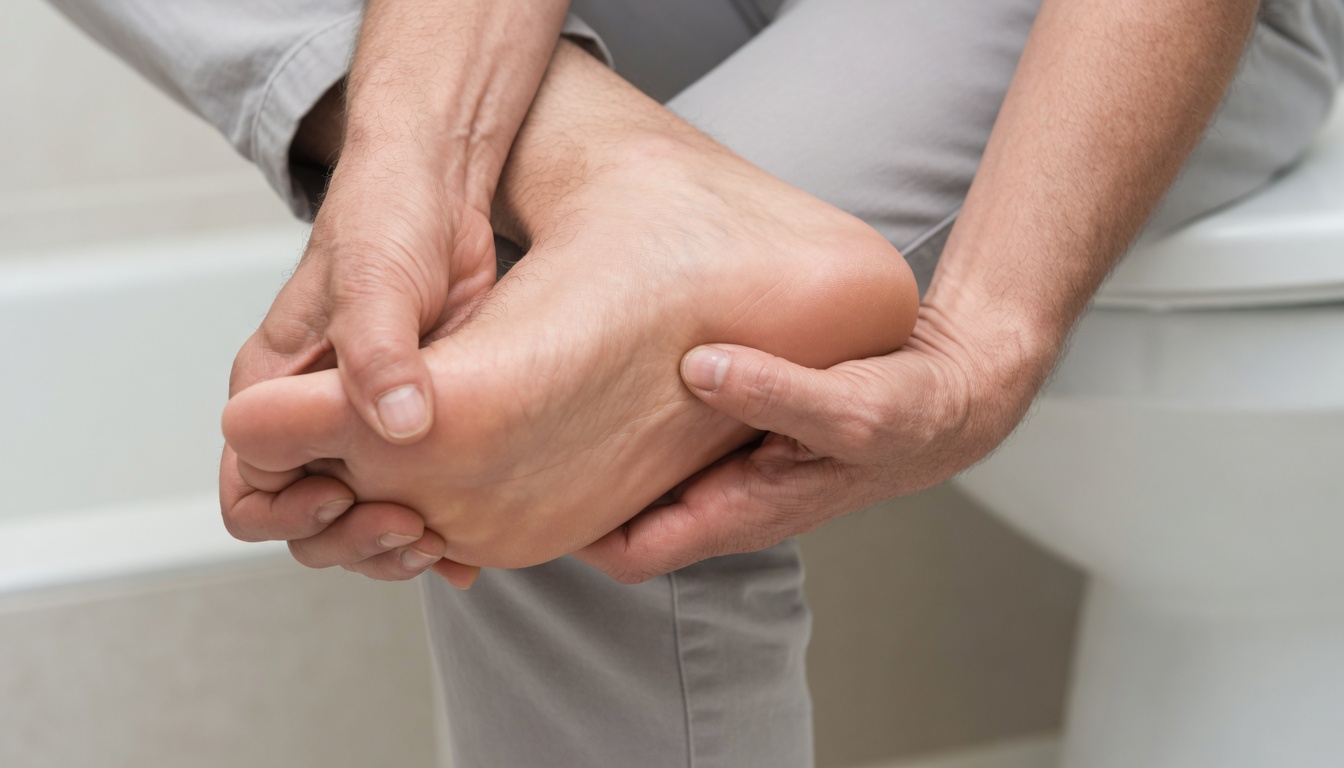
This is easy to overlook. When organs and muscles receive less oxygen-rich blood, energy production may drop, leaving you tired despite adequate sleep. Fatigue is often multifactorial, but circulation can play a role.
6. Minor Cuts Healing Slowly
Efficient blood flow delivers nutrients and immune cells needed for normal repair. If small scrapes or cuts seem to heal more slowly than expected, circulation could be part of the picture.
7. Noticeable Changes in Skin Color
Skin may look pale, slightly bluish, or uneven when blood flow fluctuates. You might observe:
- Pale fingers
- A bluish tint in toes
- Patchy or uneven discoloration
These changes are often more visible in colder environments.
8. Muscle Cramps During Activity
Calf cramps when walking or exercising can sometimes be related to limited blood delivery during movement. Vascular health research suggests reduced circulation may contribute to discomfort that improves with rest.
9. Thinning Hair on the Lower Legs
Less blood supply to hair follicles may affect growth patterns over time. While hair changes can have many causes, circulation is one possible factor.
10. Brittle Nails or Slow Nail Growth
Nails depend on nutrients delivered through tiny blood vessels. With less efficient circulation, nails may become more fragile or grow more slowly. Look for:
- Nails breaking easily
- Slower growth than usual
- A dull or less healthy appearance
11. Frequent Digestive Discomfort
Digestive organs rely on healthy circulation too. Some people report bloating or irregular digestion when blood flow isn’t optimal. Research suggests vascular function contributes to overall gut performance.
12. Brain Fog or Trouble Concentrating
Your brain needs a steady oxygen supply. Reduced circulation may contribute to temporary issues with focus or mental sharpness. Stress and sleep also matter—but blood flow can be part of the equation.
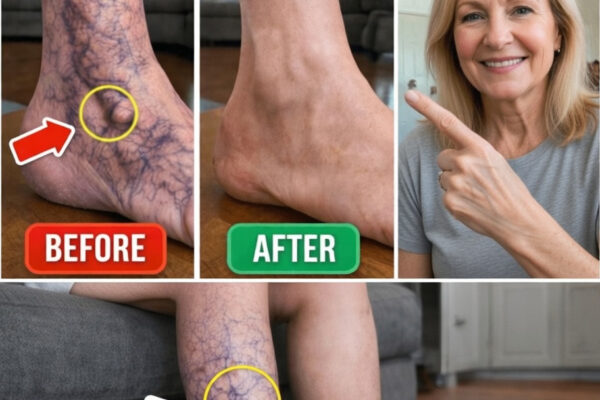
13. Varicose Veins or Visible Vein Changes
When blood pools instead of moving smoothly upward, veins (especially in the legs) may enlarge or twist. This may show up as:
- Bulging veins
- Aching after standing
- Heaviness in the legs
Sometimes these changes are cosmetic, but they can also reflect altered blood flow patterns.
Quick Reference: Common Circulation-Related Signs
- Cold hands and feet: often in fingers/toes due to less warm blood reaching extremities
- Swelling: often around ankles/calves due to slowed return flow and fluid buildup
- Tingling: often in hands/feet due to fluctuating oxygen delivery to nerves
- Fatigue: whole body due to lower oxygen availability for energy production
- Skin color changes: extremities due to shifting blood vessel response
Recognizing patterns makes it easier to connect symptoms with possible circulation issues.
Simple Daily Habits That Support Healthy Blood Circulation
Before changing your routine, consult a qualified healthcare professional for personalized guidance. That said, research commonly supports the following lifestyle habits for vascular health.
1. Move at Least Once Every Hour
Long periods of sitting slow blood flow. Try:
- Standing up every 60 minutes
- Walking for 2–5 minutes
- Stretching calves and shoulders
Small movement breaks add up.
2. Elevate Your Legs Gently
If swelling is an issue, raising your legs slightly above heart level for 15–20 minutes can support healthy return flow, especially after long hours standing.
3. Stay Consistently Hydrated
Blood volume depends on adequate fluids. Aim to drink steadily throughout the day rather than consuming large amounts at once.
4. Choose Foods That Support Circulation
Cardiovascular research often highlights:
- Leafy greens
- Antioxidant-rich berries
- Fatty fish with omega-3s
- Nuts and seeds
These choices support vessel flexibility and heart health.
5. Reduce Chronic Stress
Ongoing stress can cause blood vessels to constrict. Helpful options include:
- Slow breathing exercises
- Light stretching
- Short outdoor walks
6. Avoid Sitting with Legs Crossed for Long Periods
Keeping legs crossed too long may restrict lower-limb blood flow. Sitting with both feet flat supports more natural circulation.
7. Maintain Moderate, Regular Activity
The American Heart Association notes that consistent moderate exercise (such as brisk walking) supports cardiovascular function. When appropriate for your health status, aim for about 150 minutes per week.
The most overlooked factor is consistency: small daily actions done regularly often outperform occasional intense efforts over the long term.
When to Seek Professional Advice
Mild symptoms can sometimes be lifestyle-related, but ongoing or worsening changes should be evaluated. Consider speaking with a healthcare provider if you experience:
- Persistent numbness
- Severe swelling
- Chest discomfort
- Sudden weakness
Early evaluation can offer clarity, reassurance, and timely support.
Final Thoughts
Poor circulation doesn’t always show up with dramatic symptoms. More often, it reveals itself through small changes—cold extremities, swelling, fatigue, or brain fog—that gradually become part of “normal.” Paying attention to these signals and practicing simple circulation-supporting habits can make a meaningful difference in how you feel day to day.