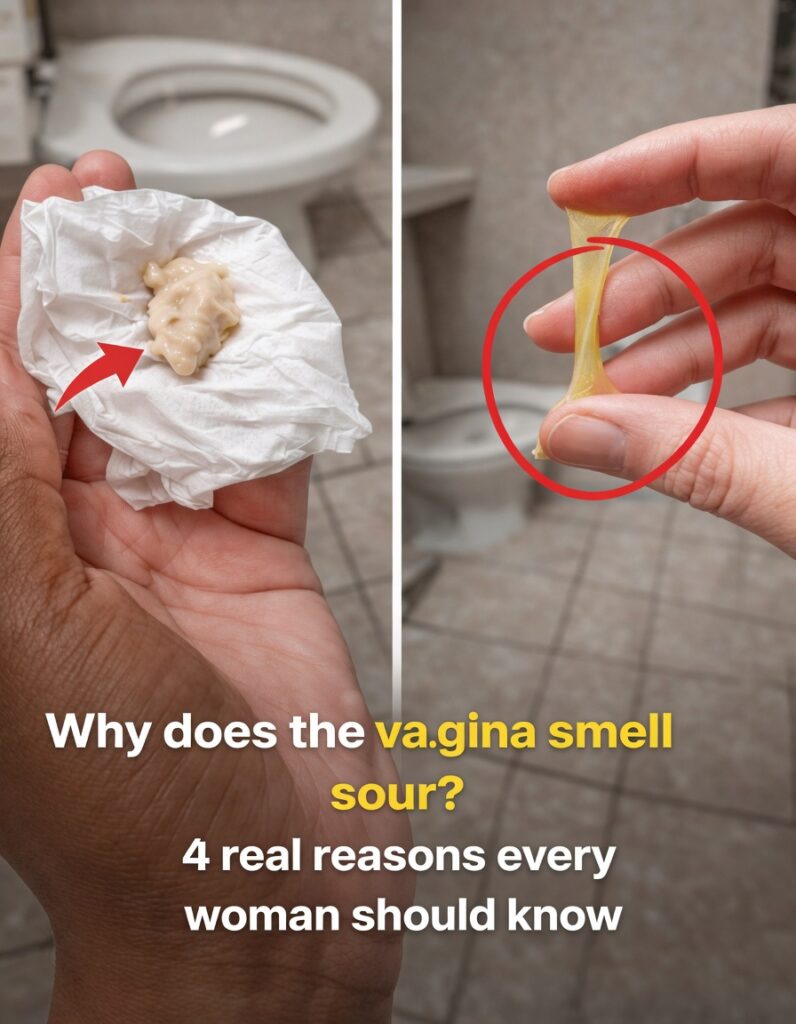
A sour vaginal odor can feel uncomfortable—and sometimes embarrassing—especially when you do not know what is behind it. It is easy to assume something is wrong or worry that other people might notice, which can quietly affect confidence and everyday comfort. In reality, scent changes are often connected to normal shifts inside the body, and most causes are manageable once you understand what is happening. By the end of this article, you will learn one surprisingly simple habit many women overlook when trying to restore balance.
What Counts as “Normal” Vaginal Scent?
Before exploring possible causes of a sour vaginal smell, it helps to define what is typical.
The vagina has its own natural ecosystem, often called the vaginal microbiome. It is dominated by beneficial bacteria—especially Lactobacillus—which help keep the environment mildly acidic. This acidity acts as a protective barrier against unwanted microorganisms.
Research reported in peer-reviewed gynecological literature shows that a healthy vaginal pH usually falls around 3.8 to 4.5. Because of that acidity, a faint tangy, sour, or slightly “fermented” scent can be completely normal.
That said, if the odor becomes strong, persistent, noticeably different, or comes with discharge changes or discomfort, it may be a sign that something has shifted.
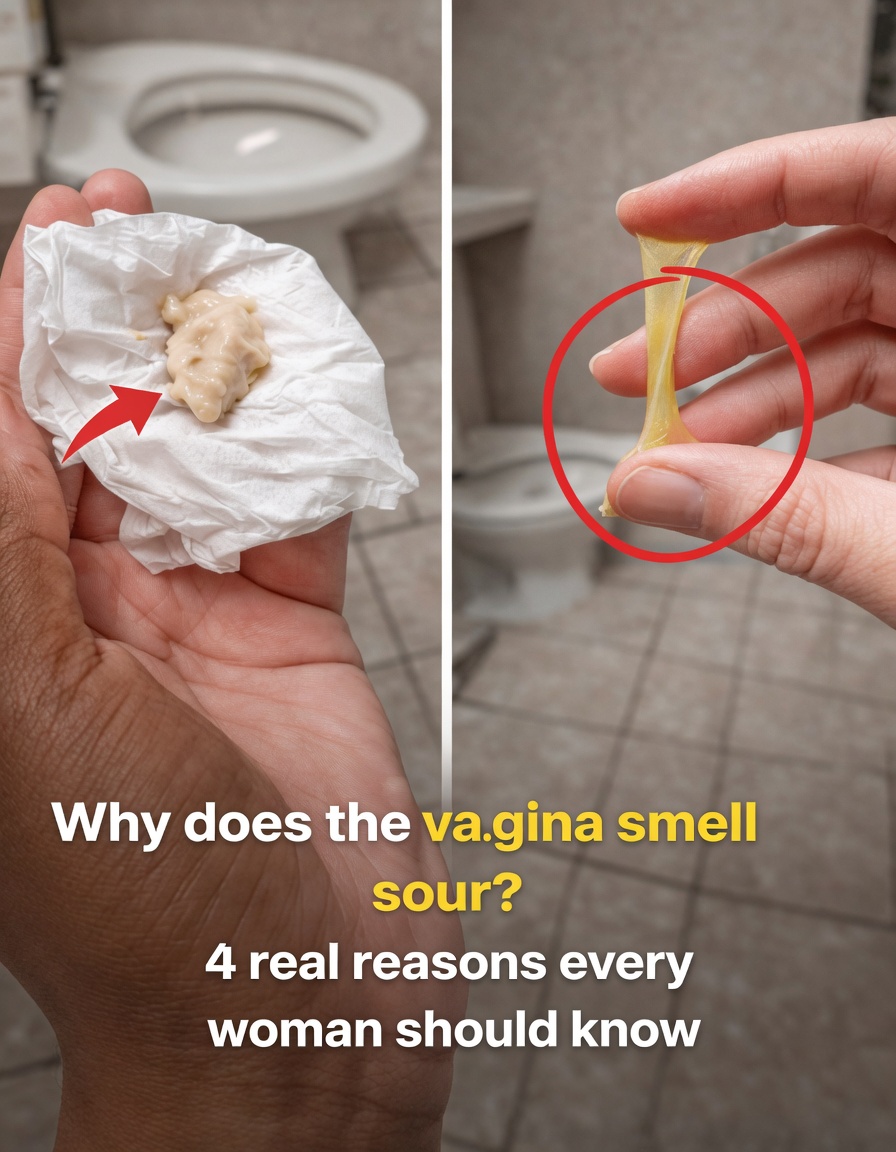
The 4 Most Common Reasons for a Sour Vaginal Odor
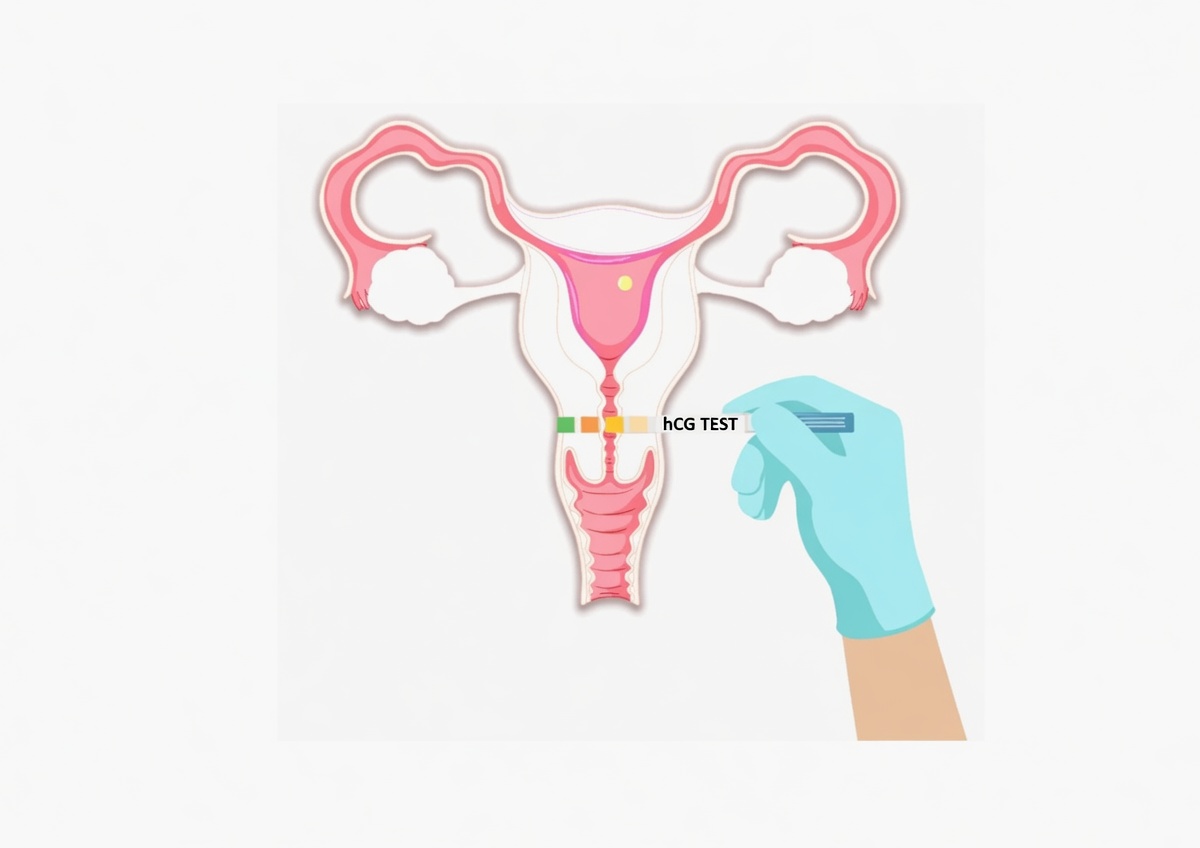
1) Natural pH Shifts During Your Menstrual Cycle
Hormones strongly influence vaginal health.
Changes in estrogen during your cycle, pregnancy, and perimenopause can temporarily affect vaginal pH and the balance of bacteria. Common patterns include:
- Around ovulation, discharge often increases and the scent may be more noticeable
- Before your period, hormonal changes can make odor slightly stronger
- After menstruation, leftover blood can alter scent briefly
Menstrual blood has a higher pH than the vagina, so even small amounts can change the overall smell for a short time.
Other factors can also nudge body chemistry, including stress, poor sleep, and dietary changes. If the odor settles within a few days and there is no itching or irritation, it is often normal hormonal variation.
2) Bacterial Imbalance (Microbiome Disruption)
A bacterial imbalance is one of the most frequent explanations for a stronger-than-usual vaginal odor.
When beneficial bacteria decrease and other bacteria grow more than they should, vaginal pH can rise (becoming less acidic). This shift is associated with stronger odor and changes in discharge—some people describe it as fishy, while others experience it as sour or sharp.
Common signs may include:
- Thin white or gray discharge
- Odor that seems stronger after sex
- Mild irritation (not always painful)
A key point many people miss: everyday habits can unintentionally disrupt the microbiome, such as:
- Frequent douching
- Using scented washes or fragranced “feminine” products
- Wearing tight, synthetic underwear for long periods
The vagina is self-cleaning, and harsh products can interfere with its natural protective system.
3) Sweat and Moisture Trapped Around the Vulva
The genital area contains sweat glands, and moisture builds up easily—especially after exercise, in hot climates, or with non-breathable clothing.
When sweat mixes with normal discharge and skin bacteria, it can create a sour, musty, or tangy odor. This is more likely if you:
- Stay in damp workout clothes for too long
- Wear non-breathable underwear
- Do not change pads/liners frequently enough
This odor is often more external (skin/vulva) than internal. It commonly improves quickly with gentle rinsing (warm water), dry clothing, and breathable fabrics. Dermatology experts often emphasize that keeping the area dry reduces odor caused by sweat and surface bacteria.
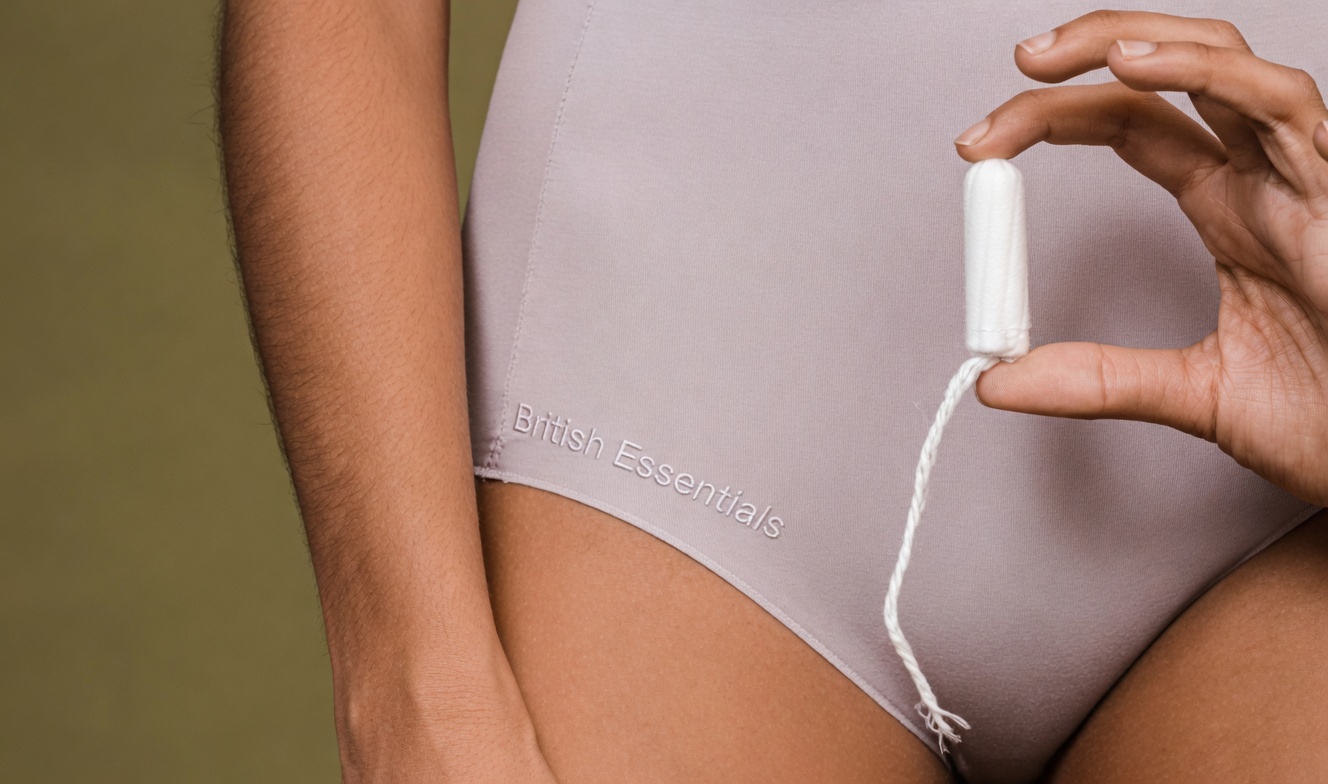
4) A Forgotten Tampon or Retained Menstrual Product
Less common, but important: a retained tampon or menstrual product can cause a strong, unpleasant sour odor.
When blood and bacteria are trapped, microorganisms can multiply rapidly. Warning signs may include:
- Strong odor that does not go away
- Unusual discharge, sometimes brown or yellow
- Pelvic discomfort
If you suspect a retained product, seek medical care promptly for safe removal and evaluation. While rare, leaving a product in too long can lead to more serious issues—so it is best to check sooner rather than later.
When a Sour Vaginal Odor Should Be Checked by a Professional
Odor alone does not always mean there is a health problem. However, consider medical advice if odor comes with:
- Persistent itching
- Burning
- Pain during urination
- Thick, clumpy discharge
- Lower abdominal or pelvic discomfort
A healthcare provider can evaluate symptoms, confirm the cause, and recommend appropriate treatment—often reducing stress and uncertainty quickly.
Simple Daily Habits That Help Restore Vaginal Balance
Here is the part many women overlook: basic, consistent habits often matter more than specialty products.
1) Clean Gently (And Only Externally)
- Rinse the external vulvar area with warm water
- If using a cleanser, choose fragrance-free and made for sensitive skin
- Avoid internal washing and douching, which research consistently links to microbiome disruption
2) Prioritize Breathable Clothing
- Choose cotton underwear to improve airflow
- Change out of damp clothes soon after workouts or swimming
3) Support Microbiome Health Through Nutrition
Emerging research suggests diet can influence overall microbiome health. Helpful basics include:
- Staying hydrated
- Eating fiber-rich foods
- Including fermented foods (for example, yogurt with live cultures)
Diet alone does not “fix” vaginal odor, but it can support overall microbial balance.
4) Use Smarter Menstrual Care
- Change tampons and pads as recommended by product guidelines
- Track your cycle so you can recognize normal scent shifts related to hormones
5) Reduce Chronic Stress
Long-term stress can affect hormones and immune response. Simple practices like walking, better sleep, and breathing exercises may indirectly support vaginal health.
The subtle secret: many women keep switching products, but steady basics—gentle cleansing, dryness, and breathable fabric—often create more reliable results than chasing quick fixes.
Quick Guide: Comparing Common Causes
-
Natural hormonal changes
- Usually mild
- Temporary
- No major discomfort
-
Bacterial imbalance
- Noticeable discharge changes
- Stronger odor
- Possible mild irritation
-
Sweat/moisture buildup
- Mainly external smell
- Improves with hygiene and staying dry
- No internal symptoms
-
Retained product
- Strong, persistent odor
- Possible unusual discharge
- Needs prompt medical evaluation
This overview can help you think clearly before assuming the worst.
The Emotional Side: Confidence, Intimacy, and Worry
This topic is not discussed enough: concerns about vaginal odor can impact self-esteem and intimacy. Some people avoid closeness or social settings out of fear of being noticed.
A reassuring reality is that bodies have natural scents, and minor variations are normal. Learning your patterns and communicating openly with a partner can ease anxiety. If worry feels persistent or overwhelming, a healthcare professional can provide clarity and peace of mind.
Conclusion
A sour vaginal odor is most often linked to normal pH changes, bacterial imbalance, or sweat and moisture buildup—and in rare cases, a retained menstrual product. Understanding the likely cause, watching for additional symptoms, and sticking to simple daily habits can make a meaningful difference in restoring balance and confidence.