
Many people dismiss constant tiredness as the price of a packed schedule or simply “getting older.” Mild ankle swelling or small changes in urination can also seem like temporary inconveniences. When these issues stick around, though, they can quietly erode your energy and daily comfort—often without a clear explanation.
If rest, hydration, or your usual routines don’t make a difference, it may be time to look deeper. The kidneys are essential for filtering waste and balancing fluid levels, and early kidney function changes can show up gradually. Recognizing possible kidney symptoms sooner can help you start a timely conversation with your healthcare provider. Below are common warning signs—and why paying attention matters.

The Essential Role of Kidneys in Everyday Health
Your kidneys work around the clock to:
- Filter waste products from the blood
- Maintain fluid and electrolyte balance
- Support healthy blood pressure regulation
When kidney function starts to decline, the body may send subtle signals through everyday symptoms. These signs are easy to overlook because they often resemble stress, dehydration, poor sleep, or normal aging. However, many health organizations emphasize that early identification of kidney concerns can lead to better long-term management.

13 Possible Early Signs of Kidney Function Changes
Kidney-related symptoms can develop slowly and may be mild at first. If you notice several of the following at the same time—especially if they persist—it’s worth paying attention.
-
Persistent fatigue
Feeling drained even after adequate rest may occur when waste products build up due to reduced filtering, leading to ongoing low energy. -
Swelling in the legs, ankles, or feet
When kidneys struggle to manage fluids, extra fluid can collect in the lower extremities, causing noticeable puffiness (edema), especially by the end of the day. -
Changes in urination patterns
Watch for signs such as foamy urine, more frequent nighttime urination, reduced output, darker color, or other unexpected shifts, which may reflect changes in kidney filtering. -
Shortness of breath during routine activity
Fluid imbalance or anemia associated with kidney function changes can make breathing feel more difficult than usual. -
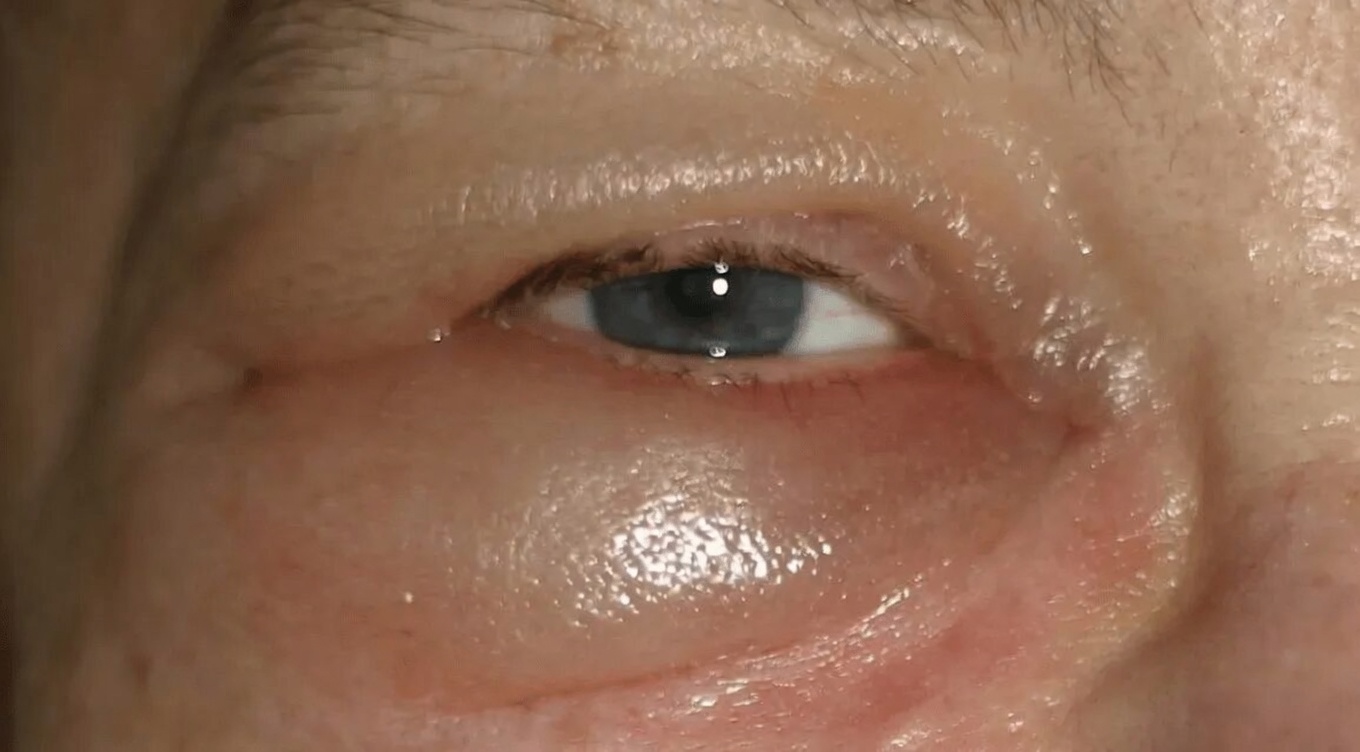
Puffy eyes in the morning
Swelling around the eyes after waking can sometimes happen when protein leaks into urine—an early clue that deserves attention. -
Consistently elevated blood pressure
Kidneys help regulate blood pressure. When they’re under strain, blood pressure may rise—and high blood pressure can also worsen kidney health over time. -
Aching in the lower back or sides
Ongoing dull pain around the flank area can have many causes, but persistent discomfort may sometimes involve the region where the kidneys sit.
-
Nausea or reduced appetite
As waste products accumulate, digestion can be affected, leading to queasiness, poor appetite, or general stomach upset. -
Metallic taste or persistent bad breath
Changes in toxin levels can alter taste and contribute to ongoing mouth or breath issues. -
Itchy or unusually dry skin
Mineral and fluid imbalances linked to kidney changes can trigger noticeable skin irritation or itching that doesn’t resolve easily. -
Difficulty concentrating (“brain fog”)
When blood chemistry is affected, mental clarity may suffer, leading to poor focus, forgetfulness, or sluggish thinking. -
Unintentional weight changes
Appetite loss and digestive discomfort may contribute to unintended weight loss over time. -
Muscle cramps or restlessness (often at night)
Electrolyte shifts can lead to frequent cramps or uncomfortable restlessness, particularly in the evening.

When to Seek Medical Advice About Kidney Symptoms
If several symptoms last for weeks—or feel progressively worse—consider tracking what you notice (timing, severity, and frequency) and discussing it with a healthcare professional. Simple, routine tests can help evaluate kidney function early, often before major problems develop.
Supporting kidney health may also include:
- Staying adequately hydrated
- Eating a balanced diet
- Managing chronic conditions such as high blood pressure or diabetes
- Following medical guidance for monitoring and treatment
Early awareness can make a meaningful difference in protecting kidney function and overall health.

Frequently Asked Questions
-
What should I do if I notice multiple possible kidney symptoms?
Contact your doctor promptly. They can order appropriate tests to assess kidney function and identify the cause accurately. -
Do these symptoms always mean there’s a kidney problem?
No. Many of these symptoms can be caused by other conditions. However, persistent or clustered symptoms should be evaluated to rule out kidney concerns. -
Can early kidney function changes be managed?
Yes. With professional care, monitoring, and lifestyle adjustments, many people can support kidney health and slow progression.
Medical Disclaimer
This article is for informational purposes only and does not replace professional medical advice, diagnosis, or treatment. Always consult your healthcare provider before making dietary or lifestyle changes—especially if you have existing health conditions or take medications. Individual results may vary.