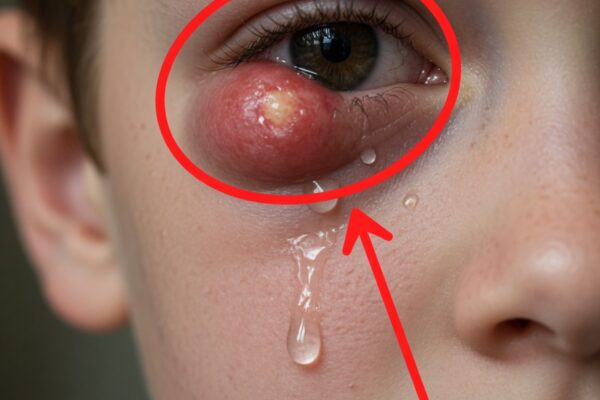
Small, Visible Changes That Can Hint at Heart Trouble
You catch your reflection during your morning routine and notice a faint yellowish patch near your eye. Later, you take off your socks and see deep ankle marks that linger longer than usual. Most people shrug off these details as normal aging, stress, or “just being tired.”
Yet heart disease—still the leading cause of death among adults in the United States—often develops silently over many years. Along the way, the body may show subtle, visible clues on the skin, face, legs, nails, and eyes. These signs can appear during everyday moments—getting dressed, showering, or washing your face—and noticing patterns early can be a strong reason to speak with a healthcare professional.
One especially interesting point: some visible features have been associated in studies with higher cardiovascular risk even when common lab numbers look normal. Below are 13 self-visible signs worth knowing—starting with the ones most often dismissed.

Why These Signs Are Easy to Miss
Early heart and blood vessel problems don’t always cause dramatic symptoms. Plaque can build inside arteries, circulation can gradually worsen, and the body may compensate quietly for a long time. Research and clinical observations—including findings frequently discussed in dermatology and cardiovascular literature—suggest that certain external changes can correlate with lipid issues, reduced blood flow, and increased strain on the heart, sometimes independent of cholesterol test results.
Because these changes are common and often mild, many people attribute them to:
- Aging
- Diet or salt intake
- Long workdays on your feet
- Cold weather
- Minor skin issues
A simple self-check habit can help you notice what’s persistent, worsening, or appearing in clusters.
13 Visible Signs You Can Check Yourself
Sign #13: Swelling in Ankles, Feet, or Legs (Pitting Edema)
If your socks leave deep impressions that don’t fade quickly, look closely at your ankles and feet. Press a finger into the swollen area:
- If a dent remains for several seconds, it may be pitting edema
This type of fluid buildup can occur when the heart isn’t pumping efficiently, allowing fluid to collect in the lower body. It’s commonly blamed on standing too long, but swelling that worsens toward evening can be a meaningful clue.
Sign #12: Yellowish Patches Around the Eyes (Xanthelasma)
Look for soft, painless yellow plaques on the eyelids—often near the inner corners. These can slowly enlarge over time.
Xanthelasma is linked to cholesterol deposits under the skin. Studies have associated it with atherosclerosis and higher cardiovascular risk, even when blood lipid tests don’t look alarming. What seems cosmetic can be worth a medical conversation.
Sign #11: A Gray-White Ring Around the Cornea (Corneal Arcus / Arcus Senilis)
In bright light, check whether there is a gray, white, or bluish ring around the outer edge of your iris.
This can be age-related, but earlier appearance (especially in younger adults) has been associated in research with lipid disorders and increased cardiovascular risk. Because it’s painless, many people never notice it without intentionally checking.
Sign #10: A Diagonal Earlobe Crease (Frank’s Sign)
Examine your earlobes in the mirror. A notable finding is a deep diagonal crease running from near the ear canal toward the lower edge of the earlobe—distinct from a temporary “sleep crease.”
Multiple studies have reported an association between this sign and coronary artery disease, particularly in adults under 60. It’s quick to check and easy to overlook.
Sign #9: Finger Clubbing (Rounded, Curved Nails)
Look at your fingertips and nails:
- Nails may curve downward more than normal (a “spooned” dome shape)
- Fingertips can appear broader or more bulb-like
- Nail beds may look shiny
Clubbing can be related to long-term low oxygen levels and may occur in some heart and lung conditions. Because it develops gradually, people often attribute it to work, aging, or hand shape.
Sign #8: A Bluish or Grayish Tint to Lips, Skin, or Nails (Cyanosis)
Check the color of your:
- Lips
- Fingertips
- Nail beds
A persistent blue-gray tone can suggest reduced oxygen in the blood, sometimes tied to heart or circulation issues. It may be more noticeable on lighter skin tones, but everyone can look for changes in lips and nails. While cold temperatures can cause temporary discoloration, ongoing or recurrent cyanosis deserves attention.
Sign #7: Hair Loss or Thinning on the Lower Legs
Compare your calves and shins to other areas. Signs can include:
- Noticeably less hair on the lower legs
- Skin that looks smoother or shinier than before
- Changes that are worse on one leg than the other
Reduced blood flow from narrowed arteries can affect hair follicles and skin quality. This is often dismissed as aging or genetics, but it can be linked to peripheral artery disease (PAD), which is also a marker of broader cardiovascular risk.
Sign #6: Thin Red-Brown Lines Under the Nails (Splinter Hemorrhages)
During nail care, look for narrow vertical red, brown, or purplish streaks beneath the fingernails that don’t match obvious injury.
These tiny bleeds can occasionally be associated with conditions involving heart valves or small clots. One isolated line may be nothing, but recurrent or unexplained patterns are worth mentioning to a clinician.
Sign #5: Ongoing Puffiness Around the Eyes or Face
Do you wake up with puffy eyelids or facial swelling that lingers longer than expected?
Fluid retention can sometimes show up first in the face—especially after lying down overnight. Allergies, sleep, and salt are common explanations, but when facial swelling is persistent or appears alongside other signs, it may point to broader fluid balance issues.
Sign #4: Calf Pain or Cramping When Walking (Claudication)
If you feel calf cramping or aching after short walks that improves with rest, take note.
This pattern—pain with activity that resolves when you stop—can indicate reduced blood flow to leg muscles due to narrowed arteries. Claudication is strongly connected to peripheral artery disease and can reflect elevated cardiovascular risk overall.
Sign #3: Pale or Ashen Skin Tone
A face, palms, or overall complexion that looks unusually pale, gray, or “washed out” can sometimes signal circulation problems.
Because it’s subtle, people often blame fatigue or stress—especially if the change appears gradually or shows up more clearly in photos.
Sign #2: Unexplained Weight Gain or Abdominal Swelling
If your waistline expands quickly or your clothes feel tighter despite no clear change in diet, consider whether it could be fluid-related—especially when paired with leg swelling.
Fluid retention from reduced heart efficiency can cause abdominal fullness and weight gain that isn’t explained by normal fluctuations.
Sign #1: Prominent Neck Veins When Lying Down
This is one of the least commonly checked signs. Lie flat and look at your neck (or ask someone to observe). If you see neck veins that remain visibly distended, it can suggest pressure backup in the circulatory system.
Because it’s not part of most people’s daily routine, this sign often goes unnoticed.
Quick Daily Check: Where These Signs Commonly Show Up
- Pitting edema — ankles and feet — often dismissed as “tired legs”
- Xanthelasma — eyelids — assumed to be cosmetic
- Corneal arcus — around the iris — missed unless checked in bright light
- Frank’s sign — earlobes — blamed on sleeping position
- Clubbing — fingertips and nails — attributed to aging or manual work
- Cyanosis — lips and nail beds — excused as cold exposure
Early vs. More Concerning Visible Patterns
-
Skin and lipid deposits
- Earlier: xanthelasma, corneal arcus
- More advanced: widespread fatty deposits (xanthomas)
-
Circulation-related changes
- Earlier: leg hair thinning, mild swelling
- More advanced: severe discoloration, slow-healing sores or ulcers
-
Structural or pressure-related clues
- Earlier: earlobe crease, subtle nail changes
- More advanced: persistently prominent neck veins, marked clubbing
Practical, Safe Self-Monitoring (Without Panic)
A simple approach:
- Once a week, do a brief mirror check of eyes, face, lips, nails, ankles, and calves.
- Note what changes with:
- Salt intake
- Long periods of standing
- Exercise or walking
- Time of day (morning vs. evening)
- Watch for asymmetry (one side worse than the other), which can make problems easier to spot.
The goal isn’t self-diagnosis—it’s to notice consistent patterns you can share with a professional.
Use What You Can See to Start the Right Conversation
These 13 visible signs—ranging from ankle swelling and eyelid patches to nail changes and neck vein prominence—can appear during normal daily routines. Seeing one sign doesn’t automatically mean heart disease, but clusters, persistence, or worsening trends are good reasons to ask for medical advice.
A small habit of awareness can lead to an earlier, more informed discussion about cardiovascular health—and that timing can matter.
This article is for informational purposes only and does not replace professional medical advice, diagnosis, or treatment.