
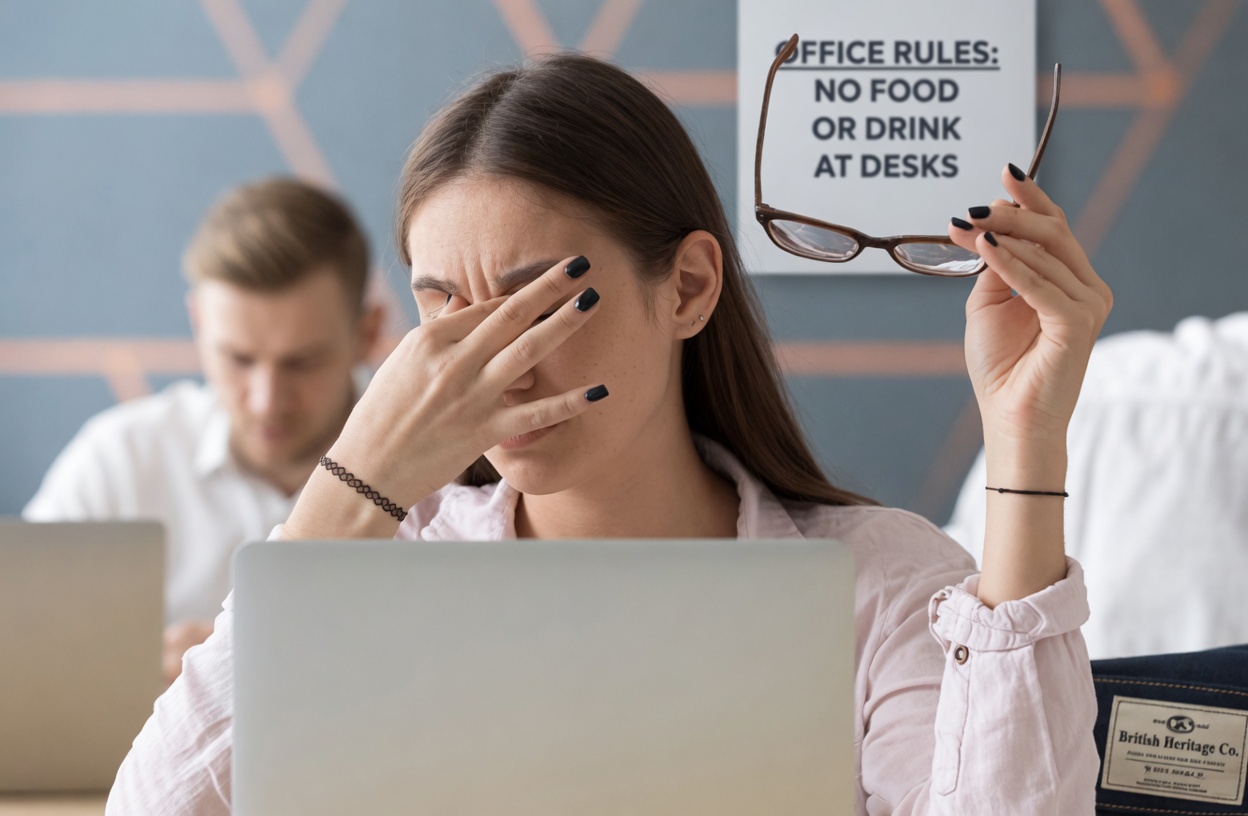
Staring at screens for hours can leave your eyes feeling dry, tense, and “out of focus.” Small fonts become harder to read, distant signs may look fuzzy, and by evening your vision can feel noticeably worn out. It’s frustrating to rely on your eyesight all day while feeling like it isn’t keeping up.
The encouraging part: a few straightforward daily habits can improve eye comfort and support clearer, steadier vision over time—and one of the most effective changes is also one of the most commonly ignored.

Why Vision Can Feel Worse Over Time
Before diving into the three core habits, it helps to understand what’s behind those day-to-day changes in visual comfort.
Your eyesight is influenced by multiple factors, including:
- Age-related changes
- Extended screen time and close-up work
- Lighting conditions
- Sleep quality
- Overall diet and hydration
Peer-reviewed research in ophthalmology consistently links prolonged “near work” (phones, laptops, tablets) with digital eye strain. In most cases, this doesn’t mean permanent damage—but it can reduce comfort, sharpness, and focus throughout the day.
Here’s the key point: glasses and contact lenses correct refractive errors, but your daily routines strongly affect how your eyes feel and how efficiently they perform. Supporting eye wellness usually isn’t about extreme routines—it’s about practicing a few fundamentals consistently.
Habit 1: Support Vision With Targeted Nutrition
Your eyes are highly active tissues with constant metabolic demand. To function well, they depend on a steady flow of nutrients—especially antioxidants and healthy fats.
Studies associate long-term eye health with nutrients such as:
- Vitamin A
- Vitamins C and E
- Zinc
- Lutein and zeaxanthin
- Omega-3 fatty acids
Hydration matters, too. When you’re under-hydrated, tear production can suffer, which may worsen dryness and make vision feel less clear.
Key Nutrients That Help Maintain Eye Function
- Vitamin A (carrots, sweet potatoes, leafy greens): supports retinal health
- Lutein and zeaxanthin (spinach, kale): help filter high-energy blue light
- Omega-3s (chia seeds, fatty fish): support tear film stability and comfort
- Vitamin C (citrus fruits): supports healthy blood vessels in the eyes
- Zinc (seeds, legumes): contributes to normal retinal function
A common mistake is chasing a single “superfood.” Instead, aim for variety and consistency. For example, a daily smoothie with leafy greens, cucumber, lemon, and seeds is an easy way to boost nutrient density. No single drink will “fix” eyesight—but regular, balanced intake supports overall visual wellness.
Simple Actions to Start Today
- Add one serving of leafy greens to at least one meal each day
- Include healthy fats (chia seeds, walnuts, olive oil)
- Drink enough water so urine is pale yellow
- Cut back on highly processed foods, which may contribute to inflammation
Consistency beats perfection.
Habit 2: Cut Digital Eye Strain With Structured Breaks
If you spend four or more hours daily on screens, this habit may deliver the fastest relief.
Digital eye strain is extremely common and often shows up as:
- Blurry vision during or after screen use
- Dryness or burning
- Headaches
- Difficulty shifting focus from near to far
In many cases, the issue isn’t your eyes “getting worse”—it’s the way they’re being used nonstop at one distance.

The 20-20-20 Rule
Many eye care professionals recommend the 20-20-20 technique:
- Every 20 minutes
- Look at something about 20 feet away
- For at least 20 seconds
Why it helps: focusing up close keeps the eye’s internal focusing muscles engaged continuously. Brief distance viewing encourages those muscles to relax, improving comfort and reducing fatigue over time.
Additional Screen Habits That Make a Difference
- Keep your screen at comfortable eye level to reduce tension
- Blink on purpose (screen time often lowers blink rate)
- Match screen brightness to your room lighting
- Increase font size rather than leaning forward or squinting
Also consider evening screen exposure: blue-light-heavy use late at night may disrupt sleep quality. Since sleep supports tissue recovery, improving sleep indirectly supports eye comfort as well.
A Practical Screen-User Plan
- Use a timer or app reminder every 20 minutes
- Put a small note near your monitor as a cue
- Use lubricating drops only if recommended by a qualified professional
- Reduce or dim screens at least one hour before bed
Small changes, repeated daily, create meaningful cumulative results.
Habit 3: Train Focus Flexibility and Eye Coordination
This is the most overlooked habit.
Your eyes rely on coordinated muscle activity for tracking, alignment, and focusing. Like the rest of the body, these systems respond well to balanced use.
A critical clarification: eye exercises do not eliminate refractive errors like nearsightedness or farsightedness. However, certain techniques may support:
- Focus flexibility (switching near-to-far more comfortably)
- Tracking and coordination
- Reduced feelings of fatigue from prolonged close work
Some vision therapy research suggests structured visual training can help people who experience eye strain or focusing difficulties.

Daily Focus Flexibility Exercise (1 Minute)
Try once per day:
- Hold your thumb about 10 inches from your face
- Focus on your thumb for 10 seconds
- Shift focus to an object across the room for 10 seconds
- Repeat 10 cycles
This practice encourages smoother transitions between near and far vision.
Gentle Eye Movement Drill
- Look up and down slowly 10 times
- Look left and right slowly 10 times
- Trace a large imaginary circle with your eyes in both directions
These movements support full-range control and coordination.
Important: exercises should feel comfortable. If you feel dizzy, nauseated, or experience pain, stop and consult an eye care professional.
Lifestyle Factors That Quietly Affect Eyesight
Beyond the three main habits, several background factors strongly influence how your eyes feel.
Sleep
During sleep, your eyes restore surface moisture and recover from daily exposure. Many adults do best with 7–9 hours nightly.
Time Outdoors
Emerging evidence suggests that regular outdoor time may support healthy visual development—especially in children—likely due to natural light exposure and distance viewing.
Avoiding Smoking
Large population studies associate smoking with higher risk for multiple eye conditions. Reducing or quitting supports eye wellness and overall health.
Daily Habits vs. “Quick Fix” Thinking
-
Relying on quick vision hacks
- Short-term: temporary motivation
- Long-term: minimal sustained improvement
-
Consistent nutrition support
- Short-term: gradual comfort gains
- Long-term: stronger foundational eye support
-
Structured screen breaks
- Short-term: quick strain relief
- Long-term: less daily fatigue and better endurance
-
Stable sleep routine
- Short-term: clearer mornings
- Long-term: improved recovery cycle
Sustainable habits consistently outperform shortcuts.
The Bigger Picture: Support Vision Holistically
Your eyesight is closely tied to overall health. Hydration, cardiovascular function, blood sugar stability, and stress levels all influence how your eyes perform and feel.
Stress, for example, can reduce blink rate and increase facial and eye-area tension. Simple relaxation practices—like slow breathing—may indirectly improve comfort by reducing tension and encouraging blinking.
When you combine:
- Nutrient-dense eating and hydration
- Structured breaks from screens
- Gentle focus and coordination training
…you create a reliable system for eye support rather than searching for a single “miracle” solution.
The often-missed secret is consistency. Not a device, not a supplement—just repeating the basics daily. Many people notice better comfort and clearer, steadier vision when these habits become routine.
Frequently Asked Questions
Can natural habits completely replace glasses?
Healthy routines can improve eye comfort and support overall eye health, but they do not replace prescription lenses for refractive errors. Glasses and contact lenses remain essential tools for clear vision when prescribed.