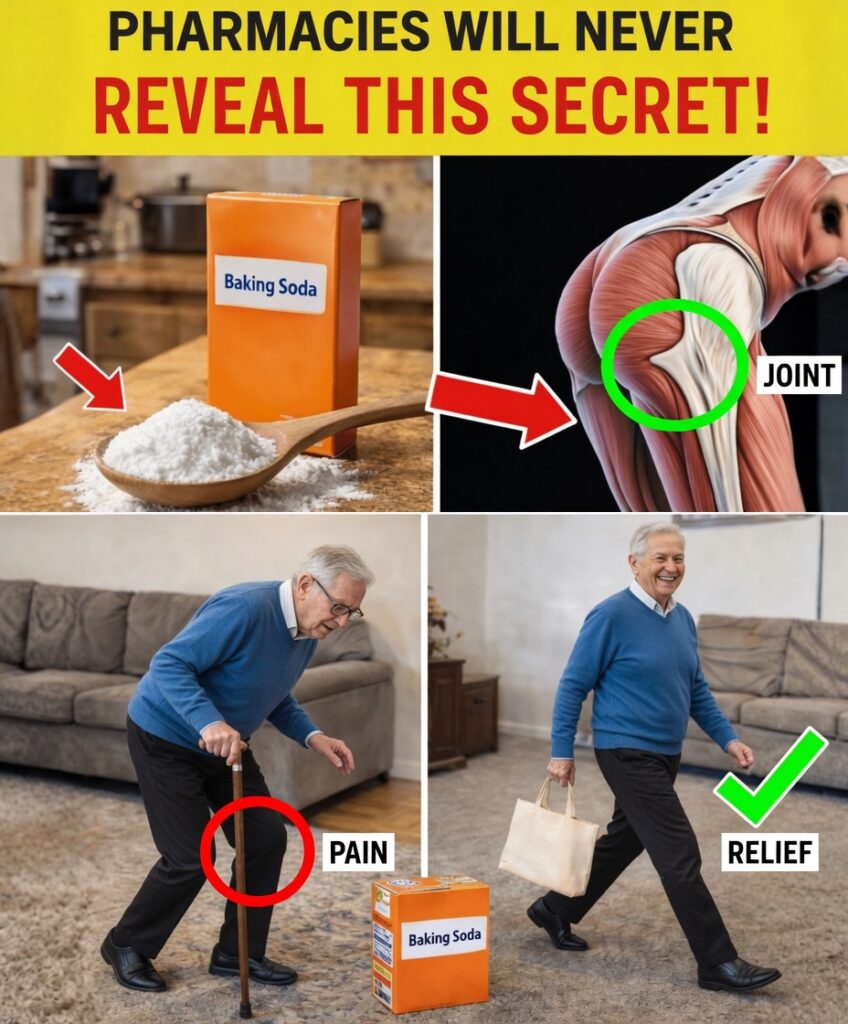
Many adults over 60 begin to notice small but frustrating changes: heartburn that shows up more often after meals, joints that feel stiff when getting moving, lower day-to-day energy, or minor skin issues that seem to take longer to settle. These “little” discomforts can gradually make ordinary pleasures—like a relaxed dinner or a simple walk—feel harder, which often leads people to reach for over-the-counter remedies that may not deliver lasting relief.
What if an inexpensive staple already sitting in your kitchen—baking soda (sodium bicarbonate)—could provide gentle, low-cost support for some of these everyday concerns when used carefully? Both traditional use and modern research suggest it may help in specific situations, but only when approached with clear safety limits and medical guidance. Below are practical, evidence-informed ways seniors are exploring this common powder, plus a step-by-step trial plan and essential precautions—because the real benefit comes from using it wisely and avoiding preventable risks.
Why Baking Soda Attracts Attention Among Seniors
As we age, the body may be less efficient at handling acid load due to factors such as diet choices, stress, and reduced kidney function. This can contribute to mild issues like indigestion or feeling run down. Baking soda is mildly alkaline, meaning it can temporarily neutralize acid.
Health resources and clinical references commonly acknowledge sodium bicarbonate’s role as an antacid for occasional heartburn. For seniors, the appeal is easy to understand:
- Low cost (often pennies per serving)
- Easy to find in most grocery stores
- A long history of household use in small amounts
Still, it is not a cure-all. Evidence differs depending on the concern, and it can be risky for some people—especially those with high blood pressure, kidney disease, heart conditions, or sodium restrictions. A clinician should always be involved before regular use.
Everyday Wellness Support: 13 Practical Ways Seniors Use Baking Soda
The uses below focus on symptom support, not treating underlying medical conditions. Think of these as potentially helpful tools—when appropriate and used carefully.

1. Occasional Heartburn or Indigestion Relief
Baking soda can work quickly by neutralizing stomach acid.
- Mix ½ teaspoon in 4–6 oz (120–180 ml) of water
- Sip slowly when symptoms occur
Many people feel relief within minutes. This is intended for occasional discomfort, not daily long-term management.
2. Comfort for Canker Sores or Minor Mouth Irritation
A simple rinse may reduce sting and help the mouth feel calmer.
- Dissolve ½ teaspoon in warm water
- Swish for about 30 seconds
- Use 2–3 times per day as needed
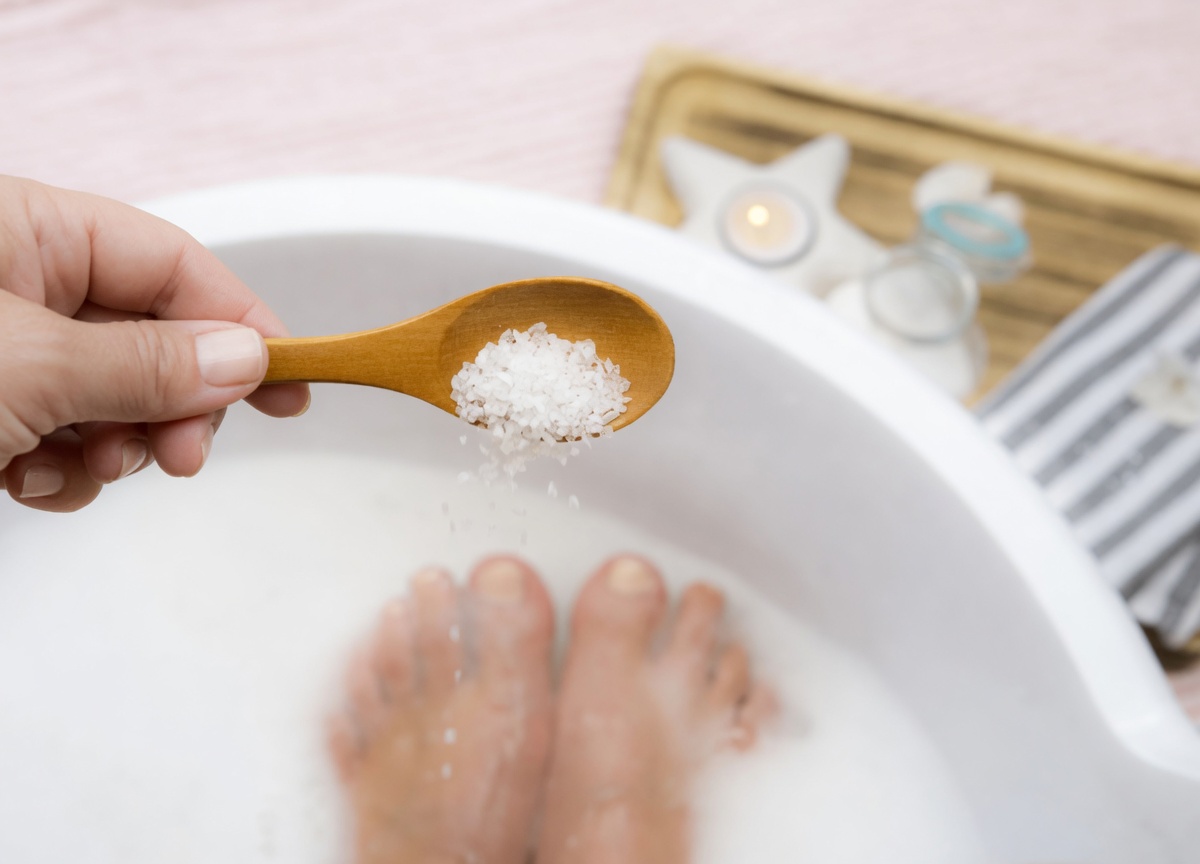
3. Gentle Foot and Skin Soaks
For minor itching or irritation, a warm soak can be soothing.
- Add 2 tablespoons to a basin of warm water
- Soak feet for 15–20 minutes
- Repeat 2–3 times per week
4. Temporary Urinary Comfort Support
Baking soda can make urine more alkaline for a short time. Some early or limited evidence suggests this may ease mild discomfort for certain people, but research is not strong enough to treat it as a reliable solution. Always check with a healthcare professional first.
5. Kidney Health Support (Only With Medical Supervision)
In some people with chronic kidney disease and metabolic acidosis, doctor-prescribed sodium bicarbonate has been studied for potentially slowing disease progression. This is not a DIY approach—dose and monitoring are crucial.
6. Exercise Endurance and Reduced Fatigue During Activity
In sports nutrition, sodium bicarbonate has been used to buffer acid buildup during short, intense efforts. Some seniors experiment cautiously (with approval) to support longer walks or physical activity.
- Start with a very small test dose
- Be alert for stomach upset and hydration needs
7. Mild Anti-Inflammatory Comfort (Emerging Area)
Newer discussion points to possible links between acid-base balance and inflammatory markers. This is still an evolving research area, but some people report gentle support for minor aches.
8. Oral Care and Surface Stain Support
Baking soda is mildly abrasive and may help reduce surface staining and plaque when used sparingly.
- Use a small pinch occasionally (for example, once weekly)
- Avoid aggressive scrubbing to protect enamel and gums
9. Bath Add-In for Minor Itching or Irritation
Some people add baking soda to bathwater to calm everyday skin discomfort.
- Add ½ cup to a bath
- Rinse and moisturize afterward if dryness occurs
10. Gout Flare Support (Guidance Needed)
Because alkalinizing strategies may affect uric acid handling, some people discuss baking soda in relation to gout discomfort. This should only be considered with medical direction, especially because gout often overlaps with kidney and cardiovascular risk factors.
11. Acid-Base Balance Support and “Lighter” Feeling
Some seniors describe feeling better when their acid load is managed. If used at all internally, it must be conservative and well supervised due to sodium and metabolic risks.
12. Natural Deodorant Alternative
A light dusting may help reduce odor for some individuals.
- Use a small amount
- Stop if irritation develops
13. Wellness Routine and Confidence Boost
While not a medical effect, simple and safe routines can help some seniors feel more in control of daily comfort—supporting activity and consistency.
Quick Self-Check: Does This Sound Like You?
- Heartburn after meals?
- Occasional mouth discomfort?
- Minor skin or foot irritation?
- Low energy during light activity?
- A general “sluggish” feeling?
If several of these feel familiar, baking soda may be worth discussing with your clinician as a cautious, limited tool—not a replacement for diagnosis or treatment.
Safe Use Overview (Concerns and Safer Approaches)
-
Heartburn relief
- Potential concern if overused: electrolyte imbalance, sodium overload
- General safer approach: ½ tsp in water, occasional use, max 2x/day
-
Mouth rinse
- Potential concern if overused: dryness/irritation
- General safer approach: ½ tsp in warm water, 2–3x/day short-term
-
Foot/skin soak
- Potential concern if overused: dryness
- General safer approach: 2 tbsp in a basin, 15–20 min, 2–3x/week
-
Exercise support
- Potential concern if overused: GI upset, dehydration risk
- General safer approach: small test dose only, hydrate, stop if symptoms appear
-
Kidney-related use
- Potential concern if overused: fluid retention, blood pressure changes
- General safer approach: doctor supervision only
30-Day Gentle Trial Protocol (Doctor-Approved Only)
If your healthcare provider agrees that a cautious trial is appropriate, this staged approach can help you monitor tolerance and benefits.
-
Week 1: Heartburn-only focus
- Use ½ tsp in 4–6 oz water only when needed
- Limit to max 2 times/day
- Track: symptom timing, relief speed, any side effects
-
Week 2: Add mouth rinse (if relevant)
- ½ tsp in warm water, swish 30 seconds
- 2–3 times/day for short-term mouth discomfort
- Track: soreness level, dryness, irritation
-
Week 3: Add foot/skin soaks
- 2 tbsp in warm basin water
- 15–20 minutes, 2–3x/week
- Track: itching, dryness, skin comfort
-
Week 4: Review results with your clinician
- Bring notes on symptoms, energy, blood pressure readings (if you track them), and any changes
- Continue only if your provider confirms it remains safe and appropriate
Safety Notes for Common Health Situations
-
High blood pressure or sodium restriction: higher risk
- Baking soda contains sodium and may worsen blood pressure or fluid retention.
- Avoid or use only under explicit medical guidance.
-
Kidney disease: high risk
- Internal use should be clinician-directed and monitored.
-
GERD or ulcers: moderate risk
- Occasional relief may be possible, but frequent use can mask symptoms and delay proper evaluation.
- Discuss longer-term strategies with a professional.
-
Pregnancy: avoid internal use
- Do not self-treat with sodium bicarbonate without medical instruction.
Bottom Line: Smart, Informed Use Matters
When used cautiously and with professional oversight, baking soda may offer simple, affordable support for a few everyday discomforts—helping some seniors feel more comfortable and active. But ignoring safety limits increases the chance of serious complications, including:
- Metabolic alkalosis
- Sodium overload and fluid retention
- Electrolyte imbalance
- Potential strain on the heart and kidneys, especially in older adults
Start low, track effects, and prioritize a doctor-guided plan.
FAQ
Is baking soda safe for daily use after age 60?
Occasional use is generally considered acceptable for many people, but daily internal use should be medically supervised due to sodium content and the risk of side effects.
Can baking soda replace prescription or over-the-counter medications?
No. It may provide occasional symptom relief, but it does not treat underlying conditions. Follow medical advice for diagnosis and treatment.
How much is too much?
For internal use, many common references advise staying around ½ teaspoon per dose and avoiding frequent use. Exceeding recommended amounts can cause serious health issues.
Disclaimer
This article is for informational purposes only and does not replace professional medical advice. Baking soda (sodium bicarbonate) may cause side effects such as metabolic alkalosis, high blood pressure, fluid retention, electrolyte imbalance, or heart-related complications—particularly in older adults and people with kidney, heart, or blood pressure conditions. Do not begin regular internal use without consulting a qualified healthcare provider. Use the smallest effective amount, monitor symptoms carefully, and stop immediately if adverse effects occur. Seek medical attention for persistent or worsening symptoms.