After 50, it’s common to feel your strength slowly slipping—simple things like carrying groceries, walking the dog, or climbing stairs can take more effort than they used to. This gradual change is often tied to age-related shifts in muscle mass and performance, and it may show up as quicker fatigue, less stable balance, and less enjoyment in everyday movement. It can be especially discouraging when light exercise no longer delivers the same “fast results” you remember.
Newer research and long-standing wellness traditions both point toward an encouraging idea: daily habits—especially antioxidant-rich choices—may help support muscle health and recovery. One easy option to explore is tea. Below are three widely available teas—green tea, ginger tea, and nettle tea—and how their natural compounds may contribute to muscle support during aging.
Understanding Age-Related Muscle Changes
From around age 50 onward, many adults experience a steady decline in muscle strength and lean mass. Some aging research reports estimate losses of roughly 1–2% per year in certain individuals. Over time, this can affect mobility-focused muscle groups (especially in the legs), leading to shorter steps, reduced stability, and greater effort during routine tasks.
Several factors can speed up or worsen these changes, including:
- Lower overall physical activity
- Certain medications that influence appetite, energy, or nutrient absorption
- Not getting enough protein, minerals, or antioxidants
- Slower recovery after exertion, which can reduce motivation to stay active
The upside is that lifestyle choices—like improving daily nutrition and adding supportive beverages—may help address key contributors such as oxidative stress and low-grade inflammation, both associated with age-related changes in muscle performance.
What’s Happening Inside Aging Muscles?
Muscle tissue is constantly balancing protein breakdown and repair. With age, the repair side of that equation can become less efficient. At the same time, the body may accumulate more oxidative stress from normal metabolism, environmental exposures, and inflammation-related processes.
Key internal shifts often include:
- More oxidative damage from free radicals that can stress muscle cells
- Chronic low-level inflammation that may affect comfort, flexibility, and recovery
- Nutrient gaps (minerals and protective plant compounds) that can limit muscle function and post-activity repair
Research has connected higher oxidative markers with faster drops in strength and physical performance. That’s why plant-based antioxidants—found naturally in certain teas—are being studied for potential supportive roles.
Why Green Tea, Ginger Tea, and Nettle Tea Stand Out
These three teas are frequently discussed because each offers a different category of bioactive support:
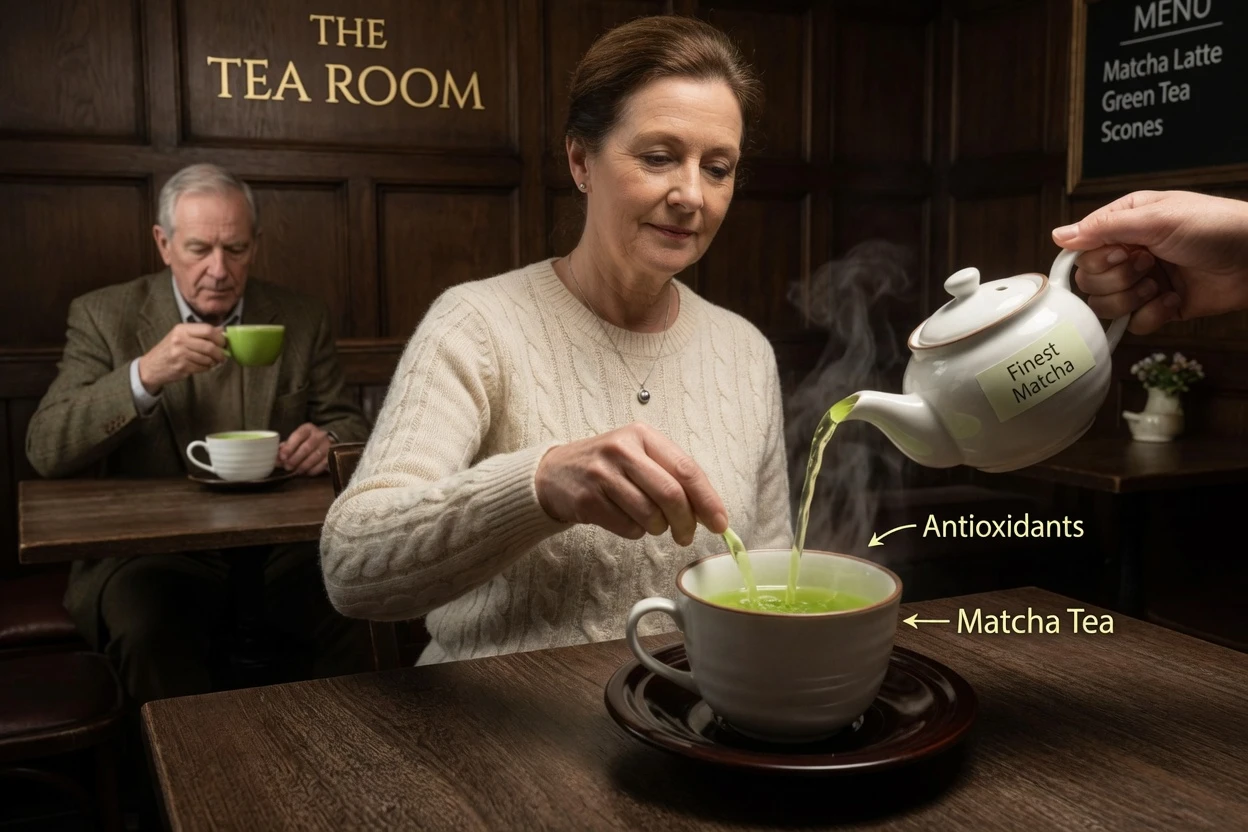
- Green tea provides catechins, especially EGCG (epigallocatechin gallate), studied for antioxidant effects and muscle recovery support.
- Ginger tea contains gingerols, associated with inflammation-modulating and circulation-supporting properties.
- Nettle tea contributes minerals such as magnesium and iron, both relevant to muscle function and energy metabolism.
Together, they create a practical, affordable trio that fits into daily routines—and they’re being explored for how they may influence recovery and comfort after physical effort.
Potential Benefits of These Teas for Muscle Support
While tea is not a cure or a replacement for exercise, protein intake, or medical care, these beverages may offer supportive advantages that align with healthy aging:
- Antioxidant support: Helps protect muscle cells from everyday oxidative stress
- Inflammation management: May reduce inflammatory signals linked to discomfort after activity
- Nutrient contribution: Especially from mineral-rich nettle, which can help fill common gaps that affect energy and muscle performance
Now let’s break down what each tea may offer.
Green Tea: Antioxidant Muscle Support (EGCG and Catechins)
Green tea is rich in catechins, with EGCG being the most studied. Scientific interest in green tea and aging often centers on its ability to help counter oxidative stress—an underlying factor in age-related muscle decline.
What research suggests green tea may support:
- Muscle fiber protection from oxidative strain
- Recovery processes after activity (reflected in certain recovery markers in studies)
- Maintenance of muscle function when paired with regular movement
Many people also enjoy green tea as a gentle morning beverage, describing a “lighter” form of energy that supports daily activity.
Ginger Tea: Comfort, Circulation, and Post-Activity Recovery
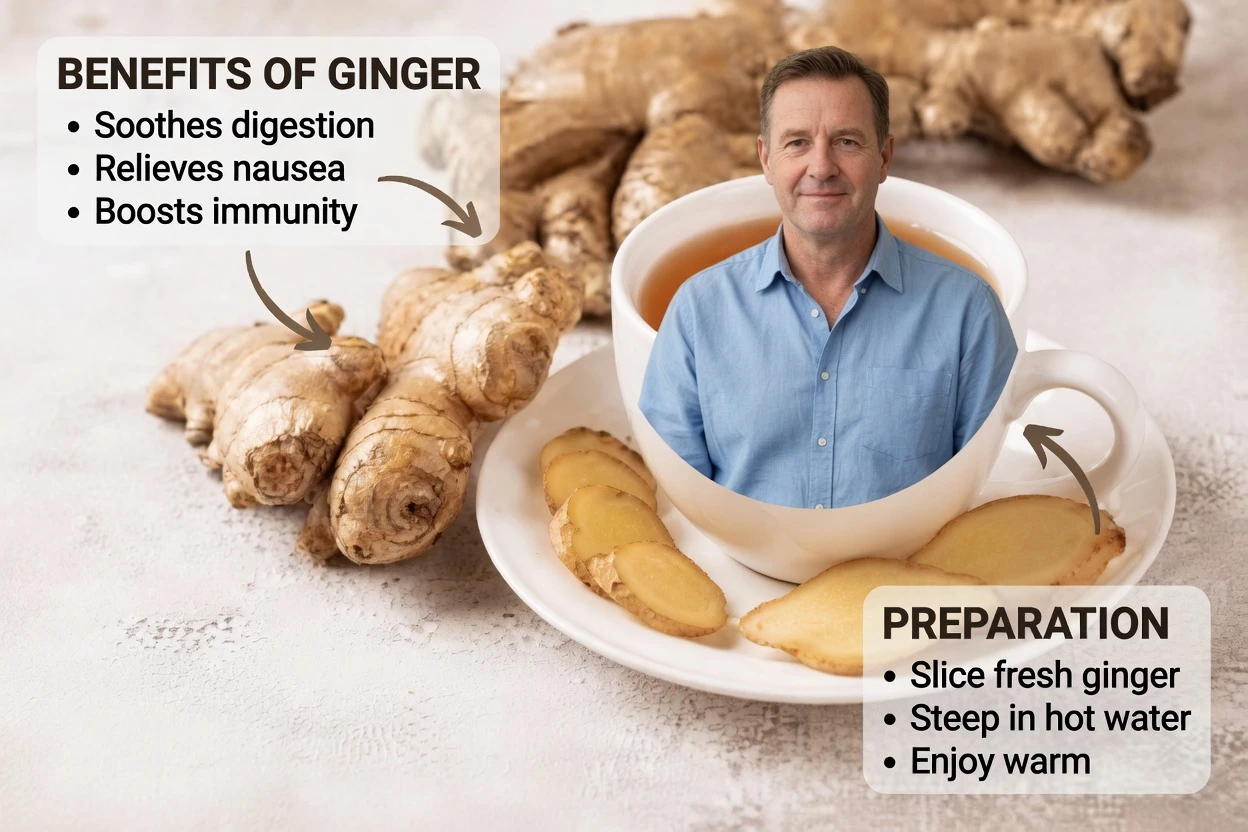
Ginger is known for its warming character and its key compounds—gingerols—which have been studied for potential roles in managing inflammation and supporting circulation.
How ginger tea may help in a muscle-support routine:
- May reduce post-exercise soreness sensations in some people
- Supports comfortable movement by influencing inflammation-related pathways
- Encourages better perceived recovery, especially after walking or leg-focused activity
A warm cup in the evening is a common choice, particularly for people who notice stiffness or heaviness after a long day.
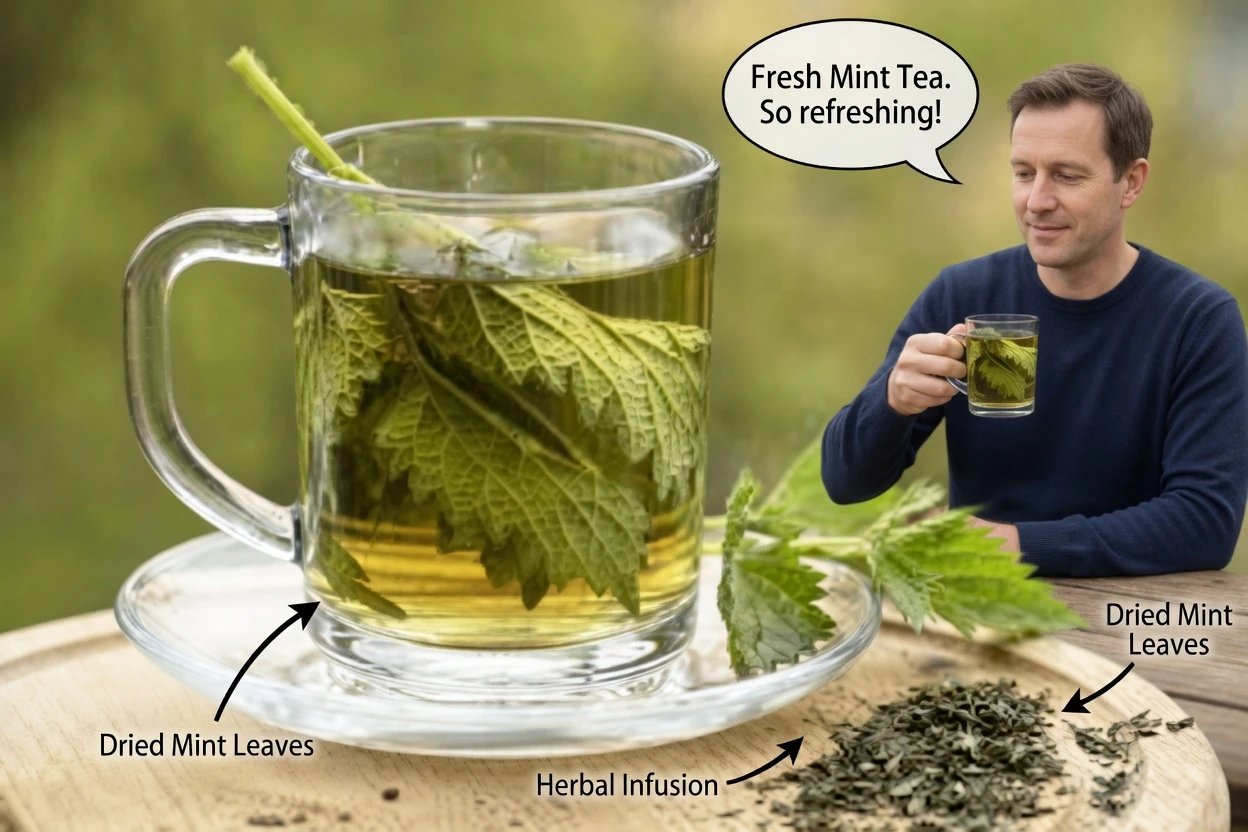
Nettle Tea: Minerals for Muscle Function (Magnesium and Iron)
Nettle tea stands out less for “antioxidant headlines” and more for its nutritional profile. It is commonly recognized for providing minerals—especially magnesium and iron—which are important for:
- Normal muscle contraction and relaxation (magnesium plays a key role)
- Energy production and oxygen-related processes (iron is essential here)
- Supporting vitality during aging when intake can be inconsistent
Nettle has an earthy, herbal taste. If the flavor is strong for you, pairing it with lemon or mint can make it more pleasant.
How These Teas May Support Circulation and Recovery
Efficient circulation helps deliver oxygen and nutrients to muscles and supports waste removal after exertion. These teas are often discussed in circulation-related wellness because:
- Ginger is traditionally viewed as warming and circulation-supportive
- Green tea is studied for vascular and antioxidant benefits
- Nettle adds minerals that support normal muscle and energy physiology
Combined with regular hydration and light activity, they may help you feel steadier during daily walks and routine movement.
Supporting Daily Energy and Reducing “After-Activity” Discomfort
When discomfort follows even mild activity, it can discourage consistency. The antioxidant and soothing qualities of green tea and ginger—along with nettle’s mineral support—may help some people feel more comfortable staying active.
Over time, consistent use (alongside appropriate movement and nutrition) is often associated anecdotally with:
- More stable daily stamina
- Less discouragement after activity
- Greater confidence in routine movement (stairs, errands, longer walks)
A Simple, Budget-Friendly Habit
One advantage of these teas is accessibility. They are typically inexpensive, widely available, and easy to prepare. Compared with specialized supplements, tea can be a low-cost habit that supports a broader healthy lifestyle.
Quick Comparison Table
-
Green Tea
- Key compounds: Catechins (EGCG)
- Potential support: Antioxidant protection, recovery support
- Taste: Light, grassy
-
Ginger Tea
- Key compounds: Gingerols
- Potential support: Inflammation management, circulation support
- Taste: Warm, spicy
-
Nettle Tea
- Key compounds: Magnesium, iron (plus other micronutrients)
- Potential support: Muscle function and energy-related processes
- Taste: Earthy, herbal
Easy Brewing Guide (1–2 Cups a Day)
-
Green Tea
- Use: 1 tea bag or 1 tsp loose leaves
- Steep: 3–5 minutes in hot (not boiling) water
- Tip: Choose decaf green tea if you’re caffeine-sensitive
-
Ginger Tea
- Use: About 1 inch of fresh ginger (sliced or grated)
- Steep: 5–10 minutes
- Tip: Add honey or lemon to soften the intensity
-
Nettle Tea
- Use: 1 tsp dried nettle leaves
- Steep: 5–8 minutes
- Tip: Drink plain or add lemon/mint for a smoother finish
Try one cup in the morning and another later in the day. Stay well-hydrated—nettle can have a mild diuretic effect for some people.
Safety Notes
These teas are generally well tolerated, but it’s smart to check with a healthcare professional if you:
- Take medications (for example, blood thinners—ginger may not be appropriate for everyone)
- Are pregnant or managing a chronic condition
- Have known sensitivities to herbs or caffeine
Start with small amounts and monitor how you feel.
Build Stronger, More Confident Steps—One Cup at a Time
Green tea, ginger tea, and nettle tea offer a gentle, flavorful approach to supporting muscle health as you age. They’re easy to add to daily life and may complement healthy movement, nutrition, and recovery habits. With consistent use, many people find their routines feel a little more comfortable—and their daily steps a little more confident.
Frequently Asked Questions
-
Can I drink these teas every day?
For most people, 1–2 cups daily fits well into a balanced diet and is commonly considered safe. -
What if I’m sensitive to caffeine?
Choose decaffeinated green tea, or focus on ginger and nettle, which are naturally caffeine-free. -
How long does it take to notice a difference?
Some people report subtle changes in comfort or energy after a few weeks of consistent use, though results vary.
Disclaimer: This article is for informational purposes only and is not a substitute for medical advice. Consult a qualified healthcare provider for guidance tailored to your needs.