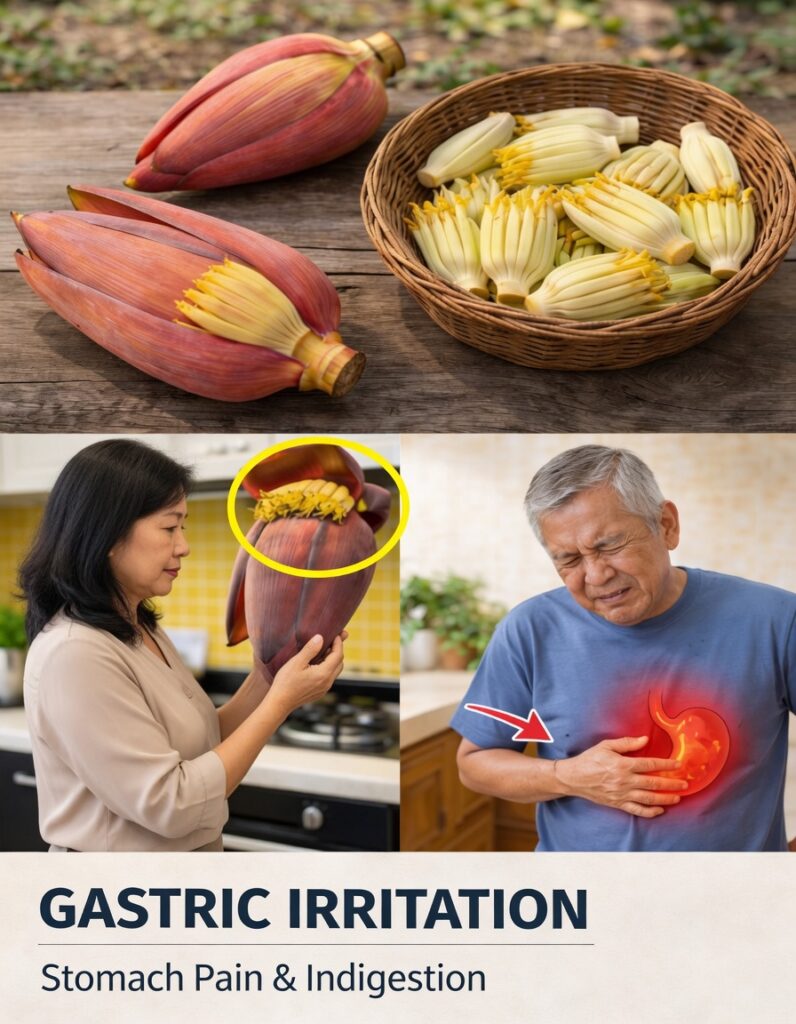
Managing post-meal blood sugar spikes, staying on top of blood pressure, and coping with occasional digestive discomfort can be challenging in day-to-day life. For many people, these issues are linked to modern eating patterns that lack fiber and whole foods—which often leads to searching for simple, natural additions that support better balance and energy.
One lesser-known ingredient from traditional Asian cooking may help fill that gap. Banana blossom (banana flower) is a fiber-rich, mineral-dense vegetable that deserves more attention for its potential role in everyday wellness.
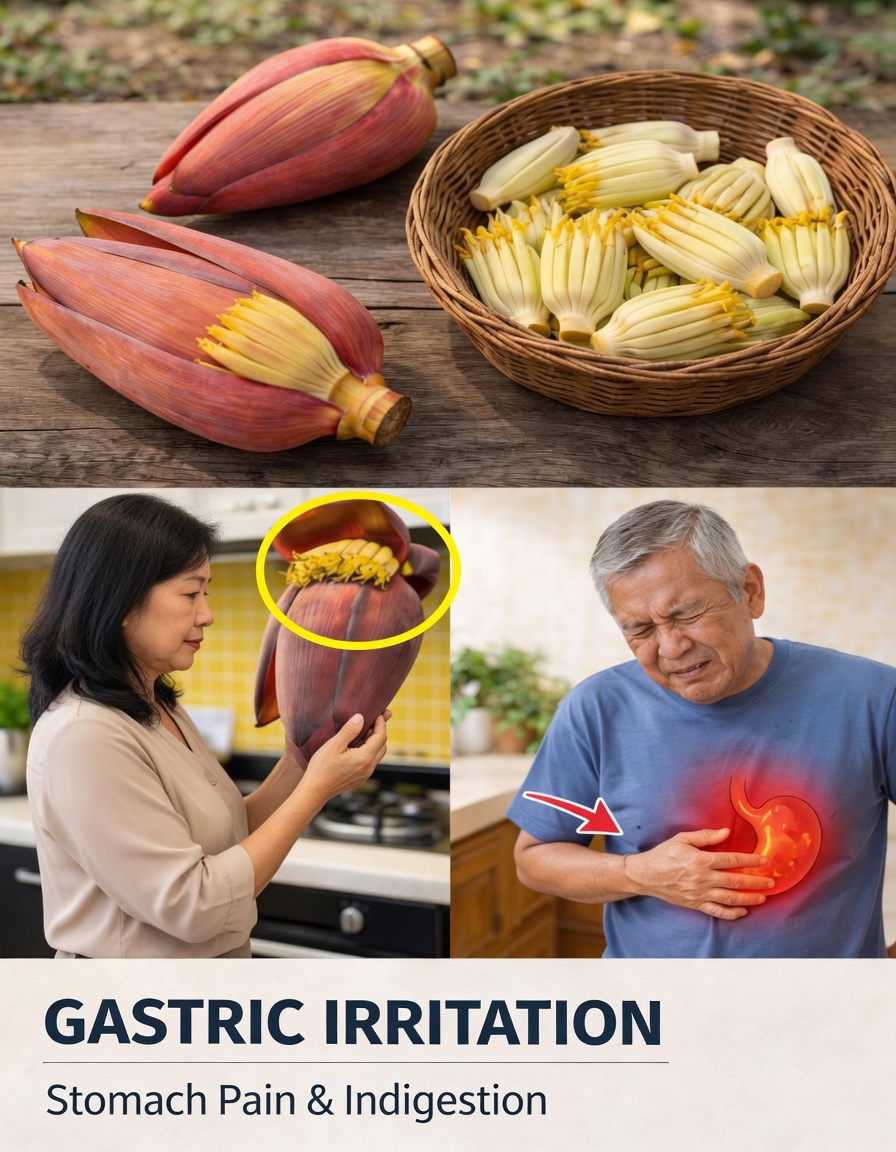
What Is Banana Blossom (Banana Flower)?
Banana blossom is the large, teardrop-shaped purple flower that grows at the end of a banana bunch. While the fruit gets most of the spotlight, the flower has long been used in South Asian and Southeast Asian cuisines.
It’s typically sliced and cooked in dishes like:
- Soups
- Stir-fries
- Curries
- Salads (often blanched first)
Its flavor is mild with a slightly bitter edge that becomes softer and more pleasant after proper preparation and cooking.
Key Nutritional Highlights
Banana blossom stands out because it is:
- High in dietary fiber (both soluble and insoluble)
- Low in calories and fat
- A natural source of potassium, magnesium, and other minerals
- Rich in antioxidants such as polyphenols, flavonoids, and catechins
These qualities make it a strong fit for people who prefer whole-food, plant-forward meals designed for better daily balance.
How Banana Blossom May Help Support Blood Sugar Balance
If you’re aiming for steadier energy after eating, fiber is one of the most dependable nutrients to prioritize. Banana blossom provides substantial fiber, which may help slow digestion and reduce how quickly sugars enter the bloodstream.
Research—including animal studies and limited human data—suggests banana blossom’s fiber and polyphenols may support glucose control in controlled settings. Because it’s naturally low-glycemic and fiber-rich, it may contribute to a more moderate post-meal blood sugar response.
Practical takeaways include:
- Supporting a slower rise in blood sugar after meals
- Improving satiety, which can help with portion awareness
- Blending well into eating patterns focused on metabolic health
No single food replaces comprehensive care. For prediabetes or diabetes, banana blossom is best viewed as a supportive addition alongside balanced meals, regular movement, and guidance from a qualified clinician.
Banana Blossom for Heart-Friendly Eating Patterns
Nutrient-dense plant foods that provide potassium and fiber are often associated with better long-term cardiovascular markers. Potassium is especially important for blood pressure support, helping the body balance fluid levels and offset excess sodium.
Banana blossom contains meaningful amounts of:
- Potassium
- Magnesium
Some clinical research (including trials involving people with prediabetes using banana blossom powder) has reported improvements such as reductions in diastolic blood pressure and body weight. While results depend on the person and the overall diet, these findings align with the broader evidence supporting high-fiber, mineral-rich foods.
In everyday terms, adding banana blossom can be an easy way to swap in a less processed, fiber-forward ingredient without making extreme diet changes.
Why Banana Blossom Can Support Digestive Comfort
Digestive issues like bloating, irregularity, or occasional constipation can disrupt routine and energy. Banana blossom’s mix of soluble and insoluble fiber makes it particularly relevant for gut comfort:
- Soluble fiber can help nourish beneficial gut bacteria
- Insoluble fiber supports bulk and smoother bowel movements
Traditional recipes often cook banana blossom gently, which can make it easier to tolerate while still boosting daily fiber intake.
Quick Fiber Notes
Depending on the recipe and serving size, banana blossom may:
- Provide roughly 5–6 grams of fiber per serving
- Offer prebiotic-like support for gut microbes
- Help increase fiber intake without adding many calories
If you’re not used to high-fiber foods, start with smaller portions and increase gradually. Cooking it thoroughly also helps improve texture and digestibility.
Banana Blossom Nutrition: A Simple Snapshot
Values vary by variety and preparation, but commonly reported nutrition points include:
- Calories: low (often around 20–50 per 100 g)
- Fiber: high (frequently 5+ g per serving)
- Key minerals: potassium (often hundreds of mg), plus magnesium and calcium
- Antioxidants: compounds such as quercetin, catechins, and phenolics
- Other: low fat, low natural sugar, small amounts of protein
This combination makes banana blossom a smart addition to fiber-first, antioxidant-rich eating plans.
How to Prepare Banana Blossom (And Make It Taste Great)
Good preparation is the difference between “too bitter” and “surprisingly delicious.” It also improves texture and overall digestibility.
Basic Prep Steps
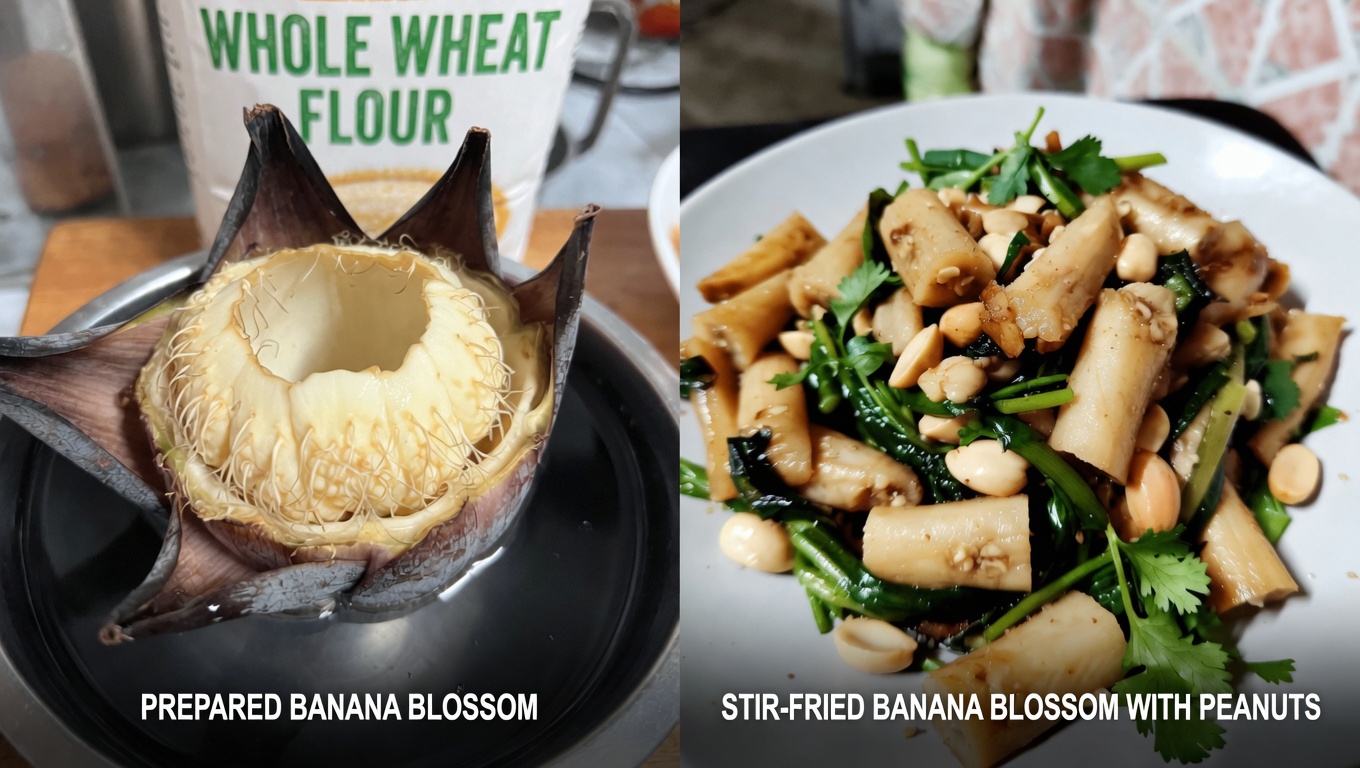
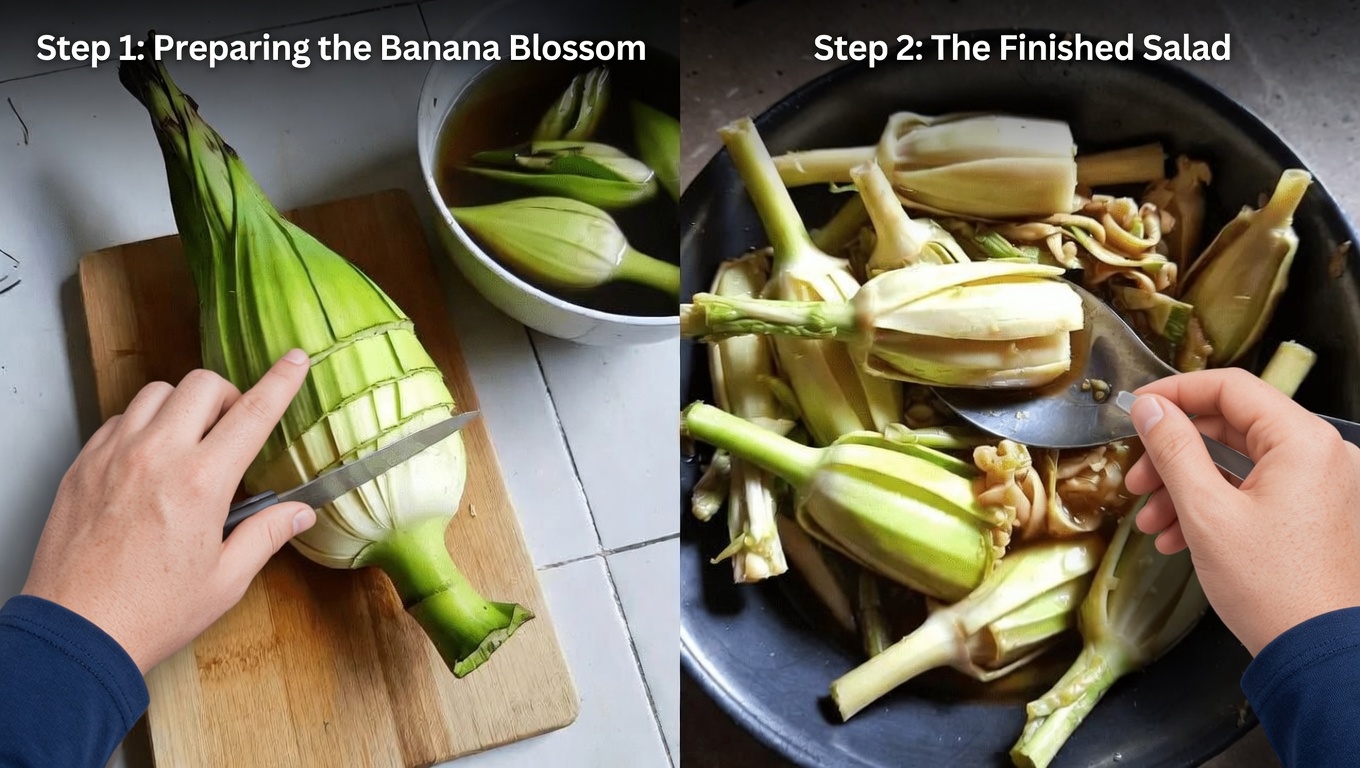
- Peel away the tough purple outer layers until you reach the pale, tender interior.
- Slice thinly, including the soft core and florets.
- Soak in water with lemon juice or vinegar for 15–30 minutes (longer if needed) to reduce astringency.
- Rinse well.
- Cook by boiling, steaming, stir-frying, or simmering in soups/curries.
Easy Ways to Eat Banana Blossom
- Stir-fry: Cook with garlic, onion, chili, and your preferred spices.
- Soup or curry: Add to broth, vegetables, herbs, or coconut-based curries.
- Salad: Use blanched slices with lemon, herbs, and a light drizzle of oil.
- Plant-based “tuna” texture: Mash cooked blossom with seasonings for sandwiches (it can become pleasantly flaky).
Cooking helps mellow bitterness and brings out a mild, tender bite—especially helpful if you’re trying it for the first time.
Safety Notes and Who Should Be Cautious
Banana blossom is widely eaten as a traditional whole food, but it’s still important to pay attention to individual tolerance:
- Introduce it gradually, particularly if you have a sensitive digestive system.
- It should not replace prescribed medications or treatment plans.
- If you manage diabetes, hypertension, or other conditions, speak with a healthcare professional before making significant dietary changes.
Disclaimer: This content is for informational purposes only and does not provide medical advice. Foods such as banana blossom may support healthy eating habits but do not diagnose, treat, cure, or prevent disease.
The Bottom Line
Although it’s still unfamiliar in many supermarkets, banana blossom offers a strong nutritional profile—especially fiber, potassium, and antioxidants—that fits well with goals like steadier blood sugar after meals, heart-supportive eating, and better digestive regularity. Adding it to your meals is a simple way to expand your whole-food options with a traditional ingredient that’s both practical and nutrient-dense.
FAQ
What does banana blossom taste like?
It has a mild, earthy flavor with a slight bitterness. When prepared and cooked correctly, it becomes tender and pleasant—often compared to artichoke hearts or young bamboo shoots.
Is banana blossom safe for everyone?
Most people tolerate it well when properly prepared and cooked. If you have allergies, digestive sensitivities, or specific medical concerns, start with small amounts and consult a clinician if unsure.
How often should I eat banana blossom to see potential benefits?
Try including it a few times per week within a varied, fiber-rich diet. Overall consistency with whole foods matters more than relying on one ingredient alone.